Side-by-Side IQ Profile: Unpacking Identical Scores
The Cosmic Pet Pet IQ Lab assesses five crucial dimensions of canine intelligence, and interestingly, both the Saluki and the German Pinscher achieve a 3/5 rating across the board. This uniformity in scores doesn't imply identical cognitive expression, but rather similar capacity channeled through their distinct breed histories and instincts. Let's delve into how these scores manifest uniquely for each.
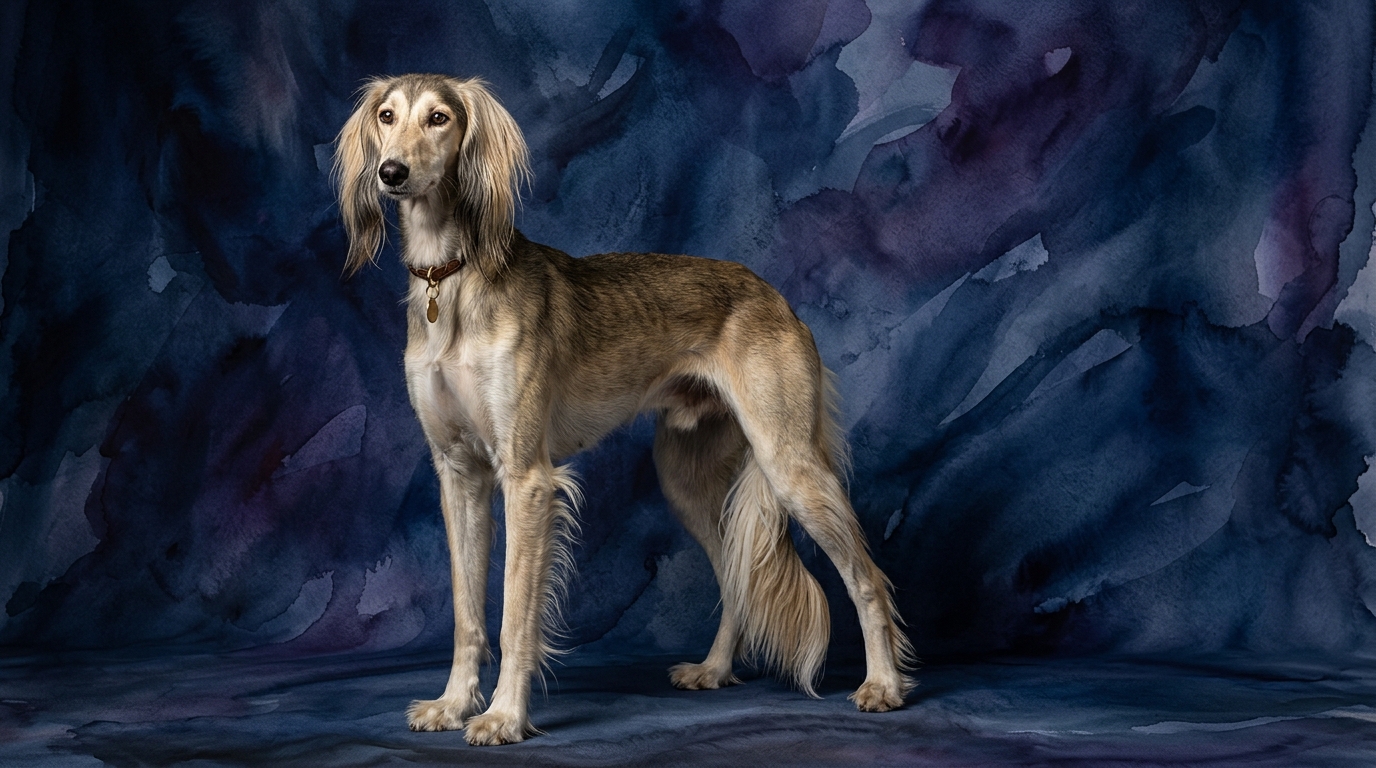
For the Saluki, a hound breed, their Problem Solving (3/5) often reflects a keen ability to navigate complex environments during a chase, strategizing the most efficient path to their quarry. They don't typically excel at human-devised puzzle toys but demonstrate ingenuity in their natural hunting pursuits or in finding ways to satisfy their independent urges. Their Training Speed (3/5) indicates they can grasp new commands with moderate speed, particularly if the training is engaging and appeals to their desire for movement or a perceived reward; however, their independent spirit means they often choose whether or not to comply, rather than struggling to understand the command itself. Social Intelligence (3/5) in a Saluki is often expressed through subtle communication within their immediate family or pack, reading body language and emotional states. They are not typically demonstrative but are acutely aware of their human companions' moods and intentions, especially when it pertains to their comfort or routine. The Saluki's Instinctive Drive (3/5) is heavily focused on their sighthound heritage — the powerful urge to spot, chase, and pursue—which is a fundamental aspect of their being, influencing their focus and motivation more than complex intellectual challenges might. Finally, Memory (3/5) for Salukis means they exhibit a solid recall for routines, learned boundaries, and places where interesting scents or chase opportunities might be found; they remember specific training cues but their application of this memory is often filtered through their independent motivation.
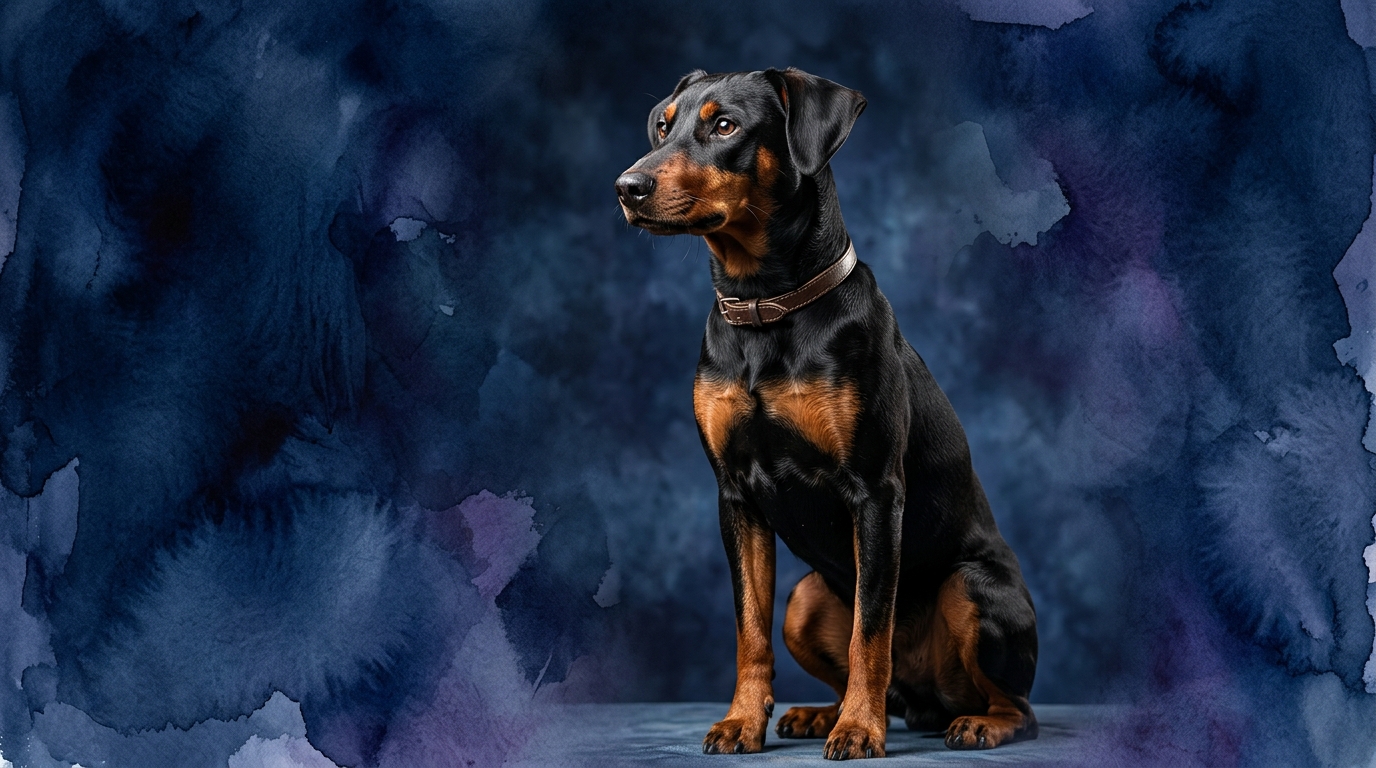
The German Pinscher, categorized as a working breed, also scores 3/5 in all dimensions. Their Problem Solving (3/5) manifests as resourcefulness in tasks like guarding, identifying potential threats, or figuring out how to access areas they deem important for their 'job.' They can be clever at manipulating objects or situations to their advantage, often demonstrating a practical intelligence. Their Training Speed (3/5) means German Pinschers learn commands at a moderate pace, often eager to engage in structured activities with their owners; their working dog background means they generally enjoy having a purpose, which can accelerate their learning when tasks are clear and consistent. Social Intelligence (3/5) for German Pinschers is typically applied to understanding the dynamics of their human family, quickly discerning who is in charge and who needs protection. They are adept at reading intentions and can be very attuned to subtle shifts in household mood or external stimuli. The German Pinscher's Instinctive Drive (3/5) is rooted in their vermin-hunting and guarding roles, translating into a strong territorial instinct, a desire to patrol, and a keen alertness to their surroundings, forming the bedrock of their working temperament. Their Memory (3/5) provides a good recall for established routines, commands, and the layout of their territory, quickly committing learned behaviors to memory, especially those reinforced through consistent training and positive experiences, contributing to their reliability in tasks.
Where the Saluki Holds a Cognitive Edge
Despite identical scores, the Saluki's cognitive strengths often lie in their specialized, independent application of intelligence, particularly in scenarios requiring autonomous decision-making over vast distances. Their problem-solving (3/5) is uniquely adapted for the chase; they excel at evaluating terrain, anticipating prey movement, and making split-second tactical adjustments without direct human input. This isn't about solving a puzzle box, but rather the complex, dynamic problem of a high-speed pursuit, where their memory (3/5) of past hunting grounds or effective strategies comes into play. Furthermore, their social intelligence (3/5), while often subtle, allows them to operate effectively as part of a sighthound 'team,' understanding non-verbal cues from fellow hounds during a hunt, demonstrating a different facet of social coordination than a working dog. This deep-seated independence means they process information and react based on a strong internal compass, which can be an advantage in situations demanding self-reliance.
Where the German Pinscher Demonstrates Cognitive Prowess
The German Pinscher's cognitive advantages manifest in areas demanding focused attention, practical application, and a strong sense of purpose within a human-centric environment. Their problem-solving (3/5) often shines in situations requiring strategic defense or resourcefulness in a domestic setting, such as figuring out how to deter an unwanted visitor or 'manage' their environment. Their training speed (3/5) is often paired with an eagerness to work alongside their human companions, making them highly receptive to learning tasks that provide a clear objective and strengthen their bond. This breed's social intelligence (3/5) is keenly attuned to the nuances of their human family, allowing them to anticipate needs, guard territory effectively, and respond appropriately to perceived threats, showcasing a protective and alert form of social awareness. The German Pinscher's memory (3/5) also plays a crucial role in their reliability as a working companion, enabling them to consistently recall commands and routines, which is vital for their roles in guarding and companionship.
Training Dynamics: Saluki's Independence vs. German Pinscher's Purpose
When it comes to training, the behavioral differences stemming from their breed types become apparent, even with identical 3/5 training speed scores. The Saluki, as a sighthound, possesses an inherent independence. While they learn commands at a moderate pace, their compliance is often voluntary, driven by whether the task aligns with their self-interest or instinct. A Saluki might perfectly understand "come" but choose to continue pursuing a squirrel if the drive is strong enough, demonstrating a selective application of their learned memory (3/5). Their training requires immense patience, positive reinforcement, and understanding that their primary motivation isn't always human approval but often the thrill of the chase or their own comfort. In contrast, the German Pinscher, with its working dog lineage, generally approaches training with a greater desire for partnership and purpose. Their 3/5 training speed is often coupled with a willingness to engage, making them more amenable to consistent, reward-based training. They thrive on having a "job" and will typically apply their problem-solving (3/5) to understand and execute tasks, finding satisfaction in pleasing their owner and fulfilling their protective instincts. Their social intelligence (3/5) also makes them more inclined to respond to their owner's cues, seeking to understand and adapt.
Lifestyle Match: Active Owners vs. Relaxed Owners
Choosing between a Saluki and a German Pinscher based on lifestyle involves understanding how their cognitive and physical energy levels align with owner activity. The Saluki, despite its elegant appearance, is built for speed and endurance, requiring significant outlets for its instinctive drive (3/5). An active owner who enjoys long, secure off-leash runs or lure coursing will find their Saluki's physical and mental needs met. Their independence means they might appear "relaxed" indoors, but this is often a recharge for their next burst of activity. They suit owners who appreciate a dog that can entertain itself within appropriate boundaries and isn't constantly seeking direction, though they do cherish quiet companionship. On the other hand, the German Pinscher, while also energetic, channels its energy and instinctive drive (3/5) into more interactive pursuits. They require an active owner who can provide structured exercise, mental challenges, and consistent engagement. Their moderate problem-solving (3/5) and social intelligence (3/5) thrive on activities like agility, obedience, or even just patrolling a secure yard with their human. They are less prone to "zoning out" than a Saluki and prefer to be an integral part of their owner's daily routine, making them a better fit for owners seeking a more hands-on, collaborative canine companion.
The Verdict
Choose a Saluki if you appreciate a noble, independent companion with a deep, quiet affection, and you can provide ample, secure space for their profound need to run. They thrive with owners who understand and respect their sighthound instincts, offering a unique blend of athleticism and serene loyalty.
Opt for a German Pinscher if you desire an alert, spirited, and highly engaged partner for an active lifestyle, thriving on consistent training and interactive activities. They are best suited for owners who can provide clear leadership, mental stimulation, and appreciate a dog that is always ready for a new adventure or task.
🧠 Find Your Pet's IQ Score
Our Pet IQ Lab assessment covers 25+ tests across 5 cognitive dimensions — personalized to your breed.
Take the Full IQ Test →Frequently Asked Questions
Do Salukis and German Pinschers make good family pets?
Both can be excellent family pets, but their approaches differ. Salukis are often gentle and tolerant with children but may not be overly playful, preferring quiet companionship. German Pinschers are typically more robust and playful, often forming strong bonds with children, but require early socialization to manage their protective instincts.
Are Salukis or German Pinschers prone to specific behavioral challenges?
Salukis can present challenges related to their strong prey drive and independence, often requiring secure fencing and leash discipline to prevent wandering. German Pinschers can be prone to territoriality, alert barking, and a strong will, necessitating consistent training and socialization from a young age to channel these traits positively.
How do their grooming and exercise needs compare?
Salukis, with their short to feathered coats, require moderate grooming but demand significant bursts of high-speed exercise daily in a safe, enclosed area. German Pinschers have short, low-maintenance coats but need consistent, varied exercise and mental stimulation to prevent boredom and destructive behaviors.