Side-by-Side IQ Profile
The Cosmic Pet Pet IQ Lab assigns both the Saluki and the Harrier a consistent 3/5 across five critical cognitive dimensions: Problem Solving, Training Speed, Social Intelligence, Instinctive Drive, and Memory. While the scores are identical, the *expression* of these traits is profoundly shaped by their breed histories and inherent temperaments.
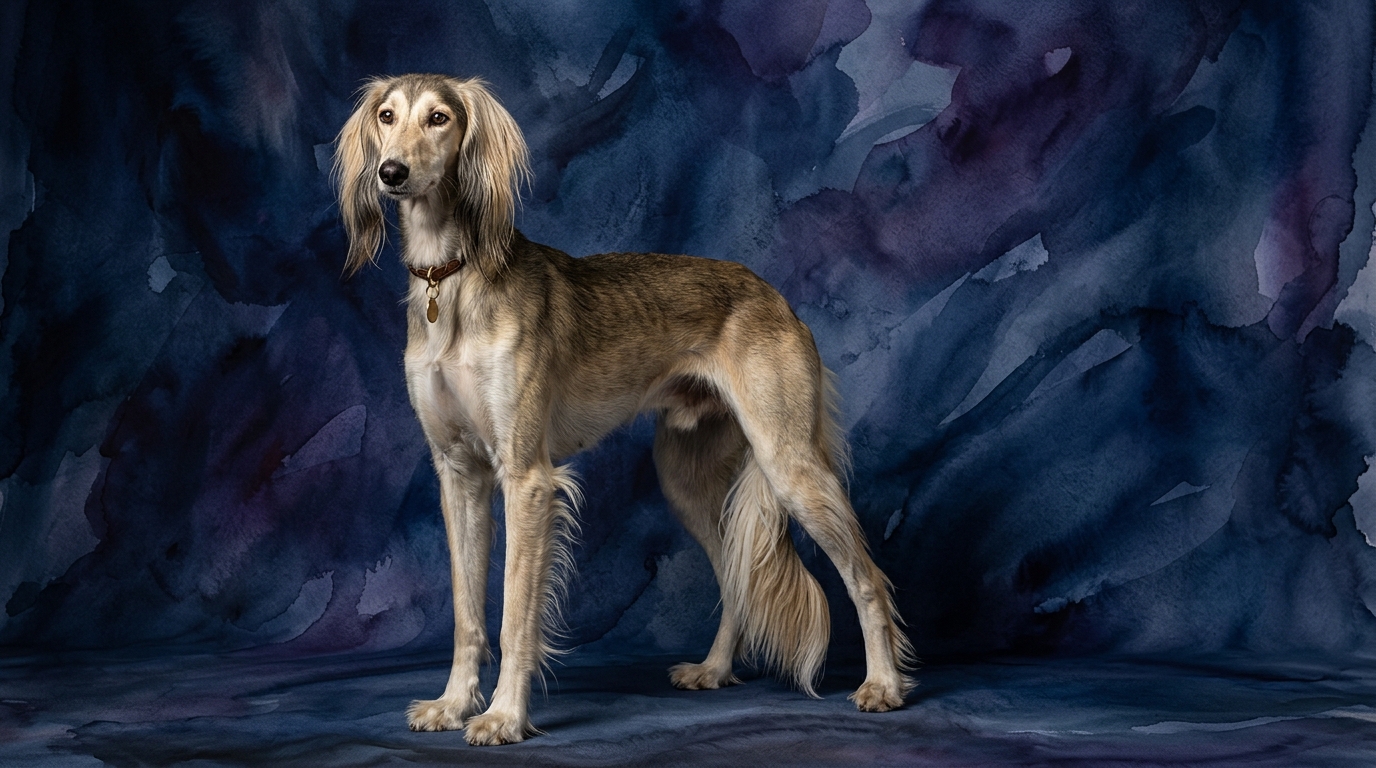
For the Saluki, a "Problem Solving 3/5" often manifests as independent decision-making in pursuit scenarios; as sighthounds developed to hunt across vast, open deserts, they learned to make swift, autonomous choices when spotting prey, without direct handler input. Their "Training Speed 3/5" reflects their capacity to grasp commands quickly, yet their inherent independence means they might choose to comply only when it aligns with their own perceived interests or if the reward is sufficiently compelling. "Social Intelligence 3/5" in a Saluki typically appears as a reserved, discerning approach to interactions; they are often deeply bonded with their chosen family but can be aloof or indifferent to strangers, carefully assessing social cues rather than seeking universal affirmation. Their "Instinctive Drive 3/5" is powerfully focused on visual pursuit, an ancient, ingrained desire to chase anything that moves with incredible speed and agility, driven by a primal hunting instinct. Finally, "Memory 3/5" allows them to recall specific hunting grounds, safe havens, and the routines of their human companions, remembering patterns and locations with a practical, self-serving accuracy.
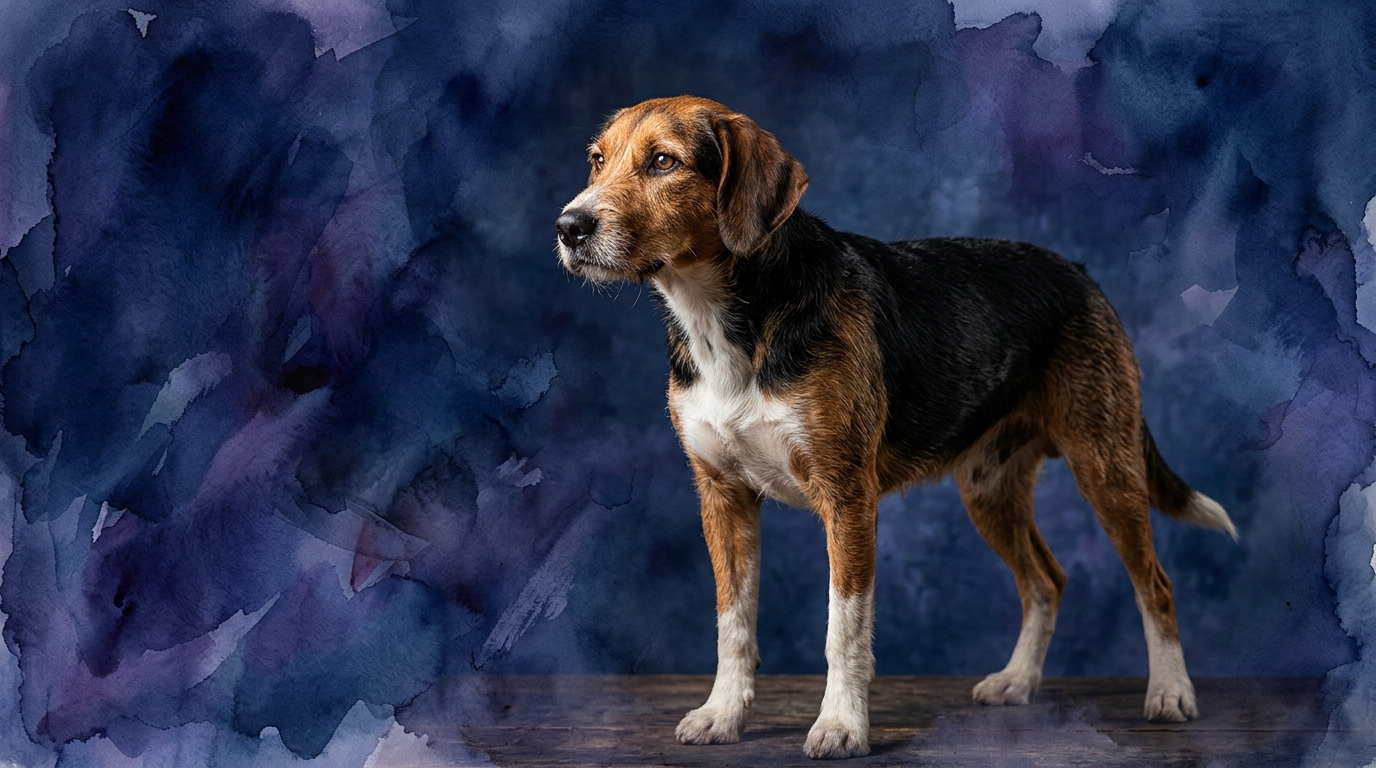
The Harrier, conversely, interprets the same scores through the lens of a pack-hunting scenthound. Their "Problem Solving 3/5" is often geared towards intricate scent puzzles and cooperative efforts within a group; bred to follow complex scent trails over varied terrain, they excel at persistent, methodical problem-solving to locate hidden quarry, often working in concert with other hounds. "Training Speed 3/5" for a Harrier means they learn commands efficiently, but their strong pack mentality and highly developed olfactory senses can make them easily distracted by environmental stimuli, requiring consistent, engaging reinforcement to maintain focus. Their "Social Intelligence 3/5" is typically more outward and boisterous, reflecting their history as pack animals; they thrive on interaction with both canine and human companions, understanding group dynamics and seeking to be an integrated member of their "pack." "Instinctive Drive 3/5" in a Harrier is dominated by their unparalleled sense of smell and a tenacious drive to follow a scent trail relentlessly, a powerful impulse that can override all other commands once engaged. Their "Memory 3/5" is particularly acute for scent patterns and the topography of their hunting grounds, remembering complex trails and the locations of previous finds, essential for their specialized hunting role.
Where Saluki Wins Cognitively
The Saluki's cognitive strengths truly shine in scenarios demanding independent thought and rapid visual processing. Their "Problem Solving 3/5" is optimized for quick, autonomous decisions when a target is visually acquired, making them masters of spatial reasoning in open environments. A Saluki will assess the situation, calculate the most efficient intercept course, and execute it with breathtaking speed, relying on their own judgment rather than external cues. This self-reliance, stemming from centuries of hunting far ahead of their human companions, gives them an edge in tasks requiring a swift, unassisted response to dynamic visual stimuli. Their "Memory 3/5" also leans into this, allowing them to precisely recall the contours of a landscape or the movements of specific prey, enhancing their hunting efficacy without constant human guidance. Furthermore, their "Social Intelligence 3/5," while appearing reserved, allows for a nuanced understanding of their environment and the intentions of those around them, enabling them to navigate complex social situations with subtle grace rather than overt enthusiasm, maintaining a focused, individual perspective.
Where Harrier Wins Cognitively
The Harrier's cognitive advantages are most apparent in tasks requiring sustained focus on olfactory information and cooperative effort. Their "Problem Solving 3/5" is unparalleled when it comes to unraveling complex scent trails, demonstrating a methodical tenacity that few breeds can match. They can differentiate between subtle nuances in odor, track a cold trail for extended periods, and work through environmental distractions with remarkable persistence, a skill honed by generations of pack hunting. This requires not just scenting ability, but also a cognitive map-making capability based on odor, an intricate form of "spatial reasoning" distinct from the Saluki's visual approach. Their "Social Intelligence 3/5" excels in group dynamics; they are adept at understanding and navigating the hierarchies and communication styles within a pack, whether canine or human, making them naturally cooperative partners in activities, eager to contribute to a shared goal. Their "Instinctive Drive 3/5," while strong, is channeled into a relentless pursuit of scent, demonstrating an endurance and singular focus on a specific task that is a hallmark of their cognitive makeup.
Which Is Easier to Train and Why
Determining which breed is "easier" to train, despite both having a "Training Speed 3/5," requires understanding their distinct motivations and behavioral predispositions. The Saluki, with its profound independence, learns quickly but often operates on its own terms. They might understand a command perfectly yet choose to ignore it if they deem it uninteresting or if a more compelling stimulus presents itself. Training a Saluki often feels like negotiation; success hinges on making the desired action more rewarding or appealing than their independent impulses. Their "Social Intelligence 3/5" means they read their handler well but might use that understanding to subtly redirect or simply disengage. This requires a trainer who is patient, consistent, and creative, using positive reinforcement that genuinely motivates a sighthound, often involving high-value treats or short, engaging sessions.
The Harrier, while also scoring "Training Speed 3/5," presents a different set of challenges rooted in its scenthound nature and pack drive. They are typically eager to please their "pack leader" and learn commands readily. However, their "Instinctive Drive 3/5" for scent is incredibly powerful; once a captivating odor is detected, their focus can become singularly devoted to following it, making them temporarily "deaf" to commands. Their "Social Intelligence 3/5" makes them highly responsive to group interaction and praise, which can be leveraged in training, but their enthusiasm can also lead to boisterousness or a short attention span if not properly channeled. Training a Harrier demands a handler who can provide consistent structure, engage their strong prey drive constructively (e.g., through scent work games), and maintain their attention amidst environmental distractions. While they might be more outwardly biddable than a Saluki, their potent instinct requires vigilant management and early, comprehensive recall training.
Which Suits Active Owners vs Relaxed Owners
The choice between a Saluki and a Harrier largely depends on an owner's lifestyle and their capacity to meet specific breed needs. Salukis, while incredibly fast and requiring bursts of intense exercise, can also be surprisingly relaxed indoors. Their "Instinctive Drive 3/5" is geared towards short, high-speed chases, after which they are often content to lounge gracefully. An active owner who enjoys daily runs or secure off-leash areas where the Saluki can truly gallop will suit them well. However, they are not typically suited for owners who envision long, rambling hikes where the dog is expected to stay closely by their side without a leash, due to their strong visual prey drive and independence. A "relaxed" owner who appreciates a calm indoor companion but is committed to providing appropriate outlets for their sighthound's energy will find a Saluki fulfilling, provided they have secure environments to prevent them from pursuing perceived prey.
Harriers, on the other hand, are unequivocally suited for highly active owners. Their "Instinctive Drive 3/5" for scent tracking means they possess boundless energy and an enduring stamina, requiring significant daily exercise that engages both their bodies and their minds. They thrive on long walks, runs, hikes, and activities that allow them to use their nose, such as scent work or tracking games. A "relaxed" owner would likely find a Harrier's energy levels overwhelming, potentially leading to destructive behaviors born of boredom and unspent drive. Their "Social Intelligence 3/5" also means they prefer company and can become anxious or destructive if left alone for extended periods without sufficient mental and physical stimulation. Harriers are ideal for owners who embrace an adventurous, outdoor lifestyle and are prepared for a dog that needs to be constantly engaged.
The Verdict
Choose a Saluki if you appreciate an independent, elegant companion that offers reserved affection, and you can provide secure, expansive areas for their high-speed sprints balanced with a calm, dignified indoor life.
Choose a Harrier if you are an exceptionally active and outdoorsy individual or family, ready to channel a tenacious scenthound's boundless energy and social enthusiasm into rigorous daily adventures and engaging scent-based activities.
🧠 Find Your Pet's IQ Score
Our Pet IQ Lab assessment covers 25+ tests across 5 cognitive dimensions — personalized to your breed.
Take the Full IQ Test →Frequently Asked Questions
Do Salukis and Harriers get along well with other pets?
Salukis, due to their strong visual prey drive, may struggle to coexist with small, fast-moving pets unless introduced carefully from a young age and supervised diligently. Harriers, being pack animals, often get along well with other dogs, but their scenthound drive can make them a challenge with smaller, non-canine pets if not properly socialized.
Are Salukis or Harriers good with children?
Salukis can be gentle and patient with respectful children, often forming deep bonds, but their reserved nature means they might not tolerate boisterous play and prefer calmer interactions. Harriers, with their merry and outgoing disposition, are generally excellent with children, thriving on interaction and play, though their exuberance might be too much for very young toddlers.
How do their grooming needs compare?
Salukis typically have relatively low grooming needs, requiring regular brushing to maintain their silky coats and prevent matting, especially in feathered areas. Harriers have short, dense coats that are easy to maintain with weekly brushing, though they do shed seasonally and may require more frequent bathing if they spend a lot of time tracking through mud and brush.