Side-by-Side IQ Profile: Saluki vs. Pekingese
The Cosmic Pet Pet IQ Lab assesses five crucial dimensions of canine intelligence, providing a comprehensive look beyond simple obedience. For both the Saluki and the Pekingese, each dimension registers a 3/5 rating, suggesting a moderate capability that is neither exceptional nor deficient. However, understanding what '3/5' means within the context of each breed's history and natural inclinations is key to appreciating their cognitive landscape.
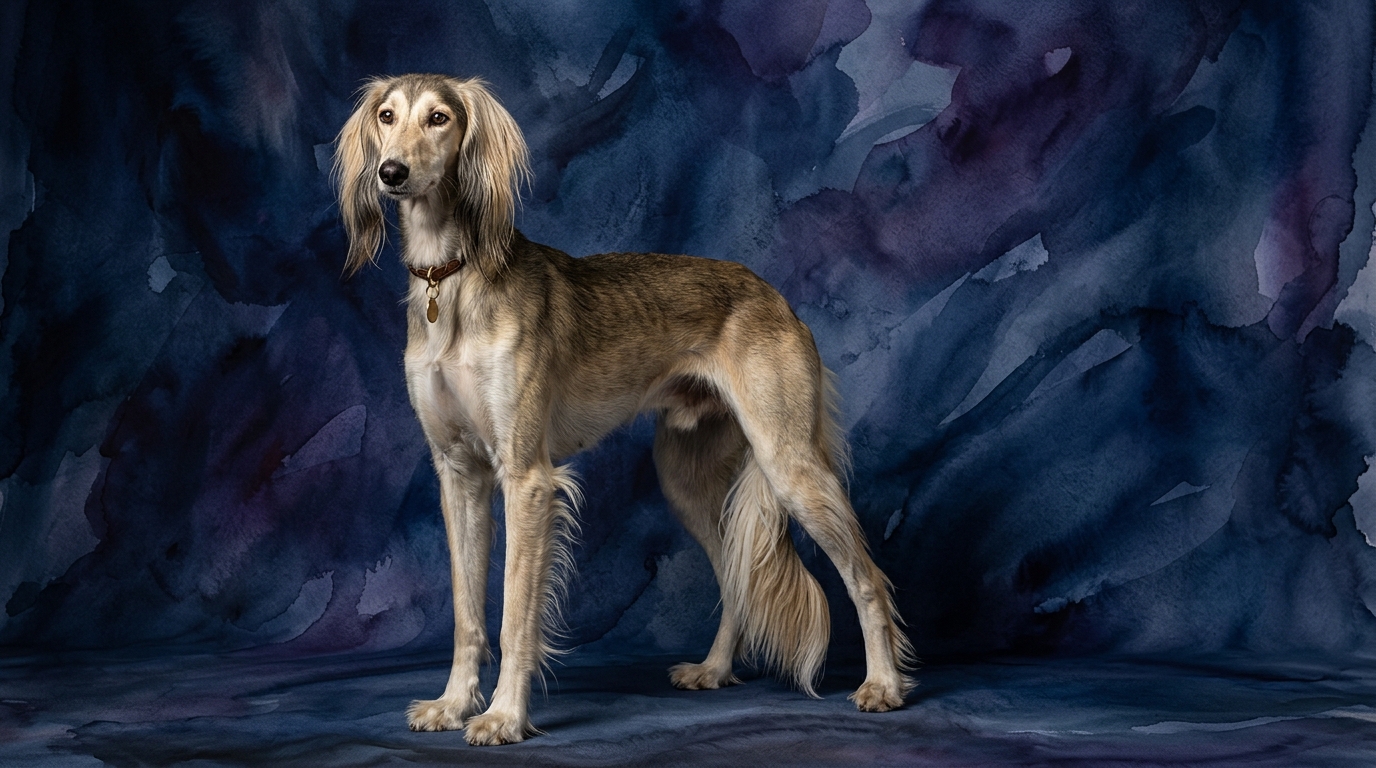
For the Saluki, a sighthound bred for speed and pursuit, a 3/5 in **Problem Solving** indicates an ability to navigate complex environments, such as open fields or varied terrain, to track and capture prey; they are adept at making quick, independent decisions when hunting, but might not excel at abstract puzzle toys in a domestic setting. Their **Training Speed** at 3/5 reflects a moderate willingness to learn, often requiring motivation that appeals to their independent nature or prey drive, rather than eager compliance. **Social Intelligence** at 3/5 means they can form strong bonds with their chosen humans and understand social cues within their pack, though they may be reserved with strangers and less interested in broad social interaction. An **Instinctive Drive** of 3/5 points to their inherent sighthound tendencies – a strong urge to chase fast-moving objects, making them highly reactive to visual stimuli. Finally, their **Memory** at 3/5 suggests they retain learned commands and spatial information adequately, remembering hunting routes or familiar routines, but perhaps without the near-perfect recall of some working breeds.
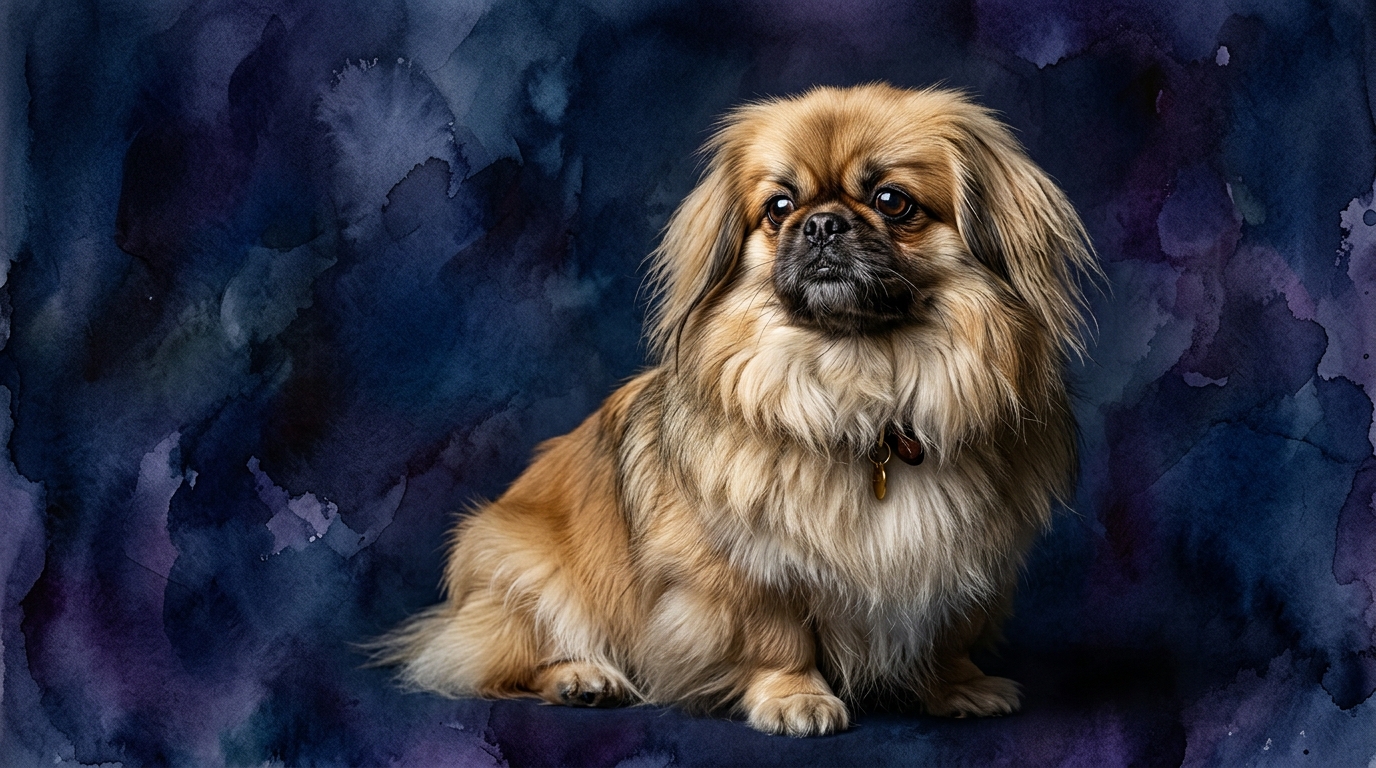
The Pekingese, a toy breed historically revered as a companion, also scores 3/5 across the board, but these scores manifest very differently. Their **Problem Solving** at 3/5 often involves figuring out how to achieve comfort or attention from their owners, perhaps by strategically placing themselves or using vocalizations, rather than solving complex physical puzzles. **Training Speed** at 3/5 indicates they can learn commands, but often with a strong independent streak; they might choose to comply only when it suits them or when sufficiently motivated by treats or affection. Their **Social Intelligence** at 3/5 is highly refined for human interaction within their immediate family, understanding subtle emotional cues and developing deep, devoted bonds, though they can be aloof or even disdainful towards outsiders. An **Instinctive Drive** of 3/5 for a Pekingese speaks less to hunting and more to their inherent protective nature over their domain and loved ones, sometimes displaying a surprising boldness for their size. Their **Memory** at 3/5 means they recall routines, favorite people, and past interactions reliably, allowing them to anticipate daily events and remember who offers the best cuddles or snacks.
Where the Saluki Wins Cognitively
While both breeds share identical numerical scores, the Saluki's cognitive strengths distinctly lean towards independent action and environmental processing. Their 3/5 Problem Solving shines in dynamic, unpredictable scenarios where quick, autonomous decisions are paramount, such as navigating varied terrain at high speeds to pursue a distant target. This isn't about solving a puzzle box for a treat, but rather the split-second calculation of angles, speed, and trajectory necessary for a successful chase. Their Instinctive Drive, also 3/5, fuels this, manifesting as an unparalleled focus on visual stimuli and an immediate, powerful response to movement, a cognitive specialization that few breeds can match. This combination means a Saluki can process complex visual information and execute a sophisticated physical response with remarkable efficiency, a testament to their sighthound heritage.
Where the Pekingese Wins Cognitively
The Pekingese, conversely, demonstrates cognitive prowess in the nuanced realm of social dynamics and domestic life. Their 3/5 Social Intelligence, while numerically similar to the Saluki's, is exquisitely tuned to human companionship. They exhibit a keen ability to read their owners' moods, understand household routines, and even subtly manipulate situations to their advantage for comfort or attention. This isn't about hunting; it's about mastering the art of living harmoniously (or perhaps imperiously) within a human family. Their Problem Solving, also 3/5, often manifests as clever strategies to secure prime napping spots or elicit desired reactions from their people, showcasing a domestic cunning that serves their companion role perfectly. They might not chase a lure, but they can certainly outwit you for that last piece of chicken.
Which is Easier to Train and Why
Despite both breeds having a 3/5 Training Speed, the ease of training varies significantly due to their inherent motivations and temperaments. The Saluki, with its strong independent streak and powerful prey drive, can be a challenge. They often view commands as suggestions, especially if a squirrel or a blowing leaf offers a more compelling alternative. Training a Saluki requires immense patience, positive reinforcement, and finding ways to make training more rewarding than their natural instincts, often incorporating their love for running or chasing in a controlled manner. Their focus is often external, requiring a trainer to compete with the environment.
The Pekingese, while also possessing an independent and sometimes stubborn nature, is generally easier to train for basic household manners and companion behaviors because their motivations are often centered around their human family and personal comfort. They can be quite food-motivated and respond well to praise, but they will likely assess if a command is worth their effort. Their training success often hinges on consistent, gentle methods and understanding that they are not eager-to-please working dogs, but rather partners who expect respect and a clear benefit. Their focus is often internal, requiring a trainer to appeal to their sense of self-importance and comfort.
Which Suits Active Owners vs. Relaxed Owners
For owners with an active lifestyle, the Saluki is generally the more fitting choice. Their 3/5 Instinctive Drive translates into a profound need for regular, vigorous exercise, ideally in a securely fenced area where they can stretch their legs and satisfy their urge to run at incredible speeds. They thrive with owners who understand their sighthound nature and can provide outlets for their physical and mental energy, perhaps through lure coursing or long, brisk walks. Their independence means they don't always demand constant interaction, but they do require consistent activity.
Conversely, the Pekingese is an ideal companion for more relaxed owners. While they enjoy short walks and playtime, their exercise needs are modest, and they are perfectly content to spend most of their day lounging with their family. Their 3/5 Social Intelligence is geared towards close companionship within the home, making them excellent lap dogs who prefer comfort and proximity over strenuous activity. They fit well into quieter households where their dignified presence and affectionate nature can be fully appreciated without the demand for extensive outdoor adventures.
The Verdict
Choose the Saluki if you are an active individual seeking an independent, elegant companion who thrives on speed and needs outlets for their strong sighthound instincts.
Opt for the Pekingese if you desire a devoted, dignified companion for a more relaxed lifestyle, appreciating their nuanced social intelligence and charming, sometimes stubborn, personality.
🧠 Find Your Pet's IQ Score
Our Pet IQ Lab assessment covers 25+ tests across 5 cognitive dimensions — personalized to your breed.
Take the Full IQ Test →Frequently Asked Questions
Do Salukis and Pekingese get along with other pets?
Salukis, due to their prey drive, may not be suitable for homes with small, fast-moving pets unless introduced carefully from a young age. Pekingese can be territorial with other dogs but generally tolerate them if properly socialized, often preferring the company of their human family.
Are Salukis and Pekingese good with children?
Salukis can be gentle with older, respectful children but might be too independent or easily startled by very young, boisterous kids. Pekingese generally prefer a calmer environment and may not tolerate rough play, making them better suited for families with older, considerate children or adult-only homes.
What kind of mental stimulation do these breeds need?
Salukis benefit from activities that engage their sighthound instincts, like lure coursing or scent work, alongside puzzle toys that challenge their problem-solving skills. Pekingese thrive on interactive play with their owners, short training sessions for tricks, and enrichment that appeals to their desire for comfort and attention, such as soft bedding or new toys.