Side-by-Side IQ Profile: Samoyed vs. Bearded Collie
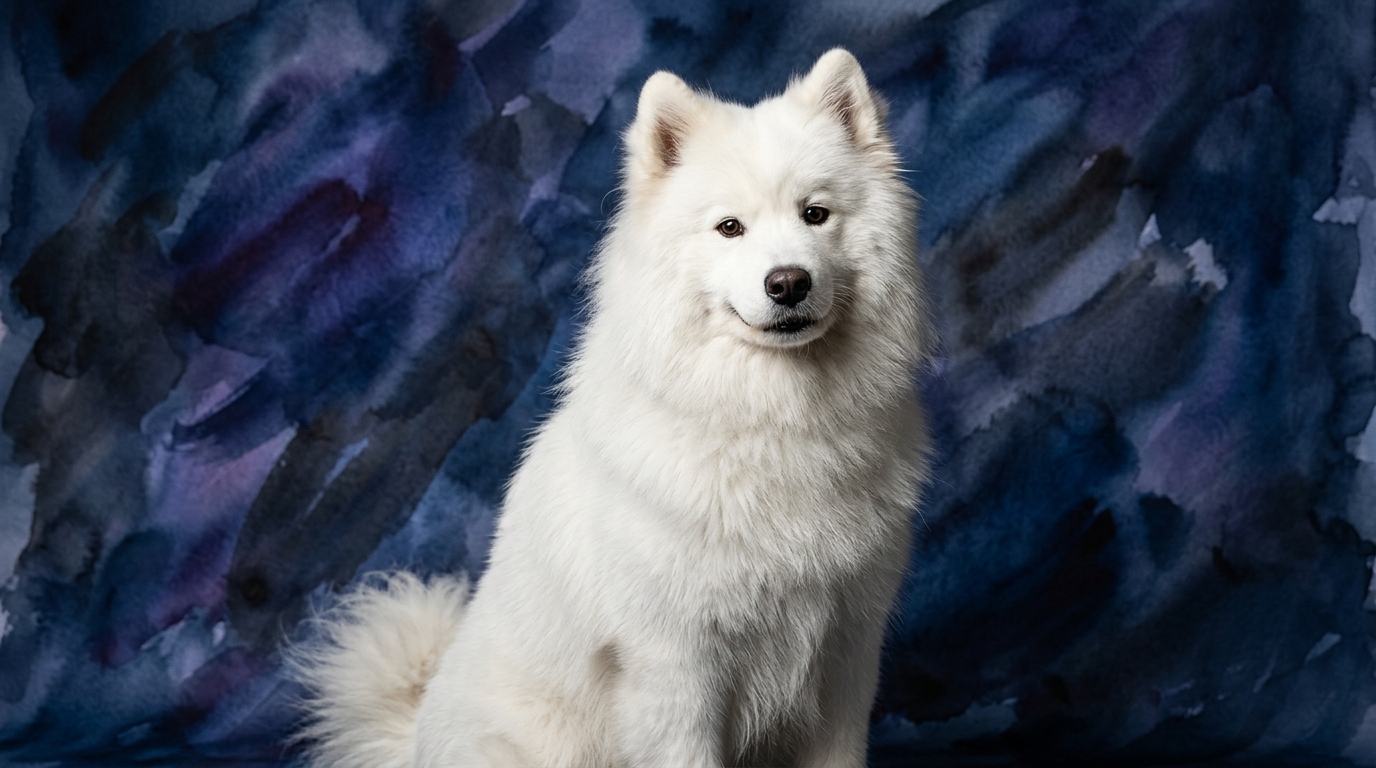
**Samoyed (Working Group, Coren Rank #33)**
**Problem Solving (3/5):** Samoyeds demonstrate moderate proficiency in navigating novel challenges, often relying on learned behaviors rather than spontaneously devising complex strategies. They can overcome obstacles through trial and error, but may require guidance for entirely new situations.
**Training Speed (3/5):** These dogs acquire new commands at a moderate pace. Their independent nature means consistent, patient, and engaging sessions are needed to solidify responses, with positive reinforcement crucial for cooperation.
**Social Intelligence (5/5):** This is a standout strength for the Samoyed. They excel at understanding human emotions, subtle cues, and social dynamics, fostering exceptionally strong, empathetic bonds and often anticipating needs.
**Instinctive Drive (4/5):** Rooted in their heritage as working sled dogs, Samoyeds possess a strong innate drive for activities involving pulling, endurance, and pack cooperation, requiring outlets for purpose-driven tasks and physical exertion.
**Memory (3/5):** Samoyeds exhibit moderate memory recall for commands, routines, and experiences. They remember training and past interactions, but consistent reinforcement helps maintain precision for less frequent instructions.
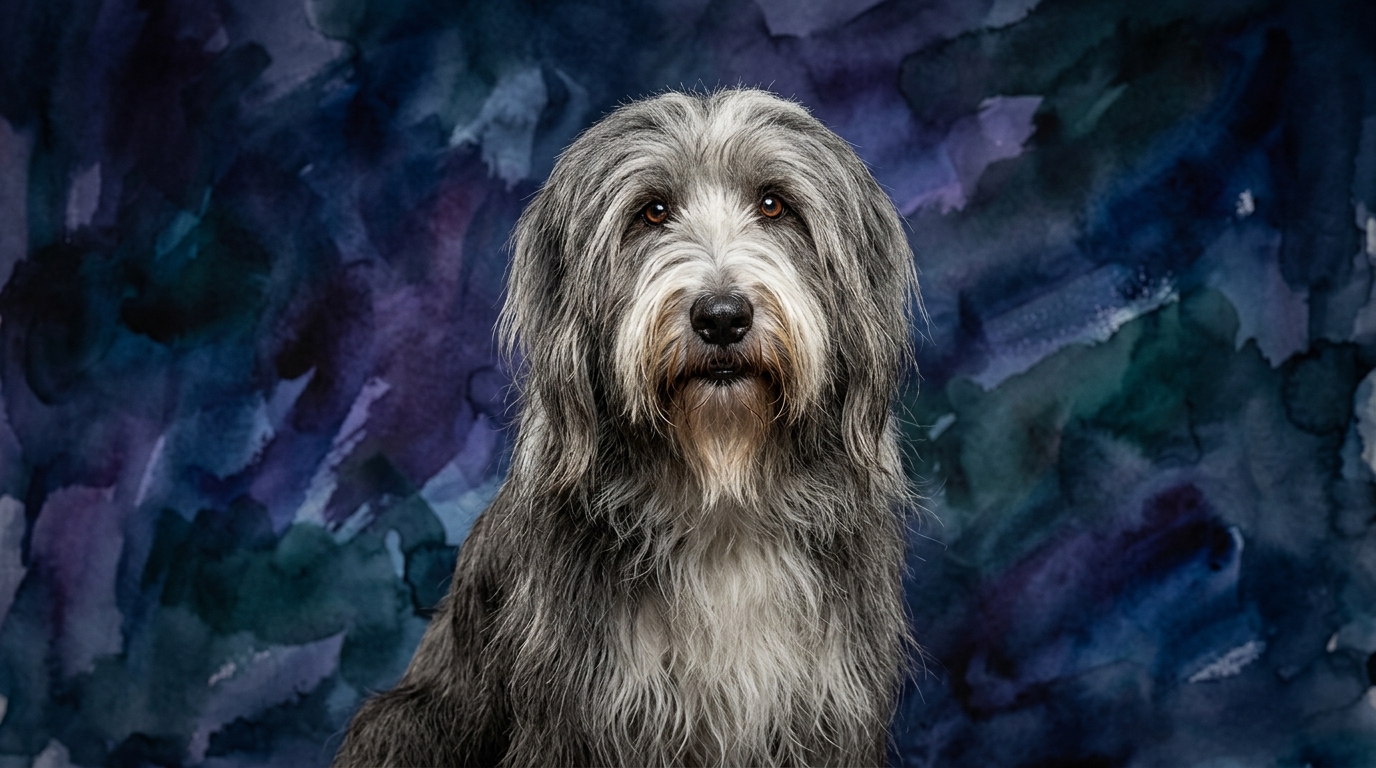
**Bearded Collie (Herding Group, Coren Rank #34)**
**Problem Solving (4/5):** Bearded Collies display a strong capacity for problem-solving, approaching new situations with curiosity and often figuring things out independently. Their herding background fosters adaptable strategies for dynamic environments and challenges.
**Training Speed (4/5):** These energetic dogs are generally quick learners, eagerly absorbing new commands. Their focus and desire to work allow them to pick up complex sequences and respond promptly, thriving on mentally stimulating training.
**Social Intelligence (3/5):** Bearded Collies possess solid social awareness, interacting well with people and other animals. Their social intelligence is more focused on cooperative work and understanding social hierarchies rather than profound emotional attunement.
**Instinctive Drive (3/5):** While originating from a working lineage, the Bearded Collie's instinctive drive is primarily geared towards herding behaviors—gathering and controlling movement. This drive is present but generally less intense than that of a sled dog, often manifesting as a desire for structured activity.
**Memory (4/5):** Bearded Collies demonstrate impressive memory, recalling a vast array of commands, routines, and past experiences with considerable accuracy. This strong memory significantly aids their trainability for complex tasks and builds upon previous learning.
Where the Samoyed Wins Cognitively
Samoyeds truly shine in social intelligence (5/5). Their exceptional capacity to read and respond to human emotions makes them incredibly intuitive companions, often seeming to understand their owner's moods without a word. This deep emotional connection fosters a unique bond, where the Samoyed isn't just a pet but an empathetic family member. Furthermore, their instinctive drive (4/5), rooted in their historical role, gives them a robust desire for purpose and collaborative effort, particularly in activities involving stamina and teamwork. They excel in environments where they can engage in sustained physical activity alongside their human companions, fulfilling their intrinsic need for a job.
Where the Bearded Collie Wins Cognitively
The Bearded Collie demonstrates superior aptitude in problem-solving (4/5) and memory (4/5). Their herding heritage equips them with an inherent ability to assess dynamic situations, adapt strategies, and independently figure out solutions to novel challenges, whether it's navigating an agility course or deciphering a puzzle toy. This cognitive flexibility, combined with their excellent memory, allows them to retain complex sequences and intricate training commands with remarkable consistency. They are adept at building upon previous learning, making them quick studies for advanced tasks and sports. Their training speed (4/5) also surpasses that of the Samoyed, indicating a quicker grasp of new concepts and a more eager response to instruction.
Which is Easier to Train and Why
Based on their IQ profiles, the Bearded Collie generally presents as easier to train due to their higher scores in Training Speed (4/5), Problem Solving (4/5), and Memory (4/5). Their innate desire to work and their capacity to quickly grasp and recall instructions mean they often pick up new commands with fewer repetitions and greater enthusiasm. For instance, a Bearded Collie is more likely to quickly connect a new verbal cue with an action and remember it over time, making progress in obedience or trick training relatively swift.
Conversely, while Samoyeds possess good intelligence, their moderate scores in Training Speed (3/5) and Problem Solving (3/5), coupled with their independent nature, can make training a more patient endeavor. They might require more consistent reinforcement and creative methods to maintain their focus, and their "Sammy smile" can sometimes mask a stubborn streak. While they are highly social and eager to please their people, their strong instinctive drive (4/5) can occasionally override immediate obedience if a more compelling scent or activity presents itself.
Which Suits Active Owners vs. Relaxed Owners
**Active Owners:** Both breeds thrive with active engagement. The Samoyed's strong instinctive drive (4/5) for endurance, coupled with their desire for social companionship, suits owners who enjoy long hikes, running, or sledding-like activities. Their needs lean towards consistent physical and social interaction. The Bearded Collie's higher problem-solving (4/5), training speed (4/5), and memory (4/5) make them exceptionally well-suited for active owners who enjoy dog sports like agility, obedience, or herding trials. These activities deeply engage their quick minds and strong desire to learn and work, requiring both physical and mental stimulation.
**Relaxed Owners:** Neither breed is truly suited for minimal engagement, as both are high-energy dogs. However, if "relaxed" means less structured, high-intensity training, a Samoyed might adapt slightly better to a home focused more on social companionship, provided they still receive ample daily exercise. Their high social intelligence means they are content being with their people, even if activity isn't always highly structured. A Bearded Collie, needing consistent brain work, would likely become bored and potentially destructive without mental engagement, even if physically exercised.
The Verdict
Choose the Samoyed if you seek an exceptionally empathetic, social companion eager for collaborative outdoor adventures and possess the patience for consistent, positive reinforcement training.
Opt for the Bearded Collie if you desire a quick-witted, highly trainable partner for dog sports and complex mental challenges, thriving on structured activity and keen problem-solving.
🧠 Find Your Pet's IQ Score
Our Pet IQ Lab assessment covers 25+ tests across 5 cognitive dimensions — personalized to your breed.
Take the Full IQ Test →Frequently Asked Questions
Do Samoyeds and Bearded Collies need a lot of exercise?
Yes, both breeds are energetic working dogs and require substantial daily exercise. Samoyeds benefit from endurance activities, while Bearded Collies thrive on activities that combine physical exertion with mental challenges, such as dog sports.
Are Samoyeds or Bearded Collies better with children?
Samoyeds, with their high social intelligence and gentle nature, are often excellent with children, forming strong, empathetic bonds. Bearded Collies are also typically good with children, though their herding instincts might lead them to playfully "herd" younger kids, requiring supervision.
Which breed is more vocal?
Samoyeds are known for being quite vocal, often expressing themselves with "Sammy howls" and barks, especially when excited or seeking attention. Bearded Collies can also be vocal, barking to alert or when playing, but generally less prone to the distinctive vocalizations of the Samoyed.