Side-by-Side IQ Profile
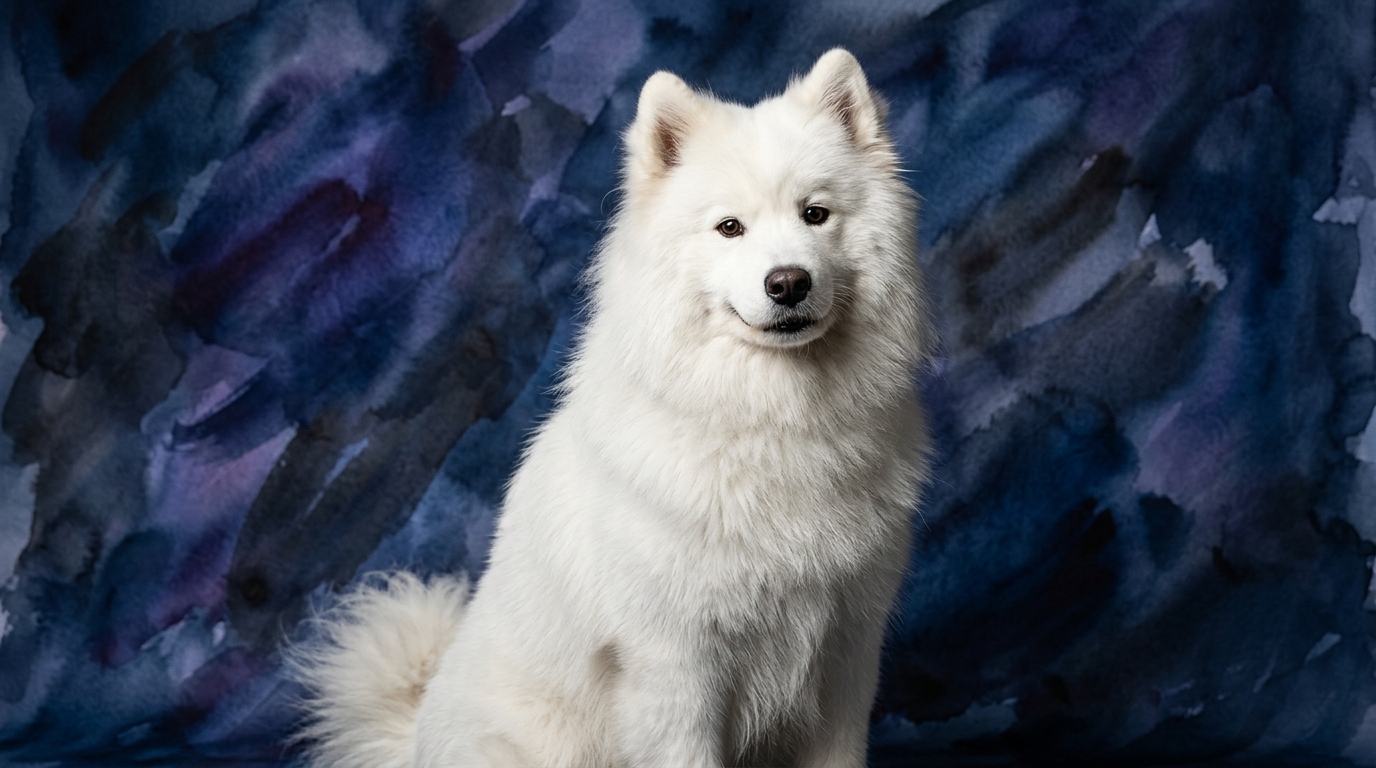
**Samoyed:** These beautiful 'smiling' dogs from the Working Group are Coren-ranked at #33, reflecting their balanced cognitive abilities. They exhibit moderate **Problem Solving (3/5)**, often adept at navigating social puzzles or creatively getting human attention, though less inclined towards abstract tasks. Their **Training Speed (3/5)** is steady, meaning they grasp new commands with consistent, positive reinforcement, often motivated by their desire to please. Where they truly shine is **Social Intelligence (5/5)**; Samoyeds are exceptionally attuned to human emotions and social cues, making them highly empathetic and responsive companions. Their **Instinctive Drive (4/5)** is strong, rooted in their heritage of herding and sled-pulling, showing a cooperative spirit. Finally, their **Memory (3/5)** is moderate, allowing them to retain learned behaviors and significant social interactions effectively.
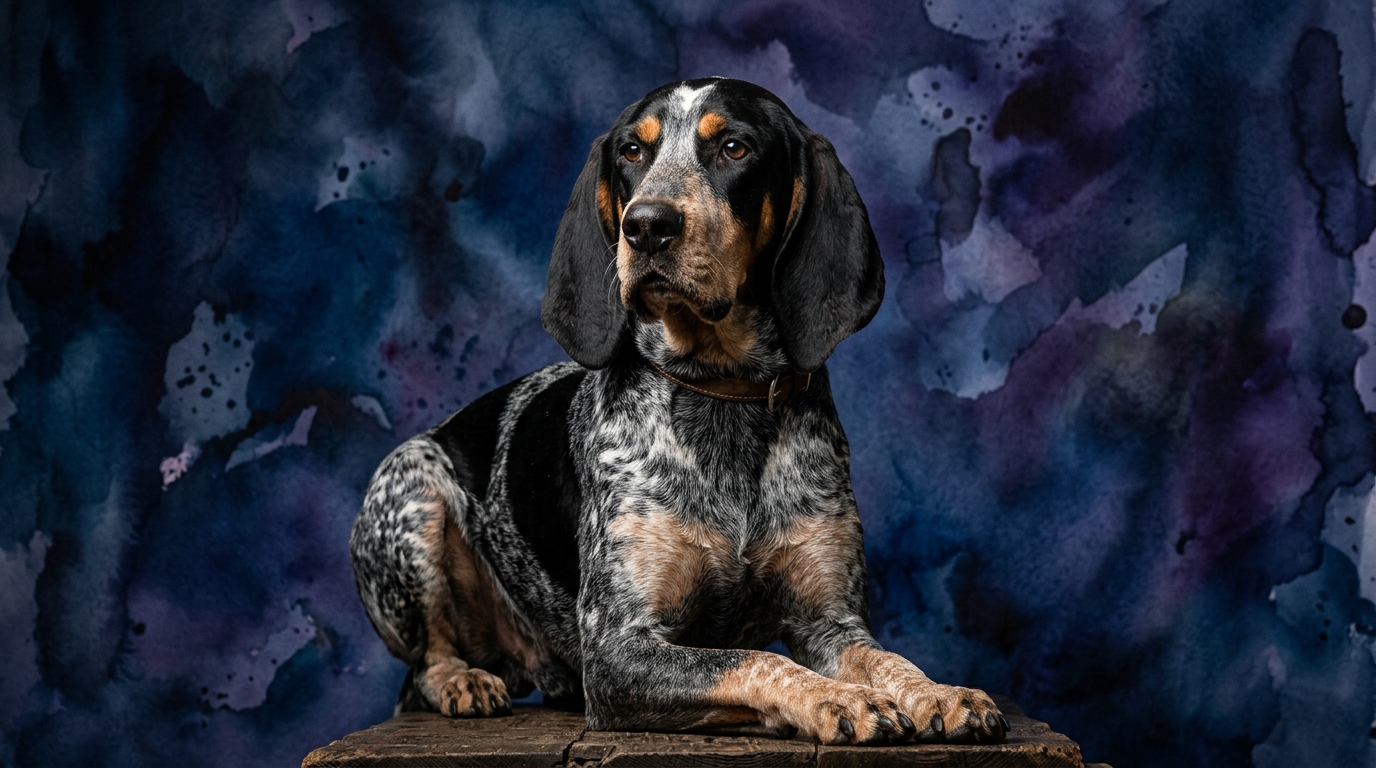
**Bluetick Coonhound:** Hailing from the Hound Group, the Bluetick Coonhound is not Coren-ranked, yet possesses a unique and powerful cognitive makeup. Their **Problem Solving (3/5)** is practical and task-oriented, particularly when it involves deciphering complex scent trails and navigating challenging terrain. Their **Training Speed (3/5)** is consistent, but their independent streak and intense focus on scent can make initial training demanding. **Social Intelligence (3/5)** for Blueticks means they form deep bonds with their families, but may not possess the same nuanced understanding of human social cues as some other breeds, often prioritizing their sensory world. Their **Instinctive Drive (3/5)** is singularly powerful and specialized for scent work, making them tireless and dedicated trackers. Their **Memory (3/5)** is robust, especially for scents, locations, and tracking patterns, which is crucial for their working role.
Where Samoyed Wins Cognitively
The Samoyed's cognitive profile reveals a distinct advantage in the realm of social intelligence, rated at an exceptional 5/5 compared to the Bluetick Coonhound's 3/5. This disparity means Samoyeds are remarkably adept at understanding and responding to human emotions, intentions, and subtle social cues. For instance, a Samoyed is far more likely to instinctively offer comfort to a distressed family member or adjust their behavior based on a slight change in vocal tone or body language, showcasing a profound capacity for empathy and social reciprocity. Their ability to integrate seamlessly into complex family dynamics, often anticipating needs and actively seeking harmonious interaction, sets them apart.
Furthermore, this elevated social understanding often translates into a more adaptable and cooperative demeanor in various social settings. A Samoyed, when properly socialized, tends to navigate interactions with new people or other animals with greater ease, using their keen observational skills to assess situations and respond appropriately. While both breeds value their family, the Samoyed's cognitive framework is more finely tuned to the nuances of human-dog communication, making them exceptionally attuned to their human companions' inner worlds and desires for shared activity.
Where Bluetick Coonhound Wins Cognitively
The Bluetick Coonhound's cognitive strengths lie in a highly specialized and enduring instinctive drive, particularly in the domain of scent work. While their general instinctive drive is rated 3/5, this score belies the sheer intensity and cognitive dedication they apply to tracking. Their olfactory processing and ability to maintain focus on a specific scent trail over vast distances and varied terrains are unmatched by many breeds, including the Samoyed. This isn't just about a good nose; it's a complex cognitive process involving memory of scent patterns, environmental problem-solving to overcome obstacles, and sustained attention.
Their problem-solving ability, also rated 3/5, manifests uniquely within this specialized context. A Bluetick Coonhound will display remarkable cognitive endurance and decision-making when independently unraveling a complex, 'cold' scent puzzle, demonstrating an advanced capacity for independent navigation and strategic thinking in pursuit of a hidden quarry. They are masters of their sensory world, capable of filtering out irrelevant stimuli to concentrate solely on their task. This singular focus and dedication to a specific cognitive task represent a profound strength, allowing them to excel in roles where other breeds might quickly lose interest or become overwhelmed by sensory input.
Which is Easier to Train and Why
When evaluating ease of training, the Samoyed generally holds an advantage, primarily due to their superior social intelligence. Both breeds are rated 3/5 for training speed, indicating they are capable learners, but their motivations and responsiveness differ significantly. The Samoyed's 5/5 social intelligence means they are inherently more inclined to cooperate, respond to human directives, and seek to please their companions. They thrive on praise, connection, and making their human happy, which makes them highly receptive to positive reinforcement-based training. Their strong desire to be an integrated part of the 'pack' means they often view training as a collaborative activity, readily engaging with verbal cues and body language. A Samoyed is more likely to maintain focus on their trainer, even in moderately distracting environments, because their primary drive is social connection.
In contrast, the Bluetick Coonhound's training journey is often more challenging, not due to a lack of learning capacity, but because of their powerful, independent instinctive drive for scent work. Their cognitive focus is intrinsically tied to their nose, meaning that any enticing scent can quickly override learned commands. While they can learn commands at a steady pace, their motivation is often more internal, driven by their own sensory world rather than a strong desire to please a human. This behavioral difference means that trainers must employ immense patience, consistency, and often specialized methods that either leverage their tracking drive or are robust enough to compete with it. A Bluetick might understand 'stay' perfectly indoors but will instantly 'forget' it the moment a compelling scent is detected outdoors, demonstrating a selective attention rooted in their evolutionary purpose.
Which Suits Active Owners vs. Relaxed Owners
Both the Samoyed and the Bluetick Coonhound are breeds that thrive with active engagement, but the nature of that activity differs substantially. For **active owners** who seek a highly interactive and socially engaged companion, the Samoyed is an excellent fit. They flourish with owners who enjoy long walks, hiking, playful romps, and activities that involve their dog as a central social participant, such as dog sports like agility or rally, or even just extensive, interactive playtime in a secure yard. Their energy is often channeled into cooperative exploration and shared experiences with their family, making them ideal partners for adventures where companionship is paramount. Their need for mental stimulation often comes through social games and learning new tricks within a family context.
Conversely, the **Bluetick Coonhound** is best suited for active owners who are prepared for rigorous, sustained physical activity, particularly those interested in deep woods hiking, running, or hunting. Their unparalleled endurance and powerful scent drive mean they require substantial outlets for their tracking instincts. This often translates to long, purposeful walks or runs where they can engage their nose, or participation in activities like tracking trials or field events. Their activity needs are less about social play and more about fulfilling their intrinsic drive to follow a trail, often independently. Neither breed is truly ideal for **relaxed owners** who prefer a low-activity lifestyle. A Samoyed deprived of social interaction and moderate exercise can become bored and potentially destructive or vocal, despite their cooperative nature. A Bluetick Coonhound, without sufficient physical and mental exertion to satisfy their tracking drive, is highly prone to restlessness, excessive barking, and potentially escape attempts as they seek to fulfill their natural inclinations, making them a poor choice for a sedentary household.
The Verdict
If you prioritize a deeply social, empathetic, and cooperative companion who thrives on human interaction, readily engages in shared activities, and offers intuitive emotional support, the Samoyed's exceptional social intelligence makes them an ideal choice.
Opt for the Bluetick Coonhound if you are a dedicated, patient, and highly active owner seeking a dog with unparalleled scent-tracking abilities and remarkable endurance for extensive outdoor adventures, and you appreciate an independent spirit.
🧠 Find Your Pet's IQ Score
Our Pet IQ Lab assessment covers 25+ tests across 5 cognitive dimensions — personalized to your breed.
Take the Full IQ Test →Frequently Asked Questions
Are Samoyeds difficult to train?
Samoyeds are generally considered moderately trainable, especially due to their strong desire to please and high social intelligence. Consistency and positive reinforcement are key to leveraging their cooperative nature effectively, making training a rewarding experience for both dog and owner.
Do Bluetick Coonhounds need a lot of exercise?
Yes, Bluetick Coonhounds require significant daily exercise to satisfy their high energy levels and strong hunting instincts. Long walks, runs, or engaging in scent work are crucial to prevent restlessness and ensure they are mentally and physically stimulated, channeling their intense drive productively.
Which breed is better with children?
The Samoyed's high social intelligence and gentle nature often make them excellent family dogs, typically patient and playful with children when properly socialized and supervised. Bluetick Coonhounds can be good with children too, but their boisterous nature and strong prey drive might require more supervision, especially with very young kids, to ensure harmonious interactions.