Side-by-Side IQ Profile: Samoyed vs. Brussels Griffon
At The Cosmic Pet Pet IQ Lab, we evaluate canine intelligence across five key dimensions. Understanding these scores offers insight into each breed's inherent cognitive strengths and how they might manifest in daily life.
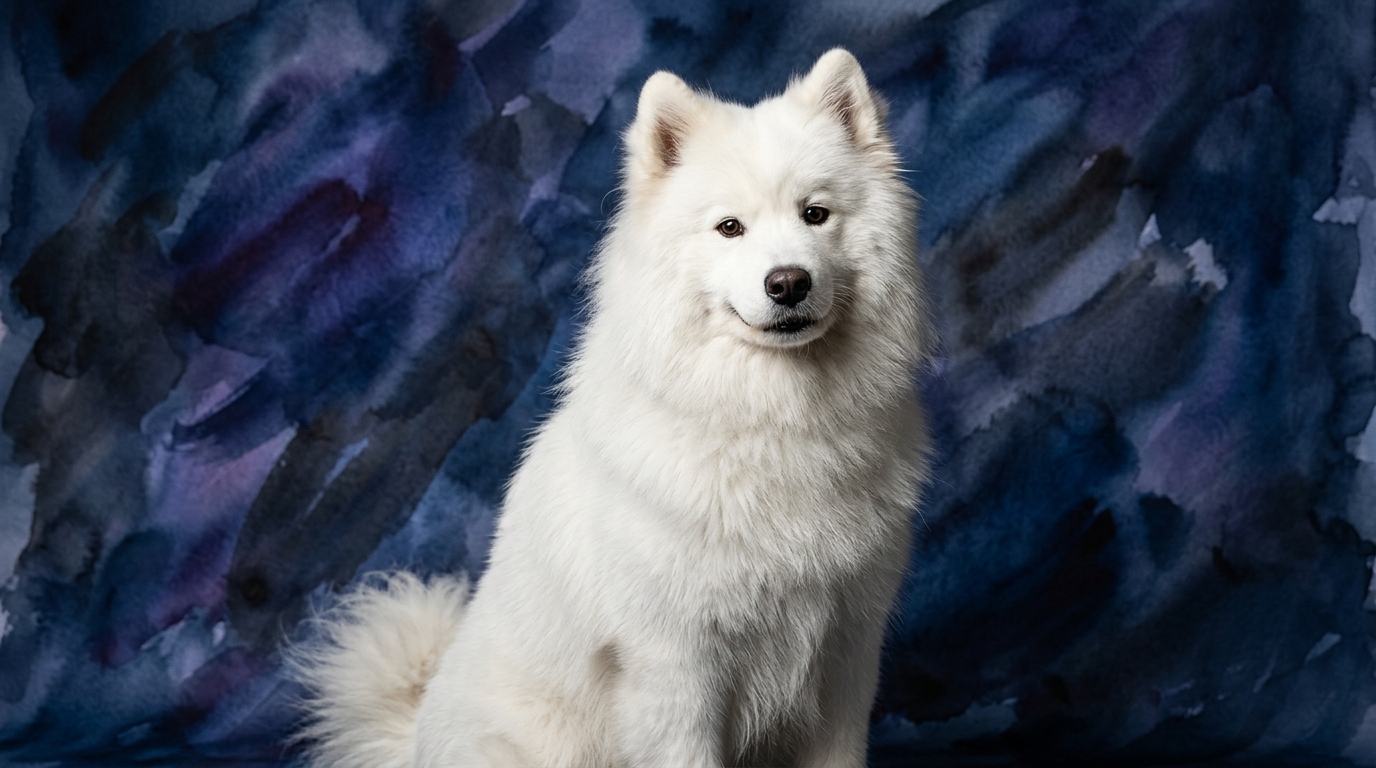
The Samoyed, a robust Working breed ranked #33 by Coren, presents a profile reflecting its ancestral duties. Its problem-solving ability is rated 3/5, indicating a moderate capacity for navigating challenges, often relying on learned patterns rather than spontaneous innovation. Training speed also stands at 3/5, suggesting they grasp commands steadily but require consistent positive reinforcement due to an independent streak. Where they truly shine is social intelligence, scoring an exceptional 5/5, highlighting their deep attunement to human emotions and pack dynamics. Their instinctive drive is strong at 4/5, reflecting a natural inclination for purposeful activity, while memory is a solid 3/5 for retaining routines and commands.
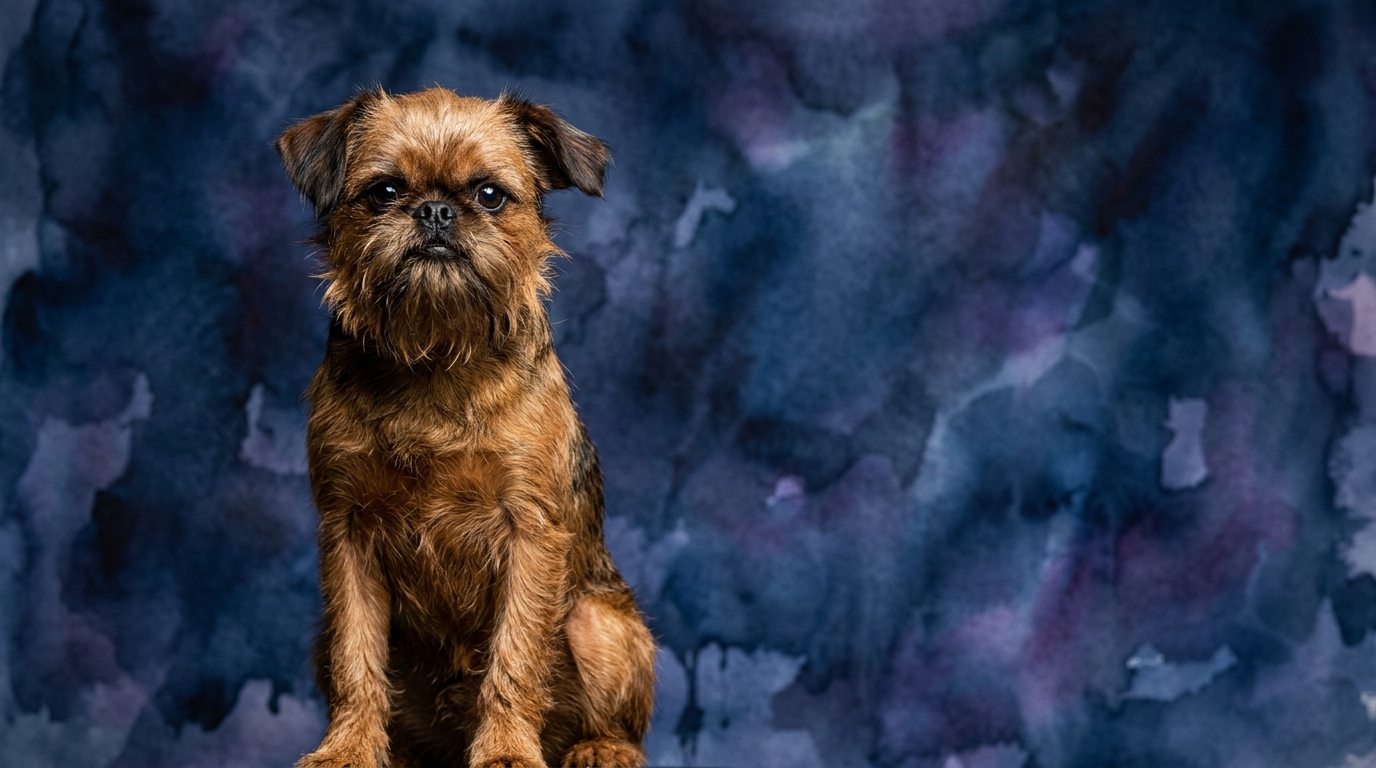
The Brussels Griffon, a charming Toy breed not ranked by Coren, shares some scores but with different underlying expressions. Its problem-solving ability is 3/5, indicating an average capacity for navigating novel situations, often seeking human assistance for complex tasks. Training speed mirrors the Samoyed at 3/5; they learn at a moderate pace but can be opinionated, requiring patience. Social intelligence is 3/5, meaning they are affectionate but more focused on their immediate human companions rather than broad social dynamics. Instinctive drive is 3/5, manifesting as curiosity and a desire for companionship over strong working urges. Memory is also 3/5, allowing them to recall familiar routines and people reliably.
Where the Samoyed Wins Cognitively
The Samoyed's profound social intelligence, rated 5/5 compared to the Brussels Griffon's 3/5, is a clear cognitive advantage. Their historical role as close companions to nomadic people, assisting with herding and sledding, bred a sophisticated capacity to understand and respond to human emotional states and social structures. This isn't merely about affection; it's an advanced ability to read subtle body language, vocal inflections, and even anticipate human intentions. A Samoyed often seems to intuitively know when a family member is distressed and will offer comfort, or when a game is desired, making them remarkably empathetic and collaborative partners in daily life. This deep social attunement contributes significantly to their reputation as 'smiling' dogs who genuinely engage with their human world.
Furthermore, the Samoyed's robust instinctive drive, scoring 4/5 against the Brussels Griffon's 3/5, translates into a powerful cognitive advantage for sustained focus and endurance in purposeful activities. Originating from working lines, they possess an inherent mental fortitude that allows them to maintain concentration on a 'job,' whether it's navigating an agility course, participating in scent work, or engaging in long hikes. This isn't just physical stamina; it's a mental engagement that thrives on having a consistent task or goal. Their minds are wired to find satisfaction in contributing and performing, making them excellent candidates for dog sports or active roles where other breeds might mentally disengage.
Where the Brussels Griffon Wins Cognitively
While their overall social intelligence score is moderate (3/5), the Brussels Griffon's cognitive energy is intensely directed towards forming a singular, devoted bond with their primary human companions. This isn't about reading broad social cues, but about developing an almost hyper-focused understanding of their chosen person's routines, moods, and preferences. They are remarkably adept at discerning their human's needs within that intimate relationship, often becoming a 'velcro dog' whose mental state is deeply intertwined with their owner's presence. This specialized dedication makes them exceptionally responsive and reassuring companions for individuals seeking a profound, personal connection.
With a moderate instinctive drive (3/5), the Brussels Griffon exhibits a cognitive profile that makes them exceptionally well-suited for environments with less external stimulation or demanding tasks. Their minds are not constantly seeking a 'job' or extensive outdoor adventures. Instead, they find mental satisfaction and engagement through intimate indoor play, observation of household activities, and consistent companionship. This adaptability means they are less prone to boredom-induced destructive behaviors in quieter settings, making them mentally content with a lifestyle that prioritizes comfort and close human interaction over vigorous, structured activity.
Which is Easier to Train and Why
Both the Samoyed and Brussels Griffon share a 'Training Speed' score of 3/5, suggesting neither is inherently quicker at learning new commands. However, the *approach* to training and the *types* of behavioral challenges differ significantly due to their distinct cognitive profiles.
The Samoyed, with its high social intelligence and strong instinctive drive, learns best when training is framed as a collaborative, purposeful activity. They understand commands readily, but their independent streak means they might weigh compliance against their own perceived interests. Training a Samoyed requires making the process engaging, leveraging their desire for partnership, and providing clear, consistent positive reinforcement. They thrive on having a 'job' during training, whether it's retrieving, agility, or complex trick sequences, which taps into their innate drive and makes them eager participants. Their social nature means they value praise and connection, but their working dog heritage means they need a *reason* to obey beyond simple instruction.
The Brussels Griffon, possessing a moderate instinctive drive and a concentrated social intelligence, can present a different training challenge. While they are eager to please their favored human, their strong, sometimes stubborn personality can manifest as selective hearing or a 'what's in it for me?' attitude. Consistency, patience, and high-value rewards are paramount. They respond well to making training a focused, positive interaction with their preferred person, where the reward might be a favorite treat, a cherished toy, or simply undivided attention. Their lower drive for a 'job' means they might not be as intrinsically motivated by complex tasks, but their intense desire for human companionship can be a powerful lever for learning basic commands and good manners, provided the handler makes the process enjoyable and rewarding within that intimate bond. Neither breed is 'easy' in the sense of being effortlessly compliant, but their cognitive makeups dictate different motivational strategies for successful training.
Which Suits Active Owners vs. Relaxed Owners
The cognitive differences between these two breeds lead them to thrive in vastly different owner environments. The Samoyed's cognitive profile, characterized by high social intelligence and a strong instinctive drive, makes them an ideal match for active owners who enjoy collaborative activities. Their minds are wired for engagement and purpose; they require consistent mental stimulation that leverages their drive for tasks like hiking, agility, skijoring, or extensive, interactive playtime. Owners who can provide regular, varied outdoor adventures and integrate them deeply into family activities will find a highly engaged, joyful companion whose cognitive needs are met through shared experiences and a sense of purpose.
Conversely, the Brussels Griffon's moderate instinctive drive and intensely focused social intelligence position them as a better fit for more relaxed owners seeking a devoted, close companion without the need for intense, structured activity. While they are playful and enjoy walks, their cognitive makeup allows them to be mentally satisfied by consistent companionship, indoor games, and a predictable routine. They are perfectly content with shorter strolls, puzzle toys, and significant lap time, finding their mental engagement in the intimate interactions with their human family. This makes them particularly well-suited for apartment living or owners with a less strenuous lifestyle who prioritize cuddles and close proximity over rigorous outdoor expeditions.
The Verdict
Opt for a Samoyed if you're an active owner seeking a highly social, purpose-driven companion for outdoor adventures and collaborative activities. Their profound social understanding and strong working drive flourish in an environment that provides consistent mental and physical engagement.
Select a Brussels Griffon if you desire an intensely devoted, charming companion who thrives on close human interaction within a more relaxed, less demanding lifestyle. Their focused affection and adaptability to quieter routines make them ideal for urban or less active homes.
🧠 Find Your Pet's IQ Score
Our Pet IQ Lab assessment covers 25+ tests across 5 cognitive dimensions — personalized to your breed.
Take the Full IQ Test →Frequently Asked Questions
Do Samoyeds shed a lot?
Samoyeds possess a dense double coat that undergoes significant seasonal shedding, often referred to as 'blowing coat,' twice a year. Regular grooming, including daily brushing, is essential to manage this and maintain their coat health.
Are Brussels Griffons good with children?
Brussels Griffons can be good with older, respectful children who understand how to interact gently with a small dog. Due to their delicate size and sometimes sensitive nature, they are generally not recommended for homes with very young or boisterous children who might accidentally injure them.
What are the primary exercise needs for each breed?
Samoyeds require substantial daily exercise, including long walks, runs, or engaging play sessions, to satisfy their strong instinctive drive and prevent boredom. Brussels Griffons, while active indoors, generally need moderate daily exercise like short walks and indoor games to keep them physically and mentally stimulated.