Side-by-Side Cognitive Profiles
The Cosmic Pet Pet IQ Lab assesses canine intelligence across five key dimensions, providing a granular view of each breed's unique cognitive makeup. Understanding these profiles is crucial for appreciating their individual capacities and preferences.
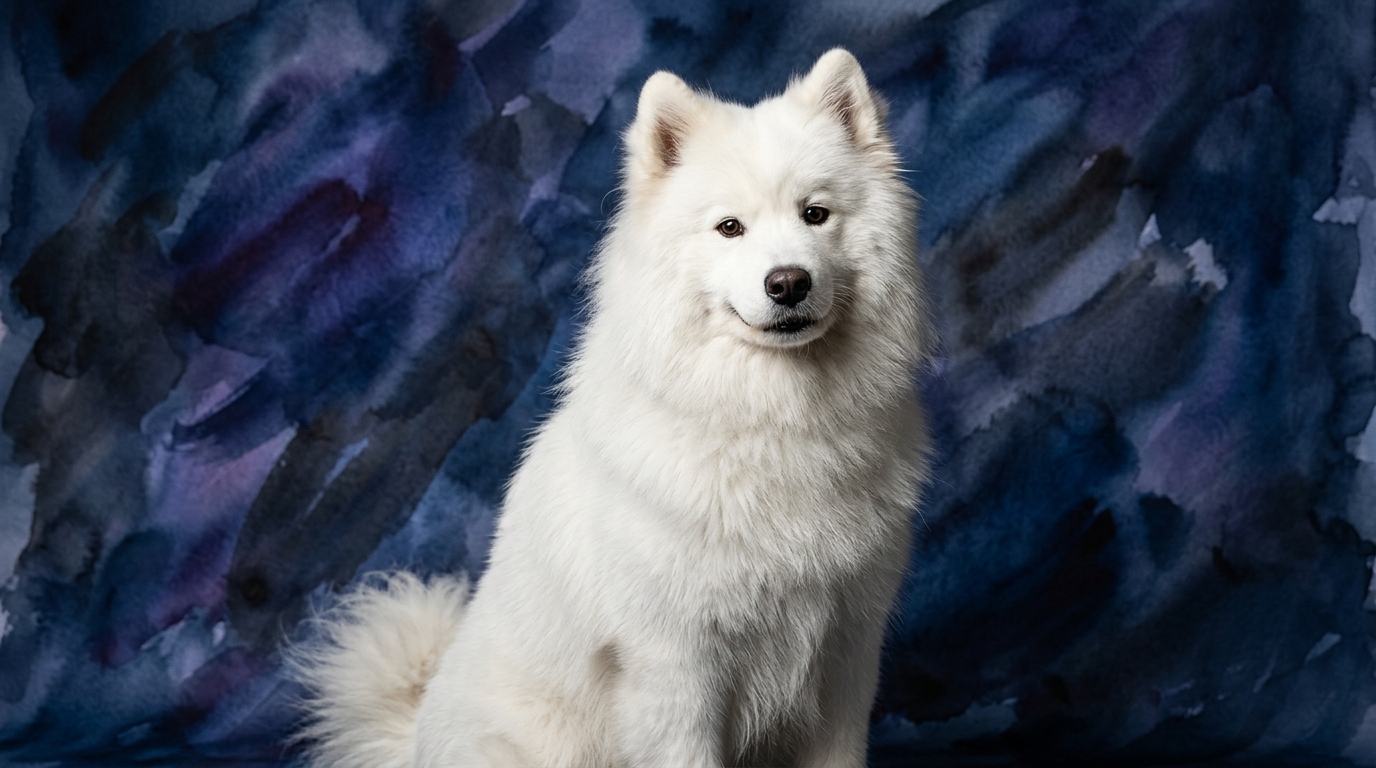
The Samoyed, a Working group breed with a Coren ranking of #33, exhibits a Problem Solving score of 3/5. They are capable of navigating moderately complex tasks but often look to their human companions for guidance and collaborative effort. Their Training Speed is also 3/5, meaning they learn new commands at a steady pace, benefiting greatly from consistent, positive reinforcement methods. Where the Samoyed truly shines is in Social Intelligence, scoring a perfect 5/5, indicating an exceptional capacity for understanding and responding to human emotions, thriving on close companionship. Their Instinctive Drive, rated 4/5, reflects a strong intrinsic motivation for purposeful activity, often involving working alongside humans, such as pulling or participating in active family life. Finally, their Memory is 3/5, allowing them to retain information adequately, though regular refreshers can be beneficial for less frequently used cues.
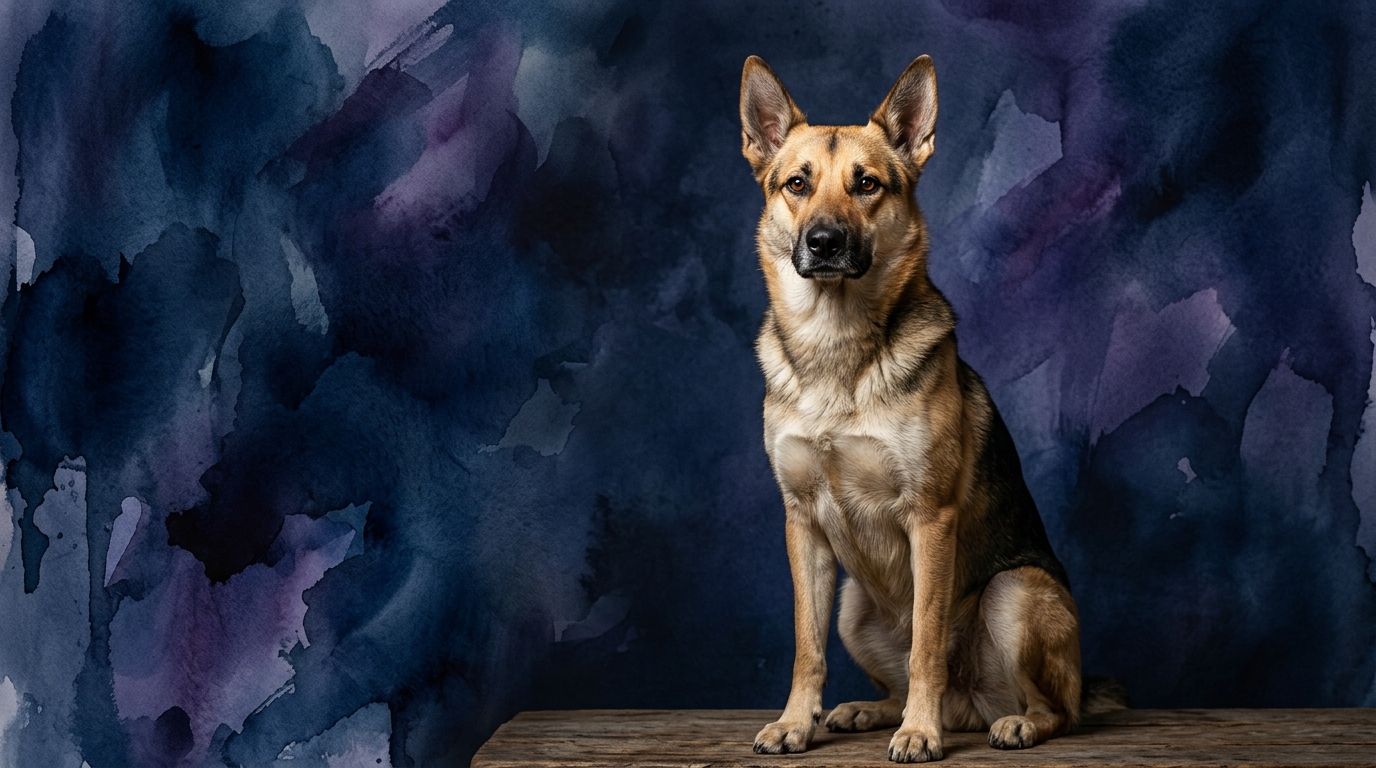
In contrast, the Canaan Dog, a Herding group breed ranked #43 by Coren, shares a similar Problem Solving score of 3/5. However, their approach to challenges is often more independent, finding solutions without direct human intervention, reflecting their ancient, self-reliant heritage. Their Training Speed is also 3/5; while capable learners, their independent nature can make consistent execution challenging, demanding a patient and respectful training approach. The Canaan Dog's Social Intelligence stands at 3/5, signifying that while they form deep, loyal bonds with their immediate family, they are typically reserved and discerning with strangers. Their Instinctive Drive, at 3/5, is characterized by a strong innate vigilance, surveying, and self-preservation, stemming from their desert origins as a primitive breed. The Canaan Dog's Memory, scoring 4/5, is a notable strength, demonstrating impressive long-term retention of experiences, commands, and environmental details, which greatly contributes to their self-sufficiency.
Where the Samoyed Wins Cognitively
The Samoyed's most prominent cognitive advantage lies in its unparalleled Social Intelligence (5/5). This breed possesses an exceptional capacity for understanding and responding to human emotions, making them profoundly intuitive and empathetic companions. Their eagerness to please and strong desire for close partnership means they are keenly attuned to human cues, often anticipating needs or moods without explicit instruction. This deep social connection makes them incredibly responsive to their human family's emotional landscape.
Furthermore, the Samoyed's Instinctive Drive (4/5), as a working dog, is geared towards collaborative effort. They possess a strong intrinsic motivation for purposeful activity that involves working alongside humans, whether it's pulling a sled, participating in agility, or simply being an active partner in daily routines. This drive is not merely about physical exertion but about the shared experience and utility, fostering a sense of purpose and belonging within their human 'pack.' Their cognitive wiring encourages cooperation and active participation in family life, a distinct advantage for owners seeking a truly interactive canine partner.
Where the Canaan Dog Wins Cognitively
The Canaan Dog's cognitive strengths are rooted in its ancient heritage of self-sufficiency. A standout attribute is their superior Memory (4/5). This breed demonstrates impressive long-term retention of information, including complex sequences, environmental layouts, and past experiences. This robust memory is critical for their independent problem-solving and adaptive capabilities, allowing them to learn from previous situations and apply those lessons to new challenges without constant human guidance. It underpins their ability to navigate their surroundings with a deep understanding of cause and effect.
While both breeds score 3/5 in Problem Solving, the Canaan Dog's approach is distinctly independent. Their cognitive process often involves assessing situations and formulating solutions autonomously, rather than seeking human direction. This reflects their primitive breed status, where survival depended on individual resourcefulness and an innate ability to make decisions. They are not simply solving a puzzle; they are often analyzing a situation through the lens of self-preservation and efficiency, leveraging their strong memory to inform their choices. This independent cognitive style provides a unique advantage for owners who appreciate a dog with a strong internal compass and a capacity for self-directed thought.
Which Is Easier to Train and Why
When considering ease of training, the Samoyed generally presents a more straightforward experience for typical obedience commands due to its cognitive profile. With a Social Intelligence of 5/5, Samoyeds possess an innate desire to please and collaborate with their human companions. This strong social drive means they are more receptive to human guidance and respond enthusiastically to positive reinforcement, making the acquisition of new behaviors a more direct and rewarding process. Even with a Training Speed of 3/5, their cooperative nature and intrinsic motivation for shared activities (Instinctive Drive 4/5) smooth the learning curve significantly, as they are eager to engage and work alongside their people.
The Canaan Dog, conversely, offers a different training dynamic. While their Training Speed is also 3/5 and their Memory is a robust 4/5, their Social Intelligence (3/5) and independent Instinctive Drive (3/5) mean they approach training with a more discerning perspective. Canaan Dogs are capable of learning, but their self-reliant nature means they might question commands or choose not to comply if they don't perceive the immediate value or if the training method lacks mutual respect. Training a Canaan Dog demands immense patience, consistency, and a deep understanding of their primitive drives. It's less about pure biddability and more about building a trusting relationship where the dog respects your leadership and understands the purpose of the requested action, rather than simply obeying out of an inherent desire to please.
Suitability for Active vs. Relaxed Owners
The Samoyed is an ideal match for active owners who desire a highly interactive and consistently engaged companion. Their exceptional social intelligence and collaborative instinctive drive mean they thrive on shared adventures, mental stimulation through games, and constant human presence. A Samoyed needs to feel like an integral part of family activities, whether it's hiking, pulling a cart, or simply being the center of attention during playtime. Owners who can provide consistent social interaction, purposeful activities, and integrate their dog into their daily lives will find a deeply rewarding partnership.
The Canaan Dog, while also requiring an active lifestyle, suits owners who appreciate an independent yet profoundly loyal companion. Their strong instinctive drive for vigilance and surveying, coupled with their robust memory, means they benefit from ample space for exercise and mental engagement that taps into their natural instincts for observation and patrolling. While they form deep bonds with their family, they are not as overtly 'needy' for constant interaction as the Samoyed. Canaan Dogs are content to observe their surroundings and operate with a degree of self-sufficiency, making them better suited for owners who can provide structured activity and mental challenges, but also respect a dog with a strong sense of self and an independent streak. They are not 'lap dogs' in the traditional sense but will offer unwavering devotion to their chosen few.
The Verdict
Choose the Samoyed if you seek an exceptionally social, collaborative companion eager to be an active, central part of your family's daily life and activities.
Opt for the Canaan Dog if you appreciate an independent, watchful, and deeply loyal companion who thrives on self-directed activity and forms strong, discerning bonds.
🧠 Find Your Pet's IQ Score
Our Pet IQ Lab assessment covers 25+ tests across 5 cognitive dimensions — personalized to your breed.
Take the Full IQ Test →Frequently Asked Questions
Do Samoyeds or Canaan Dogs learn faster?
Both breeds score 3/5 for Training Speed, indicating a moderate pace of learning new commands. However, the Samoyed's higher social intelligence and desire to please often make the training process feel more direct and cooperative for owners, while the Canaan Dog's independence requires a more patient and understanding approach.
Which breed is more independent?
The Canaan Dog is significantly more independent than the Samoyed. Their cognitive profile, particularly their problem-solving style and lower social intelligence score compared to the Samoyed, reflects a breed that is self-reliant and less reliant on constant human direction or validation.
Which breed needs more mental stimulation?
Both breeds require significant mental stimulation, but in different ways. Samoyeds thrive on interactive, collaborative tasks that engage their social and working drives, while Canaan Dogs benefit from challenges that tap into their independent problem-solving, vigilance, and memory, often involving surveying or 'thinking' for themselves.