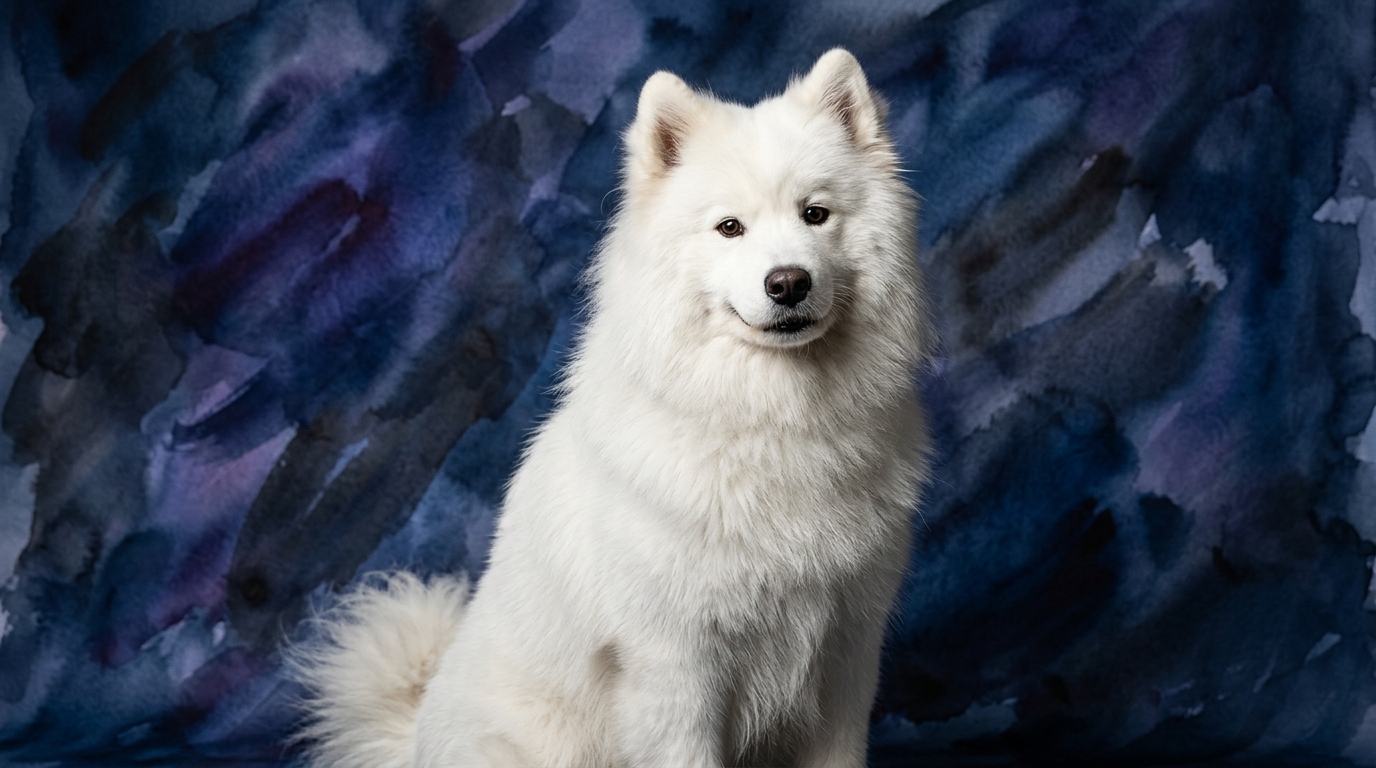

Side-by-Side IQ Profile: Samoyed vs. Dogo Argentino
**Samoyed (Coren Rank #33, Working Group)**
**Problem Solving (3/5):** The Samoyed exhibits a moderate capacity for independent problem-solving, often approaching challenges with a blend of learned behaviors and a desire to collaborate. Their ingenuity frequently shines in tasks that benefit from communication with their human counterparts, rather than purely solitary intellectual puzzles. This score reflects a practical intelligence, geared towards overcoming obstacles within their environment with a cooperative mindset.
**Training Speed (3/5):** Samoyeds possess a moderate training speed, indicating they can grasp new commands and routines effectively, though perhaps not with the lightning quickness of some top-tier obedience breeds. Their willingness to engage and their social nature make them receptive learners, provided the training is engaging, consistent, and positive. They respond well to methods that foster a partnership rather than strict rote memorization.
**Social Intelligence (5/5):** This is where the Samoyed truly shines. Their exceptional social intelligence means they are profoundly attuned to human emotions, body language, and social cues. They excel at forming deep bonds, understanding nuanced interactions, and often seeking to please or comfort. This high score reflects their historical role as close companions and working partners, thriving on connection and mutual understanding within a social unit.
**Instinctive Drive (4/5):** Samoyeds exhibit a strong instinctive drive, rooted in their heritage as sled dogs and reindeer herders. This manifests as a powerful urge to pull, to explore, and sometimes to vocalize, reflecting their ancestral need for purpose and activity. While not typically a prey drive in the same intense way as some hunting breeds, it is a persistent internal motivation for engagement and physical exertion.
**Memory (3/5):** Their memory is robust enough for retaining commands, routines, and social interactions over time. Samoyeds remember people, places, and learned tasks, contributing to their consistency in behavior and their ability to adapt to established household norms. This moderate score indicates reliable recall without necessarily reflecting an exceptional capacity for complex, long-term pattern recognition.
**Dogo Argentino (Working Group, Not Coren-Ranked)**
**Problem Solving (3/5):** The Dogo Argentino also scores a 3/5 in problem-solving, but their approach differs from the Samoyed. Their intelligence is often more practical and goal-oriented, focused on overcoming physical obstacles or strategizing during a hunt. They can assess situations and make independent decisions, especially when their strong protective or hunting instincts are engaged, prioritizing efficiency and resolution.
**Training Speed (3/5):** With a moderate training speed, Dogo Argentinos are capable learners, but their independence and strong will can sometimes present challenges. They require a confident, consistent handler who understands their motivations and can harness their natural drive through clear, fair, and reward-based methods. Once they commit, their retention is solid, but initial buy-in can take patience.
**Social Intelligence (3/5):** Dogo Argentinos exhibit a moderate level of social intelligence. While they form strong bonds with their immediate family, their social circle tends to be more selective, and they may be less overtly expressive or universally friendly than the Samoyed. They understand their family's dynamics and intentions but are often more reserved or watchful in new social situations, reflecting their guardian instincts.
**Instinctive Drive (3/5):** Their instinctive drive, while rated 3/5, is powerfully directed towards their heritage as big-game hunters and guardians. This manifests as focused determination, a strong prey drive, and a protective territorial instinct. It's a drive that requires channeling and responsible management, as it is deeply ingrained and purpose-driven, demanding outlets that respect its intensity.
**Memory (3/5):** Dogo Argentinos possess a reliable memory for training, experiences, and recognizing individuals. They remember routines, boundaries, and who belongs in their inner circle. This memory serves their guardian role well, allowing them to distinguish between familiar and unfamiliar, and to recall past lessons effectively, contributing to their consistent behavior within established parameters.
Where the Samoyed Shines Cognitively
The Samoyed truly excels in the realm of social intelligence, scoring a perfect 5/5. This means they are profoundly adept at reading human emotions, subtle body language, and intricate social dynamics. Their ability to form deep, empathetic connections makes them exceptional companions, often anticipating their owner's needs or moods without explicit commands. This cognitive strength translates into a dog that thrives on interaction and collaboration, seamlessly integrating into family life and responding with nuanced understanding to social cues. Their capacity for cooperative problem-solving, though rated 3/5, is significantly enhanced by this social acuity; they often seek human input or approval when faced with a novel challenge, leveraging their bond to find solutions together. This makes them particularly responsive in environments where partnership is valued over independent, solitary action.
Where the Dogo Argentino Shines Cognitively
The Dogo Argentino's cognitive strengths, while not reflected in higher numerical scores across the board, are deeply rooted in their original purpose: big-game hunting and guardianship. Their problem-solving (3/5) and instinctive drive (3/5) combine to create a highly focused and tenacious approach to tasks requiring determination and physical prowess. They possess a unique ability to assess and react decisively in challenging situations, particularly those involving protection or tracking, where their independent judgment and robust physical capabilities are paramount. This breed demonstrates a quiet, intense focus that allows them to maintain concentration on a task, even amidst distractions, and to execute decisions with unwavering resolve. Their cognitive profile is geared towards steadfast loyalty and purposeful action, often exhibiting a stoic resolve that is less about overt social cues and more about unwavering commitment to their perceived duty.
Which is Easier to Train and Why
Comparing training ease, the Samoyed generally presents a more straightforward experience for the average owner due to their exceptional social intelligence and cooperative nature. Their 5/5 social intelligence means they are eager to engage, understand human intent, and respond positively to encouragement, making them highly receptive to reward-based methods. While their training speed is 3/5, their strong desire to please and bond often outweighs any initial learning curve, leading to quicker integration of commands and routines. They often enjoy the process of learning as a shared activity.
The Dogo Argentino, while also having a 3/5 training speed, requires a more experienced and consistent handler. Their moderate social intelligence (3/5) and strong, independent instinctive drive mean they might question commands or prioritize their own impulses if not given clear, firm, and compelling reasons to comply. Training a Dogo demands patience, unwavering leadership, and a deep understanding of their powerful motivations. They respond best to handlers who can establish trust and respect through fair but assertive guidance, channel their drives into constructive outlets, and avoid repetitive, boring drills that might lead to disengagement.
Which Suits Active Owners vs. Relaxed Owners
For active owners who enjoy outdoor adventures and social interaction, the Samoyed is an excellent match. Their strong instinctive drive (4/5) for activity, combined with their eager-to-please social intelligence (5/5), means they thrive on consistent exercise like hiking, jogging, or participating in dog sports. They are also incredibly social animals who crave companionship and involvement in family activities, making them unsuitable for owners seeking a purely independent pet. A Samoyed requires an owner who can dedicate significant time to both physical stimulation and social engagement, finding joy in a highly interactive and vocal companion.
The Dogo Argentino also demands an active owner, but one whose activity aligns with their specific drives and needs. While they might appear imposing, their instinctive drive (3/5) is focused and requires purposeful outlets, such as structured walks, advanced obedience, or protection work, rather than just casual social outings. They are not suited for "relaxed" owners who prefer a sedentary lifestyle. Dogo Argentinos need consistent physical and mental challenges to prevent boredom and channel their powerful energy constructively. Owners must be prepared for a dedicated training regimen and a breed that, while deeply loyal to its family, might be more reserved with strangers and requires careful socialization and management in public.
The Verdict
Choose the Samoyed if you seek a highly social, empathetic companion eager to be a central part of family life, willing to engage in cooperative activities, and who thrives on consistent interaction and affection.
Choose the Dogo Argentino if you are an experienced, assertive owner prepared to channel a powerful, independent breed with a strong protective instinct into structured activities, valuing unwavering loyalty and a stoic demeanor over constant social overtures.
🧠 Find Your Pet's IQ Score
Our Pet IQ Lab assessment covers 25+ tests across 5 cognitive dimensions — personalized to your breed.
Take the Full IQ Test →Frequently Asked Questions
Are Samoyeds difficult to live with due to their vocal nature?
Samoyeds are indeed known for their vocalizations, often "talking" or "singing" to express themselves, which stems from their strong social intelligence and desire to communicate. While this can be charming, it requires an owner who appreciates this trait and is prepared to manage it through consistent training and providing ample mental and physical stimulation to prevent excessive barking.
How does the Dogo Argentino's protective instinct manifest in daily life?
The Dogo Argentino's protective instinct, a facet of their instinctive drive and moderate social intelligence, typically means they are watchful and discerning regarding strangers and their territory. They are deeply loyal to their family and may act as a deterrent, but proper socialization from a young age is crucial to ensure they differentiate between a perceived threat and a normal visitor, preventing unwarranted aggression.
Can a Dogo Argentino live harmoniously with other pets or children?
With early and consistent socialization, a Dogo Argentino can integrate well into a family with children and other pets, especially if raised with them from puppyhood. Their strong prey drive and protective nature necessitate careful supervision, especially with smaller animals, but their loyalty to their "pack" can extend to all family members when properly managed and trained.