The Cosmic Pet Pet IQ Lab: Side-by-Side Profiles
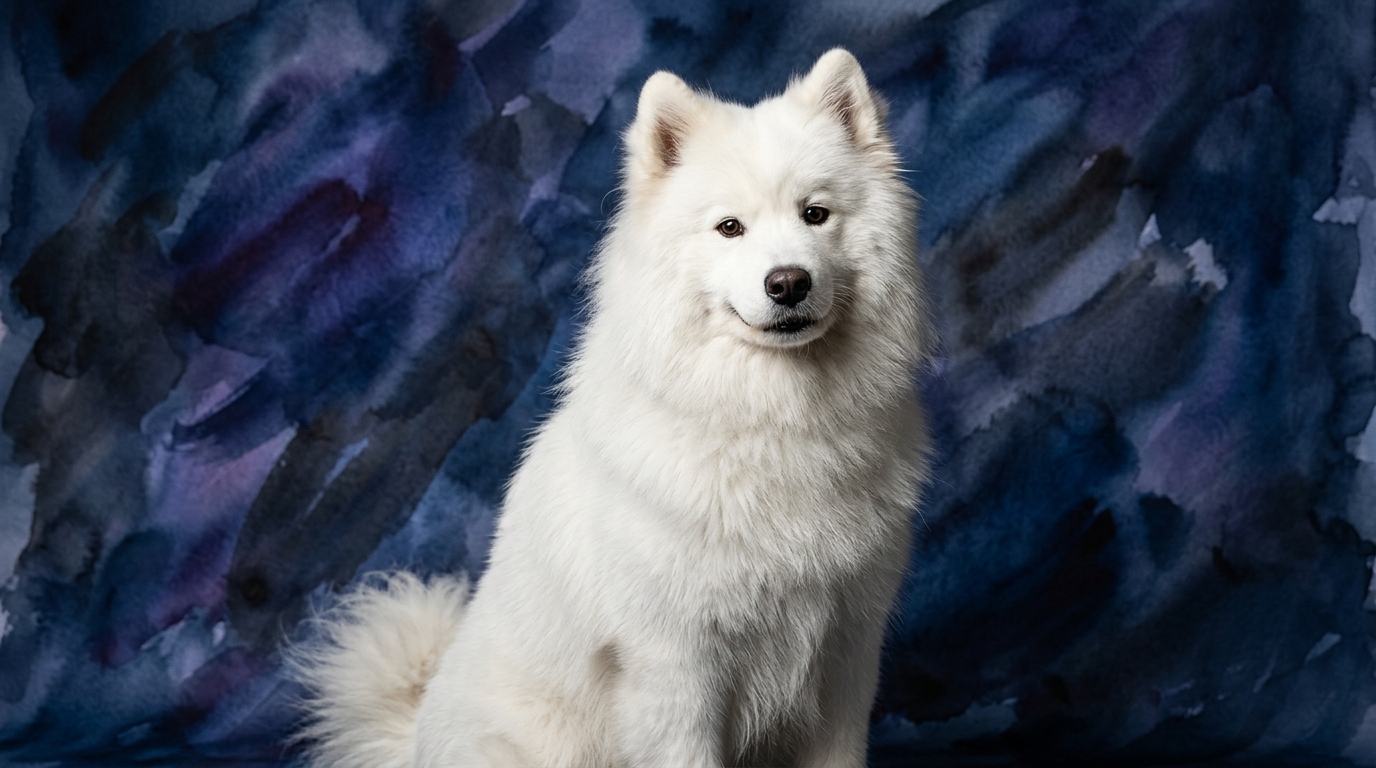
The Cosmic Pet Pet IQ Lab employs a multi-dimensional approach to assess canine cognition, moving beyond simplistic 'smartness' to evaluate specific mental aptitudes. For the Samoyed, a breed historically valued for its working prowess in harsh climates, we observe a nuanced cognitive makeup. Their Problem Solving is rated 3/5, indicating a solid capacity to navigate challenges, though not always with immediate, groundbreaking innovation. Training Speed also stands at 3/5, suggesting they learn commands at a moderate pace, thriving with consistent, engaging methods. Where the Samoyed truly shines is in Social Intelligence, scoring an exceptional 5/5, demonstrating a profound ability to understand and respond to human emotions and social cues. Their Instinctive Drive is strong at 4/5, reflecting deep-seated urges for activity and purpose, while Memory is a steady 3/5, ensuring they retain learned experiences effectively.
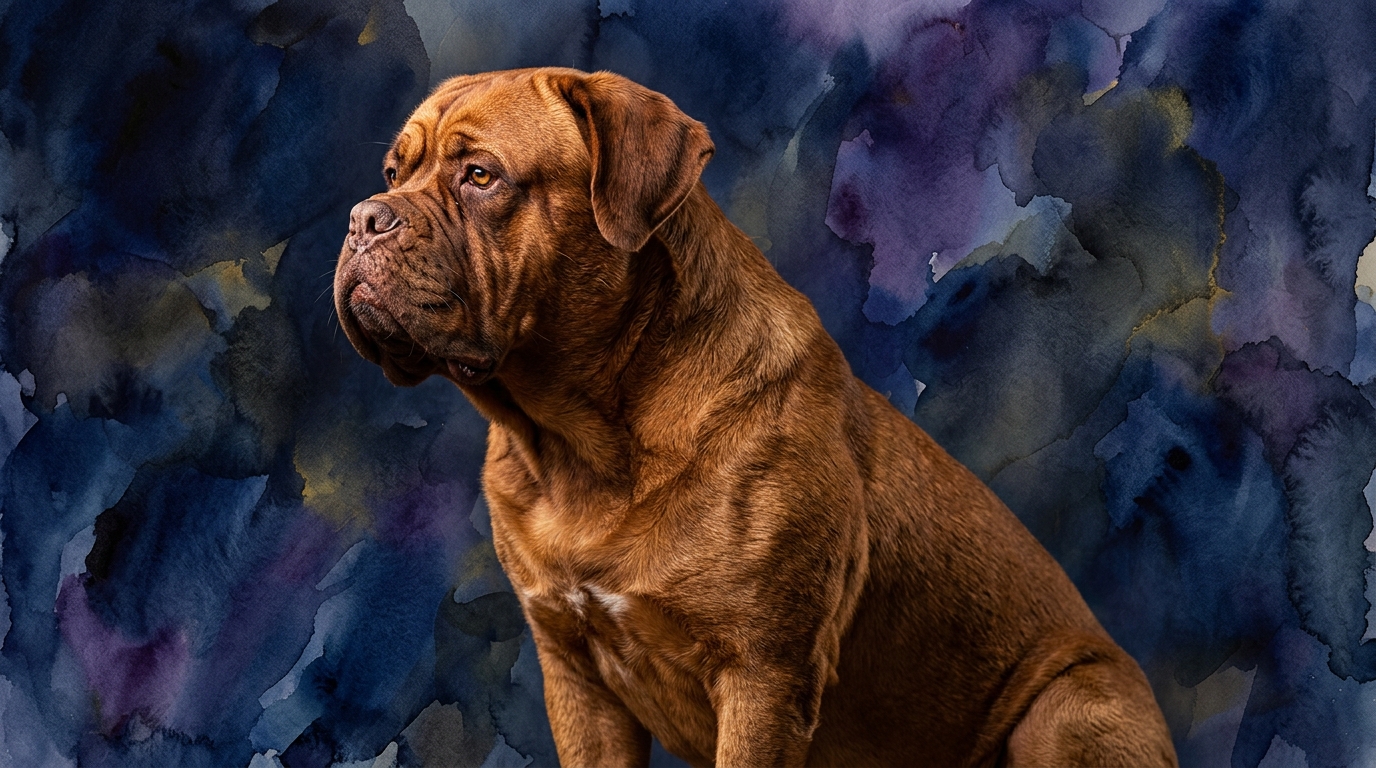
In contrast, the Dogue de Bordeaux, a breed with a formidable guarding heritage, presents a different cognitive signature. Their Problem Solving is also 3/5, indicating a thoughtful, often physical approach to obstacles rather than quick, abstract solutions. Training Speed mirrors the Samoyed at 3/5, meaning they require patience and clear communication, learning steadily but not always with overt eagerness. The Dogue de Bordeaux’s Social Intelligence is rated 3/5, suggesting they are attuned to their immediate family but can be reserved or less overtly expressive with outsiders. Their Instinctive Drive is a moderate 3/5, primarily focused on protection and companionship rather than high-energy tasks. Memory, like the Samoyed, is 3/5, allowing for good retention of routines, boundaries, and familiar faces.
It is also notable that the Samoyed holds a Coren rank of #33 among breeds for working and obedience intelligence, a testament to their general aptitude for human-directed tasks. The Dogue de Bordeaux, while not featured on the Coren ranking, possesses a distinct set of cognitive strengths that are equally valuable, particularly in areas of discernment and unwavering loyalty, which are not always captured by traditional obedience metrics.
Where the Samoyed Wins Cognitively
The Samoyed's cognitive profile reveals distinct advantages, particularly in areas of social acumen and innate drive. Their preeminent Social Intelligence, rated 5/5, sets them apart, allowing for an extraordinary depth of connection and understanding with their human companions. This isn't merely about affection; it's a sophisticated ability to read subtle cues, anticipate intentions, and engage empathetically, making them highly responsive and emotionally resonant family members. They are adept at navigating complex social dynamics within a household, often acting as intuitive participants in daily life.
Furthermore, the Samoyed's higher Instinctive Drive of 4/5, compared to the Dogue de Bordeaux's 3/5, signifies a greater innate desire for engagement and purpose. While this requires appropriate outlets, it also means Samoyeds possess a robust internal motivation for activities like agility, obedience trials, or even therapy work. This drive, coupled with their social intelligence, makes them enthusiastic partners in collaborative tasks, eager to channel their energy into productive and interactive pursuits. Their Coren ranking further underscores a general cognitive readiness for learning and performing tasks when guided by humans, reflecting an overall higher capacity for structured work and responsiveness to training.
Where the Dogue de Bordeaux Wins Cognitively
While the Dogue de Bordeaux's raw scores might not surpass the Samoyed's in any given dimension, their cognitive strengths lie in the cohesive application of their specific traits, particularly in their role as discerning and steadfast guardians. Their Problem Solving (3/5) is characterized by a deliberate, often methodical approach, favoring careful consideration over impulsive action. This steady temperament, combined with a moderate Instinctive Drive (3/5) focused primarily on protection, translates into a reliable and unwavering presence, a form of practical intelligence crucial for their historical purpose.
The Dogue de Bordeaux's Social Intelligence of 3/5, while not as overtly expressive as the Samoyed's, contributes to a deep, focused loyalty within their immediate family. This isn't a lack of social connection, but rather a more selective and discerning bond, allowing them to accurately assess threats and discern friend from foe. Their memory (3/5) is robust in recognizing familiar faces, territories, and routines, which is fundamental to their protective instincts. Their cognitive 'win' is in their consistent, unwavering judgment and profound devotion, a specific blend of traits that creates an exceptionally reliable and calm companion who excels in providing a secure and stable presence, rather than demonstrating flashy intellectual feats.
Which is Easier to Train and Why
Both the Samoyed and the Dogue de Bordeaux share a Training Speed rating of 3/5, suggesting neither breed is inherently a 'quick study' in the same vein as some herding breeds. However, the Samoyed's significantly higher Social Intelligence (5/5) often translates into an easier and more rewarding training experience. Samoyeds are inherently more attuned to human cues and desires, often eager to please and collaborative in their learning. Their higher Instinctive Drive (4/5) means they have energy and motivation that can be effectively channeled into training sessions, making them enthusiastic participants when properly engaged, though their independent spirit can sometimes lead to playful distraction.
Conversely, the Dogue de Bordeaux, with a Social Intelligence of 3/5, may require more patience and a different training approach. They are less overtly driven to please and might be more selective in their cooperation, demanding a trainer who understands their independent and thoughtful nature. Their moderate Instinctive Drive (3/5) means they might not be as enthusiastic about repetitive, high-energy training drills. Successful training with a Dogue de Bordeaux hinges on consistency, clear communication, and making the learning process engaging and relevant to their desire for companionship and routine, often responding best to calm, firm guidance that respects their discerning temperament. While both need consistency, the Samoyed's social responsiveness often makes them feel more like an active partner in the training process.
Which Suits Active Owners vs. Relaxed Owners
The choice between a Samoyed and a Dogue de Bordeaux often comes down to an owner's lifestyle and their capacity for engagement. The Samoyed, with its high Instinctive Drive (4/5) and exceptional Social Intelligence (5/5), thrives with active owners who can provide consistent mental and physical stimulation. They are not content to be mere couch potatoes; their cognitive profile indicates a need for purposeful activity, whether it's daily long walks, hiking, dog sports, or interactive play. Owners who enjoy integrating their dog into all aspects of an active family life, providing ample opportunities for social interaction and training challenges, will find the Samoyed a fulfilling and joyful companion.
The Dogue de Bordeaux, on the other hand, with its moderate Instinctive Drive (3/5) and Social Intelligence (3/5), is generally better suited for owners who appreciate a more relaxed, yet still engaged, pace. While they certainly require regular, moderate exercise to maintain their health and well-being, they are less demanding of constant, high-energy activities than the Samoyed. Their contentment often stems from being a steadfast, watchful presence by their family's side. Owners who prefer a calm, devoted companion for walks, quiet evenings, and consistent companionship, rather than an intense activity partner, will find the Dogue de Bordeaux's cognitive makeup aligns perfectly with a more tranquil household, provided their need for strong leadership and consistent socialization is met.
The Verdict
Choose the Samoyed if you seek an engaging, highly social companion who thrives on active participation in family life, mental stimulation, and consistent training challenges.
Opt for the Dogue de Bordeaux if you appreciate a steadfast, discerning guardian with a calm demeanor, requiring moderate exercise and a strong, consistent bond with their family over high-octane activities.
🧠 Find Your Pet's IQ Score
Our Pet IQ Lab assessment covers 25+ tests across 5 cognitive dimensions — personalized to your breed.
Take the Full IQ Test →Frequently Asked Questions
Are Samoyeds prone to excessive barking?
Samoyeds are known to be vocal, using barks and 'Sammy smiles' to communicate. Their high social intelligence often means they vocalize when seeking attention or expressing excitement, requiring consistent training to manage.
Do Dogue de Bordeaux require a lot of grooming?
Dogue de Bordeaux have short, low-maintenance coats that require minimal grooming, typically just a weekly brush. However, their facial folds need regular cleaning to prevent skin irritation and infections.
Which breed is better for families with young children?
Both breeds can be excellent family dogs with proper socialization. The Samoyed's higher social intelligence and playful nature often make them naturally tolerant and gentle with children, while the Dogue de Bordeaux's calm, protective instincts can also make them good, albeit more reserved, family guardians, requiring supervision due to their size.