
Side-by-Side IQ Profile: A Tale of Two Cognitive Worlds
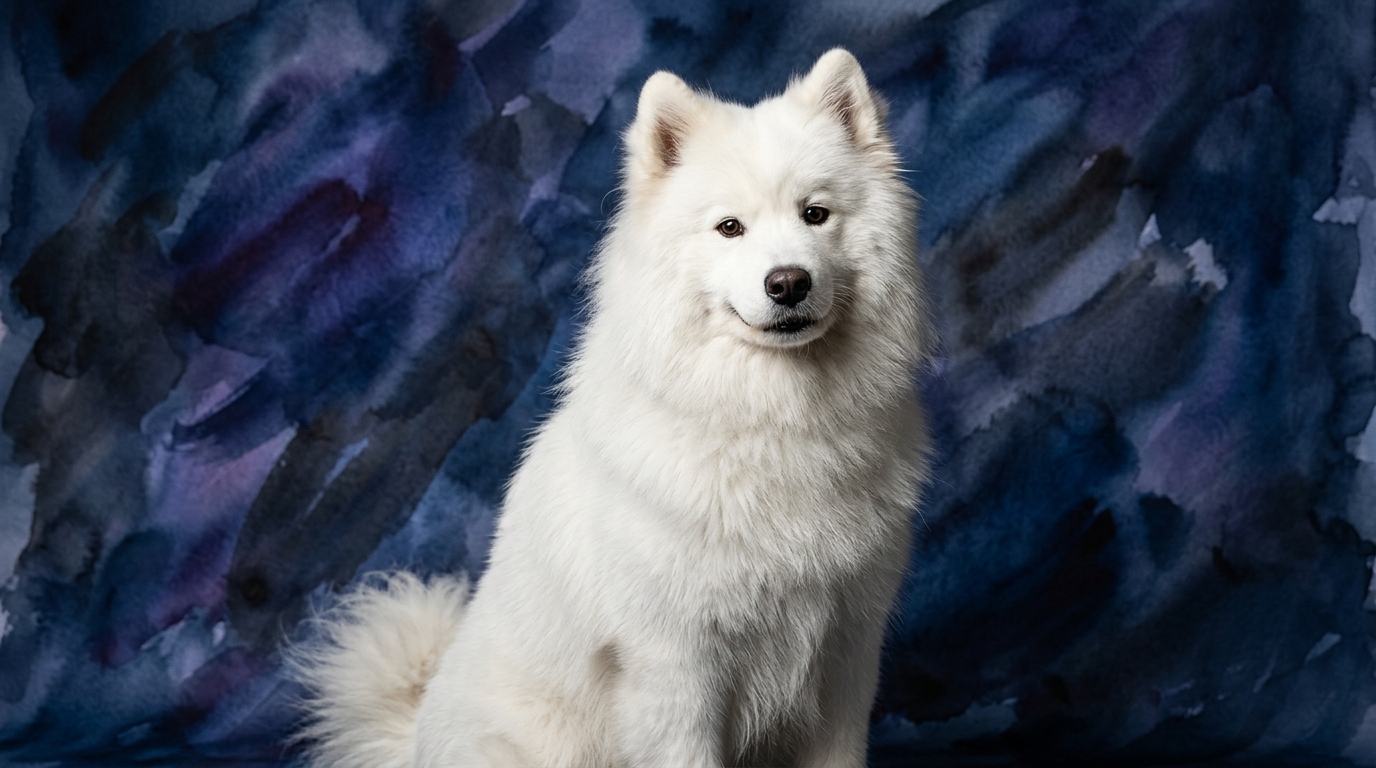
Hailing from the Working Group, the Samoyed's cognitive profile is shaped by centuries of demanding tasks in the Arctic. Their Problem Solving is rated 3/5, indicating a solid capacity to navigate challenges, often with an independent streak that reflects their past role as herders and sled pullers rather than strict obedience partners. Training Speed also sits at 3/5; while capable of learning quickly, their self-reliant nature means they often need compelling reasons and consistent motivation to comply. Where the Samoyed truly shines is in Social Intelligence, earning a remarkable 5/5. These dogs are incredibly attuned to human emotions and family dynamics, fostering deep, empathetic bonds. Their Instinctive Drive is strong at 4/5, manifesting as a propensity for vocalization, chasing, and a natural guarding instinct, all remnants of their working heritage. Memory is rated 3/5, suggesting they retain information adequately with regular reinforcement.
A cherished member of the Toy Group, the English Toy Spaniel (often called a King Charles Spaniel in some regions) embodies the role of a devoted companion. Their Problem Solving scores 3/5, meaning they can certainly figure out their environment and routines, though their challenges are typically less about navigating complex physical tasks and more about understanding household dynamics. Training Speed is also 3/5; they are receptive to learning, but their focus can be fleeting, requiring patient and engaging methods. Social Intelligence for this breed is 3/5; they are affectionate and bond closely with their chosen humans, but perhaps without the broad, nuanced understanding of a large pack's emotional landscape seen in working breeds. Their Instinctive Drive is rated 3/5, leaning towards moderate curiosity and a desire for comfort over strong prey or guarding impulses. Memory, like the Samoyed, stands at 3/5, indicating a capacity for learning and remembering routines, provided they are reinforced.
Where the Samoyed Wins Cognitively
The Samoyed's cognitive strengths distinctly lie in their exceptional Social Intelligence and robust Instinctive Drive. A 5/5 in Social Intelligence means these dogs possess an uncanny ability to read and respond to human emotions, making them profoundly empathetic companions. They excel at understanding complex family dynamics, often acting as sensitive barometers for the household's mood and needs, which is a key trait for a breed originally tasked with living in close quarters with nomadic tribes. This deep social awareness facilitates strong, reciprocal bonds, allowing them to anticipate human actions and respond with remarkable intuition. Their 4/5 Instinctive Drive, while presenting training challenges, also signifies a powerful inherent motivation and resilience. This drive makes them naturally adventurous and capable of sustained effort, whether it’s exploring new environments or engaging in vigorous play. This manifests as a strong sense of purpose, a characteristic that requires thoughtful channeling but can be incredibly rewarding for owners seeking a dog with an inherent zest for life and a strong connection to their ancestral roles.
Where the English Toy Spaniel Wins Cognitively
While the English Toy Spaniel may not boast the same broad social awareness as the Samoyed, their cognitive strengths are perfectly tailored to their role as dedicated companions. Their 3/5 in Problem Solving, combined with a 3/5 in Training Speed and Memory, means they are perfectly capable of mastering the routines and expectations of a domestic environment, often with a subtle charm. Their “win” isn't in outperforming, but in their optimized cognitive profile for comfort and companionship. They excel at learning the nuances of a relaxed household, understanding subtle cues for cuddle time or quiet play. Their moderate Instinctive Drive (3/5) means they are generally less prone to independent pursuits that might conflict with human comfort, preferring instead to be close by. This lower drive translates to a generally calmer demeanor and a reduced urge to roam or engage in intense working behaviors, making them inherently easier to integrate into a tranquil home life. Their cognitive resources are effectively channeled into forming deep, albeit often singular, attachments and maintaining a harmonious presence.
Which is Easier to Train and Why
Despite both breeds scoring 3/5 in Training Speed and Problem Solving, the English Toy Spaniel is generally perceived as easier to train for typical household obedience, primarily due to differences in Social Intelligence and Instinctive Drive. The Samoyed's high Social Intelligence (5/5) means they understand human intent deeply, but their strong Instinctive Drive (4/5) and independent problem-solving approach often lead them to question *why* they should comply if it doesn't align with their own perceived benefit or ancestral programming. This isn't stubbornness, but a self-reliant nature; they will learn, but often require more compelling motivation and consistent, engaging methods to overcome their natural inclinations to vocalize, herd, or explore independently. In contrast, the English Toy Spaniel's moderate Instinctive Drive (3/5) means fewer strong, independent urges to contend with. While their Social Intelligence is lower (3/5), they are typically eager to please their primary human and thrive on positive reinforcement and affection, making them more pliable for basic obedience and house manners. Their smaller size also means their less-than-perfect obedience is often more manageable than a large, independent Samoyed.
Which Suits Active Owners vs. Relaxed Owners
The cognitive profiles of these two breeds clearly delineate their suitability for different lifestyles. The Samoyed, with its 4/5 Instinctive Drive and 3/5 Problem Solving, thrives with active owners who can provide ample mental and physical engagement. Their historical role as working dogs means they possess a deep-seated need for purpose and activity. Owners who enjoy hiking, dog sports like agility, or even consistent training for advanced obedience will find the Samoyed a willing, albeit occasionally independent, partner. Their high Social Intelligence (5/5) also means they benefit greatly from owners who understand and appreciate their empathetic nature, integrating them fully into family activities rather than leaving them isolated. Conversely, the English Toy Spaniel, with its moderate 3/5 scores across most cognitive dimensions and lower Instinctive Drive, is an ideal fit for relaxed owners seeking a devoted lap companion. They are content with shorter, leisurely strolls and thrive on consistent human companionship within the home. Their cognitive energy is best spent on social interaction with their immediate family and gentle play, rather than strenuous physical or complex mental tasks, making them perfect for those who prefer a quieter, more intimate canine presence.
The Verdict
Choose the Samoyed if you are an active, empathetic owner prepared to channel a powerful, socially astute working dog's energy and independence into a rewarding partnership.
Opt for the English Toy Spaniel if you seek a gentle, devoted companion for a relaxed lifestyle, valuing quiet affection and a manageable temperament above intense activity.
🧠 Find Your Pet's IQ Score
Our Pet IQ Lab assessment covers 25+ tests across 5 cognitive dimensions — personalized to your breed.
Take the Full IQ Test →Frequently Asked Questions
Is a Samoyed harder to train than an English Toy Spaniel?
Generally, yes, for typical obedience. While both have similar Training Speed aptitude (3/5), the Samoyed's strong independent drive and working dog instincts mean they often require more consistent, creative, and highly motivating training to achieve compliance compared to the more amenable English Toy Spaniel.
Do English Toy Spaniels understand human emotions well?
English Toy Spaniels demonstrate good social awareness (3/5), forming strong bonds and recognizing familiar moods. While they may not read the broad spectrum of human emotions with the same depth as a Samoyed, they are excellent at discerning their primary owner's emotional state, particularly when it affects their comfort or routine.
Which breed is better for a first-time dog owner?
For a first-time owner, the English Toy Spaniel is often a more manageable choice due to their lower energy levels and generally less demanding cognitive needs regarding training and engagement. The Samoyed's strong drives and independent nature can be challenging for inexperienced owners to consistently manage without prior dog ownership experience.