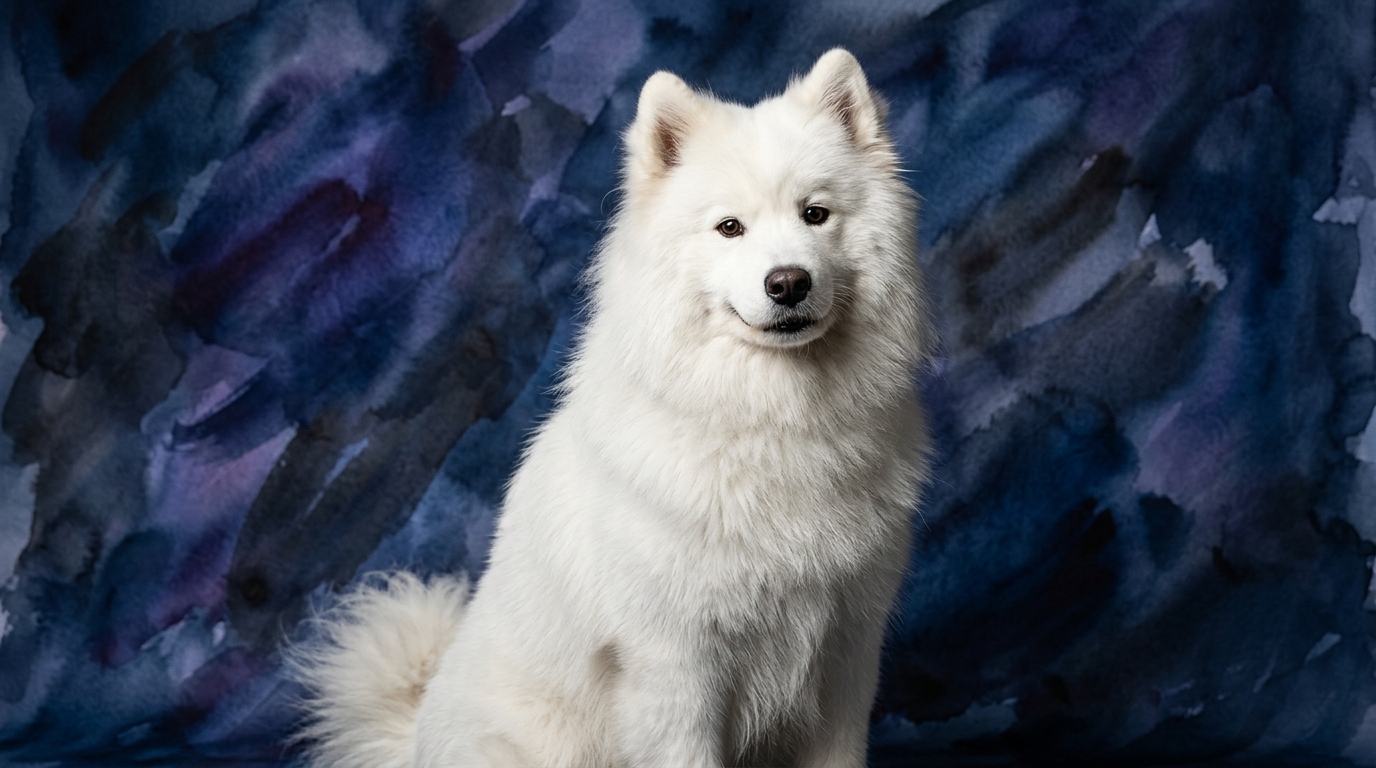
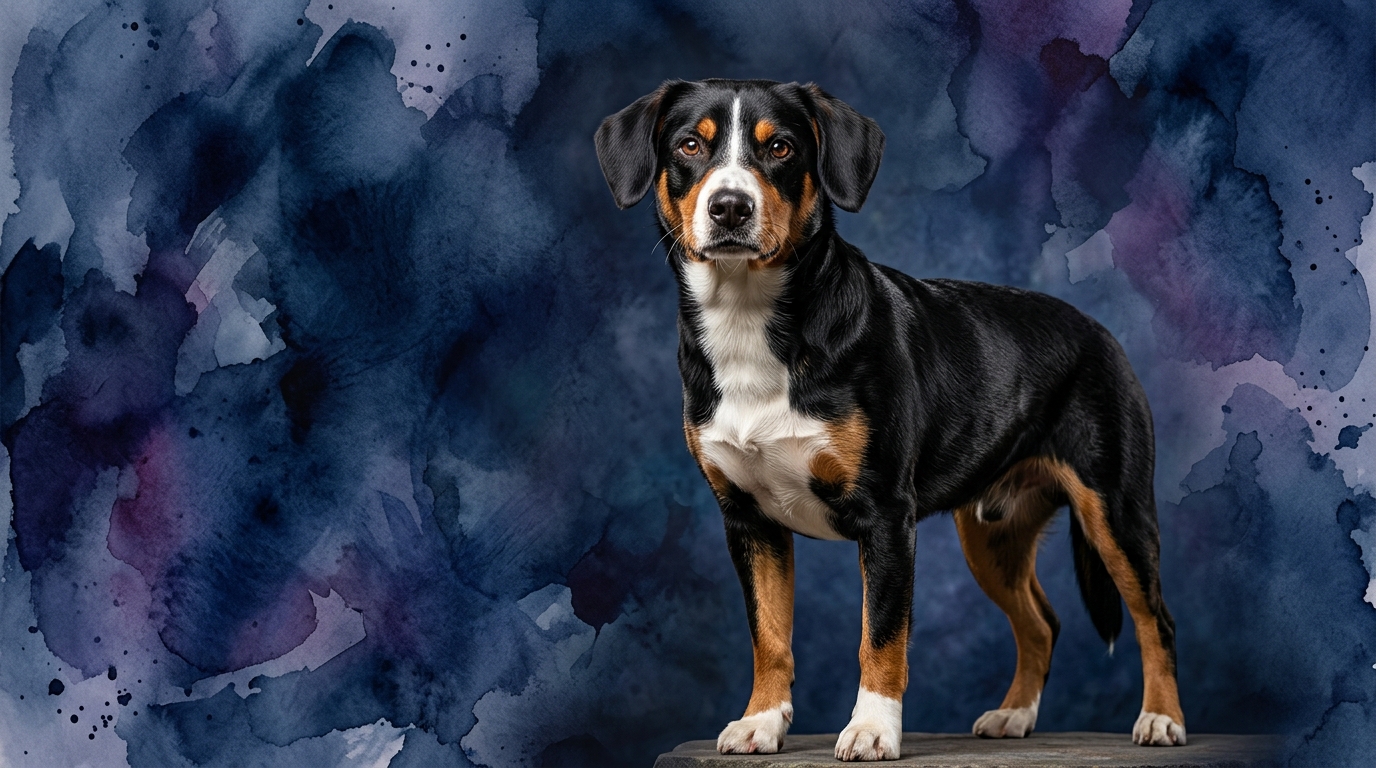
Side-by-Side IQ Profile: Samoyed vs. Entlebucher
**Samoyed (Coren Rank #33, Working Group):**
**Problem Solving (3/5):** Possessing moderate capacity, Samoyeds approach challenges with persistence, sometimes taking a direct or stubborn route. Their history as herders and sled pullers means navigating environments effectively.
**Training Speed (3/5):** They learn new commands at a moderate pace, but their independent spirit requires consistent, positive reinforcement. They understand requests but prioritize their own motivations.
**Social Intelligence (5/5):** This breed excels in understanding and responding to human cues, demonstrating profound empathy and a desire to connect. They skillfully interpret social dynamics.
**Instinctive Drive (4/5):** Their strong working drive manifests in a desire to pull, herd, and actively participate, fueled by innate cooperation with humans.
**Memory (3/5):** Samoyeds have moderate memory for commands and experiences, recalling learned behaviors, though refreshers might be needed without consistent reinforcement.
**Entlebucher Mountain Dog (Herding Group, Not Coren-Ranked):**
**Problem Solving (3/5):** Entlebuchers show moderate ability, often relying on keen observation and environmental awareness. Their herding background equips them to strategize within dynamic settings.
**Training Speed (3/5):** They learn at a moderate pace, requiring clear, consistent instruction and patience. Their strong will needs a handler who establishes clear expectations and motivates effectively.
**Social Intelligence (3/5):** While forming strong bonds, their social intelligence is moderate; they might be more reserved with strangers and rely on established family dynamics.
**Instinctive Drive (3/5):** Their drive is geared towards herding, showing a moderate impulse to control livestock, translating to a desire for structure and order.
**Memory (3/5):** Entlebuchers possess moderate memory for routines, commands, and experiences, building a reliable repertoire of behaviors with consistent training.
Where the Samoyed Wins Cognitively
The Samoyed's standout cognitive advantage lies in its exceptional social intelligence, rated 5/5, far surpassing the Entlebucher's 3/5. This breed demonstrates a profound capacity for understanding human emotions, intentions, and subtle cues, born from centuries of close partnership. A Samoyed often seems to "read" its human companions, anticipating needs or offering comfort, displaying a nuanced understanding of social bonding. Their higher instinctive drive (4/5 versus 3/5) also translates into a more overt enthusiasm for collaborative activities and a readiness to engage in purpose-driven tasks alongside their human partners, fostering a cooperative spirit in shared endeavors.
Where the Entlebucher Mountain Dog Wins Cognitively
While the Samoyed excels in social empathy, the Entlebucher Mountain Dog offers a nuanced cognitive strength rooted in its herding heritage. Although their problem-solving and training speed are rated similarly at 3/5, the *nature* of their problem-solving differs. Entlebuchers possess sharp environmental awareness and a tactical approach to managing surroundings, allowing for a more focused, strategic type of problem-solving, particularly in tasks requiring spatial reasoning or controlled movement. Their moderate instinctive drive (3/5) is highly directed towards their work, making them diligent and focused once motivated. This directed drive, combined with inherent cautiousness, allows them to approach situations with methodical assessment rather than the Samoyed's more effusive engagement, enabling a quiet determination when faced with challenges.
Which is Easier to Train and Why?
Both breeds present a moderate challenge for training, each rated 3/5 for training speed, but for different reasons. The Samoyed's moderate training speed stems from its independent streak; they understand commands but may choose to obey based on interest or reward. Their high social intelligence means they respond well to positive reinforcement but can become resistant if training is repetitive. Training a Samoyed often involves leveraging their social bond and convincing them it's *their* idea. The Entlebucher, also 3/5, requires clear, consistent boundaries and a confident leader. They can be more reserved and less overtly eager to please, needing patience to build trust. Their herding drive means they might try to "manage" situations, requiring early channeling. Training an Entlebucher involves establishing clear leadership and a structured environment. Neither is a "plug-and-play" trainee; both demand thoughtful, consistent engagement.
Suitability for Active vs. Relaxed Owners
For active owners seeking a canine partner, both breeds offer potential. The Samoyed, with its 4/5 instinctive drive and sled dog history, thrives on consistent physical activity like hiking, running, and canine sports. Their high social intelligence means they genuinely enjoy sharing these experiences, making them excellent partners for owners who want a dog deeply integrated into an active lifestyle, requiring significant daily exercise. The Entlebucher Mountain Dog, with a 3/5 instinctive drive, also enjoys strenuous walks, agility, and herding. Their energy is more focused and can transition to a calmer home life once needs are met. They suit active owners appreciating a diligent worker who can also settle. For truly relaxed owners, neither breed is ideal. The Samoyed's pervasive need for social interaction and activity, plus potential vocalization, can be demanding. The Entlebucher might be slightly more manageable if their need for structure is met with consistent, moderate activity, but both require committed engagement.
The Verdict
Choose a Samoyed if you seek a highly social, empathetic companion eager for close partnership in an active lifestyle, and you are prepared to engage their independent spirit with consistent, positive training.
Opt for an Entlebucher Mountain Dog if you appreciate a focused, diligent companion with a strong work ethic who thrives on clear structure and purposeful activity, and you can provide consistent, firm yet fair leadership.
🧠 Find Your Pet's IQ Score
Our Pet IQ Lab assessment covers 25+ tests across 5 cognitive dimensions — personalized to your breed.
Take the Full IQ Test →Frequently Asked Questions
Are Samoyeds difficult to train?
Samoyeds are moderately challenging to train (3/5 training speed) due to their independent nature and occasional stubbornness. They understand commands but need consistent, positive reinforcement and engaging methods to maintain their interest and ensure compliance.
Do Entlebucher Mountain Dogs get along with other pets?
Entlebucher Mountain Dogs can coexist with other pets, especially if socialized from a young age. Their herding instinct means they might try to "manage" smaller animals, so supervision and clear boundaries are essential.
Which breed is better for first-time dog owners?
Neither breed is typically recommended for first-time dog owners due to their strong wills and specific needs for training and exercise. However, an experienced owner committed to consistent training and socialization could manage either, with the Samoyed requiring more social engagement and the Entlebucher needing more structured guidance.