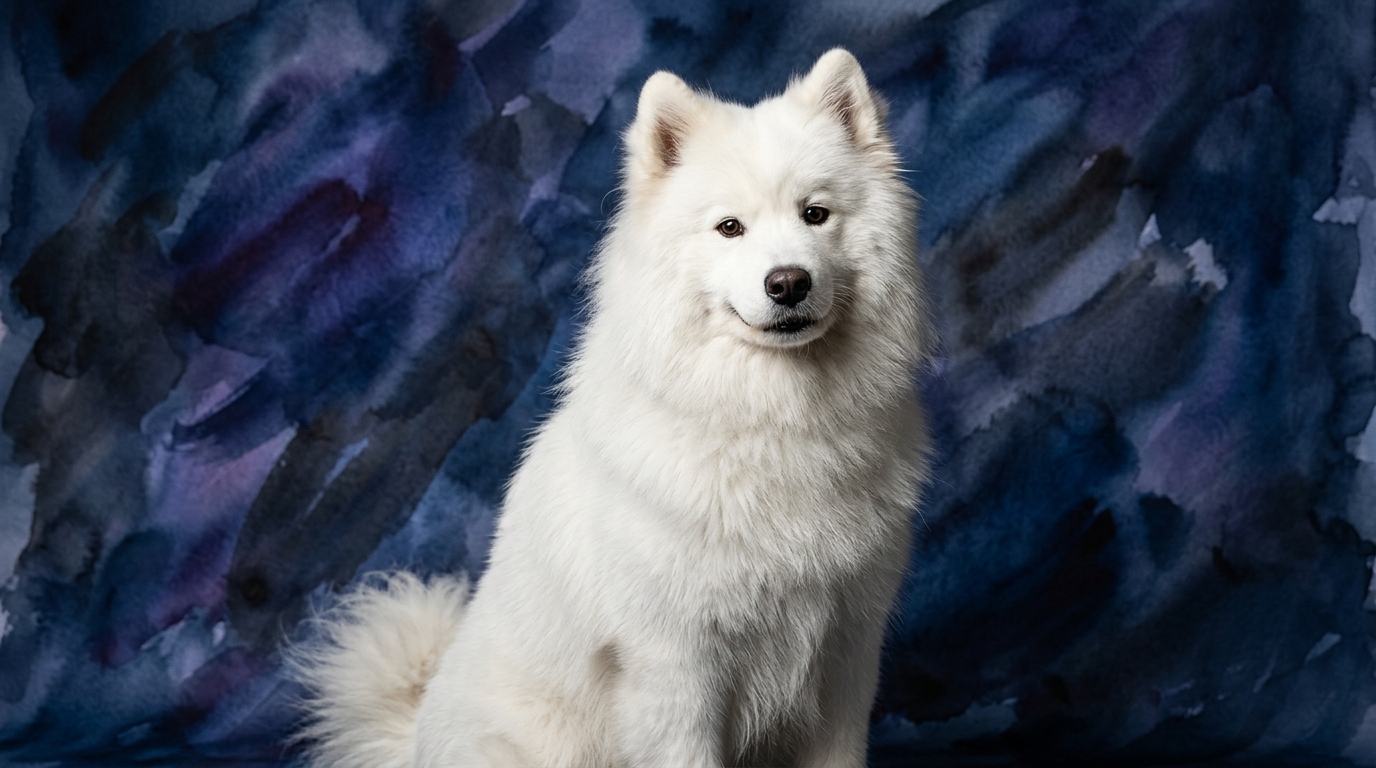
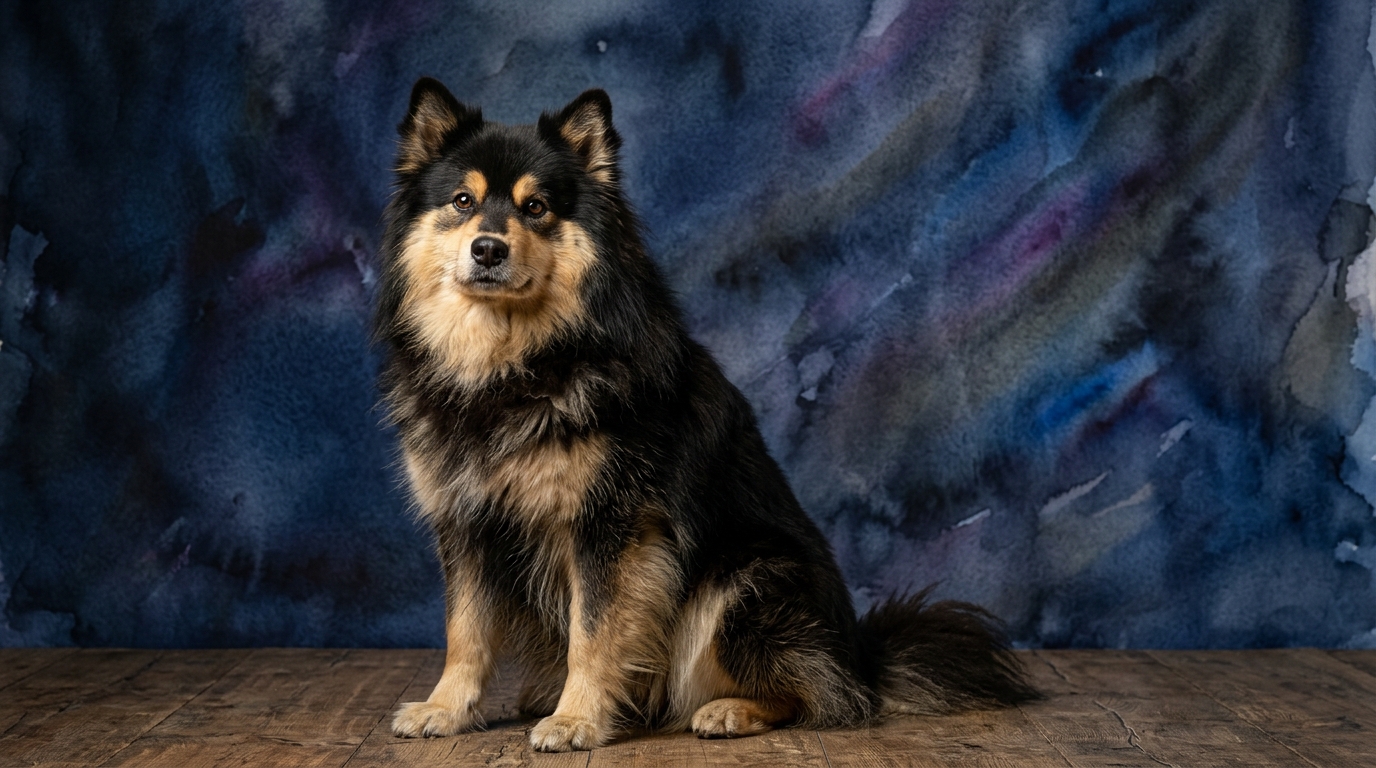
Side-by-Side IQ Profile: Samoyed vs. Finnish Lapphund
The Samoyed, a member of the Working group, holds a notable Coren rank of #33. Our IQ Lab assessment reveals their Problem Solving ability at 3/5, indicating a moderate capacity for navigating new challenges. Their Training Speed is also 3/5, suggesting they learn at a steady, consistent pace. Where the Samoyed truly excels is in Social Intelligence, scoring a perfect 5/5, demonstrating exceptional attunement to human cues and interactions. Their Instinctive Drive is rated 4/5, reflecting a strong innate motivation for purpose, while Memory stands at 3/5, providing adequate recall and retention.
The Finnish Lapphund, from the Herding group and not Coren-ranked, presents a balanced cognitive profile. They share the Samoyed's Problem Solving score of 3/5, indicating similar capacities for understanding and overcoming moderate difficulties. Their Training Speed is likewise 3/5, signifying a reliable but not exceptionally rapid learning curve. In Social Intelligence, the Lapphund scores 3/5, showing good connection with their family but perhaps less universal expressiveness than the Samoyed. Their Instinctive Drive is 3/5, primarily focused on herding, and their Memory is also 3/5, providing functional retention for routines and commands.
Where the Samoyed Wins Cognitively
The Samoyed truly shines in Social Intelligence, scoring a perfect 5/5. This remarkable capacity means they are exceptionally adept at reading human emotions, understanding subtle body language, and adapting their behavior to social contexts. This isn't merely friendliness; it's a deep empathetic connection, allowing them to anticipate needs and offer comfort or engagement precisely when desired, making them incredibly intuitive companions.
Their Instinctive Drive at 4/5, compared to the Lapphund's 3/5, also gives them an edge in specific cognitive applications. This drive, rooted in their working heritage of herding reindeer and pulling sleds, translates into a higher intrinsic motivation for purposeful activity. While not always directly “smarter,” this drive makes them more inclined to engage in tasks that tap into their innate desire to work alongside humans, provided the task is meaningful to them.
Where the Finnish Lapphund Wins Cognitively
While the data shows a parity in individual cognitive dimensions, the Finnish Lapphund's historical role as a reindeer herder suggests a nuanced cognitive strength in independent decision-making within a specific context. Their herding drive, though rated 3/5, is geared towards autonomous work, requiring them to make judgments about flock movement and predator threats without constant human oversight. This implies a cognitive resilience and self-reliance in their specific herding domain that differs from the Samoyed's more human-centric working partnership.
The Lapphund's cognitive profile, while not scoring higher in any single metric, suggests a balanced, practical intelligence. Their problem-solving and training speed are consistent, indicating a reliable, steady learning curve without the potential for the Samoyed's higher social demands. This means a Lapphund might be less prone to anxiety or misbehavior stemming from a lack of intense social engagement, making their cognitive performance more consistently predictable in a less socially demanding environment.
Which is Easier to Train and Why
Based on our IQ data, both breeds share a Training Speed score of 3/5, suggesting neither is inherently “easier” to train in terms of raw speed of acquisition. However, their differing social and instinctive drives create distinct training experiences. The Samoyed's 5/5 Social Intelligence means they are often highly motivated by pleasing their human and engaging in shared activities, making positive reinforcement very effective. Their 4/5 Instinctive Drive also means they respond well to tasks that feel purposeful, but their independent streak might mean they question commands rather than blindly obey.
The Finnish Lapphund, with a 3/5 in both Social Intelligence and Instinctive Drive, might require a more patient, consistent approach that builds on their natural herding instincts rather than overriding them. While they are willing learners, they may not possess the same fervent desire to constantly interact or “perform” for their owner as a Samoyed. Their training success often hinges on clear, repetitive instructions and a strong bond built on trust, rather than relying on their intense desire to socially connect or fulfill a perceived “job.”
Which Suits Active Owners vs. Relaxed Owners
For active owners seeking a highly interactive and socially engaged companion, the Samoyed is often a better match. Their 5/5 Social Intelligence means they thrive on constant companionship and involvement in family activities, and their 4/5 Instinctive Drive means they benefit from structured “work” like dog sports, long hikes, or even pulling a cart. They require significant mental and physical stimulation to prevent boredom, which could manifest as undesirable behaviors.
The Finnish Lapphund, with its 3/5 in both Social Intelligence and Instinctive Drive, can adapt to active lifestyles but might also be more content with a moderately active household. While they enjoy outdoor adventures and excel in activities like agility or herding trials, their need for constant human interaction isn't as intense as the Samoyed's. They are often described as having an “off switch,” allowing them to relax calmly indoors after appropriate exercise, making them suitable for owners who appreciate a dog capable of both adventure and quiet companionship.
The Verdict
Choose the Samoyed if you desire an exceptionally socially intuitive companion who thrives on deep interaction and possesses a strong drive for purposeful, shared activities, provided you can meet their significant engagement needs.
Opt for the Finnish Lapphund if you seek a balanced, steady companion with a practical intelligence, capable of independent thought in activities and content with a moderate social engagement level, fitting a slightly less intense household.
🧠 Find Your Pet's IQ Score
Our Pet IQ Lab assessment covers 25+ tests across 5 cognitive dimensions — personalized to your breed.
Take the Full IQ Test →Frequently Asked Questions
Do Samoyeds or Finnish Lapphunds excel more in problem-solving tasks?
Both breeds are rated 3/5 in problem-solving, indicating they possess a moderate capacity for navigating challenges. Neither breed significantly outranks the other in this specific cognitive dimension, suggesting similar abilities to learn from experience and adapt to new situations.
How do their social intelligence differences impact their roles as family pets?
The Samoyed's 5/5 social intelligence means they are highly attuned to human emotions and thrive on constant family interaction, often seeking to be the center of attention. The Finnish Lapphund's 3/5 social intelligence makes them affectionate and loyal to their family but generally less demanding of constant interaction, often content to observe or engage on their own terms.
Is a Coren rank important when comparing these two breeds?
While the Samoyed's Coren rank of #33 indicates a specific measure of training intelligence, the Finnish Lapphund's lack of a rank doesn't imply lower intelligence, but rather that it wasn't included in Coren's specific study parameters. Our IQ Lab data provides a more direct, granular comparison across multiple cognitive dimensions for both breeds, offering a deeper insight beyond a single ranking.