Side-by-Side Cognitive Profiles
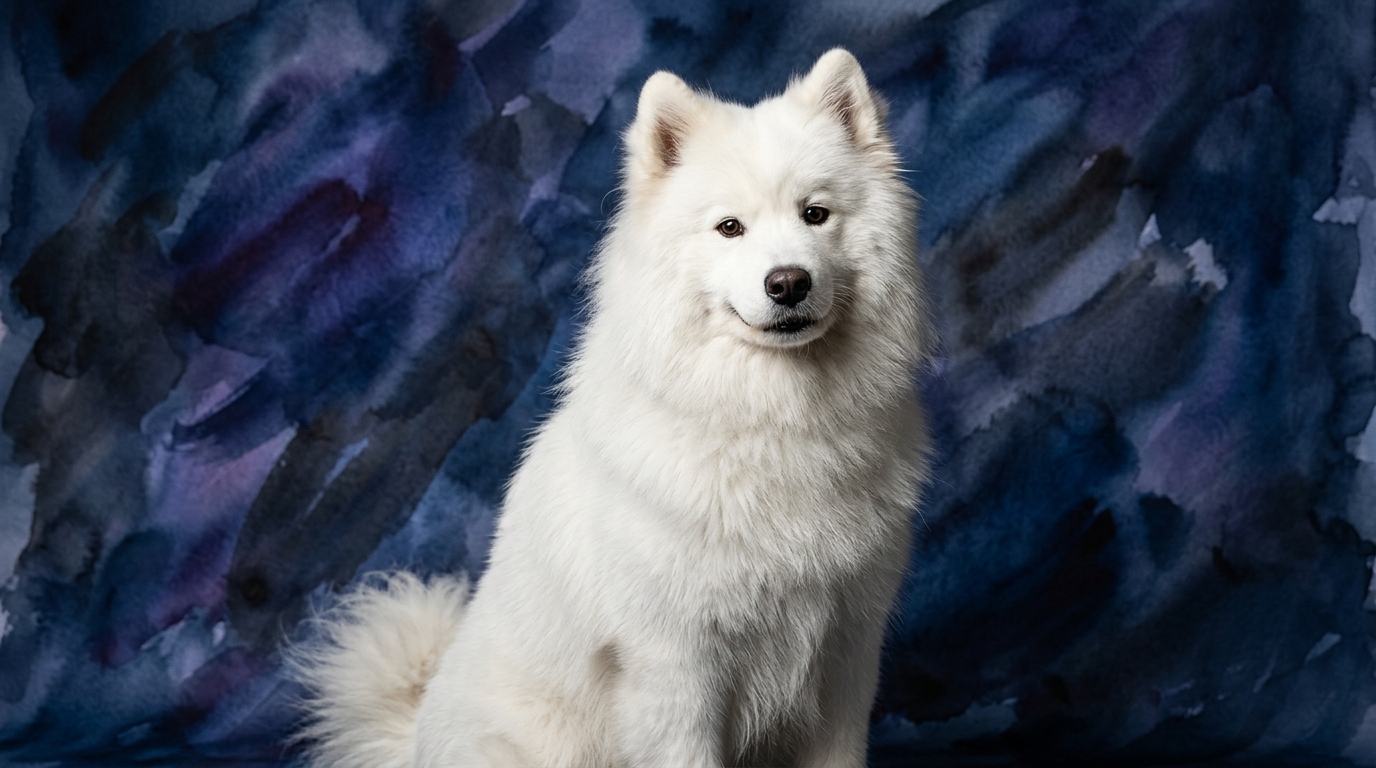
The Samoyed, a Working breed ranked #33 by Coren, demonstrates a balanced yet distinct cognitive profile shaped by centuries of cooperative work in harsh northern climates. Their Problem Solving capability, rated 3/5, often involves persistent effort and a methodical approach to obstacles, rather than sudden insights. Training Speed is also 3/5, indicating they absorb new commands at a moderate pace, thriving on consistency and positive reinforcement to solidify learning. A standout feature is their Social Intelligence at 5/5; they are exceptionally adept at reading human emotions, communicating needs, and forming strong, empathetic bonds within their family unit, making them highly attuned companions. Their Instinctive Drive, 4/5, is geared towards cooperative tasks like herding and pulling, reflecting a natural inclination for purposeful activity alongside humans. Finally, their Memory, 3/5, is solid, allowing them to retain learned behaviors and routines effectively, though repetition aids in long-term recall.
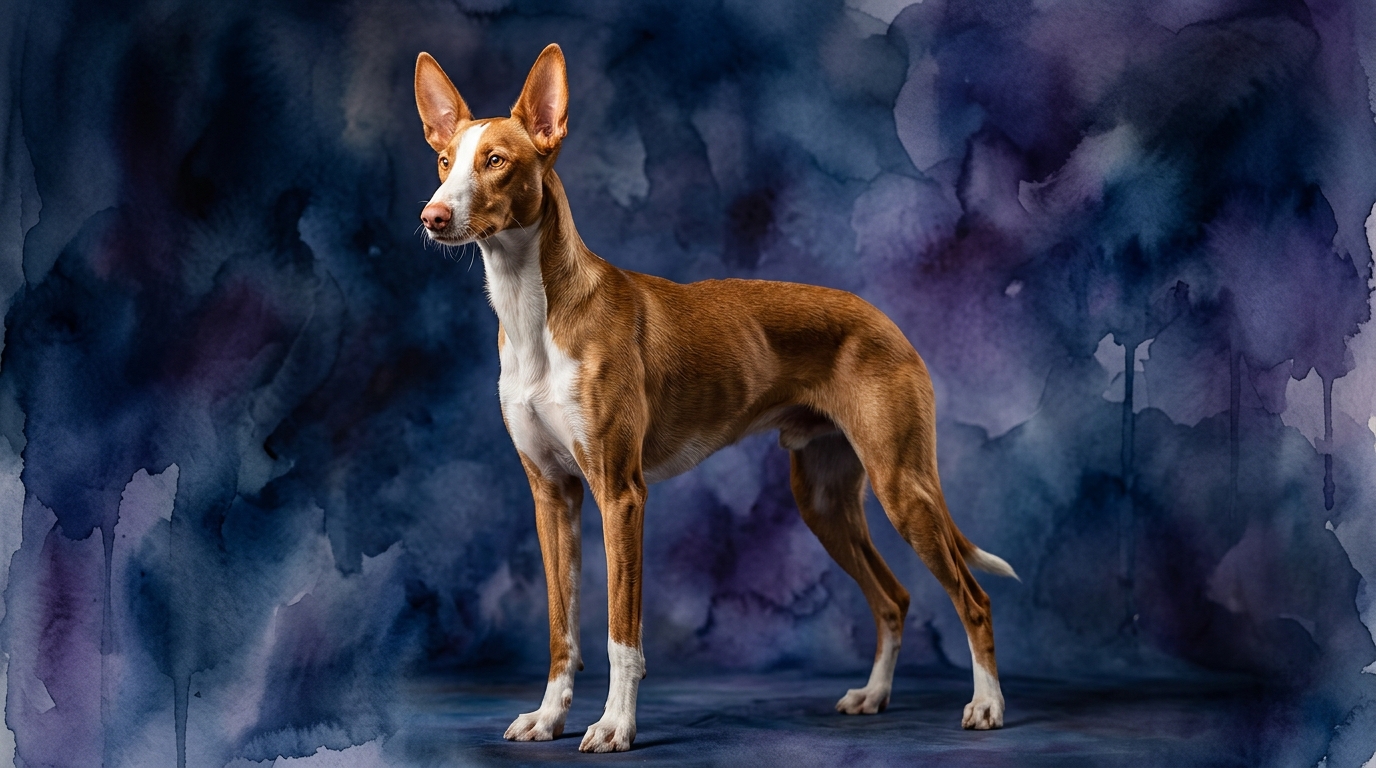
The Ibizan Hound, a Hound breed ranked #53 by Coren, possesses a cognitive framework optimized for independent hunting and swift action. Their Problem Solving ability, rated 3/5, is characterized by an observant and often unilateral approach, relying on keen senses to navigate challenges and strategize pursuits in the field. Training Speed, like the Samoyed, is 3/5, meaning they learn at a moderate pace, but their independent spirit often requires more creative motivation and consistent engagement to ensure compliance. Their Social Intelligence is 3/5, indicating they form deep bonds with their immediate family but can be reserved or aloof with strangers, valuing a smaller, trusted social circle. The Ibizan Hound's Instinctive Drive is 3/5, primarily centered on their heritage as sight hounds, manifesting as a powerful prey drive and an inclination for independent chase. Their Memory, 3/5, is reliable, particularly for routines, territorial boundaries, and past experiences related to their hunting instincts.
Where the Samoyed Wins Cognitively
The Samoyed’s cognitive strengths shine particularly in areas emphasizing social connection and cooperative engagement. Their exceptional 5/5 Social Intelligence allows them to excel at understanding and responding to human emotions, making them incredibly empathetic and intuitive companions. This translates into a dog that often anticipates needs, seeks interaction, and integrates seamlessly into complex family dynamics, fostering deep emotional bonds through nuanced communication. Furthermore, their 4/5 Instinctive Drive is predominantly geared towards cooperative work, stemming from their heritage of herding reindeer and pulling sleds. This means a Samoyed often thrives on having a 'job' or engaging in purposeful activities alongside their human partners, exhibiting a natural inclination for teamwork and shared endeavors, which few other breeds match with such enthusiasm.
Where the Ibizan Hound Wins Cognitively
The Ibizan Hound exhibits distinct cognitive advantages rooted in their specialized hunting heritage, particularly in independent action and sensory acuity. While both breeds score 3/5 in Problem Solving, the Ibizan Hound's approach is characterized by swift, independent decision-making crucial for their sight hunting role. They display an acute ability to assess dynamic situations, such as the movement of prey, and act unilaterally without constant human direction, demonstrating strategic thinking in fluid environments. Their finely tuned instincts also contribute to exceptional sensory acuity and highly selective focus. When a visual target is identified, their cognitive processes allow them to filter out distractions with remarkable efficiency, maintaining intense concentration on the pursuit. This specialized attentional control is a significant cognitive strength within their domain, enabling them to excel in tasks demanding quick, self-directed responses based on visual cues.
Which is Easier to Train and Why
When comparing ease of training, the Samoyed often presents a more straightforward experience due to their higher Social Intelligence and cooperative nature, despite both breeds sharing a 3/5 Training Speed. The Samoyed's Coren rank of #33, coupled with their 5/5 Social Intelligence, means they are typically eager to please and value human approval, which acts as a powerful intrinsic motivator during training sessions. They are more inclined to offer behaviors to gain social rewards and positive reinforcement, making them generally more responsive and biddable. Their cooperative drive encourages them to work with their handler, often making the training process feel smoother and more rewarding for both parties, even if the pace of learning is moderate.
In contrast, the Ibizan Hound, with a Coren rank of #53 and 3/5 Social Intelligence, often approaches training with a more independent mindset. While they learn new commands at a similar pace (3/5 Training Speed), their strong instinctive drive for independent pursuit can easily override compliance in stimulating environments. They might perceive commands as suggestions rather than absolute directives, requiring exceptional patience, unwavering consistency, and highly motivating, high-value rewards to maintain their focus. Their good memory helps them retain information, but applying that knowledge consistently in the face of their self-directed curiosity and strong prey drive presents a greater challenge for the trainer. Effective training for an Ibizan Hound often involves channeling their natural instincts and making training feel like a game they choose to engage in.
Which Suits Active Owners vs Relaxed Owners
Both the Samoyed and the Ibizan Hound are best suited for active owners, though their activity requirements stem from different cognitive and instinctive drives. The Samoyed, with its 4/5 instinctive drive for purpose and a history of endurance work, thrives with owners who can provide consistent physical exercise and ample mental engagement. They need outlets for their cooperative drive, such as long hikes, sledding, agility, or even just consistent, structured playtime, as their cognitive makeup benefits from having a 'job' or participating in shared activities. A relaxed owner might find the Samoyed's energetic needs and desire for interaction overwhelming, potentially leading to boredom-related behaviors.
The Ibizan Hound, while possessing a 3/5 instinctive drive, also demands an active lifestyle, specifically tailored to their sight hound heritage. They require regular opportunities for vigorous, open-space running where they can gallop freely and engage their keen senses, often needing access to securely fenced areas to prevent them from pursuing perceived prey. They are not content with short leashed strolls; their cognitive and physical well-being depends on bursts of intense activity. However, a key distinction is that once their exercise needs are thoroughly met, Ibizan Hounds can be remarkably calm and relaxed indoors, appreciating quiet companionship. This makes them suitable for owners who can provide intense, focused exercise sessions and then enjoy a more tranquil home environment, contrasting with the Samoyed’s more constant desire for interactive engagement.
The Verdict
If you seek a highly social, cooperative companion eager to engage in teamwork and thrive on a clear 'job' within the family structure, the Samoyed's empathetic nature and working drive are an excellent match. They are ideal for owners who enjoy a constant, interactive presence and value a dog deeply attuned to human emotions.
Opt for the Ibizan Hound if you appreciate an independent, elegant companion with a strong prey drive, who excels in bursts of speed and intelligent, self-directed exploration, and can be content with quiet companionship after vigorous exercise. They suit owners who understand and respect their hound independence and can provide specific outlets for their physical and mental energy.
🧠 Find Your Pet's IQ Score
Our Pet IQ Lab assessment covers 25+ tests across 5 cognitive dimensions — personalized to your breed.
Take the Full IQ Test →Frequently Asked Questions
Do Samoyeds shed a lot?
Yes, Samoyeds possess a thick double coat that sheds considerably, especially during seasonal blow-outs. Regular, consistent grooming, including daily brushing, is essential to manage their fur, prevent matting, and maintain coat health.
Are Ibizan Hounds good with children?
Ibizan Hounds can be gentle and patient with respectful children, particularly if raised together in a consistent environment. Their somewhat reserved and independent nature means supervision is always wise, but they generally form strong, loyal bonds with their immediate family members.
What kind of exercise does an Ibizan Hound need?
Ibizan Hounds require significant opportunities for off-leash running in a securely fenced area where they can truly stretch their legs at full speed. They are not suited for apartment living without dedicated, safe access to large spaces for vigorous, instinct-driven exercise.