A Side-by-Side Look at Cognitive Profiles
At The Cosmic Pet Pet IQ Lab, we analyze canine intelligence across five key dimensions, offering a nuanced understanding beyond simple obedience. For the Samoyed and Italian Greyhound, while some numerical scores align, the underlying cognitive expression within each dimension tells a story of divergent evolutionary paths and breed purposes.
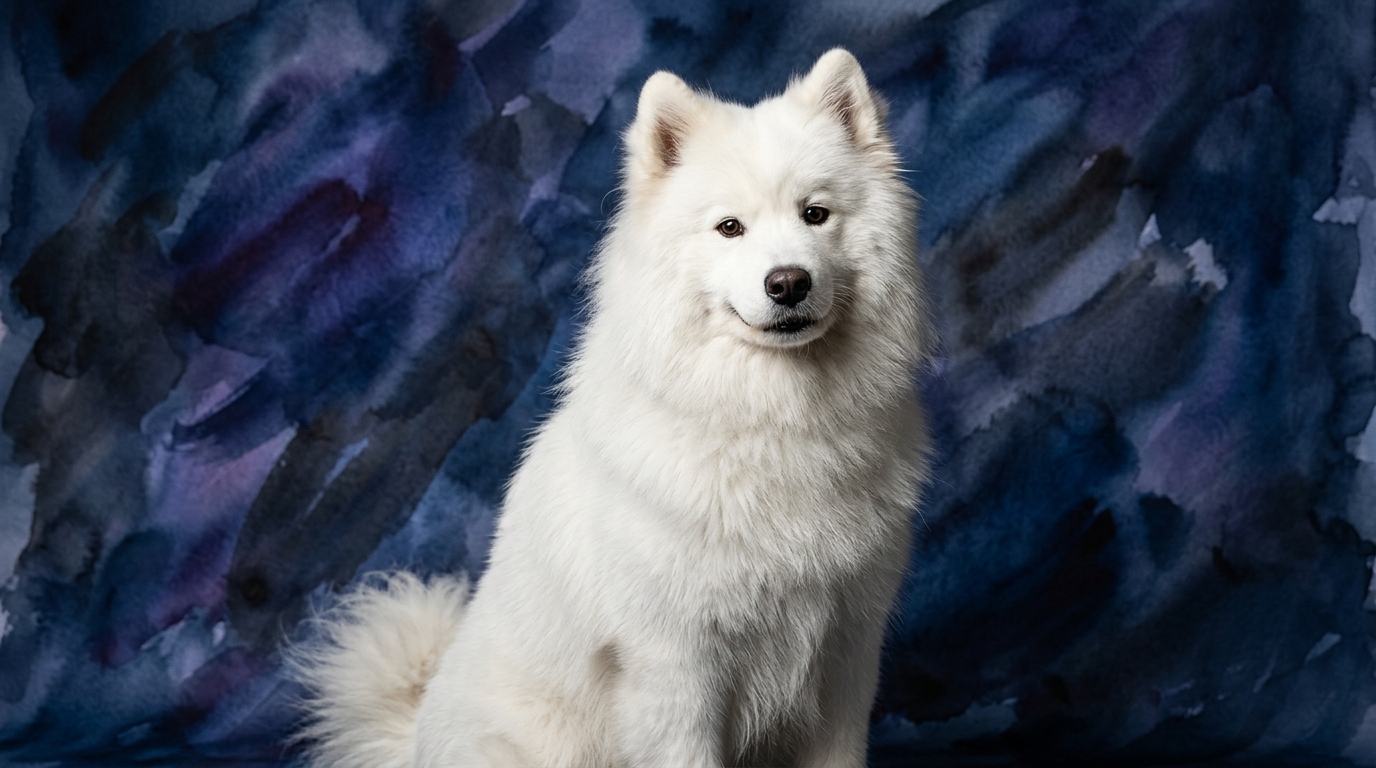
The Samoyed's cognitive profile reflects its heritage as a working dog from Siberia. Their **Problem Solving (3/5)** leans towards practical, tangible solutions, focused on achieving a clear objective rather than abstract puzzles. **Training Speed (3/5)** indicates they are capable learners, but their independent streak means they often weigh the perceived value of compliance, requiring consistent, engaging motivation. Their **Social Intelligence (5/5)** is exceptionally developed, allowing them to intuitively grasp human emotions, body language, and complex family dynamics, making them highly cooperative partners. A robust **Instinctive Drive (4/5)** means they thrive when given a purpose, whether it's pulling, herding, or participating in dog sports. Their **Memory (3/5)** is average, retaining routines, commands, and experiences effectively, learning from past interactions.
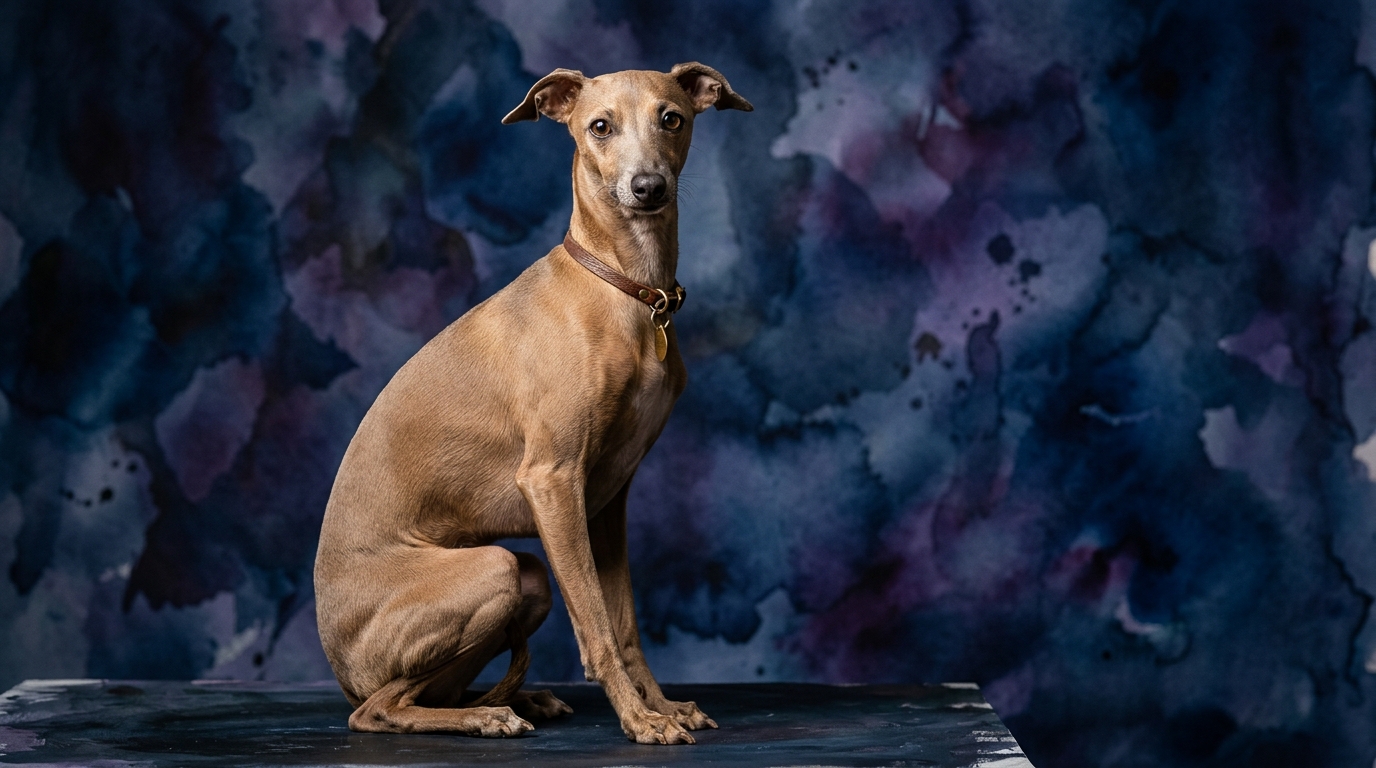
The Italian Greyhound, a graceful Toy breed, presents a different cognitive emphasis. Their **Problem Solving (3/5)** is pragmatic, often centered on optimizing comfort and security within their immediate environment, such as finding the warmest sunbeam or the coziest blanket fort. **Training Speed (3/5)** is influenced by their sensitive nature and propensity for distraction; they learn best with gentle, consistent methods in calm settings. Their **Social Intelligence (3/5)** is characterized by an intense, almost singular devotion to their primary caregivers, being exquisitely perceptive to their chosen humans' moods, though they can be reserved with strangers. An **Instinctive Drive (3/5)** for chasing is present, typical of sighthounds, but usually manifests in short bursts rather than sustained, purposeful work. Like the Samoyed, their **Memory (3/5)** is average, recalling routines and experiences that contribute to their sense of security and well-being.
Where the Samoyed's Mind Shines Brighter
The Samoyed's cognitive strengths distinctly emerge in areas requiring deep social attunement and purposeful engagement. Their exceptional Social Intelligence (5/5) means they don't just coexist with humans; they integrate profoundly into social structures. This isn't merely friendliness; it's an intuitive grasp of emotional states and group dynamics, making them unparalleled in collaborative tasks. A Samoyed can often anticipate a family member's mood or respond appropriately to subtle cues, making them highly responsive companions in interactive settings, from complex obedience routines to simply offering comfort when sensing distress.
Furthermore, their robust Instinctive Drive (4/5) provides a powerful cognitive engine. This drive, honed over centuries of working alongside humans in demanding Arctic conditions, translates into a mental eagerness for activities with a clear objective. When given a 'job,' whether it's participating in agility, pulling a cart, or engaging in scent work, a Samoyed's cognitive engagement is significantly heightened. This purposeful drive contributes to their persistence and focus in tasks they deem worthwhile, distinguishing their approach from breeds that might require more external motivation to sustain interest.
The Subtle Cognitive Strengths of the Italian Greyhound
While their numerical scores for Problem Solving and Training Speed align with the Samoyed, the Italian Greyhound's cognitive strengths manifest in a uniquely refined manner. Their problem-solving (3/5) is often an elegant dance of environmental mastery for personal comfort. An Italian Greyhound might display remarkable ingenuity in navigating a cluttered room to reach a preferred napping spot, or subtly manipulate blankets into the perfect nest. This isn't about brute force or complex strategy, but rather an efficient, often charming, optimization of their immediate domain, demonstrating a keen perception of their surroundings.
Their Social Intelligence (3/5), though numerically lower than the Samoyed's, is intensely focused and deeply empathetic within their chosen circle. Italian Greyhounds are masters of reading the micro-expressions and subtle shifts in their primary human's demeanor. They excel at forming singular, profound bonds, often becoming a sensitive, intuitive shadow, offering quiet companionship or seeking reassurance with an almost telepathic understanding. This acute emotional sensitivity, while not broadly applied to a large social group, creates a cognitive bond that is both profound and deeply personal, requiring a specific kind of mental tuning to their human's inner world.
Training Dynamics: Samoyed vs. Italian Greyhound
Both breeds share a 3/5 rating for Training Speed, but the underlying reasons and practical implications for owners diverge significantly. The Samoyed, with its independent streak and strong instinctive drive, learns commands readily but often requires a clear 'why' or a perceived benefit to fully commit. Their high social intelligence means they understand what you're asking, but their working heritage means they might question if the task is worth their effort or if there's a more efficient way. Training a Samoyed thrives on consistency, positive reinforcement, and making tasks feel like a shared purpose or engaging game to channel their energy effectively.
The Italian Greyhound's training journey is shaped by their delicate sensitivity and tendency for distraction. They absorb information, but harsh corrections or overwhelming environments can cause them to shut down or become anxious, hindering progress. Their lower instinctive drive means they may lack the inherent motivation for repetitive, strenuous tasks, preferring comfort and close human interaction. Successful Italian Greyhound training relies on gentle, trust-based methods, short and positive sessions, and extreme patience, particularly with house training, which can be a notable challenge due to their delicate bladders and aversion to cold or wet weather.
Lifestyle Match: Active Pursuits vs. Relaxed Companionship
The cognitive profiles of these two breeds naturally align with very different owner lifestyles. A Samoyed, with its robust instinctive drive and cooperative social intelligence, thrives with active owners who can provide consistent mental stimulation and physical exercise. They excel in environments where they have a 'job' or a purpose, making them ideal partners for activities like hiking, jogging, dog sports such as agility or obedience, or even therapy work. Their cognitive engagement is sustained when their inherent need for activity and interaction is met, ensuring a well-adjusted and joyful companion. Owners who enjoy shared outdoor adventures and collaborative problem-solving will find a Samoyed's mind a perfect match.
In contrast, the Italian Greyhound's sensitive nature and focused social intelligence make them perfectly suited for more relaxed, indoor-centric owners. While they enjoy bursts of playful energy, their cognitive strengths are best nurtured in a calm, predictable home environment where they can form deep, intimate bonds with their humans. They are content with short, regular walks and extensive indoor cuddle sessions, preferring the comfort and security of their home. Their delicate physique and sensitivity to weather mean they are less suited for rugged outdoor adventures, but their profound devotion and perceptive nature make them exceptional companions for those seeking a gentle, emotionally attuned presence.
The Verdict
Choose a Samoyed if you seek a highly cooperative, socially attuned canine partner for active pursuits and enjoy channeling a purposeful drive into shared activities like dog sports or hiking.
Opt for an Italian Greyhound if you desire a sensitive, devoted indoor companion who thrives on close human bonds and appreciates a calm home environment with gentle, consistent interaction.
🧠 Find Your Pet's IQ Score
Our Pet IQ Lab assessment covers 25+ tests across 5 cognitive dimensions — personalized to your breed.
Take the Full IQ Test →Frequently Asked Questions
Are Samoyeds difficult to train?
Samoyeds are not inherently difficult, but their independent nature and working breed drive mean training requires consistency, positive reinforcement, and engaging methods to channel their energy and intelligence effectively. They respond well when they understand the purpose of a task and it feels like a partnership.
Do Italian Greyhounds learn tricks easily?
Italian Greyhounds can learn tricks, but their sensitive temperament and tendency for distraction mean short, positive, reward-based sessions are most effective. They may not have the same inherent motivation for repetitive tasks as some working breeds, often preferring comfort and companionship over rigorous, prolonged training drills.
Which breed is better with children, cognitively speaking?
Samoyeds, with their 5/5 social intelligence, often excel at understanding family dynamics and interacting appropriately with children, provided they are well-socialized and supervised. Italian Greyhounds, while devoted to their family, can be more delicate and sensitive to noise and sudden movements, requiring careful introductions and supervision with younger, boisterous children due to their more focused social circle.