Side-by-Side Cognitive Profiles
To truly appreciate the Samoyed and Kooikerhondje, we must look beyond superficial comparisons and delve into their specific cognitive dimensions. Our Cosmic Pet IQ Lab scores offer a granular view of their intellectual makeup.
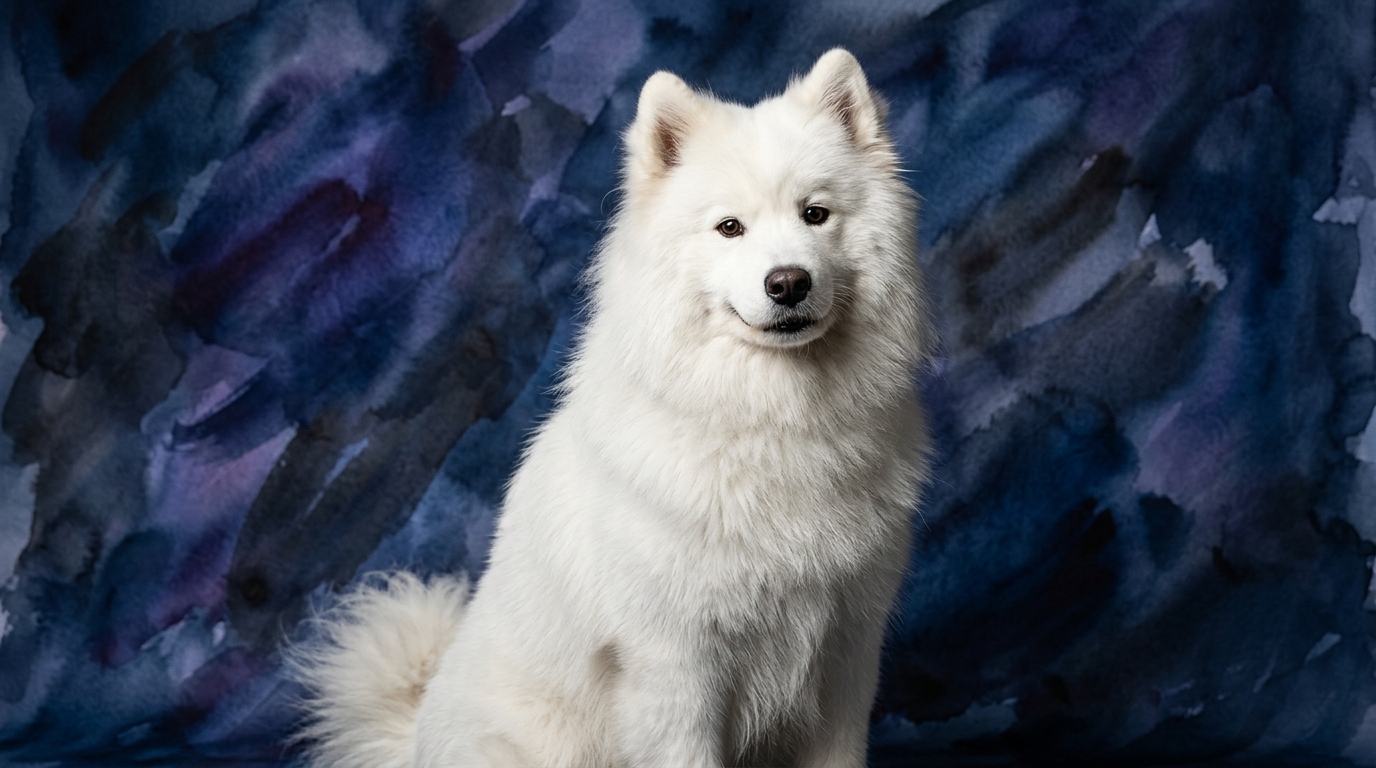
The **Samoyed**, a majestic Working dog, presents a fascinating blend of independent thought and profound social connection. Their Problem Solving is rated at 3/5, indicating they can navigate moderate challenges but aren't typically innovators in complex situations, often preferring established routines or human guidance. Training Speed also sits at 3/5; while capable, they can exhibit a strong will and require consistent, engaging methods. Where the Samoyed truly shines is in Social Intelligence, scoring a remarkable 5/5. This breed is exceptionally attuned to human emotions and social dynamics, thriving on companionship and deeply integrating into their family's emotional landscape. Their Instinctive Drive is a robust 4/5, reflecting their heritage as sled pullers and herders, possessing a strong desire for purposeful activity alongside humans, alongside a notable prey drive. Memory is rated at 3/5, solid for routines and commands, but not for recalling intricate sequences over long periods.
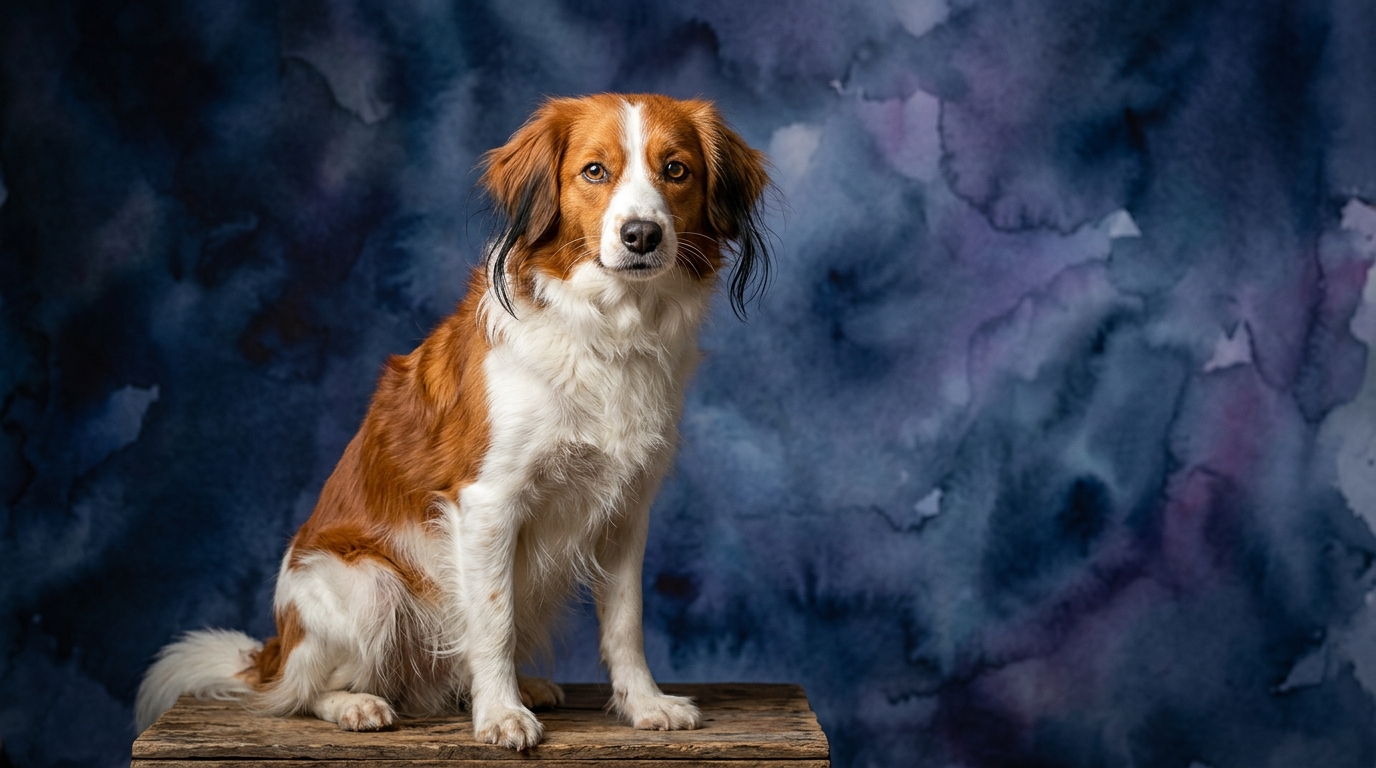
The **Kooikerhondje**, a lively Sporting dog, offers a different, yet equally compelling, cognitive profile. They are not Coren-ranked, but our evaluations provide insight into their specific intellectual strengths. Their Problem Solving, like the Samoyed, is 3/5; they are adept at solving practical puzzles relevant to their environment but generally look to their owners for complex solutions. Training Speed is also 3/5, suggesting they learn at a steady pace, responding best to gentle, consistent methods, though they can be sensitive and easily distracted if not engaged. Their Social Intelligence is 3/5; while affectionate and devoted to their immediate family, they can be reserved or cautious with strangers, forming deep bonds within their trusted circle rather than extending universal warmth. Instinctive Drive is 3/5, primarily focused on retrieving and decoy work, demonstrating a moderate drive for specific tasks rather than the broad, intense working drive of the Samoyed. Memory is also 3/5, reliable for learned behaviors and routines within their familiar context.
Where the Samoyed Wins Cognitively
The Samoyed's standout cognitive advantage lies unequivocally in its exceptional Social Intelligence (5/5). This isn't merely about being friendly; it signifies a profound capacity to understand and respond to human emotions and social cues. A Samoyed often anticipates a family member's mood, offering comfort or initiating play at just the right moment. This high social IQ allows them to seamlessly integrate into diverse family dynamics, acting as an intuitive companion who reads the room and adapts their behavior accordingly, fostering incredibly strong, empathetic bonds.
Furthermore, the Samoyed's robust Instinctive Drive (4/5) is a cognitive win for owners seeking a dog with a clear, cooperative purpose. Their historical role as sled dogs and herders has endowed them with an innate desire for sustained, purposeful activity alongside humans. This translates to a natural inclination for tasks that require stamina and teamwork, such as pulling carts, participating in canicross, or engaging in demanding dog sports. Their drive isn't just about energy; it's about a cognitive predisposition for work that requires partnership and endurance, making them exceptional partners for active, goal-oriented pursuits.
Where the Kooikerhondje Wins Cognitively
While the Kooikerhondje's individual scores might not reach the Samoyed's peak in specific categories, its consistent 3/5 across the board creates a uniquely balanced and focused cognitive profile, particularly advantageous for its specialized roles. Their Problem Solving (3/5) isn't about brute force but rather a subtle, strategic approach often seen in their decoy work – figuring out how to lure birds with clever movements rather than overwhelming them. This focused problem-solving is paired with a sensitive nature that responds well to nuanced cues, making them precise and attentive workers in their chosen fields.
The Kooikerhondje's Instinctive Drive (3/5), specifically for retrieving and luring, is a distinct cognitive advantage for owners seeking a dog with a clear, manageable purpose. This drive is highly specialized, less prone to the broad, intense manifestations seen in some working breeds. It translates to a focused enthusiasm for activities like fetch, scent work, or agility, where their agility and precision can shine. This specialized drive means less potential for misdirected energy if provided with appropriate outlets, allowing them to channel their intellect into tasks that are both engaging and fulfilling without overwhelming intensity.
Which is Easier to Train, and Why?
Both the Samoyed and the Kooikerhondje have a Training Speed of 3/5, indicating neither is a 'push-button' learner, but their underlying cognitive differences influence the training experience significantly. The Samoyed's high Social Intelligence (5/5) means they are generally eager to please and highly motivated by human interaction and praise. This can make them receptive to training, as they value the bond and approval. However, their 3/5 training speed is coupled with a strong independent streak and a 4/5 instinctive drive. This means they might test boundaries, get distracted by their environment, or pursue their own interests if the training isn't consistently engaging and rewarding. They require patience, positive reinforcement, and a clear understanding of their working dog mentality to channel their energy effectively.
The Kooikerhondje, also at 3/5 for Training Speed, presents a different set of considerations. Their Social Intelligence (3/5) is more focused on their immediate family, meaning they might be more reserved or less motivated by strangers or in novel environments. They are sensitive dogs and respond best to gentle, consistent methods; harsh corrections can cause them to shut down or become withdrawn. While their Instinctive Drive (3/5) is less intense than the Samoyed's, they can still be easily distracted by novel stimuli or the scent of game. Their deep bond with their trusted human makes them eager to work for that individual, but they might require more finesse and a calmer environment to maintain focus. Neither breed is for the truly novice owner, but the Samoyed's enthusiasm can be leveraged with consistent leadership, while the Kooikerhondje demands a patient, empathetic approach that respects their sensitive nature.
Suitability for Active vs. Relaxed Owners
When considering an owner's lifestyle, the cognitive profiles of these breeds suggest different matches. For truly active owners who thrive on outdoor adventures and cooperative tasks, the Samoyed is an excellent fit. Their 4/5 Instinctive Drive means they need substantial physical and mental engagement. They are built for endurance and thrive on activities like long hikes, jogging, sledding, carting, or demanding dog sports that simulate their historical working roles. An owner who can channel this drive into purposeful activities will find a highly motivated and joyful companion. Neglecting their need for engagement can lead to boredom and potentially destructive behaviors, as their intellect demands an outlet.
The Kooikerhondje, while not demanding the same raw endurance as a Samoyed, still requires an active owner. Their 3/5 Instinctive Drive, geared towards retrieving and agility, means they excel in structured play, puzzle toys, and dog sports like agility, flyball, or scent work. They are nimble and clever, needing regular exercise and mental challenges to prevent restlessness. Owners who enjoy engaging in these types of activities, perhaps with slightly less emphasis on pure endurance and more on precision and strategy, will find the Kooikerhondje a delightful partner. Neither breed is suitable for truly 'relaxed' owners who prefer minimal interaction or exercise; both are companion dogs who thrive on significant engagement and dedicated activity to keep their minds and bodies healthy.
The Verdict
Choose the Samoyed if you desire a highly social, empathetic companion eager to be part of every family activity, and you are prepared for an active lifestyle that includes channeling their strong working instincts into purposeful tasks and plenty of outdoor adventures.
Choose the Kooikerhondje if you appreciate a sensitive, devoted companion who thrives on structured play and mental challenges, and you can provide a patient, gentle training approach within a consistent routine, valuing their focused drive for retrieving and agility.
🧠 Find Your Pet's IQ Score
Our Pet IQ Lab assessment covers 25+ tests across 5 cognitive dimensions — personalized to your breed.
Take the Full IQ Test →Frequently Asked Questions
Is the Samoyed or Kooikerhondje better for first-time dog owners?
Neither breed is ideal for a truly novice owner seeking an 'easy' dog. Both require consistent training, significant time commitment, and an understanding of their specific cognitive and behavioral needs. The Samoyed's strong working drive and potential for stubbornness can be challenging, while the Kooikerhondje's sensitivity demands a gentle, experienced hand and a calm environment.
Do Samoyeds or Kooikerhondjes have a stronger prey drive?
The Samoyed's 4/5 instinctive drive often includes a notable prey drive, stemming from their herding and hunting past, which requires careful management. The Kooikerhondje has a 3/5 instinctive drive, focused on retrieving and luring, and while it also involves a prey drive, particularly for birds, it might manifest differently and be more task-specific than the Samoyed's broader drive.
Which breed is more adaptable to apartment living?
With sufficient daily exercise and mental stimulation, a Kooikerhondje might adapt slightly better to apartment living due to their smaller size and potentially less intense endurance needs compared to a Samoyed. However, both breeds thrive with access to outdoor space and require dedicated owners to meet their substantial activity requirements, meaning apartment living is only feasible with a very committed exercise routine.