Side-by-Side Cognitive Profiles: Samoyed vs. Mini American Shepherd
Understanding a dog's intelligence goes beyond a single score; it involves dissecting various cognitive dimensions that shape their behavior, trainability, and suitability for different lifestyles. The Cosmic Pet Pet IQ Lab assesses five key areas: Problem Solving, Training Speed, Social Intelligence, Instinctive Drive, and Memory, offering a nuanced view of each breed's mental landscape.
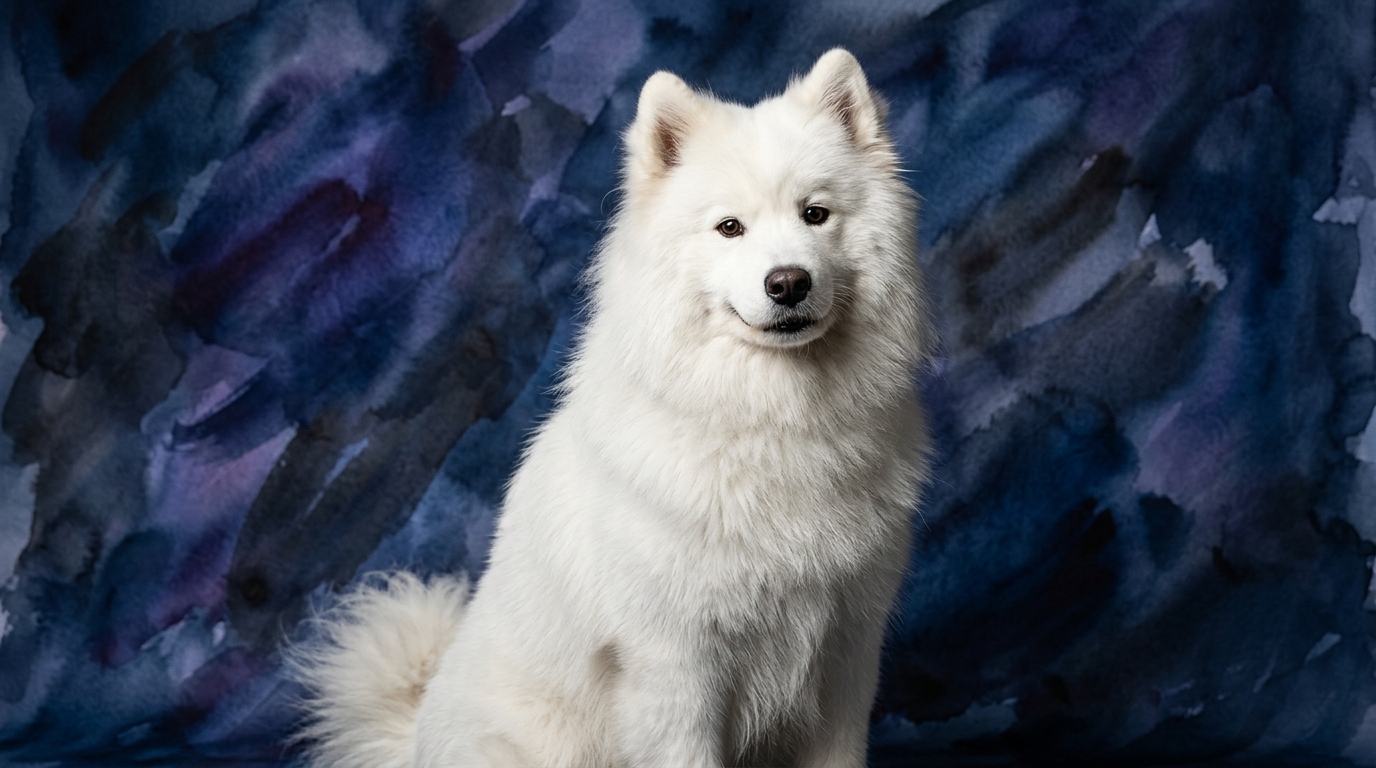
The Samoyed, ranked #33 by Coren, presents a unique cognitive blueprint. Their Problem Solving score of 3/5 indicates a capacity to navigate challenges, though they often rely on learned behaviors rather than rapid innovation. Training Speed, also 3/5, suggests they learn at a moderate pace, but their independent nature, a legacy of pulling sleds and guarding reindeer, can sometimes influence compliance. Their standout trait is Social Intelligence, rated 5/5; Samoyeds are exceptionally attuned to human emotions, deeply desire connection, and actively seek interaction. An Instinctive Drive of 4/5 reflects strong urges to bark, dig, and pull, echoing their working heritage, while Memory at 3/5 signifies a solid, but not extraordinary, ability to retain information and experiences.
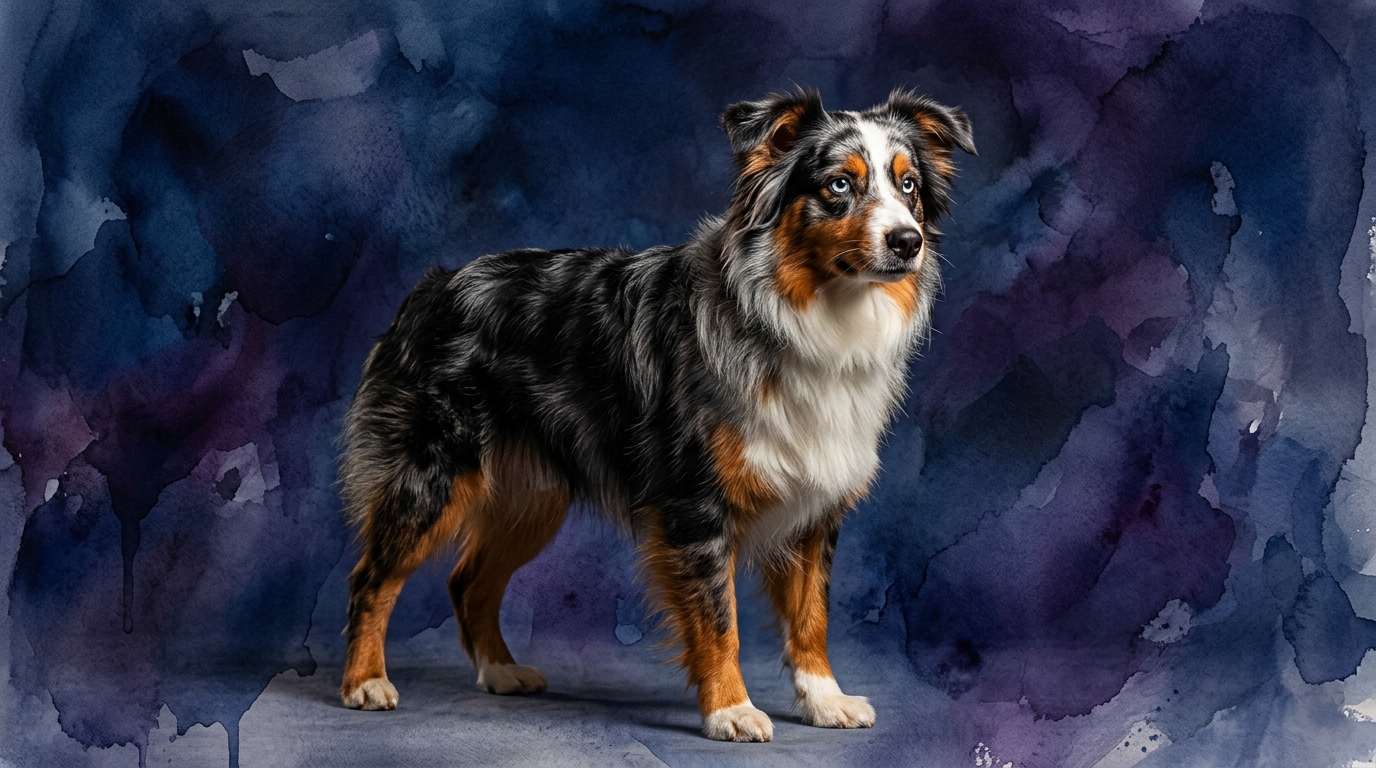
The Miniature American Shepherd, a Herding Group member not Coren-ranked, shows a different cognitive pattern. They also score 3/5 for Problem Solving, indicating they are capable learners but typically thrive with guidance rather than figuring out complex novel tasks independently. Their Training Speed, also 3/5, suggests a steady learning pace, often eager to please but requiring consistency. Social Intelligence at 3/5 means they are devoted to their families but can be more reserved or watchful around strangers, a contrast to the Samoyed’s universal friendliness. An Instinctive Drive of 3/5 points to a manageable herding instinct, often expressed through gathering family members or a tendency to nip at heels, but generally less intense than some larger herding breeds. Memory at 3/5 shows they retain commands and routines effectively.
Where the Samoyed's Mind Shines Brightest
The Samoyed's crowning cognitive achievement is undoubtedly their exceptional Social Intelligence, scoring a perfect 5/5. This isn't merely friendliness; it's a profound capacity to understand and respond to human emotional states, making them incredibly empathetic and intuitive companions. Their deep desire to be integrated into the family unit is a direct result of this high social acumen, translating into a dog that actively seeks out and thrives on human interaction and collaboration.
This superior social drive means a Samoyed is often more attuned to subtle human cues and more likely to initiate affectionate contact or attempt to 'comfort' their people. Their historical role of living closely with nomadic tribes fostered this deep bond, making them natural collaborators in a social context, even if their independent working drive sometimes makes them less compliant in formal obedience. Their ability to integrate seamlessly into a dynamic family environment, often acting as a cheerful, engaging participant in daily life, is a direct manifestation of their high social cognition.
The Cognitive Edge of the Miniature American Shepherd
The Miniature American Shepherd, while scoring comparably in many areas, demonstrates a distinct cognitive advantage in their focused and responsive Instinctive Drive (3/5), particularly when channeled into structured activities. Unlike the Samoyed's broader, more self-directed working instincts, the MAS's herding drive is often more amenable to human direction, allowing them to excel in dog sports like agility, obedience, and actual herding trials. Their inherent desire to work *with* a handler, even if their overall social intelligence is lower than a Samoyed's, gives them an edge in goal-oriented tasks.
This breed's cognitive strengths lie in their biddability and the precision with which they can apply their intelligence to tasks. While a Samoyed might be thinking 'how can I get attention?' or 'is there a squirrel?', an MAS is more likely to be focused on 'what does my handler want me to do next?' within a training context. Their reserved social intelligence (3/5) also means they are less likely to be distracted by strangers, allowing for a more focused approach to training and potentially making them better watchdogs than the universally welcoming Samoyed.
Training Dynamics: Samoyed vs. Miniature American Shepherd
When it comes to training, the core differences in their cognitive profiles become evident. The Samoyed's Training Speed (3/5) is coupled with a strong independent streak and a high Instinctive Drive (4/5) for self-directed actions like pulling or vocalizing. This means while they are socially intelligent and want to connect, they might also decide to 'do their own thing' if a command isn't sufficiently motivating or if they perceive an opportunity for more interesting self-employment. Training a Samoyed requires immense patience, positive reinforcement, and making training feel like a collaborative game rather than a strict command-and-obey scenario; they are also prone to 'Samoyed chatter,' a range of vocalizations that require early management.
The Miniature American Shepherd, despite a similar Training Speed (3/5), often presents a different training experience. Their Herding Group heritage means they possess a strong desire to work and please their handler, making them generally more responsive to structured training. However, their Instinctive Drive (3/5) still requires careful management; their tendency to 'herd' children or nip at heels needs consistent redirection and clear boundaries. They can also be sensitive, meaning harsh corrections are counterproductive and can lead to shutdown or anxiety. Both breeds benefit from early socialization, but the MAS might require more intentional exposure to diverse environments and people to build confidence beyond their immediate family circle due to their lower social intelligence score.
Matching Lifestyles: Active Owners vs. Relaxed Owners
Neither the Samoyed nor the Miniature American Shepherd is suitable for a truly 'relaxed' owner, in the sense of minimal engagement. Both are working breeds that thrive on physical activity and mental stimulation. The Samoyed, with its robust build and heritage as a sled dog, requires substantial daily exercise – long walks, runs, or engaging play sessions are critical to prevent boredom and destructive behaviors. Their thick double coat also demands regular, thorough grooming, which is a significant time commitment, often several hours per week.
The Miniature American Shepherd is also an active breed, needing daily exercise and mental challenges to satisfy their herding intelligence. They often excel in dog sports, which provide an excellent outlet for their energy and cognitive abilities. While their exercise requirements might be slightly less intense in duration compared to a Samoyed, they still need consistent engagement. Owners looking for a dog that can participate in agility or flyball would find the MAS a superb partner. For owners who prefer less grooming, the MAS's medium-length coat is generally easier to maintain than the Samoyed's voluminous fluff.
The Verdict
Choose a Samoyed if you prioritize an exceptionally social, cheerful, and highly interactive companion who thrives on deep family integration and you are prepared for significant grooming, vocalization, and daily exercise.
Opt for a Miniature American Shepherd if you seek an agile, intelligent, and biddable partner for dog sports or active family life, and are committed to consistent training to manage their herding instincts and build confidence.
🧠 Find Your Pet's IQ Score
Our Pet IQ Lab assessment covers 25+ tests across 5 cognitive dimensions — personalized to your breed.
Take the Full IQ Test →Frequently Asked Questions
Are Samoyeds difficult to train?
Samoyeds possess a moderate training speed (3/5) but also a strong independent streak, stemming from their original working roles. While they are socially intelligent and enjoy human connection, they can be stubborn and require patient, positive reinforcement and engaging training methods to ensure compliance.
Do Miniature American Shepherds need a lot of exercise?
Yes, Miniature American Shepherds are active herding dogs and require daily exercise and mental stimulation to be content. They thrive on activities like walks, runs, and dog sports such as agility or obedience, which channel their intelligence and herding drive.
Which breed is better with children?
Both breeds can be good with children when properly socialized, but their approaches differ. Samoyeds (Social Intelligence 5/5) are generally more universally friendly and tolerant, often seeing children as part of their beloved 'pack.' Miniature American Shepherd (Social Intelligence 3/5) are devoted to their family, including children, but their herding instincts might manifest as nipping at heels, requiring careful supervision and training to manage.