The Cognitive Canvas: Samoyed vs. Saint Bernard IQ Profiles
At The Cosmic Pet Pet IQ Lab, we dissect canine intelligence across five key dimensions: problem-solving, training speed, social intelligence, instinctive drive, and memory. While both the Samoyed and the Saint Bernard belong to the Working Group, their historical roles have sculpted unique cognitive profiles that merit close examination.
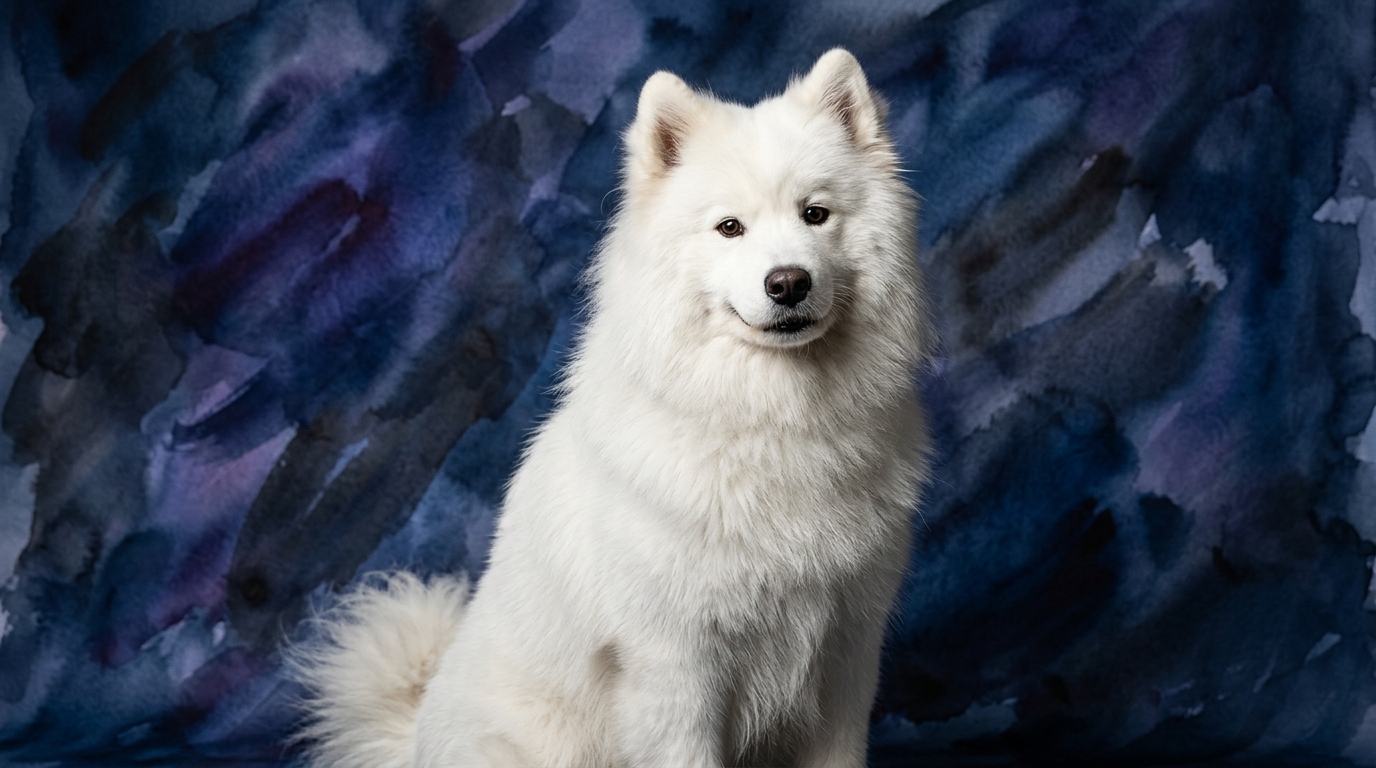
The Samoyed, with a Coren rank of #33, presents a balanced yet distinctly social intelligence profile. Our data shows a problem-solving score of 3/5, indicating a capacity for practical solutions, coupled with a training speed of 3/5, suggesting moderate receptiveness to instruction. Their social intelligence truly shines at 5/5, highlighting exceptional interpersonal awareness, supported by a strong instinctive drive of 4/5 for tasks like herding or pulling, and a memory score of 3/5, for retaining learned information.
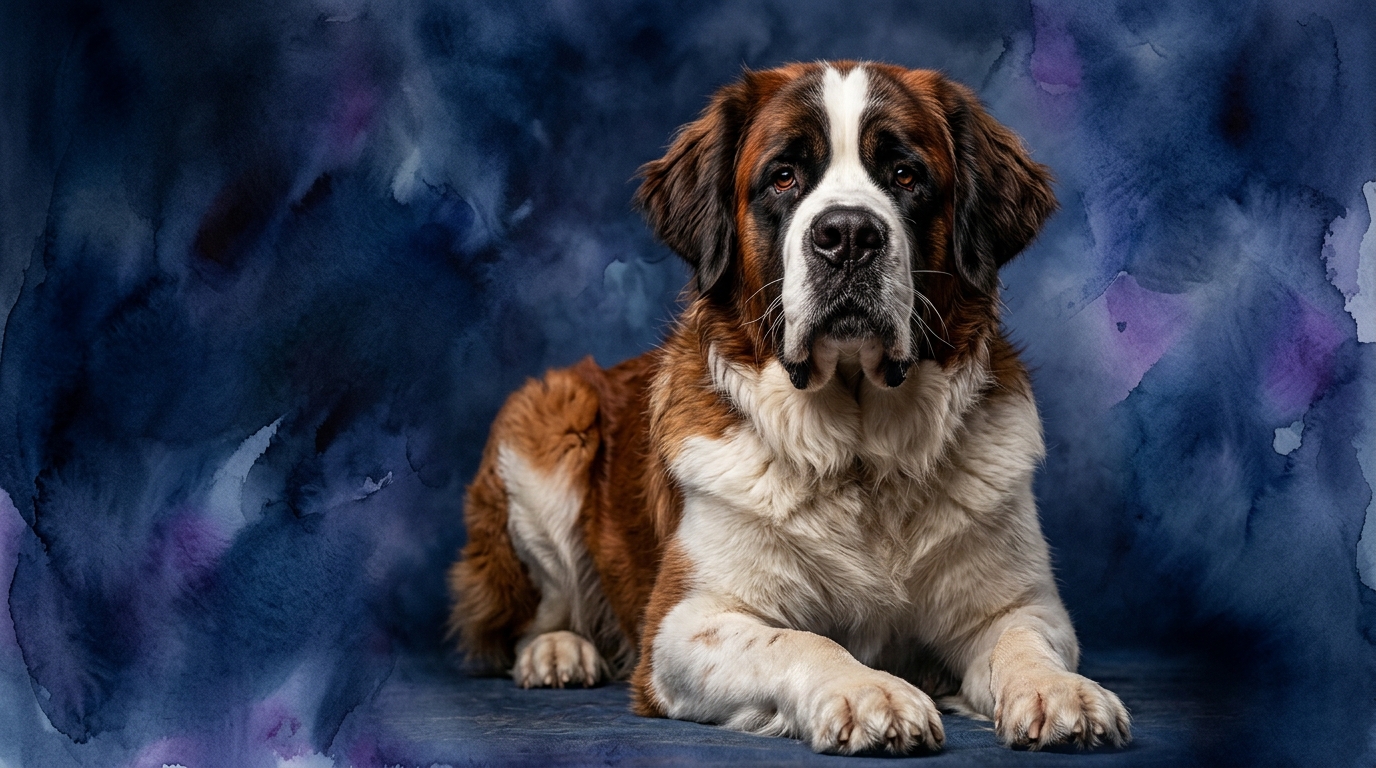
In contrast, the Saint Bernard, ranking #65 on the Coren scale, demonstrates a cognitive makeup heavily influenced by their heritage as alpine rescuers. They match the Samoyed in problem-solving at 3/5 and memory at 3/5, indicating similar baseline cognitive functions. However, their training speed is rated lower at 2/5, suggesting a more deliberate learning pace. Their social intelligence stands at a respectable 4/5, but their instinctive drive is paramount at 5/5, reflecting an inherent, powerful inclination towards their foundational purpose, such as search and rescue or guarding.
Where the Samoyed's Mind Shines Brightest
The Samoyed's intellectual prowess is most evident in its exceptional social intelligence, scoring a perfect 5/5. This isn't just about being friendly; it signifies a profound ability to read human emotions, understand complex social cues, and engage in cooperative endeavors. A Samoyed often seems to anticipate your intentions, making them remarkably attuned companions in shared activities.
This superior social acumen directly enhances their training speed (3/5). While not the fastest learners, their eagerness to engage and collaborate, combined with their ability to interpret human body language and vocalizations, means they respond well to positive reinforcement and clear communication. They thrive on being active participants in their human 'pack,' making interactive training sessions highly rewarding.
Their problem-solving ability (3/5), while on par with the Saint Bernard, often manifests in contexts requiring a degree of ingenuity within a social framework. For instance, a Samoyed might figure out how to 'herd' children away from a forbidden area or ingeniously communicate a need to their owner, leveraging their understanding of human interaction to achieve their goals.
The Saint Bernard's Instinctive Genius
The Saint Bernard's cognitive strength lies prominently in its formidable instinctive drive, rated at a powerful 5/5. This isn't just a physical attribute; it's a deep-seated mental blueprint that guides their actions, particularly in their historical role of search and rescue. This drive translates into an unwavering focus when pursuing a task they perceive as their duty, exhibiting profound determination and endurance.
Their social intelligence (4/5) is robust, though perhaps more selectively applied than the Samoyed's. Saint Bernards form incredibly strong bonds with their immediate family, displaying a deep devotion and protective instinct. Their social understanding is geared towards loyalty and companionship within their established 'pack,' making them steadfast guardians and gentle family members.
The Saint Bernard's problem-solving score of 3/5 often expresses itself through persistence and the application of known solutions, especially when those solutions align with their strong instinctive drive. Faced with an obstacle, a Saint Bernard might rely on their formidable strength and inherent purpose to methodically overcome it, rather than seeking novel, intricate workarounds. Their memory (3/5) ensures they retain the pathways and solutions that have proven effective in their environment.
Training Dynamics: Who Learns Faster?
When it comes to formal training, the Samoyed (training speed 3/5) generally presents a more receptive student compared to the Saint Bernard (training speed 2/5). This difference is not about one being 'smarter,' but about their inherent motivations and cognitive approaches to learning. The Samoyed's higher social intelligence makes them keen to understand and cooperate, often viewing training as a collaborative game.
Samoyeds respond well to clear commands and positive reinforcement, quickly grasping new concepts when their human companion engages them effectively. Their desire to please and their ability to pick up on subtle human cues mean they can progress through obedience training at a steady pace, often excelling in activities like agility or cooperative sports where teamwork is key.
The Saint Bernard, while capable of learning, approaches training with a more deliberate pace. Their potent instinctive drive means they are highly motivated by tasks that resonate with their protective or rescue heritage, but less so by repetitive drills without a clear purpose. Training a Saint Bernard requires immense patience, consistency, and a deep understanding of their individual motivations, emphasizing clear, calm communication and rewarding their steadfastness rather than demanding quick responses.
Lifestyle Compatibility: Active Explorers vs. Gentle Giants
The cognitive profiles of these two breeds offer clear insights into their ideal owner lifestyles. The Samoyed, with its high social intelligence and moderate instinctive drive for cooperative tasks, thrives with active owners who enjoy engaging their dog in various activities. They flourish when given opportunities for interactive play, long walks, and even dog sports that require teamwork, leveraging their collaborative nature.
Conversely, the Saint Bernard, characterized by its powerful instinctive drive and more relaxed training speed, aligns well with owners who appreciate a steadfast, devoted companion over a high-energy athlete. While they need regular, moderate exercise to maintain their physical health, their cognitive stimulation often comes from purposeful, structured walks, scent work, or simply being a vigilant, comforting presence to their family.
Both breeds require mental enrichment to prevent boredom, but the *type* of enrichment differs significantly. A Samoyed might enjoy puzzle toys, learning new tricks, or participating in doggy daycare for social interaction. A Saint Bernard, however, might prefer exploring a new scent trail, having a 'job' like carrying a backpack on a walk, or simply observing their environment from a comfortable spot, their powerful instincts ever-present beneath a calm exterior.
The Verdict
Choose a Samoyed if you seek a highly interactive, socially attuned companion who thrives on cooperative learning, enjoys outdoor adventures, and will actively engage in your daily life with a wagging tail and an understanding gaze.
Opt for a Saint Bernard if you appreciate a steadfast, devoted giant with a strong protective instinct, requiring patient, consistent guidance, and a more relaxed pace of life, offering unwavering loyalty and a calm, comforting presence.
🧠 Find Your Pet's IQ Score
Our Pet IQ Lab assessment covers 25+ tests across 5 cognitive dimensions — personalized to your breed.
Take the Full IQ Test →Frequently Asked Questions
Are Samoyeds difficult to train?
No, their training speed of 3/5 combined with a high social intelligence of 5/5 means Samoyeds are generally receptive to learning. They respond best to positive reinforcement and engaging, interactive methods that leverage their desire for cooperation.
Do Saint Bernards need a lot of exercise?
While they possess a strong instinctive drive (5/5), Saint Bernards are not high-energy dogs. They require moderate daily exercise, such as a couple of structured walks, to maintain their physical and mental well-being, rather than intense, prolonged activities.
Which breed is better with children?
Both breeds can be excellent with children due to their social natures. The Samoyed's superior social intelligence might make them slightly more adaptable to varied interactions, while the Saint Bernard's gentle disposition combined with their sheer size necessitates careful supervision to ensure safe interactions.