Side-by-Side IQ Profile: Samoyed vs. Shiba Inu
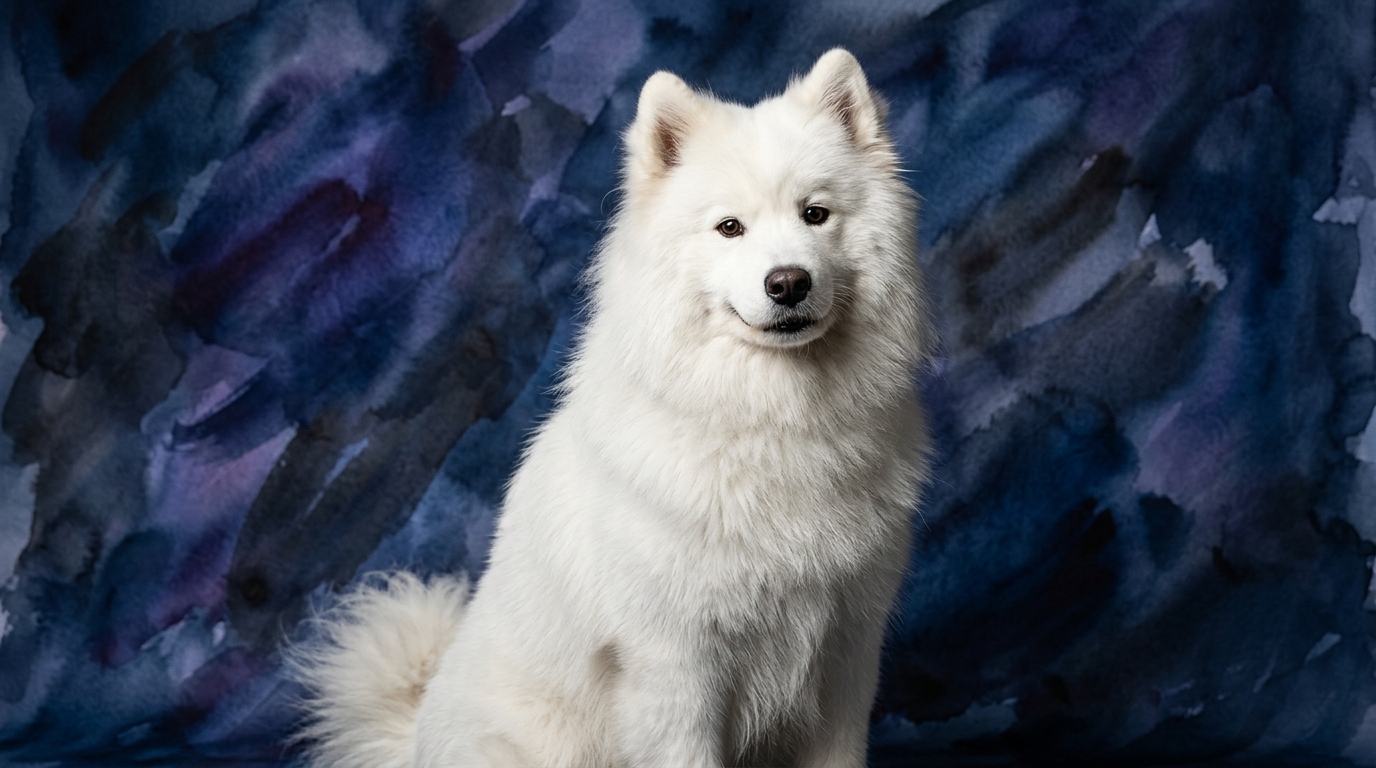
The Samoyed, historically a working sled dog, ranks #33 on Coren's intelligence list, placing it among above-average working dogs. Its cognitive profile shows a Problem Solving score of 3/5, indicating a capability for learning routines and solving straightforward environmental puzzles, often benefiting from human guidance rather than seeking complex solutions independently. Training Speed is rated 3/5; they grasp new commands at a moderate pace, exhibiting a willingness to please which aids the learning process. Their Social Intelligence is an exceptional 5/5, meaning they excel at understanding human cues, emotions, and family social structures, making them highly attuned companions. An Instinctive Drive of 4/5 reflects their heritage for pulling, herding, and companionship within a pack, manifesting as a desire for purpose and activity. Finally, their Memory is 3/5, suggesting effective retention of learned commands and routines, though not necessarily complex sequences or detailed environmental layouts with high precision.
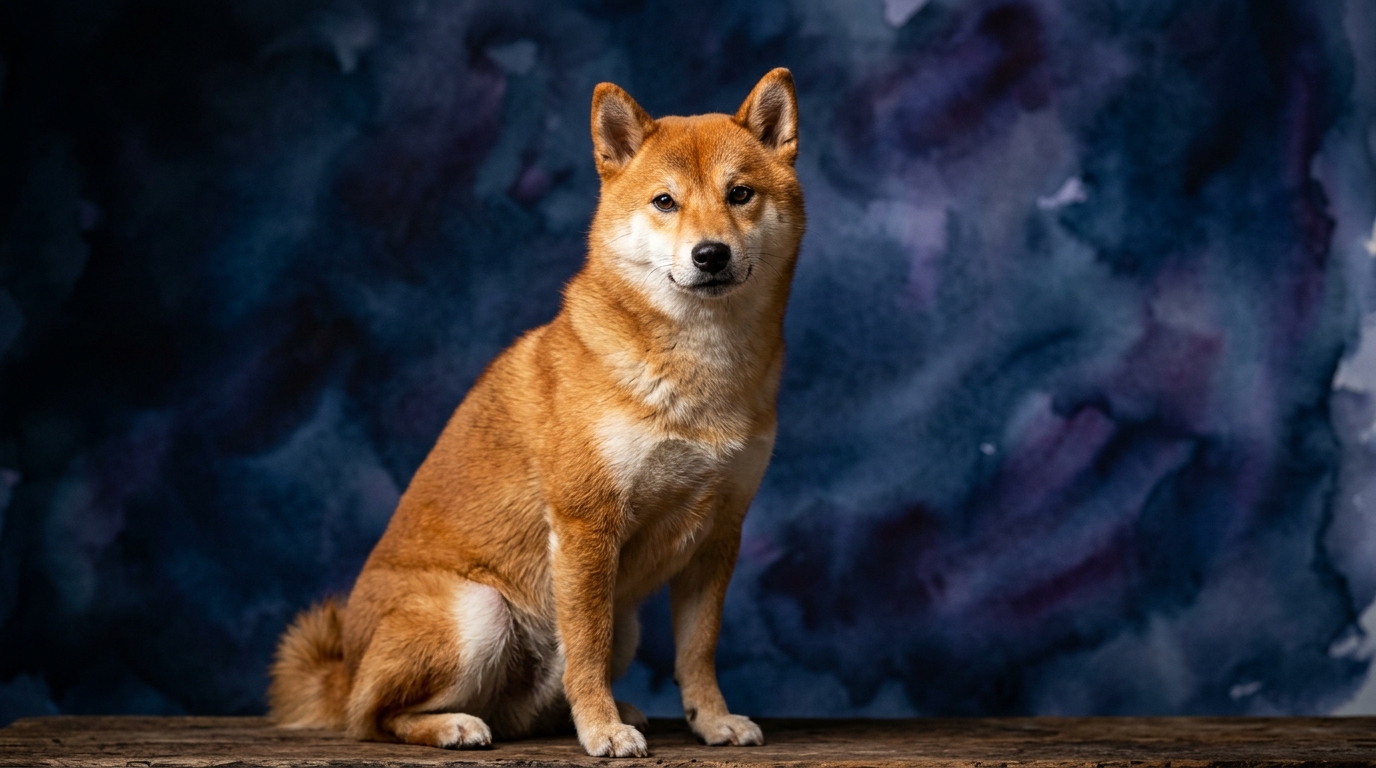
The Shiba Inu, a non-sporting breed not included in Coren's specific ranking, possesses a distinct cognitive makeup. Its Problem Solving score is 4/5, demonstrating a notable capacity for independent problem-solving, often figuring out how to achieve goals through clever observation and trial-and-error. Training Speed is 2/5; while capable of learning, their progress is often hampered by their independent nature and selective hearing, requiring patient, consistent, and highly motivating methods. Social Intelligence is 3/5, indicating they observe their environment and human interactions keenly but often process information through a lens of self-interest, being discerning in their affections and less overtly empathetic than Samoyeds. Their Instinctive Drive is a powerful 5/5, rooted in strong prey drive, independent hunting instincts, and territorial awareness, leading to a desire to explore, chase small animals, and guard their perceived territory. Their Memory is 4/5, showing good retention for experiences, people, and places, contributing to their ability to learn from past events and navigate their environment.
Where the Samoyed Wins Cognitively
The Samoyed truly shines in the realm of social intelligence, scoring a perfect 5/5. This means they possess an exceptional ability to interpret human body language, vocal tones, and emotional states, making them deeply empathetic and responsive companions. Their cognitive strengths lie in cooperative tasks, where their desire to work alongside humans enhances their ability to understand and execute complex group instructions. This collaborative spirit means they often anticipate human needs and respond to subtle cues, fostering a profound bond. In scenarios requiring team effort or nuanced emotional understanding, the Samoyed's cognitive architecture is uniquely suited to excel.
Where the Shiba Inu Wins Cognitively
Conversely, the Shiba Inu's cognitive prowess is most evident in its independent problem-solving capabilities, earning a 4/5. These dogs exhibit a remarkable knack for strategic thinking when faced with an obstacle, often devising creative, self-serving solutions to achieve their objectives. Their high instinctive drive (5/5), rooted in their hunting heritage, fuels this cognitive strength, as they are constantly assessing their environment for opportunities and challenges. This manifests as a sharp observational intelligence and an ability to learn from consequences, remembering which actions lead to desired outcomes. When left to their own devices, a Shiba's mind is actively engaged in navigating its world with ingenuity and self-reliance.
Which is Easier to Train and Why
When evaluating ease of training, the Samoyed generally presents a more straightforward experience for most owners. Their 3/5 training speed, combined with their exceptional 5/5 social intelligence, means they are inherently more inclined to cooperate and respond to human direction. They grasp new commands at a moderate pace, motivated by praise and the desire to maintain a harmonious relationship with their family. A Samoyed’s cognitive framework is geared towards partnership, making them receptive to consistent positive reinforcement and clear communication. Their willingness to engage and inherent empathy mean they are often eager to please, translating into quicker command acquisition and better recall. In contrast, the Shiba Inu, with a 2/5 training speed and 3/5 social intelligence, presents a different challenge. While capable of learning, their independent nature and strong instinctive drive (5/5) mean they often weigh commands against their own perceived self-interest. They are not inherently driven by a strong desire to please humans in the same way. Training a Shiba requires immense patience, creativity, and high-value rewards to maintain their focus and motivation. Their problem-solving skills, while impressive, can sometimes be directed towards outsmarting their trainer rather than obeying. Behavioral differences like the Samoyed's inherent desire for companionship versus the Shiba's self-sufficient temperament directly impact their trainability, making the Samoyed generally more amenable to traditional training methods.
Suitability for Active vs. Relaxed Owners
Considering their cognitive and behavioral profiles, both breeds benefit from active engagement, but their ideal owner types diverge. The Samoyed, with its 4/5 instinctive drive rooted in its sled-pulling heritage, thrives with owners who can provide consistent physical activity and mental stimulation that involves companionship. They are best suited for active owners who enjoy long walks, hiking, or even dog sports like agility or carting, and who desire a constant furry shadow participating in their adventures. Their strong social intelligence means they genuinely enjoy being part of family activities and can become distressed if left alone for extended periods. They are partners in activity. The Shiba Inu, possessing an even higher 5/5 instinctive drive, also requires significant physical and mental exercise, but their independent problem-solving nature means this activity can often be more self-directed or involve tasks that tap into their hunting instincts. They excel with active owners who understand the need for secure outdoor spaces for exploration, who can engage them in scent work, or provide puzzle toys that challenge their ingenuity. However, unlike the Samoyed, a Shiba is less likely to be a constant companion in every activity; they appreciate their independence and may prefer to observe or explore on their own terms during walks. While they need activity, they are not necessarily seeking constant cooperative engagement. Therefore, Samoyeds suit active owners seeking a highly interactive and cooperative partner, while Shibas suit active owners who appreciate a more independent, self-sufficient canine companion that still requires significant mental and physical outlets.
The Verdict
Opt for a Samoyed if you seek a highly empathetic, cooperative companion eager to participate in family life and motivated by partnership and praise, thriving in a socially interactive environment.
Select a Shiba Inu if you appreciate an independent, clever, and often self-sufficient canine with a strong problem-solving drive, capable of entertaining itself but still requiring significant mental and physical engagement.
🧠 Find Your Pet's IQ Score
Our Pet IQ Lab assessment covers 25+ tests across 5 cognitive dimensions — personalized to your breed.
Take the Full IQ Test →Frequently Asked Questions
Do Samoyeds or Shiba Inus adapt better to new environments?
Samoyeds, with their higher social intelligence and cooperative nature, generally adapt more readily to new environments and routines, especially when their human companions provide reassurance and consistent social interaction. Shibas, given their independent and discerning temperament, might take longer to acclimate, preferring to assess new surroundings on their own terms before fully settling in.
Which breed is better for first-time dog owners?
The Samoyed is often a more suitable choice for first-time dog owners due to their higher social intelligence and eagerness to please, making training and integration into a family generally smoother. The Shiba Inu's independent nature and strong instinctive drives can present more challenges for inexperienced owners who may struggle with consistent training and managing their self-sufficient tendencies.
How do their problem-solving skills differ in everyday situations?
A Samoyed's problem-solving often manifests in cooperative ways, like figuring out how to get your attention for a walk or retrieving a dropped item, often seeking human assistance. A Shiba Inu, conversely, might independently solve problems like opening a cabinet to get a treat or navigating a tricky fence line, relying more on their own ingenuity and less on human direction.