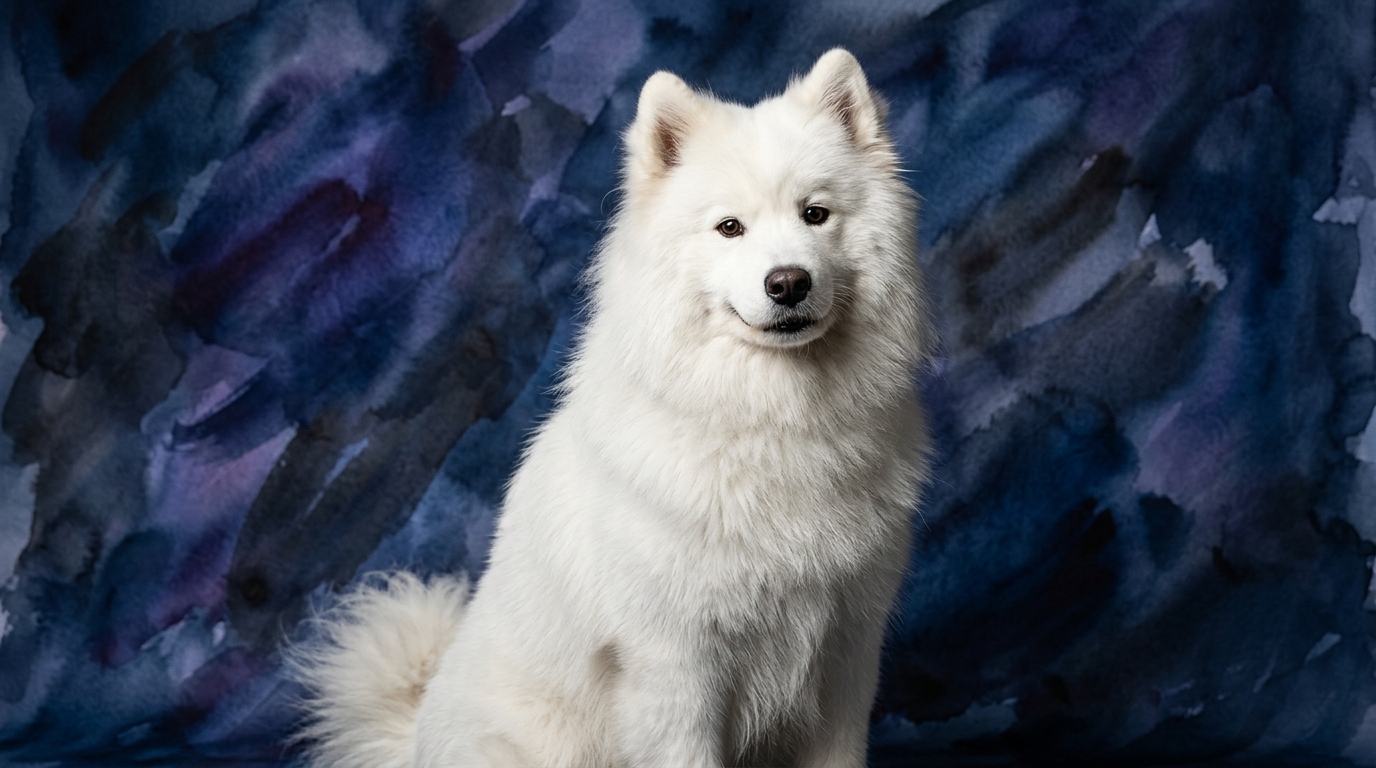
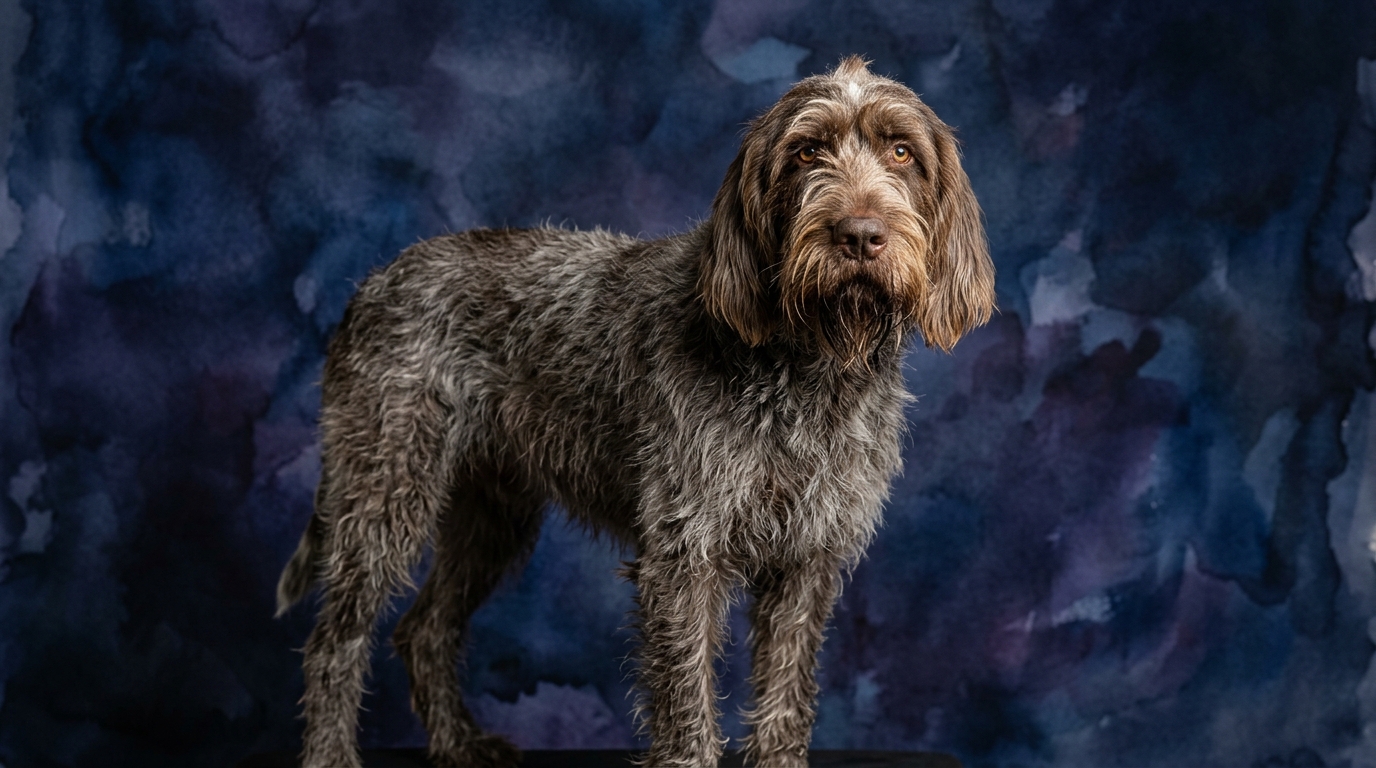
A Side-by-Side Look at Canine Cognition
The Cosmic Pet Pet IQ Lab employs five key dimensions to evaluate a breed's cognitive profile, offering a nuanced understanding beyond simple labels. For the Samoyed and Spinone Italiano, these dimensions reveal a mix of similarities and striking differences.
The Samoyed, a venerable Working breed, holds a respectable Coren rank of #33, indicating a significant capacity for learning and obedience. Their Problem Solving is rated at 3/5, suggesting they can navigate moderately complex challenges but may not consistently seek out new mental puzzles. Training Speed also sits at 3/5, meaning they learn new commands at a steady, average pace, thriving on engaging and consistent methods. Where the Samoyed truly shines is in Social Intelligence, scoring a perfect 5/5; these dogs are exceptionally attuned to human emotions and social cues, forming deep, responsive bonds. Their Instinctive Drive is strong at 4/5, a reflection of their heritage as herding and sled dogs, leading to a natural inclination for purposeful tasks. Finally, their Memory is 3/5, indicating a solid retention of learned information and experiences, though occasional refreshers are beneficial.
The Spinone Italiano, a Sporting breed, does not have a Coren ranking, which means its specific obedience intelligence hasn't been as widely measured in the same standardized way, but our IQ metrics still provide valuable insights. In Problem Solving, the Spinone Italiano also scores 3/5, showing a capable but not necessarily innovative approach to new challenges. Their Training Speed matches the Samoyed at 3/5, suggesting they progress steadily with patience and positive reinforcement. Their Social Intelligence is rated at 3/5, making them friendly and amiable companions, but perhaps less acutely sensitive to subtle human social nuances compared to the Samoyed. The Spinone Italiano's Instinctive Drive is 3/5, reflecting a moderate hunting and retrieving drive typical of its sporting background, present but not overwhelmingly intense. Their Memory, like the Samoyed, stands at 3/5, signifying an average capacity for recalling commands and routines over time.
Where the Samoyed's Cognitive Strengths Lie
The Samoyed's primary cognitive advantage lies in its exceptional Social Intelligence, scoring a full 5 out of 5. This attribute means Samoyeds are incredibly perceptive to human emotions, body language, and vocal tones, making them remarkably empathetic and responsive companions. They possess a profound ability to interpret subtle cues, often anticipating their owner's moods or intentions, which translates into an almost intuitive connection. This high social acumen drives their desire for interaction and makes them inherently cooperative when they feel part of a bonded team.
Furthermore, the Samoyed’s strong Instinctive Drive of 4/5 provides a powerful cognitive resource that, when properly channeled, makes them highly motivated for tasks. Rooted in their historical roles of herding reindeer and pulling sleds across vast, icy landscapes, this drive manifests as an inherent need for purpose and engagement. It means they are not just capable but often eager to participate in activities that require focus, endurance, and collaboration. This drive, combined with their social intelligence, makes them excellent candidates for dog sports like agility, obedience, or even therapy work, where their natural inclinations are utilized and celebrated.
Where the Spinone Italiano's Cognitive Profile Excels
While the Spinone Italiano doesn't boast higher individual scores than the Samoyed in any single category, its cognitive strengths emerge from its balanced and consistent profile. The Spinone’s moderate Instinctive Drive of 3/5, compared to the Samoyed’s 4/5, can be a distinct advantage for owners seeking a companion whose natural drives are present but more manageable. This means the Spinone exhibits a focused yet not overwhelming drive for hunting or retrieving, making them less prone to single-minded pursuit of prey or constant need for intense working tasks. Their drive is persistent and deliberate, allowing for a more relaxed integration into family life without the same intense management of working instincts.
Moreover, the Spinone Italiano's consistent 3/5 across all five cognitive dimensions – problem-solving, training speed, social intelligence, instinctive drive, and memory – signifies a remarkably uniform cognitive baseline. This cognitive consistency translates into a predictable and steady temperament, which can be invaluable for owners who appreciate a dog with fewer extreme highs or lows in their mental landscape. This balanced approach to learning and interaction can lead to a more reliably responsive and adaptable companion in various situations, minimizing cognitive surprises and offering a calm, even-keeled presence in the home.
Training Dynamics: Samoyed vs. Spinone Italiano
Both the Samoyed and the Spinone Italiano share a Training Speed rating of 3/5, indicating that neither breed is inherently faster or slower at picking up new commands. However, the 'why' behind their training experiences differs significantly, largely due to their divergent social intelligence and instinctive drives.
The Samoyed, with its exceptional 5/5 Social Intelligence, is often highly motivated by human interaction, praise, and the desire to be an integral part of the family unit. This makes them eager to cooperate and learn when they feel connected to their trainer and understand the purpose of the exercise. Their strong bond with humans means they respond well to positive reinforcement and clear, consistent communication. However, their 4/5 Instinctive Drive, particularly for independent work like herding or pulling, can sometimes lead to a stubborn streak or a tendency to follow their own instincts if training isn't engaging enough or if their working needs are not adequately met. Owners must leverage their social nature and provide ample mental stimulation to prevent boredom and maintain focus.
The Spinone Italiano, with its 3/5 Social Intelligence, is amiable and good-natured but may not possess the same intense 'eagerness to please' that stems from a higher social drive. They are cooperative but might require more patience and a different motivational approach. Their moderate 3/5 Instinctive Drive means they are less likely to be sidetracked by overpowering working urges compared to the Samoyed, offering a more focused learner in some contexts. Training a Spinone benefits from fairness, consistency, and often incorporates their natural hunting instincts through scent work or retrieving games, making it enjoyable and relevant to their inherent predispositions. They respond well to a calm, confident handler who uses positive methods, understanding that a strong bond is built on mutual respect rather than intense social dependence.
Lifestyle Match: Active vs. Relaxed Owners
When considering which breed aligns best with an owner's lifestyle, the cognitive profiles of the Samoyed and Spinone Italiano offer clear guidance regarding activity levels and engagement.
The Samoyed is generally a better fit for active owners who can commit to providing consistent mental and physical stimulation. Their strong 4/5 Instinctive Drive and the need for purpose mean they thrive when given a job, whether it's participating in dog sports, going on long hikes, or engaging in complex obedience training. Their 5/5 Social Intelligence also means they require significant human interaction and companionship; they are not content to be left alone for extended periods without engagement. Owners who enjoy an active outdoor lifestyle and are prepared to channel a dog's inherent working drives into meaningful activities will find a deeply rewarding partnership with a Samoyed.
The Spinone Italiano, while a sporting breed, is more suited for moderately active owners or those who appreciate a companion capable of both activity and calm relaxation. Their moderate 3/5 Instinctive Drive means they enjoy regular exercise, such as daily walks, field work, or family outings, but they typically aren't as relentlessly demanding for constant activity as a Samoyed. Their 3/5 Social Intelligence indicates they are friendly and enjoy family time but may not require the same intense level of constant social engagement. Owners who desire a companion for enjoyable outdoor activities balanced with a calm, amiable presence in the home will find the Spinone Italiano to be an excellent match, appreciating their steady nature and adaptability.
The Verdict: Choosing Your Canine Companion
The Verdict
Choose the Samoyed if you seek a deeply communicative, highly socially responsive companion eager for shared activities and capable of forming an intense, almost intuitive bond, and you are prepared to consistently channel their strong working instincts into purposeful engagement.
Choose the Spinone Italiano if you prefer an amiable, steady companion with a balanced temperament, who enjoys moderate activity and a calm home life, without the intense social or working demands that might require constant management.
🧠 Find Your Pet's IQ Score
Our Pet IQ Lab assessment covers 25+ tests across 5 cognitive dimensions — personalized to your breed.
Take the Full IQ Test →Frequently Asked Questions
Are Samoyeds prone to separation anxiety due to their high social intelligence?
Samoyeds' exceptional social intelligence means they thrive on companionship and can develop separation distress if left alone for extended periods without adequate preparation. Their strong bond with their human family makes consistent presence and gradual desensitization to solitude important for their well-being.
Can a Spinone Italiano be a good apartment dog despite its sporting background?
A Spinone Italiano can adapt to apartment living if provided with sufficient daily exercise and mental stimulation to satisfy its moderate sporting drives. Regular walks, playtime, and perhaps some scent work will help keep them content in a smaller space and prevent boredom.
How do their memory scores impact training long-term?
Both breeds share a 3/5 memory score, indicating they retain information reasonably well but benefit from periodic refreshers of commands and routines. This means consistency in training and occasional practice sessions are important for both breeds to ensure long-term retention of learned behaviors.