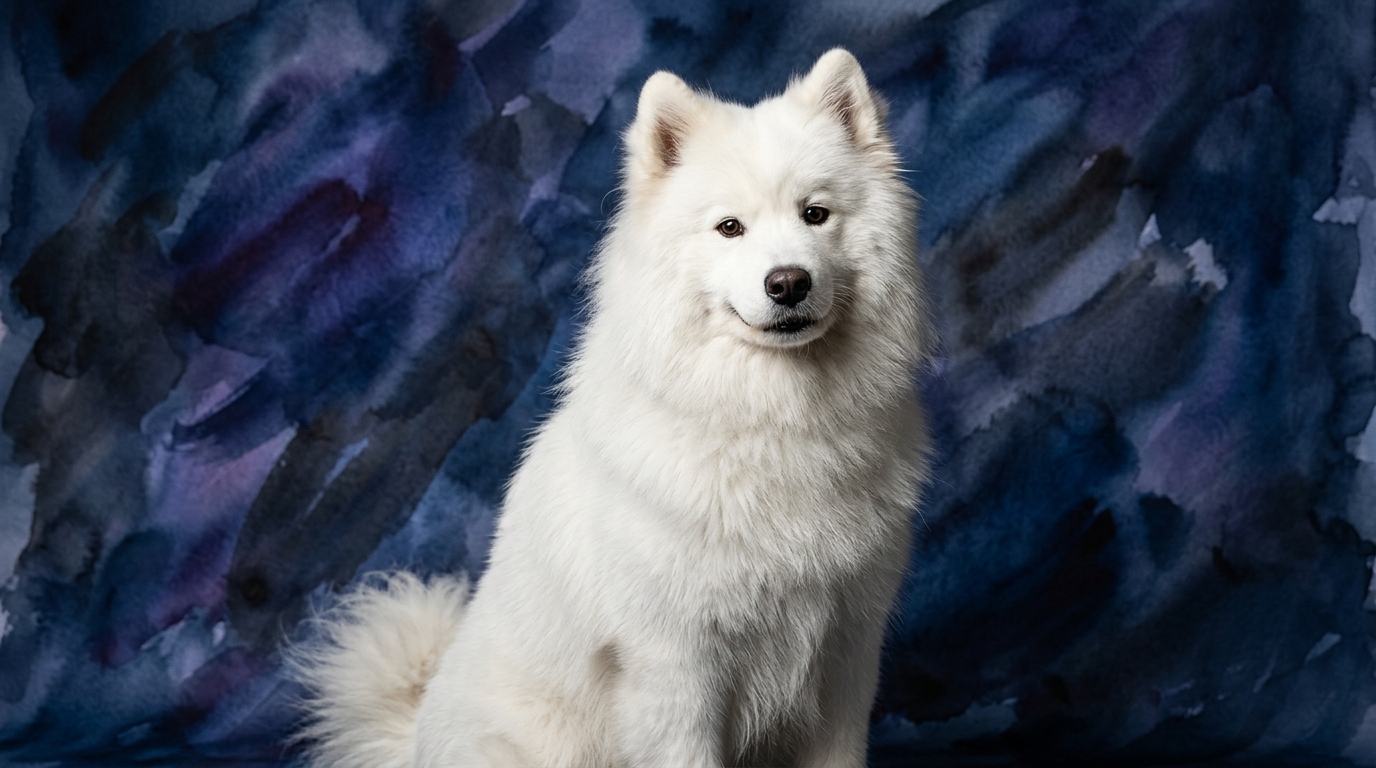
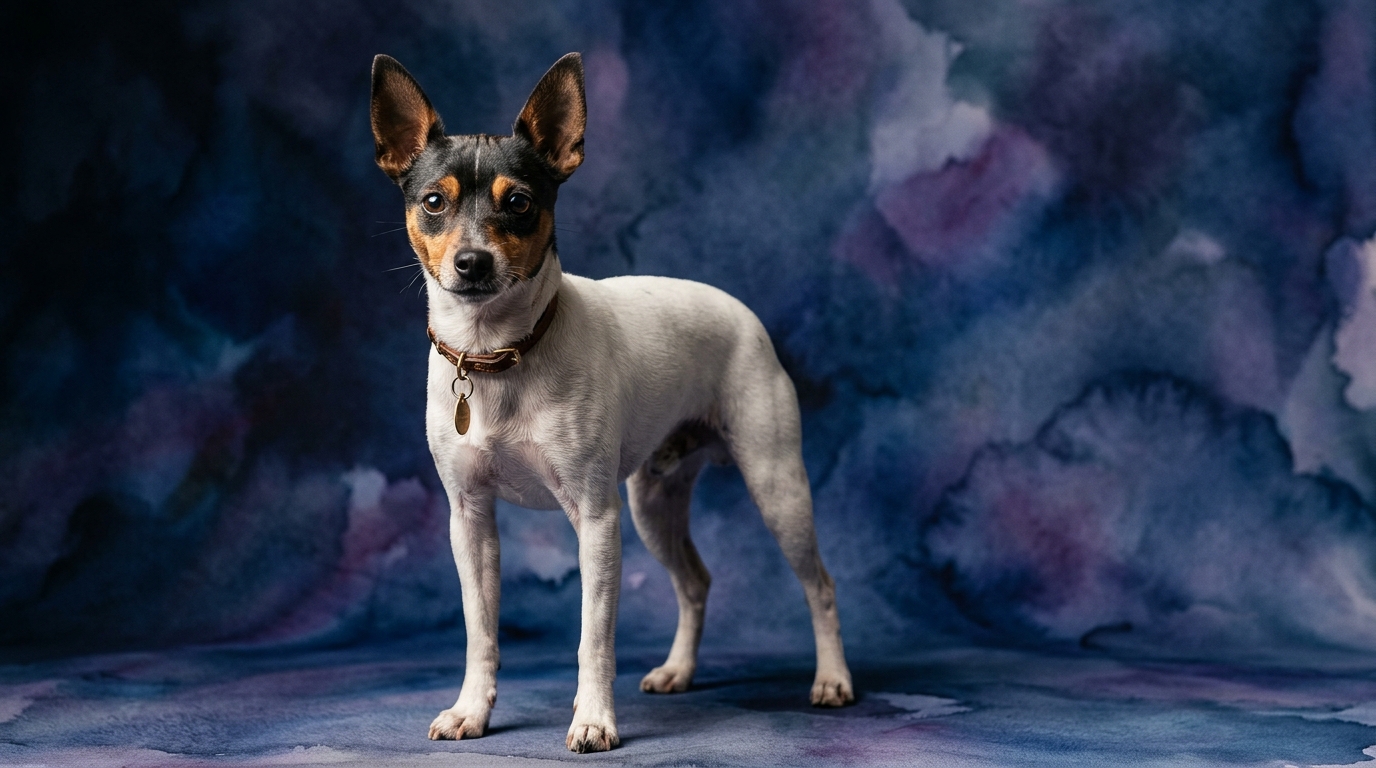
Side-by-Side Cognitive Profiles: Samoyed vs. Toy Fox Terrier
The Samoyed, a robust working dog with a Coren ranking of #33, exhibits a unique blend of cooperative intelligence. Its problem-solving ability scores 3 out of 5, indicating it can navigate challenges but often prefers human guidance rather than independent innovation. Training speed is also 3 out of 5, meaning they are capable learners, though not always quick to comply without proper motivation. Where the Samoyed truly shines is in social intelligence, earning a perfect 5 out of 5; these dogs are exceptionally attuned to human emotions and thrive on partnership. Their instinctive drive registers a strong 4 out of 5, reflecting their historical roles in pulling sleds and herding reindeer, tasks requiring focused intent. Memory for the Samoyed is a consistent 3 out of 5, allowing them to retain commands and routines with regular reinforcement.
In contrast, the Toy Fox Terrier, an unranked member of the Toy group, presents a different cognitive landscape. Its problem-solving score is 3 out of 5, suggesting a capacity for figuring out immediate obstacles, often through persistence, but without deep strategic planning. Training speed mirrors the Samoyed at 3 out of 5; while quick to grasp new concepts, their independent terrier spirit can sometimes make consistent execution a challenge. Social intelligence for the Toy Fox Terrier is 3 out of 5; they are aware of their human companions but maintain a more self-sufficient demeanor compared to the highly collaborative Samoyed. Their instinctive drive is 3 out of 5, primarily manifesting as a keen prey drive and a desire for individual exploration. Memory for the Toy Fox Terrier is also 3 out of 5, meaning they remember experiences and commands reliably but typically require consistent cues.
Where the Samoyed's Cognition Excels
The Samoyed's paramount cognitive strength lies in its exceptional social intelligence, scoring a perfect 5 out of 5. This makes them unparalleled partners in activities requiring mutual understanding and shared goals. Unlike many breeds, Samoyeds don't just respond to commands; they actively seek to collaborate, often anticipating human intentions and adjusting their behavior accordingly. This deep social awareness allows them to excel in cooperative sports like canicross or skijoring, where their strong instinctive drive (4/5) for pulling merges seamlessly with their desire to work alongside their person. Their ability to read subtle cues means they integrate into family dynamics with remarkable ease, often acting as sensitive emotional barometers for their households. This collaborative spirit also translates into a profound bond, making them highly motivated to participate in activities that strengthen their connection with their human 'pack.'
Furthermore, their robust instinctive drive, particularly for tasks involving sustained effort and direction, gives them a cognitive edge in specific working contexts. While their problem-solving isn't about independent innovation, it's highly effective when applied to guided tasks. For instance, a Samoyed navigating an obstacle course with an owner provides an example of their cognitive strengths: they process the owner's directions, remember the sequence of obstacles, and apply their physical prowess to achieve a shared objective, all driven by their innate desire for purpose and companionship. This combination of social acuity and focused drive makes them uniquely suited for roles that demand both heart and brawn.
Where the Toy Fox Terrier's Cognition Shines
While the Toy Fox Terrier's individual cognitive scores might not numerically exceed the Samoyed's, their particular blend of problem-solving (3/5) and instinctive drive (3/5) allows them to excel in situations demanding quick, independent thought and tenacious focus on specific tasks. Their terrier heritage imbues them with a self-reliant approach to challenges; they are adept at figuring out how to access a dropped toy under furniture or navigate a complex scent trail without constant human intervention. This isn't about grand strategic planning, but rather an efficient, opportunistic intelligence that serves them well in their traditional role of vermin control.
Their cognitive strengths are often best observed in contexts that reward agility, speed, and individual pursuit. The Toy Fox Terrier’s moderate instinctive drive, while not as high as the Samoyed’s, is channeled into bursts of focused energy, making them excellent candidates for agility courses or games that simulate hunting. They process information rapidly in dynamic environments, making split-second decisions based on immediate stimuli. Their 3/5 social intelligence means they are not overly dependent on constant human direction, fostering a spirited independence that appeals to owners who appreciate a dog with its own agenda and a confident, can-do attitude, even if that means they occasionally 'problem-solve' their way into mischief.
Ease of Training: Samoyed vs. Toy Fox Terrier
When it comes to training, both the Samoyed and the Toy Fox Terrier share a 3 out of 5 rating for training speed, yet the *nature* of their trainability differs significantly due to other cognitive factors. The Samoyed, despite its moderate training speed, often appears easier to train for cooperative tasks because of its exceptional 5/5 social intelligence. They possess a deep desire to please their family and actively seek human interaction, which makes them highly receptive to positive reinforcement methods that build on their bond. Their challenge often lies in managing their strong instinctive drive and independent Spitz nature, meaning consistency and clear, engaging instruction are crucial to prevent boredom or stubbornness from taking over. They want to work *with* you, but they also want the work to be meaningful and engaging.
The Toy Fox Terrier, also with a 3/5 training speed, presents a different set of considerations. Their 3/5 social intelligence means they are less inherently driven by human approval and more by their own internal motivations or tangible rewards. Training a Toy Fox Terrier often requires a more strategic approach, using high-value treats or engaging games to capture their attention and overcome their independent streak. Their moderate instinctive drive, often manifesting as a keen interest in chasing, can be both a distraction and a powerful motivator if channeled correctly. They can learn commands quickly, but their willingness to consistently obey might fluctuate based on their interest level or the presence of more enticing environmental stimuli. Owners must be patient, creative, and consistent, understanding that a Toy Fox Terrier often needs a compelling reason to comply beyond simply pleasing their person.
Lifestyle Match: Active vs. Relaxed Owners
Choosing between a Samoyed and a Toy Fox Terrier based on lifestyle hinges significantly on an owner's activity level and desire for canine partnership. The Samoyed is an ideal match for active owners who relish outdoor adventures and seek a deeply engaged companion. Their strong instinctive drive (4/5) and high social intelligence (5/5) mean they thrive on having a 'job' alongside their people, whether it’s hiking, pulling a sled, participating in dog sports, or simply being an integral part of all family activities. They require substantial physical exercise and mental stimulation, becoming restless and potentially destructive if their needs are not met. A Samoyed wants to be where their people are, doing what their people are doing, making them unsuitable for owners seeking a more independent, low-maintenance companion.
Conversely, the Toy Fox Terrier, while energetic, is better suited for owners who might prefer a more relaxed pace or have less expansive outdoor space. Their exercise needs are considerable for a small dog but are more manageable than a Samoyed's, often satisfied with brisk walks, indoor play sessions, and interactive games. Their moderate social intelligence (3/5) and independent problem-solving (3/5) mean they are content with periods of self-entertainment, though they still cherish human companionship. They can adapt well to apartment living provided their mental and physical needs are met through structured play and training. An owner who appreciates a spirited, confident, and somewhat self-sufficient dog that can hold its own, but doesn't demand constant, high-octane collaborative activity, would find a Toy Fox Terrier a delightful fit.
The Verdict
Choose the Samoyed if you seek a highly cooperative, socially attuned companion for outdoor adventures and shared activities, valuing a strong, communicative bond over instant, robotic obedience.
Choose the Toy Fox Terrier if you prefer an independent, spirited companion who thrives on individual engagement, enjoys agility, and fits a more compact living space with moderate, focused exercise needs.
🧠 Find Your Pet's IQ Score
Our Pet IQ Lab assessment covers 25+ tests across 5 cognitive dimensions — personalized to your breed.
Take the Full IQ Test →Frequently Asked Questions
Are Samoyeds good family dogs?
Yes, their exceptional social intelligence (5/5) makes them highly attuned to human emotions and excellent with children, provided they receive appropriate training and socialization from a young age. They thrive on being an active, integrated part of the family 'pack' and cherish close companionship.
What kind of mental stimulation does a Toy Fox Terrier need?
Toy Fox Terriers benefit greatly from puzzle toys, short, engaging training sessions focusing on tricks, and opportunities for chasing and 'hunting' games that tap into their instinctive drive. Agility or earthdog trials can also be excellent outlets for their quick minds and bodies, keeping them mentally sharp and engaged.
How do their different Coren rankings impact their trainability?
The Samoyed's Coren rank of #33 suggests a capable learner, often more receptive to human direction due to their high social intelligence, though their independent streak requires consistency. The Toy Fox Terrier is unranked, implying a more independent or less consistently obedient nature in general obedience contexts, often requiring higher motivation and more creative training methods to engage their spirited minds.