Side-by-Side IQ Profile: Digging Deeper than the Numbers
At first glance, the Sealyham Terrier and American Foxhound appear to possess identical cognitive profiles, each scoring 3/5 across all five dimensions within The Cosmic Pet Pet IQ Lab framework. However, these identical scores manifest in remarkably different ways, reflecting their divergent histories and instincts. Understanding these nuances is key to appreciating their unique mental strengths.
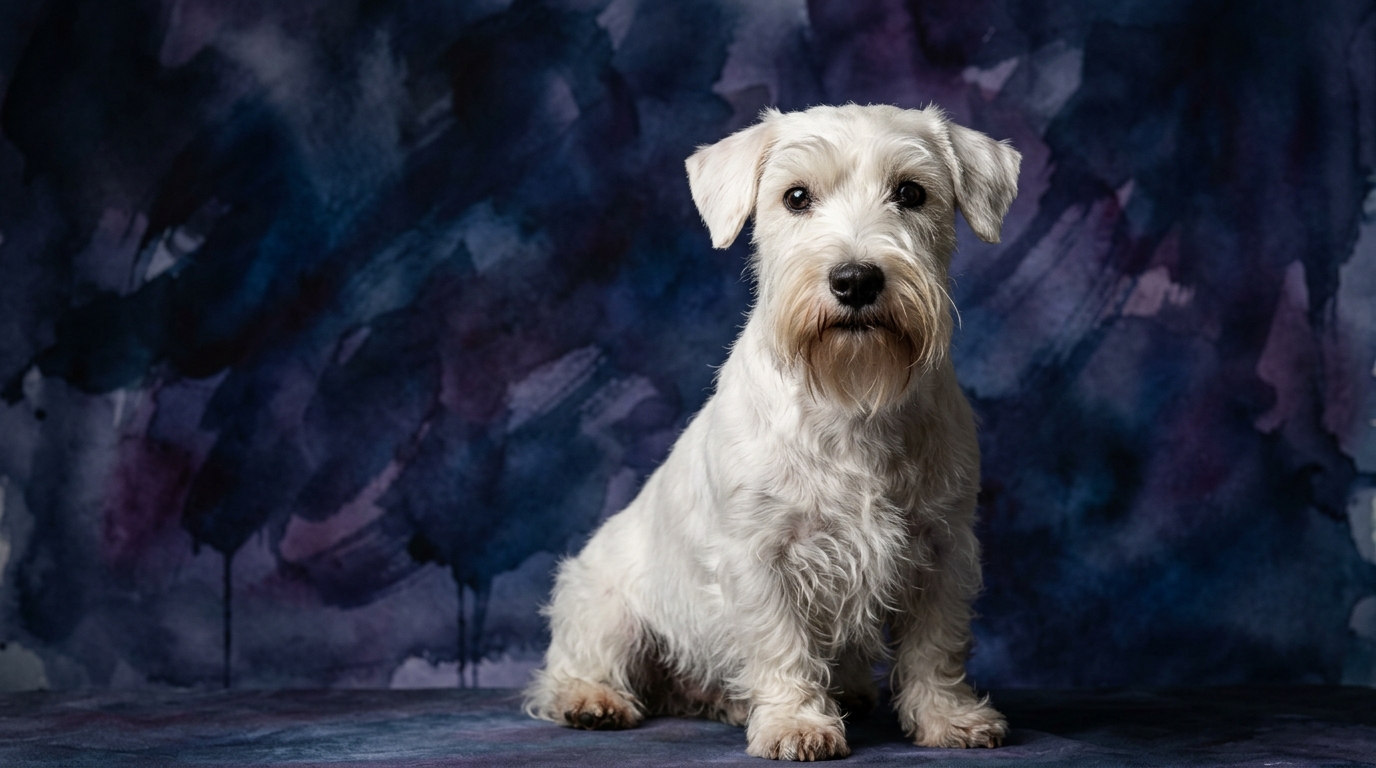
For the **Sealyham Terrier**, a 3/5 in **Problem Solving** speaks to a tenacious, independent approach to overcoming obstacles, particularly those related to their prey drive. This isn't about abstract logic, but rather a persistent, sometimes cunning, ability to navigate physical challenges or outwit small quarry. Their **Training Speed** at 3/5 indicates they are capable learners, but their independent spirit means they require engaging, consistent methods that respect their terrier will. They can pick up commands quickly when motivated, but might prioritize an interesting scent or perceived 'job.' Their **Social Intelligence** (3/5) reflects their strong bond with their human family, often displaying a watchful and sometimes assertive demeanor towards strangers or other animals, typical of a guardian terrier. The 3/5 for **Instinctive Drive** is heavily influenced by their powerful prey drive, an ingrained desire to hunt and dig, which significantly shapes their daily interactions and focus. Finally, their **Memory** (3/5) allows them to retain learned behaviors and routines, but also to recall locations of interest or past 'victories' in their environment, applying their experiences effectively.
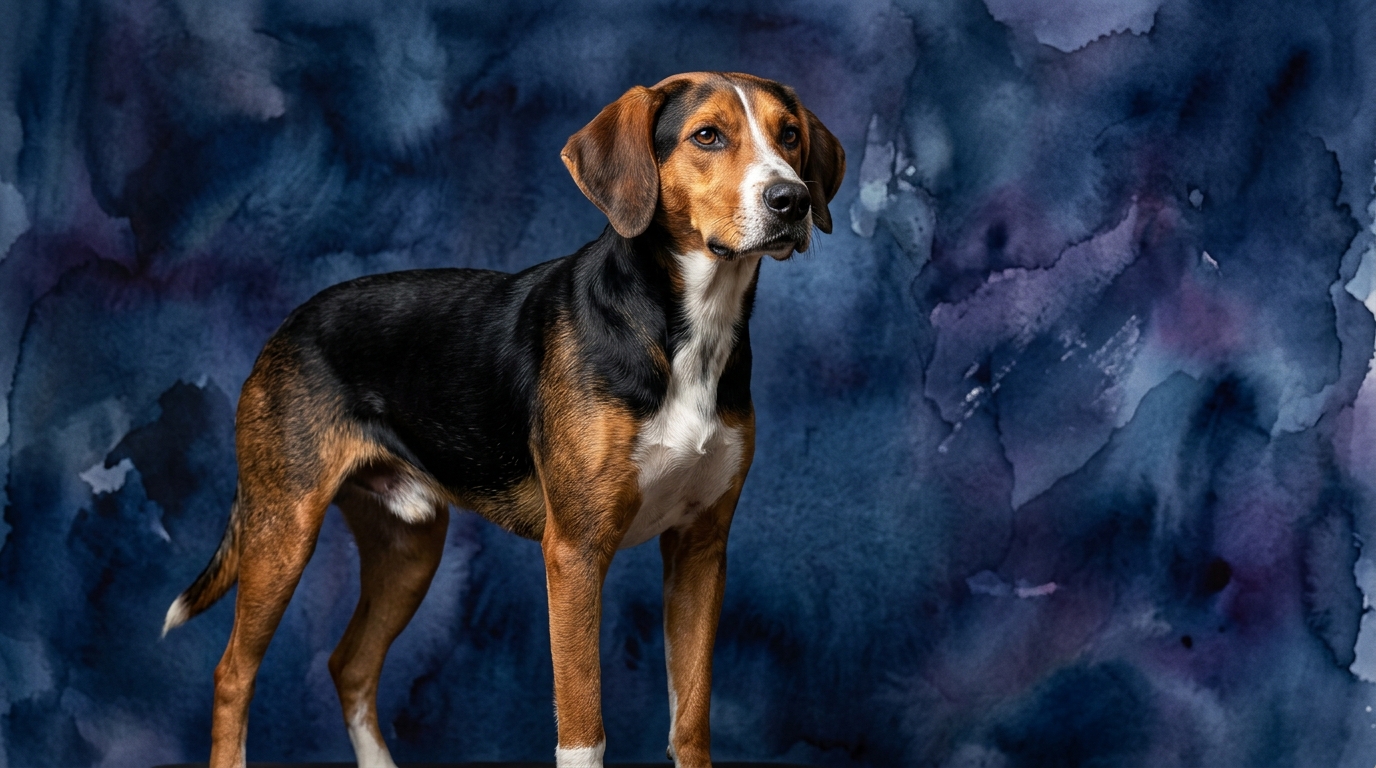
The **American Foxhound**, also rated 3/5 in all categories, presents a distinct interpretation of these scores. Their **Problem Solving** (3/5) is primarily geared towards scent work and endurance. They excel at deciphering complex scent trails, navigating varied terrain over long distances, and working cooperatively to achieve a hunting objective. This is a specialized form of problem-solving, less about manipulating objects and more about environmental interpretation. Their **Training Speed** (3/5) means they are capable of learning, but their powerful scent drive can make them easily distracted, requiring patience and methods that capitalize on their natural instincts rather than fighting them. A Foxhound might learn a command quickly but choose to ignore it if a compelling scent intervenes. Their **Social Intelligence** (3/5) is rooted in their pack heritage; they are typically amiable with other dogs and generally friendly with people, but their primary focus during activity is often the hunt itself, not necessarily intricate human interaction. The 3/5 **Instinctive Drive** is almost entirely dominated by their formidable scenting ability and desire to run and chase. This drive is a central component of their cognitive makeup, directing much of their attention and behavior. Their **Memory** (3/5) is superb for recalling scent patterns, mapping out familiar hunting grounds, and remembering the intricacies of a trail, allowing them to pick up where they left off or follow a track with unwavering focus.
Where the Sealyham Terrier Excels Cognitively
The Sealyham Terrier's cognitive strengths shine in situations demanding independent thought and tenacious execution within a focused scope. Their 3/5 Problem Solving score manifests as a persistent ingenuity when faced with a specific challenge, such as figuring out how to access a hidden toy or navigating a complex household obstacle course. This isn't about abstract reasoning, but rather practical, determined resourcefulness. Their 3/5 Social Intelligence, while not always overtly demonstrative, allows them to quickly assess new people or situations, often displaying a protective discernment that stems from their territorial instincts. They excel at understanding the specific dynamics of their immediate family unit, adapting their behaviors to elicit desired responses from their closest companions. Furthermore, their memory is acutely tuned to environmental details relevant to their immediate surroundings, allowing them to recall where a forgotten treat might be or the most efficient route through a familiar space.
Where the American Foxhound Excels Cognitively
The American Foxhound's cognitive prowess lies in its specialized sensory intelligence and endurance-based problem-solving. Their 3/5 Problem Solving score is best observed in their ability to methodically unravel a complex scent trail, requiring sustained focus, spatial reasoning over vast distances, and an intricate understanding of environmental cues. This is a form of deep, persistent cognitive engagement that few breeds can match. Their 3/5 Instinctive Drive, primarily their scenting ability, is not just a physical trait but a cognitive superpower, allowing them to process and prioritize olfactory information with incredible precision. This specialization means they excel in tasks requiring sustained, singular focus on a sensory input, often overriding other distractions. Their social intelligence, while less about nuanced human interaction, allows for seamless cooperative work within a group, a crucial cognitive skill for a pack animal, demonstrating an innate understanding of group dynamics and roles.
Which is Easier to Train and Why
Determining which breed is 'easier' to train is less about raw capacity (both are 3/5 for Training Speed) and more about understanding their primary motivations and potential distractions. The Sealyham Terrier, with its independent terrier spirit, can learn commands quickly, but its eagerness might be tied to its current interest or a perceived 'job.' They require engaging, varied training sessions to prevent boredom and to overcome their natural stubbornness, which can emerge if they don't see the immediate value in a command. Their strong prey drive means an interesting squirrel can easily override a 'stay' command, demanding consistent reinforcement and proofing in distracting environments. They often respond well to positive reinforcement and play-based rewards, making training feel like a partnership.
The American Foxhound, conversely, presents a different training challenge. While capable of learning, their overwhelming scent drive is a constant, powerful distraction. A Foxhound on a captivating trail might appear to be ignoring commands, but in reality, its cognitive resources are entirely dedicated to processing the olfactory information. Training a Foxhound effectively means harnessing this drive, often through scent work or activities that allow them to use their nose. Off-leash reliability can be a significant hurdle due to their tendency to 'go deaf' to commands when a compelling scent presents itself. Patience, consistency, and a deep understanding of their hound nature are paramount. While a Sealyham might choose not to comply, a Foxhound might genuinely not register the command over a more powerful sensory input. Therefore, for an owner seeking a dog that is consistently attentive to commands in varied environments, the Sealyham might *feel* easier to train, despite both having a 3/5 training speed, because their distractions are often more manageable than a Foxhound's all-consuming scent drive.
Suitability for Active vs. Relaxed Owners
The distinction between these breeds becomes particularly clear when considering owner lifestyles. The Sealyham Terrier, despite its compact size, is not a 'relaxed' dog in the traditional sense. Their 3/5 Instinctive Drive for hunting and digging means they require consistent mental engagement and physical outlets for their energy. They thrive with owners who can provide structured play, puzzle toys, and opportunities for 'terrier work,' even if that means supervised digging in a sandbox or scent games in the yard. While they can adapt to apartment living if their needs are met, a truly relaxed owner might find their independent spirit and demand for engagement challenging. They are best suited for active owners who enjoy interactive play and can provide consistent training and boundaries.
The American Foxhound, with its enduring scent drive and stamina, is unequivocally suited for highly active owners. Their 3/5 Instinctive Drive demands extensive physical exercise and opportunities to use their nose, ideally in large, secure areas or on leashed scent walks. They are not content with short strolls around the block; they need to run, track, and explore. A truly relaxed owner will struggle immensely with a Foxhound's energy levels and need for sensory stimulation, which can lead to destructive behaviors or excessive baying if unmet. They are ideal for owners who enjoy hiking, running, or participating in scent work or field trials, and who have the space and time to dedicate to their substantial exercise requirements. Their pack mentality means they often do well with canine companions, but their primary need is for activity that engages their powerful nose and legs.
The Verdict
Choose the Sealyham Terrier if you appreciate a determined, independent companion with a sharp mind for practical problem-solving in a home environment and can provide consistent, engaging mental stimulation.
Opt for the American Foxhound if you are a highly active individual or family, passionate about outdoor adventures, and eager to engage with a dog whose cognitive world is dominated by scent, endurance, and the joy of the chase.
🧠 Find Your Pet's IQ Score
Our Pet IQ Lab assessment covers 25+ tests across 5 cognitive dimensions — personalized to your breed.
Take the Full IQ Test →Frequently Asked Questions
Do Sealyham Terriers and American Foxhounds learn at the same pace?
Both breeds score 3/5 in Training Speed, indicating a similar capacity for learning. However, the Sealyham's independence and the Foxhound's powerful scent drive mean their training challenges and motivations differ significantly, requiring tailored approaches from their owners.
Which breed is better for a family with children?
The Sealyham Terrier, with its strong family bond and watchful nature, can be an excellent family dog, though its terrier assertiveness requires supervision with very young children. American Foxhounds are generally amiable but their high energy and focused scent drive mean they might be less consistently attentive to young children, and their exercise needs are substantial for any family.
Can either breed live happily in an apartment?
A Sealyham Terrier *can* adapt to apartment living if their significant needs for mental engagement, structured play, and daily exercise are consistently met. An American Foxhound is generally not well-suited for apartment life due to their immense energy levels, need for vast running space, and strong inclination to bay, which can be problematic in close quarters.