Side-by-Side IQ Profile: Unpacking Identical Scores
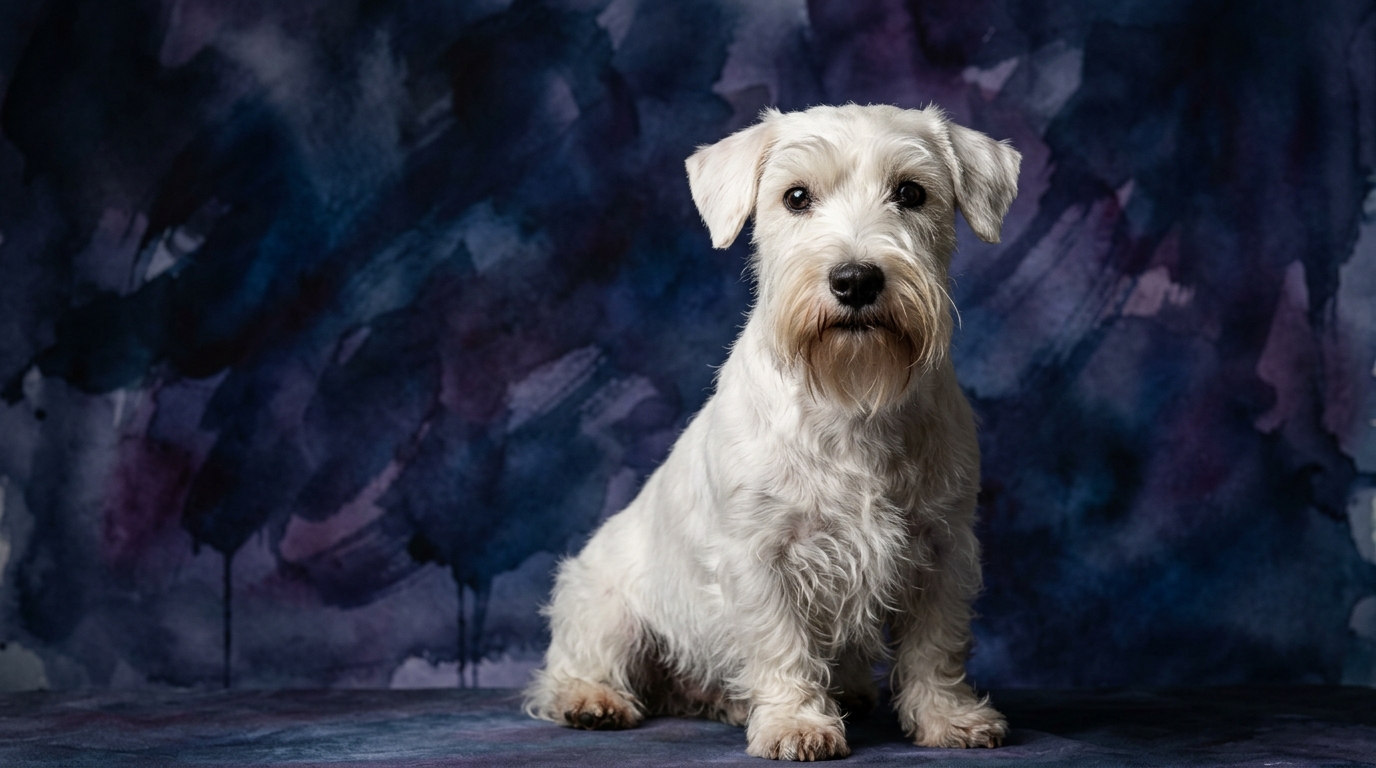
The Sealyham Terrier, a plucky member of the Terrier group, exhibits a 3/5 in Problem Solving through its tenacity in figuring out how to reach or extract small quarry, often involving clever manipulation of objects or persistent digging. Its Training Speed, also at 3/5, reflects a capability to learn but often with a confident, independent streak that requires engaging and patient instruction to truly shine. Social Intelligence, rated 3/5, is evident in their alert awareness of household dynamics and their deep, often comical, connection with their chosen family members, though they can be reserved with strangers. The breed's Instinctive Drive, a solid 3/5, strongly centers on its core terrier purpose: investigating, digging, and pursuing small, often unseen, creatures. Finally, their Memory, also 3/5, allows them to recall routines, learned commands, and past experiences with a surprising accuracy that informs their future interactions and responses.
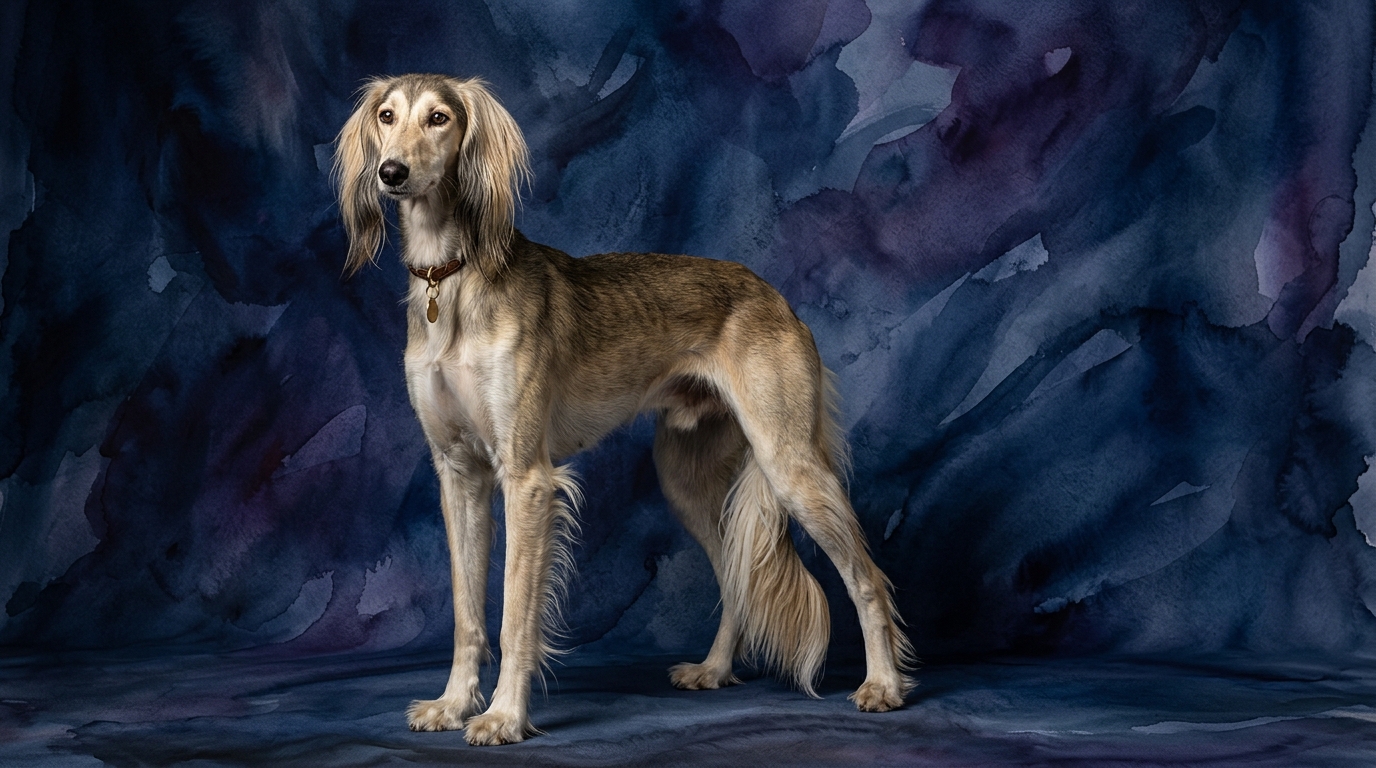
The Saluki, an ancient and elegant Sighthound, demonstrates its 3/5 Problem Solving primarily through its incredible spatial awareness and ability to strategize the most efficient pursuit path across varied terrain to intercept a moving target. Its Training Speed, also 3/5, indicates a capacity for learning, yet this is often tempered by an inherent independence and sensitivity, meaning they respond best to gentle, consistent methods rather than repetition or force. Social Intelligence, at 3/5, manifests as a profound, albeit sometimes reserved, bond with their immediate family, often intuiting moods and needing quiet companionship, while generally maintaining a dignified distance from unfamiliar individuals. The Saluki's Instinctive Drive, a powerful 3/5, is almost entirely dedicated to the visual detection and swift, relentless chase of anything that moves quickly. Their Memory, also 3/5, is particularly sharp for remembering landscapes, boundaries, and the specific locations of comfort or interest, alongside previously learned cues.
Where the Sealyham Terrier Wins Cognitively
The Sealyham Terrier often demonstrates a cognitive edge in scenarios demanding direct, manipulative problem-solving and persistent, close-quarters investigation. Their terrier tenacity means they excel at tasks requiring them to overcome physical barriers or figure out how to access a hidden item, exhibiting a robust mental fortitude to keep trying different approaches until a solution is found. This breed's cognitive strengths lean towards a more 'hands-on' approach to problem-solving, where they actively engage with their environment to achieve a goal, often showing a resourceful independence in their decision-making. They are particularly adept at tasks that mimic their historical role of flushing out quarry, requiring a focused, determined mental effort within a confined or complex space.
Where the Saluki Wins Cognitively
Conversely, the Saluki's cognitive strengths shine in the realm of rapid visual processing, spatial reasoning, and strategic pursuit over open distances. Their breed-specific problem-solving, though rated identically at 3/5, manifests as an unparalleled ability to quickly analyze vast visual information, predict the trajectory of a moving object, and execute complex, high-speed maneuvers to intercept it. This involves an instantaneous assessment of speed, direction, and environmental factors, making them masters of dynamic, real-time decision-making in a chase. Their memory for landscapes and routes is exceptional, allowing them to navigate and recall complex outdoor environments with precision, a key advantage in their sighthound heritage.
Which is Easier to Train and Why
While both breeds share a 3/5 Training Speed score, their inherent behavioral differences significantly impact the training experience. The Sealyham Terrier, with its confident and sometimes stubborn terrier nature, can be a rewarding student if an owner approaches training with creativity and consistency. They thrive on engaging, varied sessions that leverage their desire to work alongside their human, often responding well to positive reinforcement like food rewards or favorite toys. Their independent problem-solving might lead them to test boundaries, but their underlying drive to interact and please their family means they can be shaped effectively with patience and clear communication.
The Saluki, on the other hand, presents a different kind of training challenge. Their sighthound independence, coupled with a sensitive and sometimes aloof temperament, means they are not typically driven by a strong desire to please in the same way some other breeds are. Repetitive drills can quickly bore them, and harsh methods will likely lead to withdrawal or resistance. Training a Saluki requires a deep understanding of their unique psyche: gentle, force-free methods, short and engaging sessions, and a focus on building a trusting relationship. They excel in activities that tap into their natural instincts, such as lure coursing, where their incredible focus and drive become assets, but mastering conventional obedience might require more time and a highly tailored approach.
Suited for Active vs. Relaxed Owners
For owners seeking a companion that balances activity with indoor relaxation, the Sealyham Terrier makes an excellent choice. While they require consistent daily walks and mental stimulation to prevent boredom and destructive behaviors, they are generally content to snuggle up indoors once their needs are met. Their activity levels are moderate, enjoying varied outings that could include exploring new scents, playing fetch, or even participating in earthdog trials. They suit owners who appreciate a dog that is ready for adventure but also enjoys cozy evenings at home, and who can provide outlets for their natural digging and investigative instincts.
The Saluki, despite its elegant and often tranquil indoor demeanor, is fundamentally a high-energy athlete requiring significant physical output. These sighthounds need regular opportunities to run at full speed, ideally in a securely fenced area where they can stretch their legs without risk of chasing after perceived prey. While they are often described as 'couch potatoes' inside, this calm is contingent upon their intense exercise needs being met. They are best suited for active owners who can commit to providing consistent, high-intensity outdoor activity, such as regular trips to a large, safe dog park or a private, fenced property, ensuring their powerful instincts for the chase are satisfied in a controlled environment.
The Verdict
Choose the Sealyham Terrier if you desire a robust, characterful companion with a keen, persistent mind for solving practical puzzles and a strong, affectionate bond with its family.
Opt for the Saluki if you appreciate a graceful, independent, and sensitive dog with incredible speed and spatial intelligence, and you can provide ample, safe opportunities for them to run freely.
🧠 Find Your Pet's IQ Score
Our Pet IQ Lab assessment covers 25+ tests across 5 cognitive dimensions — personalized to your breed.
Take the Full IQ Test →Frequently Asked Questions
Are Sealyham Terriers good family dogs?
Yes, Sealyham Terriers can be wonderful family dogs, forming strong bonds with their human companions and often displaying a playful, affectionate nature. They generally get along well with respectful children, though their terrier instincts mean early socialization is important.
Do Salukis need a lot of exercise?
While often calm indoors, Salukis absolutely require a significant amount of high-intensity exercise to be truly content and healthy. They are sprinters and need regular, safe opportunities to run at full speed, ideally in a securely fenced area.
What are the main differences in their trainability?
Despite identical training speed scores, Sealyham Terriers are often more eager to engage with their owner in training, though their independence can require patience. Salukis are more independent and sensitive, requiring very gentle, positive reinforcement methods and often performing best when training aligns with their natural sighthound instincts.