Side-by-Side Cognitive Profile
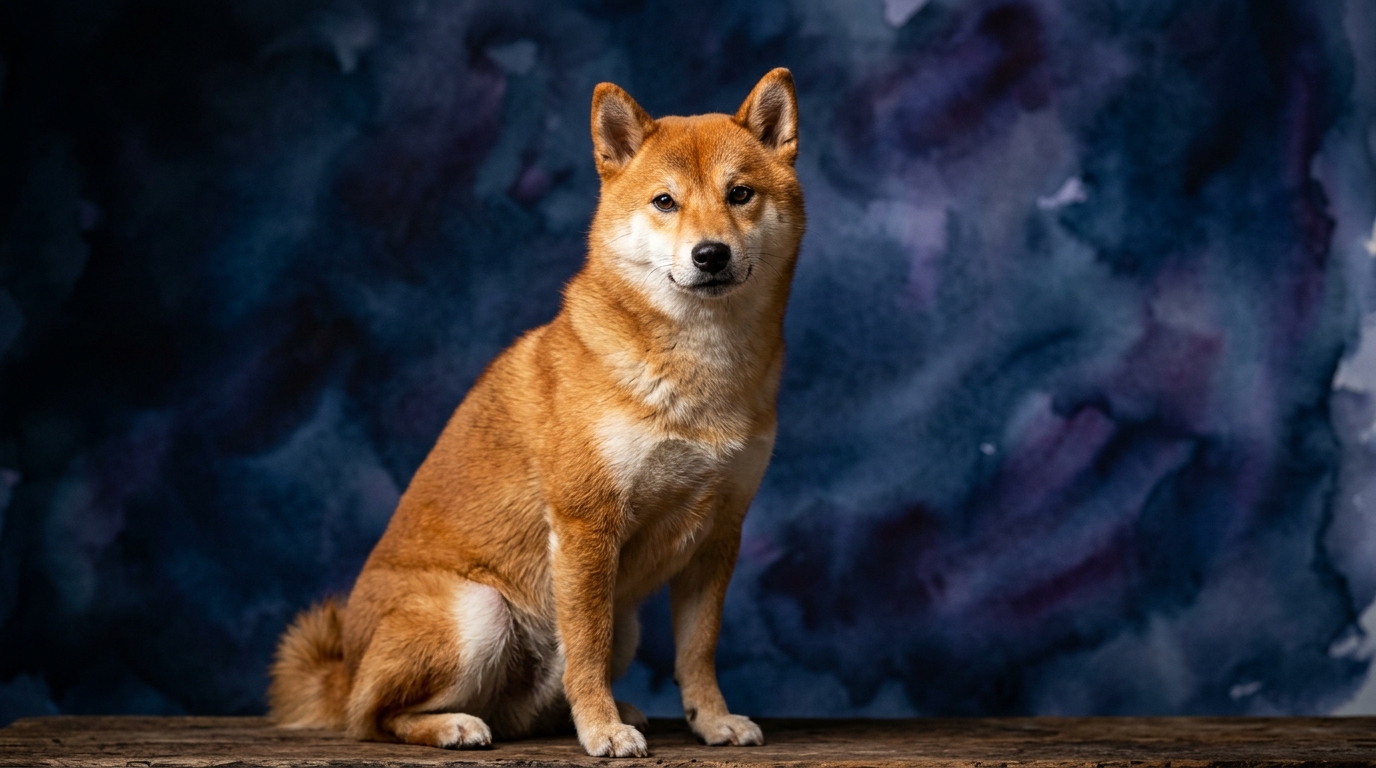
The Cosmic Pet Pet IQ Lab assesses canine intelligence across five key dimensions, offering a nuanced look beyond simple 'smart or not' labels. For the Shiba Inu, a breed not ranked by Coren, we observe a robust cognitive makeup: Problem Solving at 4/5, indicating a strong capacity for independent thought and figuring things out; Training Speed at 2/5, suggesting a more deliberate or independent approach to learning commands; Social Intelligence at 3/5, reflecting a moderate understanding of social cues; Instinctive Drive at a powerful 5/5, highlighting their deep connection to primal behaviors; and Memory at 4/5, showing a good retention of experiences and learned information.
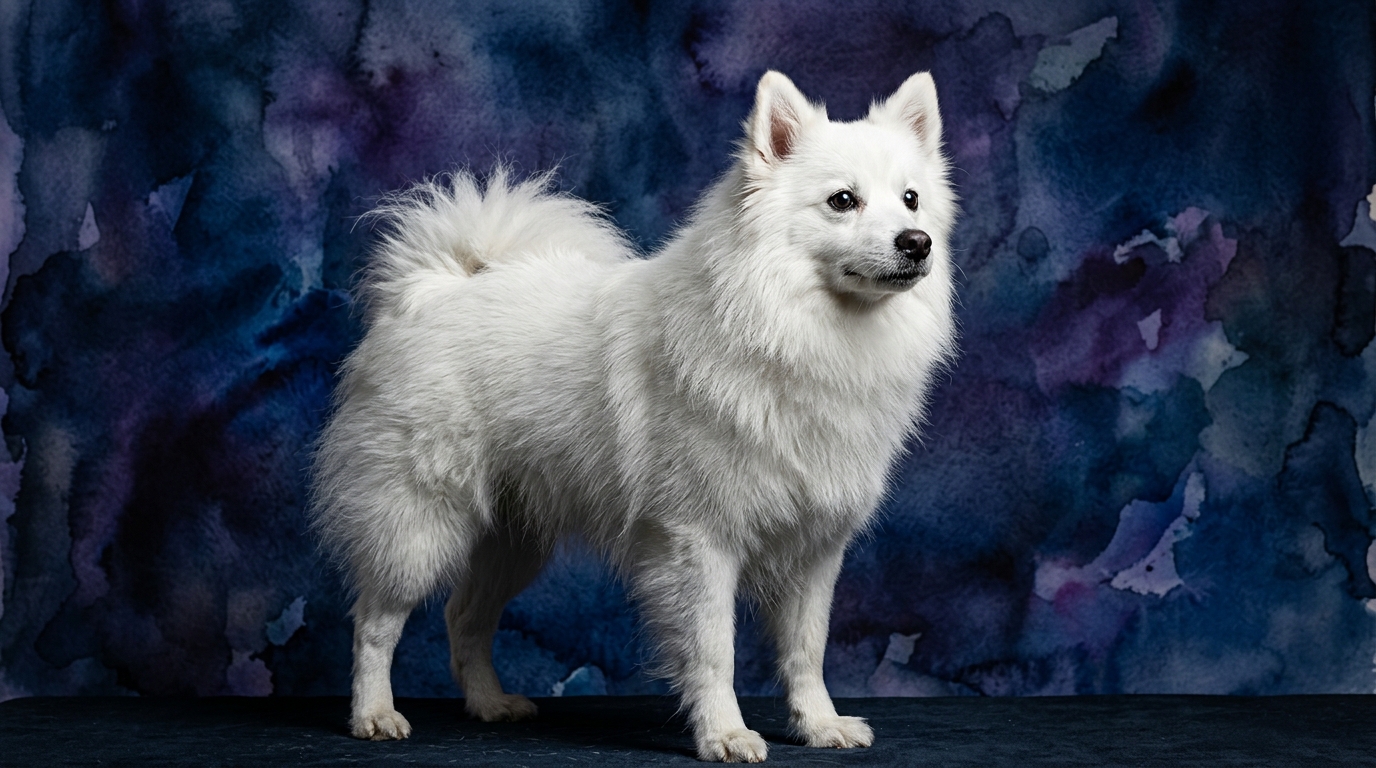
In contrast, the American Eskimo Dog, also unranked by Coren, presents a more balanced, moderate cognitive profile. Their Problem Solving is rated 3/5, indicating competence but perhaps less independent cunning than the Shiba. Training Speed comes in at 3/5, suggesting a reasonable pace for acquiring new skills. Social Intelligence matches the Shiba at 3/5, indicating a similar level of awareness in social contexts. Instinctive Drive is a moderate 3/5, meaning their natural urges are present but less overwhelming. Finally, their Memory is also a balanced 3/5, allowing for adequate recall of routines and commands without the Shiba's depth.
Where the Shiba Inu Leads Cognitively
The Shiba Inu demonstrates a clear cognitive advantage in two primary areas: problem-solving and instinctive drive. Their 4/5 rating in Problem Solving signifies a breed adept at independent thought, capable of devising creative solutions to perceived obstacles, whether it's figuring out how to open a gate or accessing a coveted treat. This mental agility means they are often one step ahead, requiring owners to be equally clever in their containment and enrichment strategies.
Furthermore, the Shiba's 5/5 Instinctive Drive is unparalleled in this comparison. This profound connection to their primal urges translates into intense focus when pursuing a scent, a strong prey drive, and an innate desire to explore and patrol. While challenging to manage, this drive is a cognitive strength for tasks requiring tenacity, self-motivation, and a deep engagement with their environment, making them natural explorers and highly aware of their surroundings. Their 4/5 Memory also supports this, allowing them to recall successful past strategies and learn complex environmental cues with impressive detail.
Where the American Eskimo Dog Leads Cognitively
The American Eskimo Dog excels in areas that prioritize cooperation and adaptability. Their 3/5 Training Speed, a point higher than the Shiba Inu, indicates a more receptive and willing student in training environments. This means they are generally quicker to grasp new commands and more inclined to comply, making the initial stages of obedience training a more straightforward and rewarding experience for both dog and owner. They tend to respond well to positive reinforcement and clear instruction, showing a greater eagerness to please.
Beyond a single metric, the Eskie's overall balanced cognitive profile, with consistent 3/5 ratings across problem-solving, social intelligence, instinctive drive, and memory, is a distinct advantage. This equilibrium means they are less likely to be dominated by a single, overwhelming cognitive trait. Instead, they offer a versatile mental framework that allows them to adapt smoothly to various situations, integrate new information without significant resistance, and maintain a generally pliable disposition, making them less prone to the independent streaks seen in the Shiba.
Training Dynamics: A Tale of Two Temperaments
When it comes to ease of training, the American Eskimo Dog generally presents a more cooperative experience. Their 3/5 training speed, coupled with a moderate 3/5 instinctive drive and social intelligence, means they are typically more focused on their handler and eager to engage in learning sessions. Real behavioral differences include their tendency to form strong bonds with their families and a desire to participate, making them responsive to cues and motivated by praise or treats. They are less likely to exhibit the selective hearing or independent decision-making that can characterize the Shiba, making them more amenable to structured training.
The Shiba Inu, conversely, poses a greater training challenge due to their 2/5 training speed and exceptionally high 5/5 instinctive drive. Their 4/5 problem-solving ability often means they are figuring things out on their own terms, not necessarily aligning with human expectations. Real behavioral differences include their notorious independent streak, sometimes described as 'cat-like,' where they might understand a command but choose not to execute it if it doesn't suit their immediate interest or if a strong instinct, like a compelling scent, overrides it. Training a Shiba requires immense patience, consistency, creative motivation, and a deep understanding of their independent nature to achieve reliable compliance.
Matching Breeds to Lifestyles: Active vs. Relaxed Owners
The Shiba Inu is better suited for active owners who appreciate and can manage a highly independent, curious, and driven companion. These owners should be prepared for consistent mental stimulation, structured training, and diligent management of a powerful instinctive drive. Shibas thrive in environments where their problem-solving skills and memory are engaged through activities like scent work, advanced obedience, or agility, alongside regular outlets for their innate drives. They are not the ideal choice for relaxed owners seeking an effortlessly compliant or constantly cuddly pet, as their independence requires a proactive and understanding approach.
The American Eskimo Dog, with its more balanced cognitive profile, is a versatile companion that can adapt to both moderately active and more relaxed households. They suit owners who desire an engaged, cooperative partner eager to learn and participate in family life. While they enjoy exercise and mental engagement, their moderate instinctive drive means they are less likely to demand constant high-intensity outlets compared to a Shiba. They integrate well into family routines and are generally more amenable to a relaxed household dynamic, provided their needs for companionship and moderate activity are met.
The Verdict
Opt for a Shiba Inu if you are an experienced owner seeking a clever, independent companion with a strong will and a knack for figuring things out, ready to embrace consistent mental challenges and boundary setting.
Select an American Eskimo Dog if you desire a more biddable, cooperative partner who is eager to learn and participate in family life, offering a balanced cognitive profile that makes training a more straightforward and rewarding experience.
🧠 Find Your Pet's IQ Score
Our Pet IQ Lab assessment covers 25+ tests across 5 cognitive dimensions — personalized to your breed.
Take the Full IQ Test →Frequently Asked Questions
Are Shiba Inus difficult to live with due to their high instinctive drive?
Their 5/5 instinctive drive means Shiba Inus possess strong natural urges for hunting and exploration, which can manifest as a tendency to chase small animals or wander. Managing this requires secure environments, consistent recall training, and engaging their drives positively through activities like scent work or agility to ensure a harmonious home life.
How does the American Eskimo Dog's balanced IQ profile affect their temperament?
The Eskie's consistent 3/5 across problem-solving, training speed, social intelligence, instinctive drive, and memory contributes to a generally adaptable and cooperative temperament. This balance means they are less prone to extreme behaviors driven by singular cognitive strengths, making them typically more amenable to various living situations and easier to integrate into family routines.
Does a Shiba Inu's 4/5 problem-solving ability make them good at trick training?
While Shiba Inus possess strong problem-solving skills, their lower training speed (2/5) often means they learn tricks at their own pace and might require more creative motivation and patience. They are certainly capable of complex tricks, but their independent nature means they might not always perform on command if they don't see the immediate benefit.