The Cosmic Pet IQ Lab: A Side-by-Side Cognitive Profile
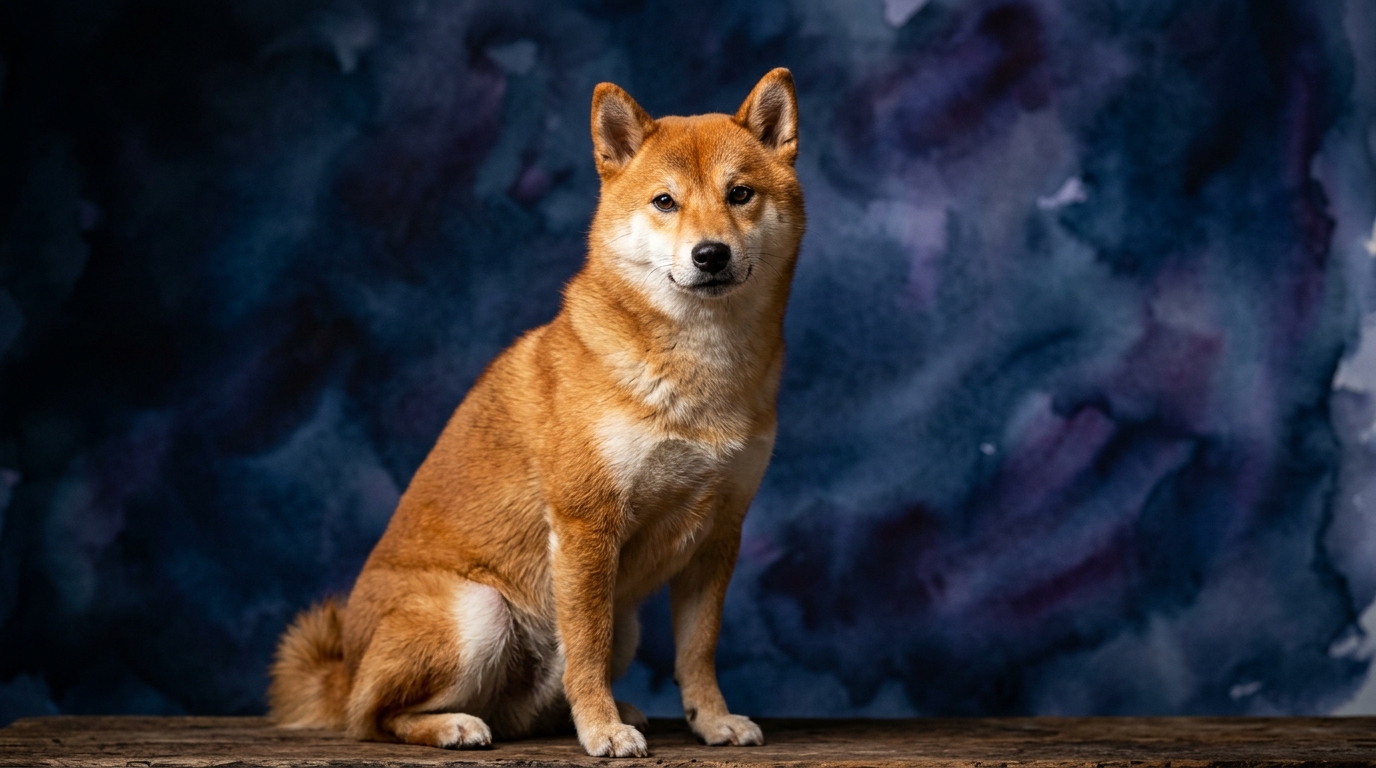
The Cosmic Pet IQ Lab assesses canine intelligence across five key dimensions, providing a nuanced understanding of each breed's mental makeup. For the Shiba Inu, our metrics reveal a robust cognitive profile centered on independence and instinct. They score 4/5 in Problem Solving, indicating a strong capacity for figuring things out on their own, often with creative and self-serving solutions. Their Training Speed, however, is rated 2/5, reflecting a selective willingness to cooperate and a pronounced independent streak that can make conventional training a patient endeavor. Social Intelligence for the Shiba Inu stands at 3/5; they are observant and form strong bonds, but often on their own terms, exhibiting a dignified aloofness rather than overt eagerness to please. Instinctive Drive is a commanding 5/5, highlighting their heritage as hunting dogs with strong prey drive, territorial instincts, and an ingrained sense of self-preservation. Finally, their Memory is a solid 4/5, meaning they retain learned information, routines, and experiences—both positive and negative—with impressive fidelity.
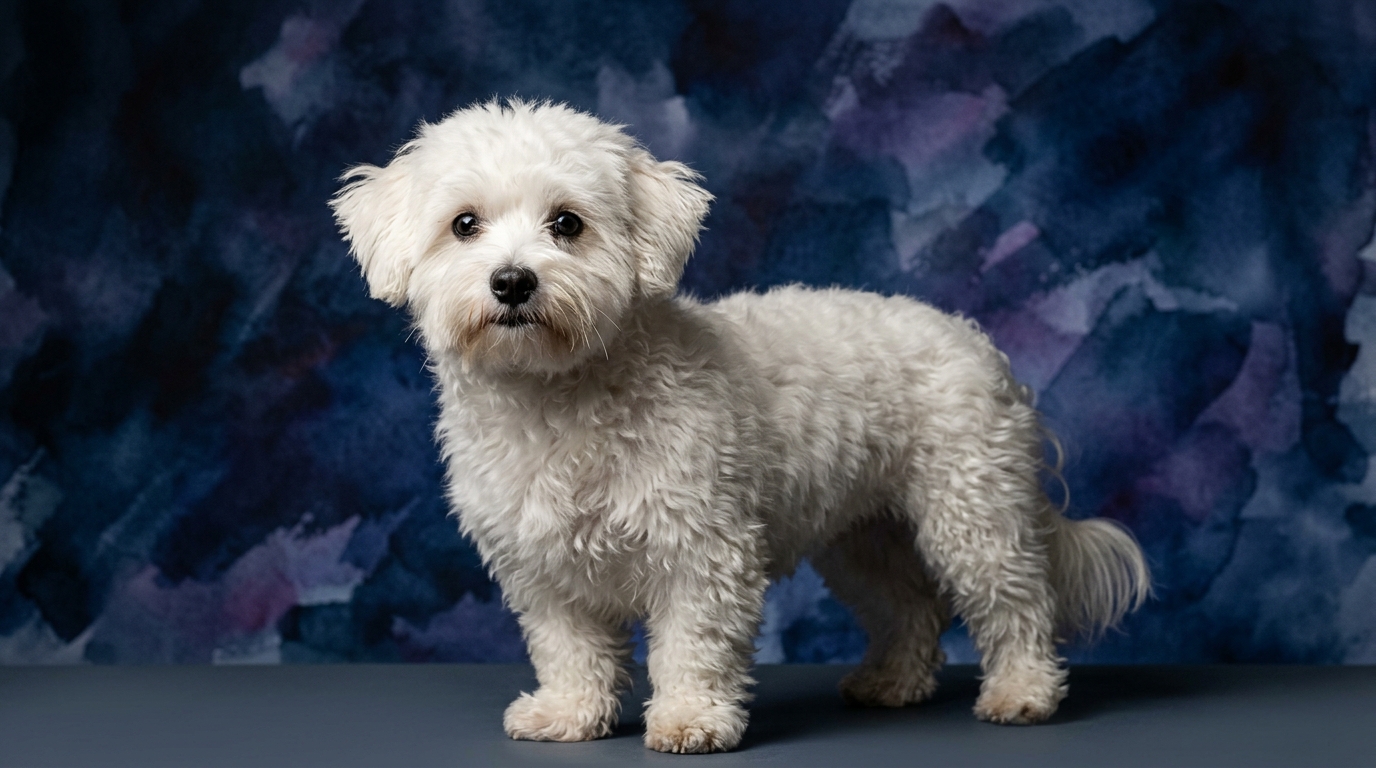
The Coton de Tuléar presents a contrasting yet equally engaging cognitive blueprint, emphasizing adaptability and companionship. Their Problem Solving ability is rated 3/5, suggesting they can navigate challenges and learn from experience, though perhaps with less independent ingenuity than the Shiba Inu. Where the Coton truly shines is in their Training Speed, earning a 3/5; they are generally more amenable to learning commands and routines, often motivated by positive reinforcement and a desire to interact with their human companions. Their Social Intelligence also scores 3/5, reflecting their role as devoted companion dogs who thrive on interaction and are adept at reading human cues, making them highly adaptable in various social settings. Instinctive Drive for the Coton de Tuléar is a balanced 3/5; while they possess typical doggy instincts, these are generally less intense and more easily channeled than those of the Shiba Inu, allowing them to integrate smoothly into family life. Their Memory, at 3/5, is sufficient for retaining commands and remembering past interactions, contributing to their reputation as responsive and affectionate pets.
Where the Shiba Inu's Cognition Excels
The Shiba Inu's cognitive strengths lie primarily in their exceptional problem-solving capabilities and formidable instinctive drive. Their 4/5 Problem Solving score isn't just about learning tricks; it reflects an innate resourcefulness. A Shiba might independently figure out how to open a cabinet to reach a treat or devise a strategy to avoid an unwanted activity, often displaying a cunning that surprises owners. This self-reliant cognitive approach means they are not always looking to their human for solutions, but rather assessing situations and acting upon their own perceived best interest. This can manifest as clever escapism or ingenious ways to get what they want, demanding owners who appreciate a truly independent thinker.
Furthermore, their 5/5 Instinctive Drive fuels a keen awareness of their surroundings and a strong sense of purpose. This isn't merely about chasing squirrels; it encompasses a robust territorial instinct, a meticulous approach to personal space, and an ingrained sense of self-preservation. This high drive, coupled with their 4/5 Memory, means they quickly learn and remember what is important to them, whether it's the boundaries of their yard or the precise schedule for meals. Their memory is also particularly strong for perceived injustices or negative experiences, meaning they learn quickly from uncomfortable situations and may hold a 'grudge' or avoid repeat encounters, showcasing a sophisticated form of associative learning.
Where the Coton de Tuléar's Cognition Shines
The Coton de Tuléar's cognitive advantages are rooted in their social adaptability and balanced temperament, making them exceptionally well-suited as companion animals. Their 3/5 Training Speed, while not extraordinarily high, is notably more cooperative than the Shiba Inu's. This is because their learning is often driven by a desire for connection and positive interaction with their people. They process commands and routines with an eagerness to please that makes training a generally more rewarding experience for both dog and owner. They are less likely to stubbornly resist learning new things, instead approaching training sessions as opportunities for engagement.
Moreover, the Coton de Tuléar's 3/5 Social Intelligence is a significant cognitive asset. They are adept at picking up on human emotions and social cues, allowing them to integrate seamlessly into diverse family dynamics. This ability to understand and respond to their human's moods makes them remarkably empathetic and sensitive companions. Their moderate 3/5 Instinctive Drive means their natural canine behaviors are present but not overwhelming, allowing them to be more focused on their human companions rather than being constantly distracted by external stimuli. This balanced drive, combined with their adequate 3/5 Memory, ensures they remember social rules and positive interactions, reinforcing their desire to be a harmonious part of the household.
Training Dynamics: Which Breed is More Amenable?
When it comes to training, the Coton de Tuléar generally presents a more amenable and straightforward experience than the Shiba Inu. The Coton's 3/5 Training Speed is indicative of a dog that is motivated by interaction and positive reinforcement. They thrive on praise, treats, and the joy of pleasing their human, making them responsive to consistent, reward-based training methods. Their moderate 3/5 Instinctive Drive means they are less prone to being distracted by external stimuli like scents or distant movements, allowing them to focus more readily on the task at hand. Behavioral differences like their natural desire for companionship and lower independence translate into a dog that is more inclined to follow instructions and participate actively in training sessions, often viewing it as a fun bonding activity.
In stark contrast, the Shiba Inu's 2/5 Training Speed is a direct reflection of their independent and sometimes stubborn nature. Their high 5/5 Instinctive Drive means they are often more interested in pursuing their own agenda—be it exploring a scent, marking territory, or simply observing their surroundings—than in performing commands. Shibas require an owner with exceptional patience, creativity, and a deep understanding of canine motivation. Training a Shiba often feels like a negotiation; they respond best when they perceive the command as their idea or if the reward is exceptionally high-value. Their problem-solving abilities (4/5) might even lead them to try to outsmart their trainer, making consistency and clear boundaries absolutely crucial. While they are capable of learning, their willingness to comply is highly selective, making the Coton de Tuléar the easier breed for most training endeavors.
Matching Lifestyles: Active Owners vs. Relaxed Owners
The distinct cognitive and behavioral profiles of these two breeds make them suitable for different owner lifestyles. The Shiba Inu, with its powerful 5/5 Instinctive Drive and 4/5 Problem Solving, thrives with active, engaged owners who understand and respect their independent spirit. These dogs require consistent mental stimulation and physical outlets that tap into their natural drives, such as scent work, agility, or structured outdoor adventures. An owner who enjoys hiking, exploring, and can provide a secure, stimulating environment will find a compatible partner in a Shiba. Their independent nature means they can be content with less constant direct interaction than some breeds, but they still require a high degree of engagement to prevent boredom and destructive behaviors. This breed is best suited for individuals or families who are experienced with dog ownership and prepared for a dog that marches to the beat of its own drum.
The Coton de Tuléar, with its balanced 3/5 Instinctive Drive and 3/5 Social Intelligence, is an excellent fit for owners seeking a more integrated and adaptable companion. While they enjoy daily walks and interactive play, their activity needs are generally moderate, making them suitable for both moderately active and more relaxed households. Their strong desire for companionship means they flourish in environments where they are part of daily family life, whether that involves quiet evenings at home or outings to social gatherings. They adapt well to apartment living as long as they receive adequate exercise and mental engagement through play and training. Owners who appreciate a dog that is eager to please, enjoys being close, and can seamlessly blend into various social situations will find the Coton de Tuléar a delightful and responsive addition to their home. They are particularly well-suited for first-time dog owners or those looking for a devoted, less demanding companion.
The Verdict: When to Choose Each Companion
Choosing between a Shiba Inu and a Coton de Tuléar hinges on an honest assessment of your lifestyle, training experience, and what you seek in a canine companion.
If you are an experienced dog owner who appreciates a clever, independent, and sometimes challenging canine mind, and you are prepared for consistent, creative training and a dog with a strong will, the Shiba Inu might be your ideal match. Their unique blend of problem-solving prowess and intense instinctive drive offers a rewarding, albeit demanding, partnership for those who value autonomy in their pets. Conversely, if you desire a highly adaptable, affectionate, and generally more compliant companion who thrives on social interaction and is eager to please, the Coton de Tuléar is likely the better choice. Their moderate drives and higher training amenability make them an excellent fit for families, first-time owners, or anyone seeking a devoted and responsive furry friend.
The Verdict
Choose a Shiba Inu if you're an experienced owner seeking an independent, clever, and spirited companion who will challenge and engage you with their strong will and problem-solving abilities. Be prepared for consistent, creative training and a dog that values its autonomy.
Opt for a Coton de Tuléar if you desire an adaptable, affectionate, and generally more cooperative companion who thrives on social interaction and is eager to please. They are an excellent choice for families or first-time owners looking for a devoted and responsive furry friend.
🧠 Find Your Pet's IQ Score
Our Pet IQ Lab assessment covers 25+ tests across 5 cognitive dimensions — personalized to your breed.
Take the Full IQ Test →Frequently Asked Questions
Are Shiba Inus difficult to train?
Shiba Inus can be more challenging to train due to their independent nature and lower training speed score of 2/5. They often require patient, creative, and highly motivating training methods, as they are not inherently eager to please and may prioritize their own interests over commands.
Do Coton de Tuléars need a lot of exercise?
Coton de Tuléars have moderate exercise needs, scoring 3/5 in instinctive drive, meaning they enjoy daily walks and interactive play but are also content with a more relaxed indoor lifestyle. They thrive on companionship and mental engagement through play and training rather than intense physical demands.
Which breed is better with children?
The Coton de Tuléar, with its 3/5 social intelligence and more amenable temperament, is generally considered better with children, adapting well to family dynamics. Shiba Inus, due to their independent nature and potential for strong personal boundaries, may require more careful introductions and supervision around very young children.