Side-by-Side IQ Profile: Unpacking Cognitive Dimensions
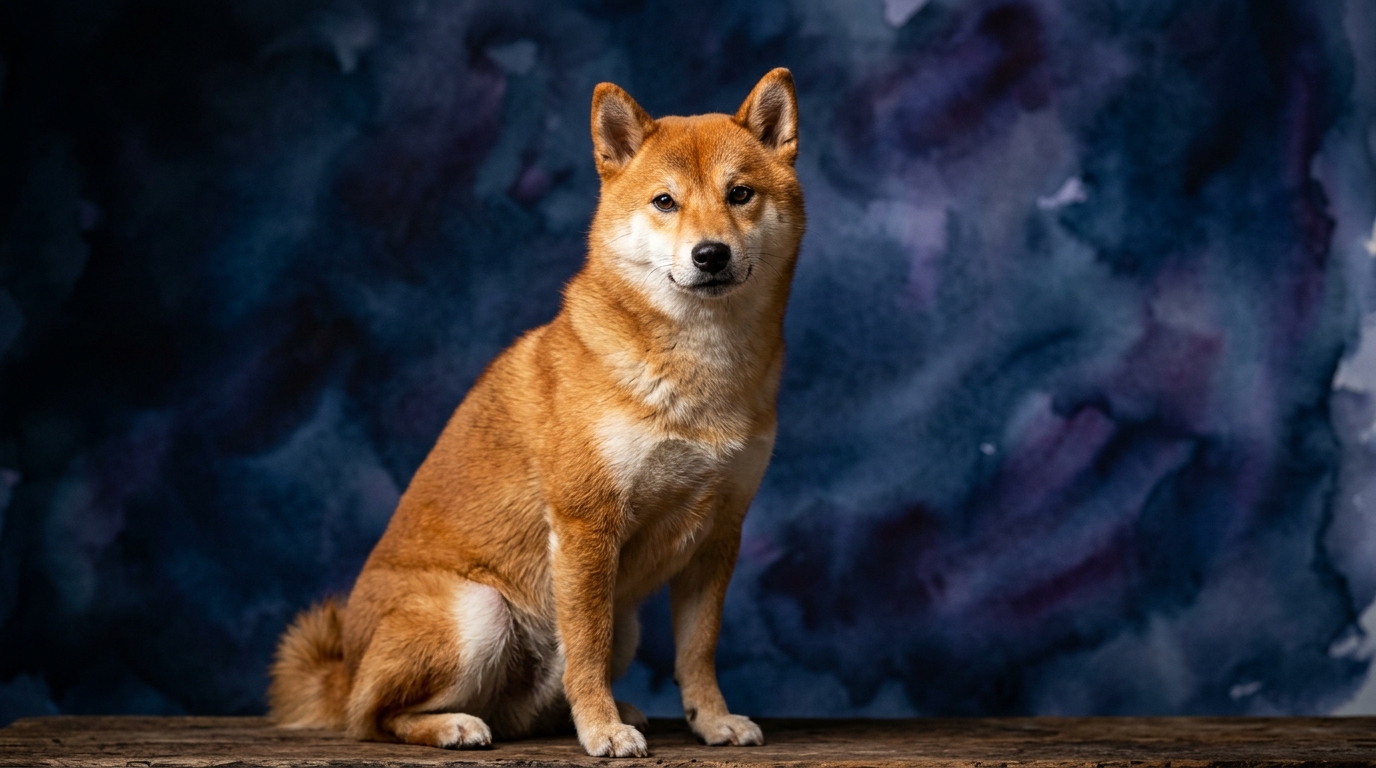
At The Cosmic Pet Pet IQ Lab, we evaluate canine cognition across five key dimensions, providing a granular view of each breed’s mental landscape. For the Shiba Inu, we observe a Problem Solving score of 4/5, indicating a resourceful nature that often devises ingenious solutions to environmental challenges. Their Training Speed is rated 2/5, reflecting an independent streak that requires patience and consistent motivation during learning. Social Intelligence stands at 3/5, suggesting an ability to interpret human cues but often with an inclination to act on its own terms. An Instinctive Drive of 5/5 highlights their strong connection to ancestral behaviors, including a potent prey drive and territorial awareness. Finally, their Memory is strong at 4/5, allowing them to retain complex experiences and routines effectively.
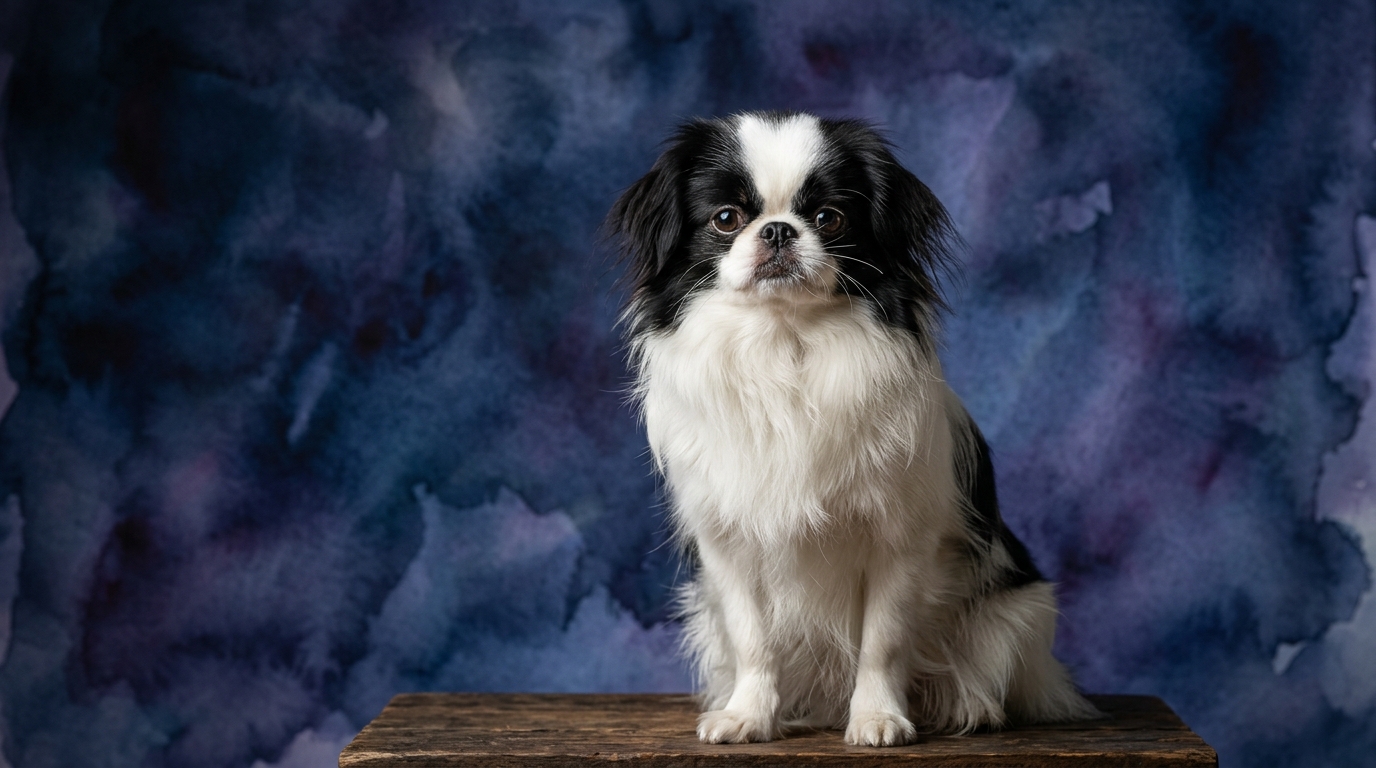
The Japanese Chin presents a different cognitive blueprint. Their Problem Solving is rated 3/5, indicating competence in moderate challenges, often preferring to seek human assistance over elaborate independent solutions. Training Speed for the Chin is 3/5, suggesting a more cooperative learning pace, responding well to positive reinforcement. Social Intelligence matches the Shiba Inu at 3/5, though it manifests as a deep desire for companionship and keen emotional attunement to their human family. Their Instinctive Drive is moderate at 3/5, with less pronounced primal urges compared to the Shiba Inu, making them largely content as companion animals. Their Memory score is 3/5, indicating effective retention of commands and routines with consistent practice.
Where Shiba Inu Wins Cognitively
The Shiba Inu exhibits distinct cognitive advantages in areas demanding independent thought and deep-seated natural behaviors. Their Problem Solving score of 4/5 indicates a breed capable of impressive ingenuity, actively assessing situations and devising solutions, whether that involves figuring out how to open a child-proof gate or navigating a complex obstacle course. Their cognitive process often involves trial-and-error combined with a remarkable ability to remember what worked, making them persistently resourceful.
Furthermore, the Shiba Inu's Instinctive Drive, rated at a formidable 5/5, is a powerful cognitive engine. This drive underpins their keen senses, territorial awareness, and strong prey instinct. While it requires careful management, it also means they are deeply connected to their environment and possess a heightened awareness of subtle changes. Their Memory, at 4/5, complements these traits, allowing them to recall specific events, successful strategies, or even perceived slights with remarkable clarity, shaping their future responses. This robust memory contributes to their ability to quickly internalize experiences.
Where Japanese Chin Wins Cognitively
The Japanese Chin shines in cognitive domains centered on cooperative learning and subtle social engagement, areas where their particular temperament provides an edge. While both breeds score 3/5 in Social Intelligence, the Chin's expression of this manifests as a profound desire for human companionship and a willingness to integrate into the family's emotional landscape. Their cognitive energy is often directed towards understanding and engaging with their human family, making them highly attuned to subtle cues and emotional states. This allows them to respond with an almost intuitive understanding of their owner’s mood.
Crucially, the Japanese Chin's Training Speed, rated at 3/5, offers a clearer path for owners seeking a more readily compliant companion compared to the Shiba Inu's 2/5. This moderate pace, combined with their desire to please, means they generally pick up new commands and routines with less resistance and fewer repetitions. They approach learning as a collaborative effort, often eager for positive reinforcement and praise. Their lower Instinctive Drive (3/5) also plays a part, meaning their attention is less frequently diverted by overwhelming primal urges, allowing for more focused training sessions and a generally more adaptable disposition within a domestic setting.
Which is Easier to Train and Why
When it comes to ease of training, the Japanese Chin generally presents a more straightforward experience for owners. Their Training Speed of 3/5, combined with their inherent desire for companionship, means they are typically more amenable to instruction. They respond well to positive reinforcement, gentle guidance, and consistency, often viewing training as an opportunity for bonding. Their lower Instinctive Drive (3/5) means they are less likely to be distracted by overwhelming urges to chase or patrol, allowing for more focused and productive learning sessions. This cooperative spirit makes establishing basic obedience and house rules a comparatively smoother process.
The Shiba Inu, conversely, offers a more complex training journey. Their Training Speed of 2/5 reflects an independent and often strong-willed temperament. This breed is not inherently driven by a desire to please; instead, they often evaluate commands based on their own perceived value or interest. Owners must employ significant patience, creativity, and unwavering consistency to motivate a Shiba Inu. Their formidable Instinctive Drive (5/5), particularly their prey drive and tendency towards selective hearing, means that recall can be a perpetual challenge, and off-leash reliability often requires advanced, dedicated training. Establishing clear leadership without resorting to harsh methods, which they typically resist, is paramount for success with this intelligent yet self-directed breed.
Which Suits Active Owners vs Relaxed Owners
Understanding the cognitive profiles of the Shiba Inu and Japanese Chin is key to matching them with compatible lifestyles. For active owners seeking a canine partner for adventures and mental engagement, the Shiba Inu often proves a compelling choice. Their high Instinctive Drive (5/5) means they possess ample energy and a need for purpose-driven activity. This breed thrives on varied experiences that challenge their Problem Solving abilities (4/5), such as complex obedience work, agility courses, or scent tracking. While they can accompany owners on hikes or runs, their strong prey drive mandates meticulous leash training and secure environments. Their independent nature also means they appreciate exploring on their own terms, making them suitable for owners who value a dog with a distinct personality and a need for consistent mental stimulation.
Conversely, the Japanese Chin, with its moderate Instinctive Drive (3/5) and focus on social connection, is an excellent fit for more relaxed owners. This breed enjoys gentle walks and interactive play but is equally content to snuggle on a couch, prioritizing companionship over demanding physical exertion. Their cognitive energy is often directed towards observing and engaging with their human family, rather than constantly seeking environmental challenges. Their adaptable nature and relatively lower demands for intense physical or mental stimulation make them well-suited for apartment living or owners who prefer a quieter, more intimate bond with their pet, providing comfort and affectionate presence without requiring an exhaustive daily activity regimen.
The Verdict
If you are an experienced owner seeking a clever, independent companion who thrives on mental challenges and has a formidable personality, and you are prepared for consistent, patient training to channel their strong instincts, the Shiba Inu is an excellent match.
Opt for a Japanese Chin if you desire a gentle, affectionate, and relatively biddable companion who enjoys a quieter lifestyle focused on close companionship and responds well to positive, consistent guidance.
🧠 Find Your Pet's IQ Score
Our Pet IQ Lab assessment covers 25+ tests across 5 cognitive dimensions — personalized to your breed.
Take the Full IQ Test →Frequently Asked Questions
Do Shiba Inus really have a "Shiba scream"?
Yes, Shiba Inus are known for a distinct, high-pitched vocalization often called the "Shiba scream." This sound is typically expressed when they are very excited, distressed, or sometimes even displeased, reflecting their strong instinctive drive for communication and unique expressiveness.
Are Japanese Chins good for first-time dog owners?
Japanese Chins can be a suitable choice for first-time dog owners due to their generally agreeable nature and moderate training speed. They are eager to please and adapt well to various living situations, making the initial stages of dog ownership less overwhelming compared to breeds with higher independent drives; consistent positive reinforcement is key.
How do their memory scores impact daily life?
A Shiba Inu's higher memory score means they recall specific events and lessons more vividly, beneficial for complex training but also meaning they remember negative experiences or inconsistencies. The Japanese Chin's moderate memory is effective for routines and commands, but consistent reinforcement helps solidify their learning over time, preventing skills from fading.