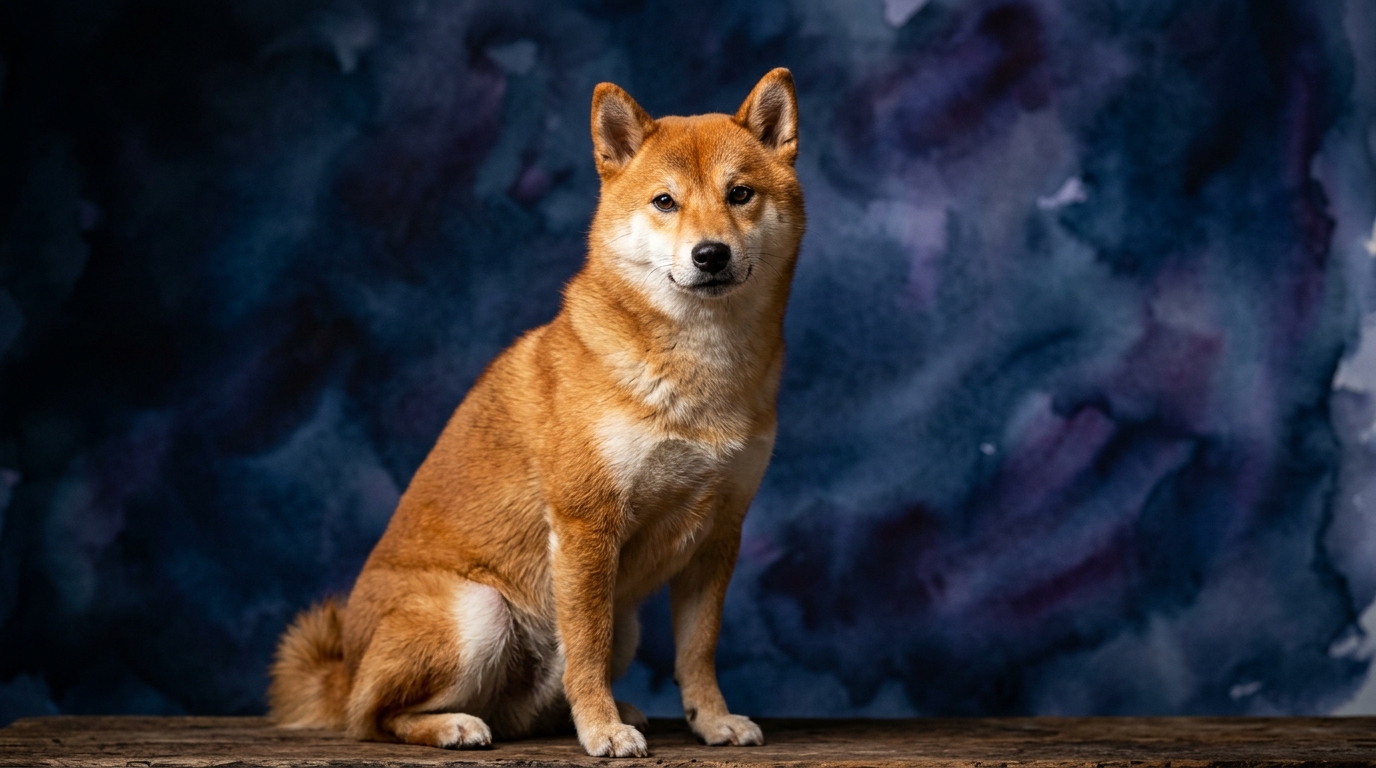
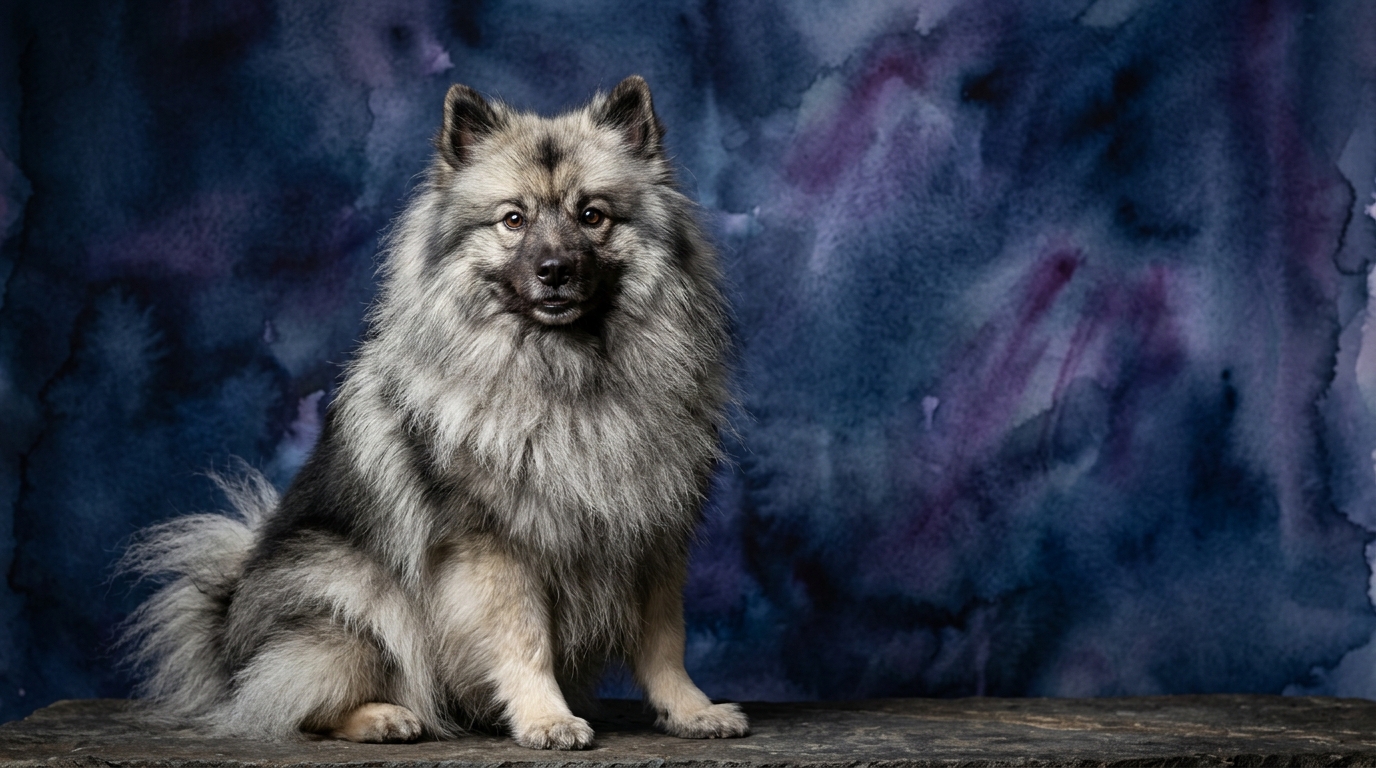
Side-by-Side IQ Profile: Shiba Inu vs. Keeshond
The Cosmic Pet Pet IQ Lab employs a unique five-dimensional framework to assess canine intelligence, providing a nuanced understanding beyond simple obedience. Let's examine how the Shiba Inu and Keeshond score across these crucial cognitive dimensions.
The Shiba Inu, a breed not Coren-ranked, presents a profile of independent ingenuity. Their Problem Solving is rated 4/5, indicating a strong capacity to figure things out, often on their own terms. This independent streak translates to a Training Speed of 2/5; they learn, but often require significant motivation and patience. Social Intelligence for the Shiba Inu stands at 3/5, meaning they form deep bonds but are often selective. Their Instinctive Drive is a robust 5/5, reflecting a keen sense of prey and a strong desire to explore. Finally, their Memory is rated 4/5, suggesting good retention, especially if personally relevant.
In contrast, the Keeshond, holding a Coren rank of #16, showcases a more biddable and observant cognitive style. Their Problem Solving capability also rates 4/5, often manifesting as a keen ability to learn through observation and understand complex sequences. The Keeshond shines in Training Speed, scoring 4/5, indicating a desire to cooperate and a quicker grasp of new commands. Their Social Intelligence, like the Shiba, is 3/5; typically friendly with family but reserved with strangers. The Keeshond's Instinctive Drive is a moderate 3/5, reflecting their history as companion and watchdogs. Their Memory is exceptional, earning a perfect 5/5, meaning they are highly adept at recalling learned behaviors, routes, and interactions.
Where the Shiba Inu Wins Cognitively
The Shiba Inu's cognitive strengths truly emerge in scenarios demanding independent thought and tenacious pursuit. Their 4/5 Problem Solving score, coupled with a 5/5 Instinctive Drive, means they excel at tasks requiring self-directed ingenuity. For instance, a Shiba is more likely to methodically work out how to open a child-proof cabinet or devise a unique strategy to retrieve a toy stuck under furniture, relying on their own observations and trial-and-error. This potent combination makes them natural escape artists and clever navigators of their environment. Their 4/5 Memory serves this independence well, allowing them to recall successful strategies for obtaining desired outcomes, even if it involves a bit of mischief. They remember where the most interesting smells are or which family member is most likely to give in.
Where the Keeshond Wins Cognitively
The Keeshond's cognitive profile highlights strengths in responsiveness, learning retention, and a more cooperative intelligence. Their perfect 5/5 Memory is a standout feature, enabling them to retain an extensive repertoire of commands, routines, and social cues with remarkable consistency. This superior recall means a Keeshond is less likely to "forget" a learned behavior, even after a long break, making them highly reliable once trained. Their 4/5 Training Speed complements this memory, allowing them to pick up new skills and complex sequences quickly and with fewer repetitions. While their Problem Solving also scores 4/5, it often leans towards understanding human instructions and patterns, making them excellent at tasks like advanced obedience or agility. The Keeshond's cognitive wins are rooted in their biddability and desire to engage and learn from their human companions.
Which is Easier to Train and Why
When it comes to ease of training, the Keeshond holds a distinct advantage due to their higher Training Speed and exceptional Memory. A Keeshond's 4/5 Training Speed reflects their inherent eagerness to please and their natural inclination to form a strong working partnership. They are generally more receptive to commands, respond well to positive reinforcement, and actively seek to understand expectations. Their 5/5 Memory ensures that once a behavior is learned, it is deeply ingrained, leading to reliable responses. This makes them a joy to train in obedience and tricks, as they thrive on interaction and mental engagement with their humans.
The Shiba Inu, with a Training Speed of 2/5, presents a more significant training challenge. Their strong independent streak and high Instinctive Drive mean they often approach training with a "what's in it for me?" attitude. While capable of learning (Problem Solving 4/5), their motivation isn't necessarily human approval; it's often driven by their own desires or high-value rewards. This can manifest as selective hearing or refusal to perform a command if no immediate benefit is perceived. Training a Shiba requires immense patience, consistency, and creative methods to make learning feel like their idea or a rewarding game. Their 4/5 Memory means they do remember commands, but execution often depends on their current mood and perceived value of compliance.
Which Suits Active Owners vs. Relaxed Owners
The choice between a Shiba Inu and a Keeshond also hinges on an owner's lifestyle. The Shiba Inu, with its robust 5/5 Instinctive Drive, thrives with active owners who appreciate a dog with a strong will and a need for mental and physical engagement that caters to their natural instincts. They benefit from owners who can provide varied activities like scent work, challenging puzzle toys, and consistent training that stimulates their problem-solving mind. Their independent nature means they might not constantly seek attention, but they do require an owner committed to channeling their high drive constructively, preventing boredom-induced mischief.
The Keeshond, with a moderate 3/5 Instinctive Drive, is an excellent fit for owners who enjoy regular, but not extreme, activity. They are content with daily walks, playtime in the yard, and interactive sessions with their family. Their cooperative nature and high Training Speed make them wonderful companions for owners who enjoy teaching tricks, participating in dog sports like agility, or simply having a well-mannered companion for outings. While they appreciate being involved in family activities, they are generally less demanding in terms of requiring constant stimulation than a Shiba.
The Verdict
Choose the Shiba Inu if you are an experienced dog owner seeking a challenge, appreciate an independent and clever companion, and are prepared for a dog with a robust instinctive drive and a unique, often stubborn, personality.
Choose the Keeshond if you desire a highly trainable, responsive, and affectionate companion who excels at learning, thrives on cooperation, and will happily integrate into a moderately active family lifestyle.
🧠 Find Your Pet's IQ Score
Our Pet IQ Lab assessment covers 25+ tests across 5 cognitive dimensions — personalized to your breed.
Take the Full IQ Test →Frequently Asked Questions
Is a Shiba Inu difficult to live with due to its low training speed?
While a Shiba Inu's 2/5 training speed means they require more patience and consistency, they are not inherently difficult to live with. Their independent nature requires an owner who understands their motivations and is creative in making training rewarding. They can be well-behaved companions with dedicated effort.
Do Keeshonds bark a lot, given their watchdog history?
Keeshonds were historically watchdogs, and their social intelligence (3/5) means they are alert to their surroundings. They can be prone to barking at new sights or sounds, but their high training speed (4/5) and excellent memory (5/5) make them highly trainable to manage this behavior with consistent positive reinforcement.
Can a Shiba Inu be trained for off-leash reliability?
Due to their 5/5 instinctive drive and independent problem-solving (4/5), off-leash reliability is a significant challenge for Shiba Inus. Their strong prey drive means they are likely to follow interesting scents or movement, making a secure leash or fenced area crucial for their safety.