A Side-by-Side Look at Cognitive Profiles
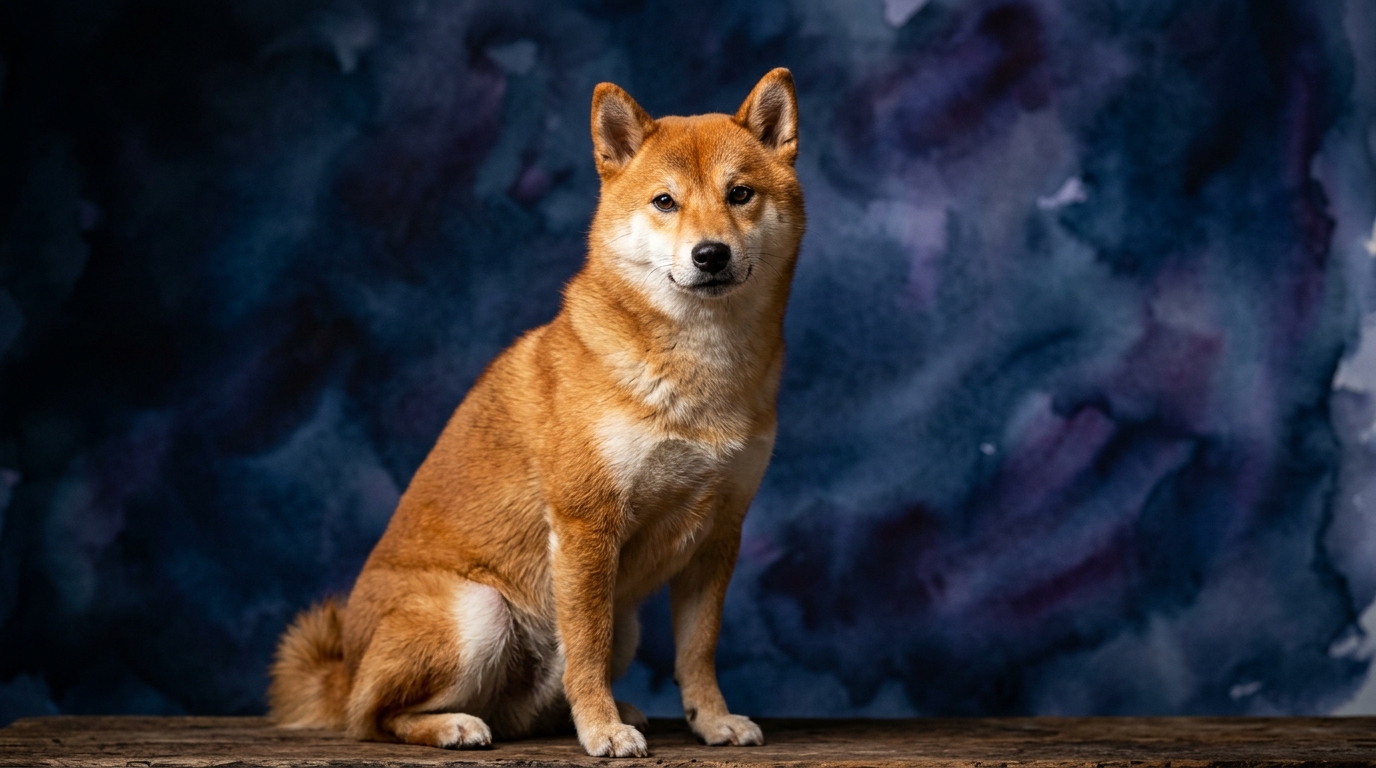
Delving into the unique cognitive makeup of the Shiba Inu, our Pet IQ Lab data reveals a distinct profile. Their Problem Solving rates at 4/5, indicating considerable cleverness in navigating their environment, often devising strategies to achieve goals like opening cabinets or escaping enclosures. Training Speed is 2/5; while capable of learning, their strong independent streak and selective hearing mean acquiring new commands often requires significant repetition and high-value motivation. Social Intelligence stands at 3/5; they can read human cues and other dogs, but their interactions are often on their own terms, demonstrating a measured rather than effusive social awareness. Their Instinctive Drive is a high 5/5, profoundly evident in a powerful prey drive and an innate self-preservation instinct that often overrides human direction. Finally, their Memory is 4/5, allowing Shibas to recall past experiences and learned behaviors effectively, remembering both positive and negative associations over long periods.
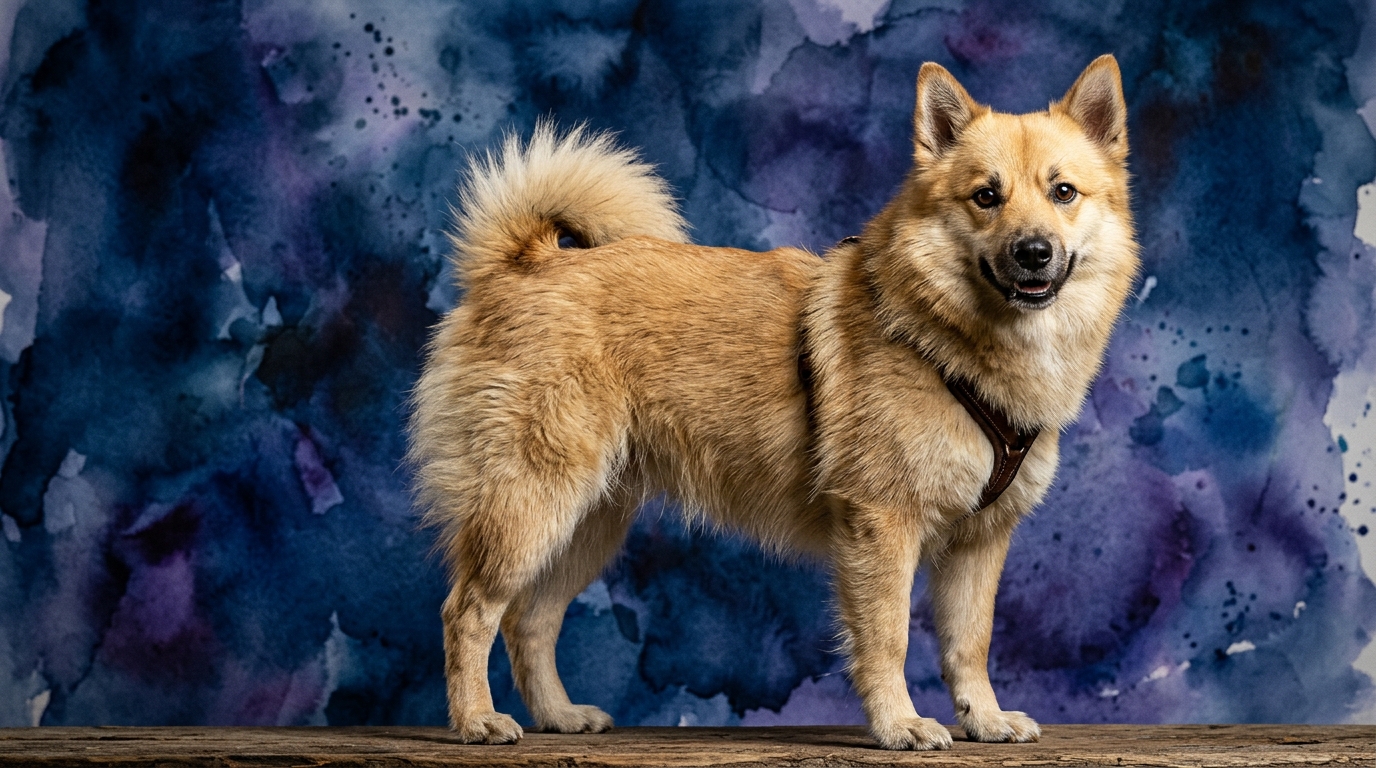
The Norwegian Buhund presents a different, yet equally compelling, cognitive blueprint. Their Problem Solving is 3/5; Buhunds approach challenges with a moderate degree of adaptability, often relying on learned sequences or direct action rather than complex, novel solutions. Training Speed is 3/5; they possess a willingness to engage and learn at a steady pace, generally responsive to consistent, positive reinforcement methods. Social Intelligence matches the Shiba at 3/5, exhibiting a balanced social understanding, typically attuned to their family's moods and able to interact appropriately with strangers and other animals once introduced. Their Instinctive Drive is 3/5; their herding instincts are present but manageable, often expressed as a desire to keep the 'flock' (family) together rather than an overwhelming prey drive. Memory for the Buhund is 3/5; they retain information adequately for daily tasks and routines, building on past experiences without the exceptional recall seen in some breeds.
Where the Shiba Inu's Cognition Shines
The Shiba Inu excels in areas demanding individual ingenuity and self-reliance, particularly evident in their Problem Solving at 4/5. This isn't just about escaping a yard; it’s about devising multi-step strategies, like observing how a door latch works and then systematically attempting to replicate it. Their high Instinctive Drive (5/5) means they are profoundly connected to primal instincts, making them exceptionally resourceful in outsmarting situations for their benefit. This deep-seated drive also fuels their tenacious spirit and independent decision-making. Furthermore, their superior Memory (4/5) allows them to learn from these experiences, whether positive or negative, informing future problem-solving attempts and shaping their behavior over time. They don't forget past lessons easily, contributing to their clever reputation.
The Norwegian Buhund's Cognitive Strengths
The Norwegian Buhund, while not as individually cunning as the Shiba in pure problem-solving, demonstrates a balanced cognitive profile adaptable in different ways. Their Training Speed (3/5) is notably higher, indicating a greater eagerness and capacity for learning new commands and routines with moderate effort. This responsiveness stems from their herding background, where quick comprehension and cooperation were essential for working alongside humans. Their Social Intelligence (3/5) is also a strong point, allowing them to integrate smoothly into family life and respond to human emotional states without the aloofness sometimes seen in Shibas. This breed's inherent willingness to engage and participate directly impacts their receptiveness to learning and social cues. Their Instinctive Drive (3/5), focused on gathering and protecting, is more amenable to directed tasks compared to the Shiba's intense prey drive, making them more predictable in a domestic setting. They thrive on having a purpose, even if just being a watchful family companion.
Training: A Tale of Two Temperaments
When it comes to training, the practical differences between these breeds become strikingly clear, largely due to their disparate Training Speed scores. The Norwegian Buhund, with a 3/5, is generally easier to train. They possess a natural inclination to work with humans, a legacy of their herding lineage, making them more receptive to commands and eager to please. They respond well to positive reinforcement, typically learning new commands in a moderate number of repetitions with consistent practice. In contrast, the Shiba Inu's 2/5 Training Speed reflects a more challenging journey. Their independence and strong will often manifest as 'selective hearing,' where they choose whether to obey based on their own assessment or perceived reward value. Training a Shiba requires immense patience, creativity, and understanding of their motivations; it often feels like a negotiation. Their high instinctive drive also means they are easily distracted, further complicating training in varied settings.
Lifestyle Match: Active Companions vs. Independent Spirits
Choosing between a Shiba Inu and a Norwegian Buhund heavily depends on an owner's lifestyle and expectations. The Norwegian Buhund is an excellent fit for active owners desiring a highly engaged, participatory canine partner. Their moderate instinctive drive and balanced social intelligence mean they thrive on having a 'job,' like agility or hiking, or simply being involved in daily family activities. They are happiest when feeling integral to the family unit, often following owners from room to room. Their moderate energy requires regular exercise and mental stimulation, but they are generally content to relax once needs are met. The Shiba Inu, on the other hand, suits owners who appreciate a more independent, self-sufficient companion. While they have considerable energy and a strong instinctive drive, their participation is often on their own terms. They require significant mental and physical stimulation to prevent boredom but are not typically 'velcro dogs' and are comfortable entertaining themselves. Their strong prey drive necessitates secure leashes and fenced yards, making off-leash adventures in unfenced areas risky without meticulous training. Owners who respect a dog's need for personal space and autonomy will find the Shiba a rewarding, albeit sometimes challenging, companion.
The Verdict
Choose the Shiba Inu if you appreciate a clever, independent, and discerning companion who will constantly challenge your understanding of canine behavior, and you are prepared for a consistent, creative training approach.
Opt for the Norwegian Buhund if you seek an active, engaged, and more biddable partner eager to participate in family life and learn new tasks, thriving on clear direction and a sense of purpose.
🧠 Find Your Pet's IQ Score
Our Pet IQ Lab assessment covers 25+ tests across 5 cognitive dimensions — personalized to your breed.
Take the Full IQ Test →Frequently Asked Questions
Is the Shiba Inu truly harder to train than the Norwegian Buhund?
Based on our IQ Lab data, yes, the Shiba Inu's lower Training Speed (2/5) indicates a greater challenge. Their strong independence and selective hearing mean they require more patience, consistency, and highly motivating rewards compared to the more cooperative Buhund (3/5).
Which breed is better with children?
Both breeds can be good with children with proper socialization, but the Norwegian Buhund's more balanced social intelligence and eager-to-please nature often make them a more naturally tolerant and engaged family companion. Shibas, with their preference for personal space, might be less patient with boisterous child play.
Do either of these breeds have strong prey drives?
The Shiba Inu possesses a significantly stronger instinctive drive (5/5), which often translates into a high prey drive for small animals, necessitating secure containment and careful supervision. The Norwegian Buhund's instinctive drive (3/5) is more focused on herding and less on predatory chasing, making it generally more manageable in a domestic setting.