Side-by-Side Cognitive Profiles
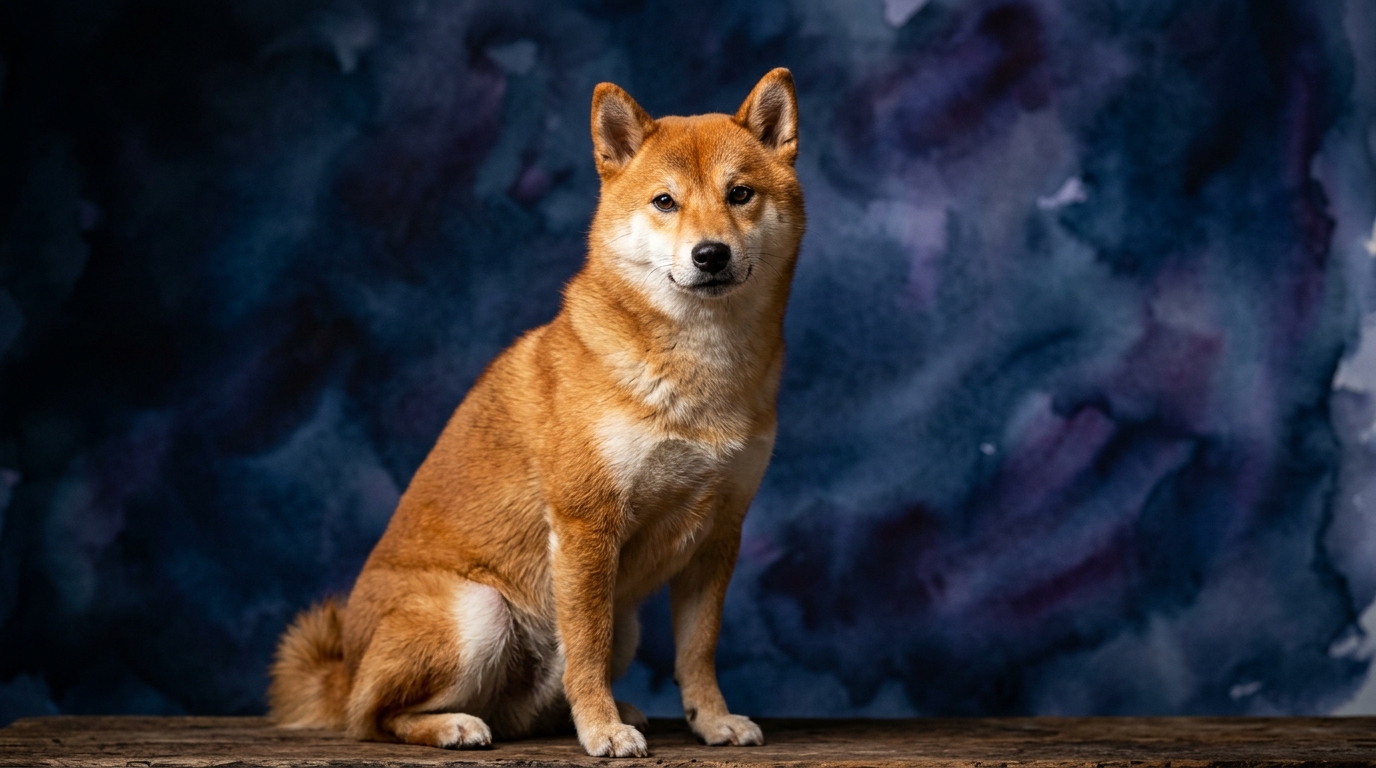
The Cosmic Pet Pet IQ Lab provides a unique lens through which to compare the mental faculties of these two distinct breeds. The Shiba Inu, a foundational breed from Japan, is categorized in the Non-Sporting group, and while not Coren-ranked, shows a profile suggesting a resourceful and self-reliant mind. Its problem-solving ability scores 4/5, indicating a capacity for independent thought and figuring out complex situations. Training speed, however, is rated lower at 2/5, suggesting a more deliberate or selective approach to instruction. Social intelligence stands at 3/5, reflecting an awareness of their environment and social cues, often interpreted on their own terms. A striking feature is their instinctive drive, scoring 5/5, which points to strong genetic predispositions for self-preservation, hunting, and territoriality. Memory is also robust at 4/5, enabling them to retain complex information and routines.
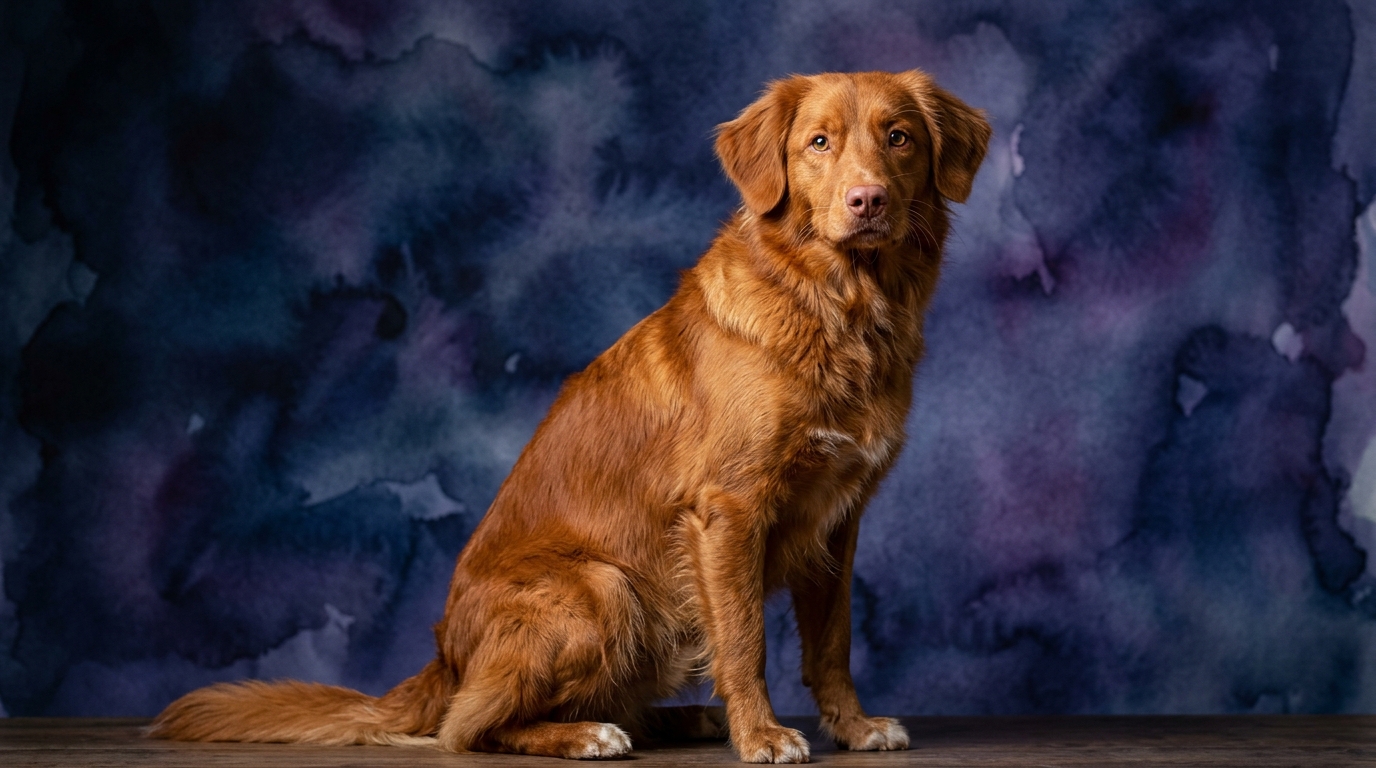
In contrast, the Nova Scotia Duck Tolling Retriever, a Canadian Sporting group member also not Coren-ranked, presents a profile geared towards cooperative work and task execution. Their problem-solving ability is rated 3/5, indicating a practical approach to challenges, often in collaboration with humans. Training speed is a moderate 3/5, suggesting a readiness to learn and a desire to engage in instructed tasks. Social intelligence matches the Shiba at 3/5, but often manifests as an eagerness to understand and respond to human directives for a shared goal. Their instinctive drive is 3/5, a balanced score that supports their retrieving instincts without overwhelming their cooperative nature. Memory is rated 3/5, sufficient for remembering complex sequences of retrieving or agility courses.
Where the Shiba Inu Wins Cognitively
The Shiba Inu demonstrates a clear cognitive advantage in two key areas: problem-solving and instinctive drive, alongside a stronger memory. With a problem-solving score of 4/5 compared to the Toller's 3/5, Shibas often exhibit a self-directed ingenuity. This might manifest as independently figuring out how to open gates, escape enclosures, or access coveted items, relying less on human guidance to navigate obstacles. Their solutions are often born from a deep internal logic rather than a desire to please, making them exceptionally resourceful when left to their own devices.
The Shiba's instinctive drive, rated 5/5 against the Toller's 3/5, is a dominant force in their cognition. This isn't merely about raw energy, but about a powerful internal compass that dictates behavior. This high drive means Shibas possess intense prey drive, strong territorial instincts, and a profound sense of self-preservation. While this can present training challenges, it also equips them with an acute awareness of their surroundings and a robust ability to act decisively in perceived threats or opportunities, making them incredibly self-sufficient. Furthermore, their 4/5 memory score surpasses the Toller's 3/5, suggesting a greater capacity for retaining complex sequences, past interactions, and environmental details, which contributes to their independent problem-solving and understanding of established routines.
Where the Nova Scotia Duck Tolling Retriever Wins Cognitively
The Nova Scotia Duck Tolling Retriever's distinct cognitive strength lies primarily in its training speed, scoring 3/5 compared to the Shiba's 2/5. This higher score reflects a greater eagerness to engage in structured learning and a quicker ability to form associations between commands and actions. Tollers generally approach training as a collaborative effort, demonstrating a consistent willingness to work alongside their human companions. Their mental framework is often more amenable to instruction, making them more receptive to repetitive drills and complex command sequences required for sporting activities.
While their problem-solving and memory scores are slightly lower than the Shiba's, the Toller's cognitive profile is optimized for cooperative tasks. Their problem-solving (3/5) is often applied within a directed context, focusing on achieving a specific goal set by their handler, such as retrieving a hidden object. Their moderate instinctive drive (3/5) means their natural urges are less likely to override human directives during training or work, allowing for a more consistent focus. The Toller's social intelligence (3/5), while numerically equal, often translates into a more overtly cooperative and responsive demeanor, making them more attuned to human communication and motivation during joint activities.
Which is Easier to Train and Why
When considering ease of training, the Nova Scotia Duck Tolling Retriever generally presents a more straightforward experience than the Shiba Inu. The Toller's 3/5 training speed rating, coupled with their inherent desire to work collaboratively, means they typically absorb new commands and behaviors more readily. Their attention is often directed towards their handler, making them more responsive to positive reinforcement and consistent instruction. Real behavioral differences include the Toller's natural retrieving drive, which channels their energy into focused tasks, and their generally amiable disposition, which fosters a more compliant learning environment.
The Shiba Inu, with its 2/5 training speed, demands a different approach. Their strong instinctive drive (5/5) and independent problem-solving (4/5) mean they often prefer to decide for themselves rather than blindly follow commands. Behavioral differences such as their inclination to 'Shiba scream' when displeased, their selective hearing, and their strong prey drive can make training a test of patience and creativity. A Shiba often requires a compelling reason to perform a task, and they are less likely to tolerate repetitive drills without personal motivation. While capable of learning complex commands due to their good memory, their compliance is often voluntary, based on mutual respect and their own perceived benefit, rather than an inherent desire to please.
Which Suits Active Owners vs. Relaxed Owners
For active owners, especially those engaged in dog sports, hunting, or extensive outdoor adventures, the Nova Scotia Duck Tolling Retriever is an excellent match. Their entire cognitive and physical design is geared towards sustained activity and purposeful work. Tollers require significant daily exercise, not just in terms of duration but also intensity and mental engagement, such as fetch, swimming, or agility. Owners who can provide consistent outlets for their Toller's retrieving instincts and problem-solving within a task-oriented framework will find them thriving. A Toller with insufficient mental and physical stimulation can become bored and exhibit undesirable behaviors.
The Shiba Inu, while energetic and capable of enjoying adventures, often suits owners who appreciate a more independent companion. While they benefit from regular exercise and mental stimulation, their activity needs are often less demanding in terms of constant human-directed engagement compared to a Toller. A Shiba might be content with a brisk walk and then prefer to entertain themselves or observe their surroundings from a comfortable perch. They are not typically a breed that constantly seeks an owner's attention for play or work. Relaxed owners who value a dog with a strong personality, a knack for independent problem-solving, and a less 'needy' demeanor, provided they can still offer appropriate physical activity and mental challenges through puzzle toys or short training sessions, might find the Shiba Inu a more suitable companion.
The Verdict
Choose the Shiba Inu if you appreciate an independent, resourceful companion with a strong personality and are prepared for a deliberate training journey, valuing their self-reliant nature and sharp memory.
Opt for the Nova Scotia Duck Tolling Retriever if you lead an active lifestyle, desire a highly trainable and cooperative partner for sports or work, and can consistently provide the mental and physical engagement they thrive on.
🧠 Find Your Pet's IQ Score
Our Pet IQ Lab assessment covers 25+ tests across 5 cognitive dimensions — personalized to your breed.
Take the Full IQ Test →Frequently Asked Questions
Are Shiba Inus difficult to train?
Shiba Inus are not necessarily difficult to train, but they require a different approach due to their independent nature and strong instincts. Their training speed is lower (2/5), meaning they learn at their own pace and respond best to positive reinforcement and clear motivation rather than rote obedience.
How much exercise does a Nova Scotia Duck Tolling Retriever need?
Nova Scotia Duck Tolling Retrievers require substantial daily exercise, typically 1-2 hours of vigorous activity, including running, swimming, or mentally stimulating games like retrieving. Their sporting background means they thrive on having a 'job' to do and can become restless without adequate outlets.
Do Shiba Inus get along with other pets?
Shiba Inus, with their high instinctive drive (5/5) and strong prey drive, can be challenging with other pets, especially smaller animals. Early socialization is crucial, but their independent nature often means they prefer to be the sole canine companion or require careful management in multi-pet households.