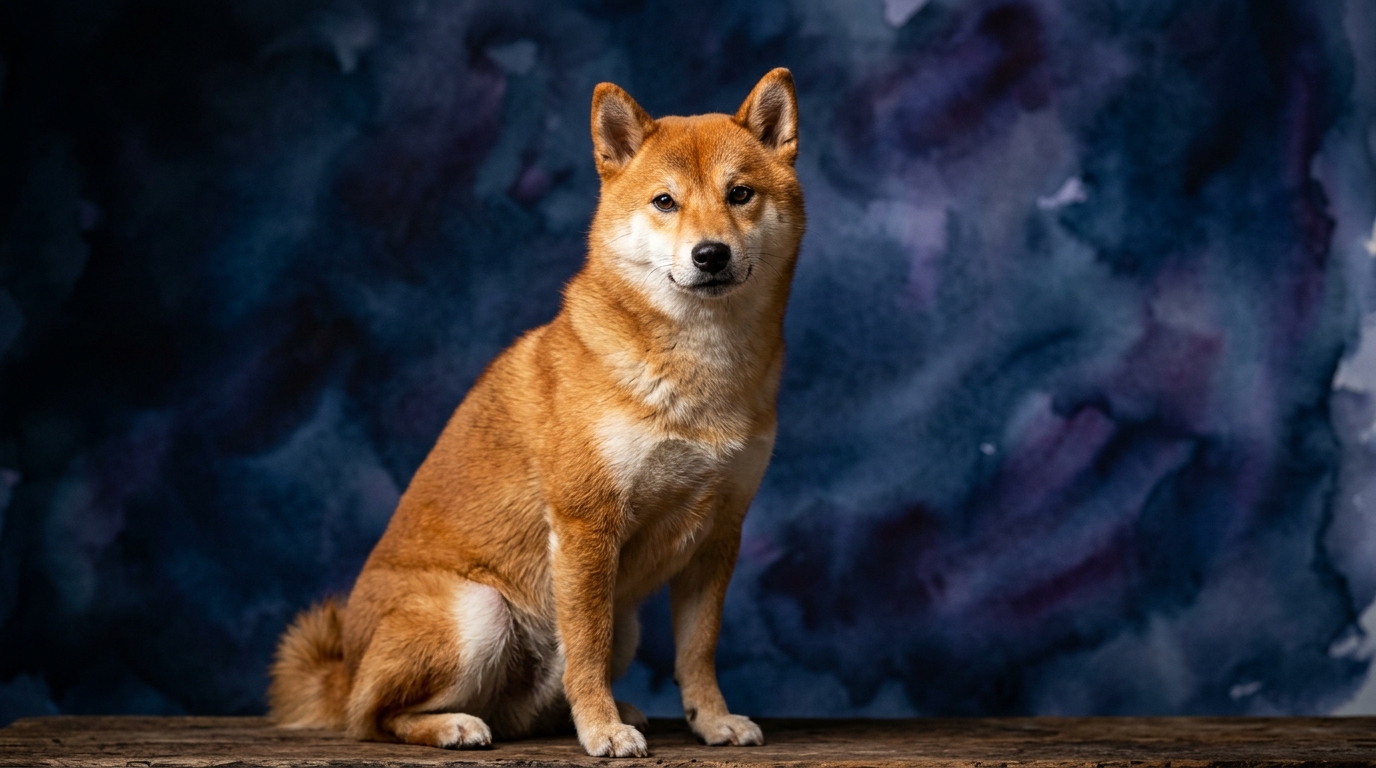
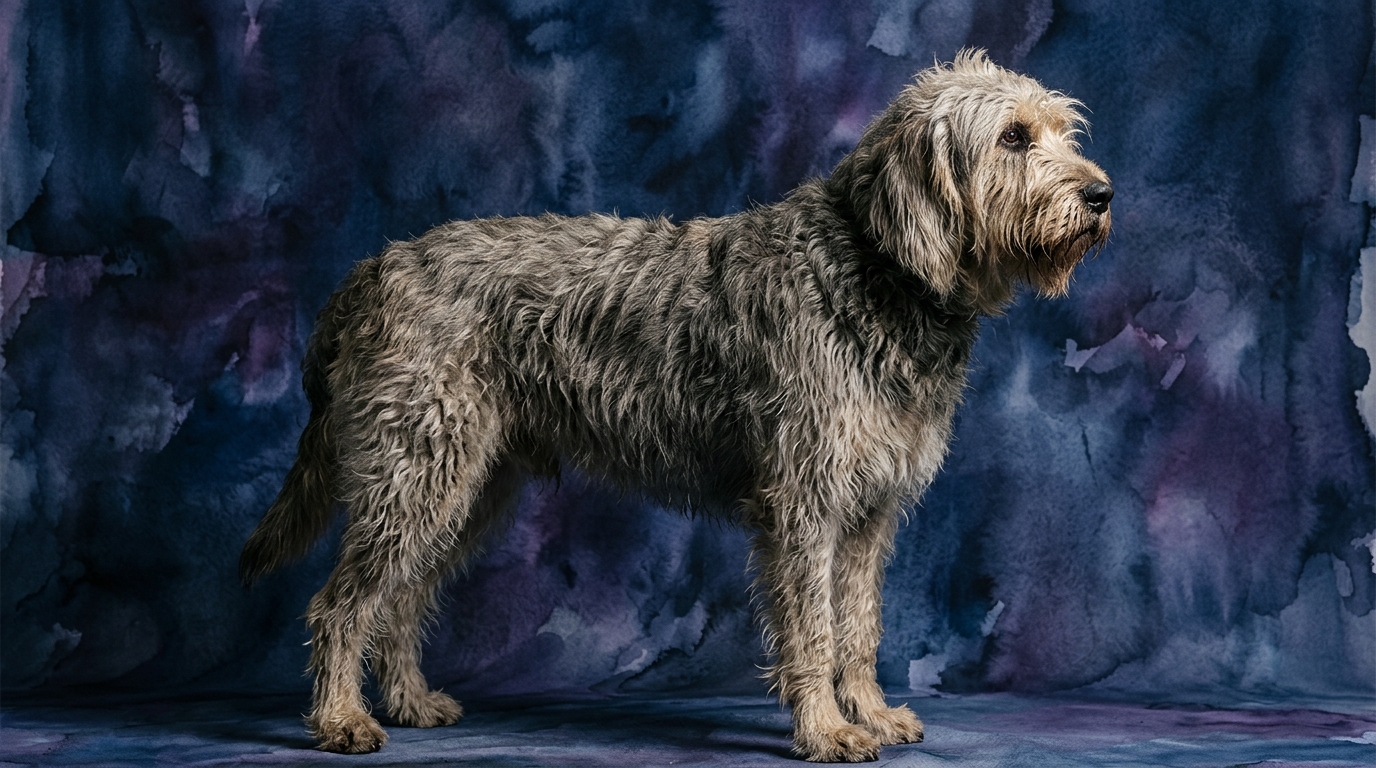
Side-by-Side Cognitive Profiles
The Cosmic Pet Pet IQ Lab assesses canine intelligence across five key dimensions, allowing for a nuanced look beyond generalized notions. For the Shiba Inu, we observe a particular blend of sharp independence and strong inherent drives. Their Problem Solving is rated at 4/5, indicating a strong capacity to figure out complex situations, often without human intervention. Training Speed stands at 2/5, reflecting a more deliberate and self-motivated approach to learning commands. Social Intelligence is 3/5, meaning they can read cues but often prioritize their own agenda. Their Instinctive Drive is exceptionally high at 5/5, fueling their innate behaviors and self-preservation. Memory is also robust at 4/5, allowing them to recall experiences and learned patterns effectively.
In contrast, the Otterhound presents a more balanced and cooperative cognitive profile, rooted in their working heritage. Their Problem Solving is 3/5, showing a solid ability to navigate challenges, often in a more methodical or collaborative manner. Training Speed is 3/5, suggesting a moderate pace of learning, with a willingness to engage. Social Intelligence matches the Shiba Inu at 3/5, but often manifests as a more affable and group-oriented understanding of interactions. Instinctive Drive is 3/5, primarily centered around their potent scenting abilities rather than a broad range of primal urges. Memory is 3/5, indicating a reliable capacity to retain information and routines.
Where the Shiba Inu Cognitively Excels
The Shiba Inu's cognitive strengths lie primarily in their independent problem-solving and deep-seated instinctive drives. With a 4/5 for Problem Solving, these dogs often demonstrate a remarkable capacity to strategize and execute solutions to dilemmas that might stump less self-reliant breeds. This could manifest as cleverly figuring out how to bypass a child-proof gate, retrieving a toy from an inaccessible corner, or even orchestrating a desired outcome in their environment. They are not waiting for human direction; they are actively assessing and acting.
Their Instinctive Drive, rated at a commanding 5/5, is a significant cognitive asset, driving their resourcefulness and self-sufficiency. This isn't merely about prey drive, but an encompassing urge to explore, hunt, and secure resources, which in turn sharpens their observational skills and decision-making. This powerful internal compass means they are often highly motivated to engage with their surroundings and learn through direct experience. Coupled with a 4/5 Memory, Shibas can quickly recall past successes and failures, refining their independent strategies over time and making them adept at navigating their world on their own terms.
Where the Otterhound Cognitively Excels
The Otterhound's cognitive advantages lean towards their cooperative nature and specific sensory engagement. While their Problem Solving is rated 3/5, it often involves a more methodical, persistent approach, particularly when focused on scent-related tasks. They excel at following complex scent trails, piecing together environmental cues to achieve a goal, which is a sophisticated form of problem-solving deeply tied to their heritage. This isn't about outsmarting a fence; it's about systematically unraveling a mystery through olfactory input.
Their Training Speed, at 3/5, is a clear advantage over the Shiba Inu. Otterhounds are generally more amenable to learning and taking direction from their human companions. This stems from their historical role as working hounds, where cooperation with a pack and a handler was paramount. While their Social Intelligence is also 3/5, it tends to be expressed as a more amiable and team-oriented understanding of interactions, making them more receptive to human guidance and motivation. Their cognitive strengths are geared towards collaboration and sustained effort in a group context, rather than independent strategizing.
Ease of Training: Shiba Inu vs. Otterhound
When it comes to ease of training, the Otterhound generally presents a more straightforward path than the Shiba Inu. The Otterhound's Training Speed of 3/5, combined with their cooperative social intelligence, means they are typically more receptive to learning new commands and routines. They were bred to work alongside humans, following scent trails and taking direction, making them naturally inclined to pay attention and respond to positive reinforcement. While their strong scent drive can lead to distractions, an owner who understands their motivations and uses engaging, reward-based methods will find them willing participants in training sessions.
The Shiba Inu, with a Training Speed of 2/5 and an exceptionally high Instinctive Drive (5/5), can be significantly more challenging to train. Their high Problem Solving (4/5) often means they are figuring out how to achieve *their* goals, which may not align with their owner's. They possess a strong independent streak, often described as 'cat-like' in their self-sufficiency. Training a Shiba requires immense patience, consistency, and a deep understanding of their self-motivated nature. Owners must make training feel like the Shiba's idea, leveraging their intelligence to make obedience a rewarding and intriguing puzzle for the dog to solve, rather than a mere compliance exercise. Their strong memory also means they remember inconsistencies, making a consistent approach crucial.
Suited Owners: Active vs. Relaxed Lifestyles
Determining which breed suits an active versus a relaxed owner depends on the *type* of activity and engagement desired. For active owners, both breeds offer unique opportunities. The Shiba Inu thrives with owners who can provide ample mental stimulation and structured outlets for their high instinctive drive and problem-solving abilities. This might involve agility, trick training, puzzle toys, or engaging walks where they can explore safely. While they enjoy bursts of physical activity, they are often content with independent exploration or observing their surroundings, making them suitable for owners who enjoy directing their dog's mental energy.
The Otterhound, on the other hand, is an ideal companion for owners who lead a genuinely active, outdoors-oriented lifestyle. Their hound heritage demands substantial physical exercise, particularly activities that engage their powerful nose, such as long hikes, scent work, or vigorous walks in varied terrains. They are sturdy, robust dogs that enjoy accompanying their owners on adventures. For truly relaxed owners who prefer minimal engagement, neither breed is an ideal fit. However, the Shiba Inu might tolerate a slightly less physically demanding routine if their mental stimulation needs are rigorously met, while the Otterhound's need for sustained physical activity and environmental exploration is non-negotiable for their well-being.
The Verdict
Choose a Shiba Inu if you appreciate an independent, resourceful companion and are willing to invest in creative, patient training to channel a sharp, self-motivated intellect.
Choose an Otterhound if you seek a genial, robust companion for extensive outdoor adventures and scent-driven activities, valuing a cooperative, albeit sometimes stubborn, partner.
🧠 Find Your Pet's IQ Score
Our Pet IQ Lab assessment covers 25+ tests across 5 cognitive dimensions — personalized to your breed.
Take the Full IQ Test →Frequently Asked Questions
Are Shiba Inus stubborn?
Yes, their high problem-solving and instinctive drive, combined with lower training speed, often manifest as stubbornness. They prioritize their own agendas, requiring owners to make training highly rewarding and consistent to gain their cooperation.
Do Otterhounds need a lot of exercise?
Otterhounds require significant daily exercise, often at least an hour or two of vigorous activity. Their heritage as scent hounds means they thrive on long walks, hikes, or activities that engage their powerful nose and allow for exploration.
Which breed is better with children?
Both breeds can be good with respectful children, but their approaches differ. Otterhounds are generally more tolerant and amiable, often enjoying being part of family activities. Shiba Inus can be good with well-behaved children but may prefer a bit more personal space due to their independent nature and can be less tolerant of rough play.