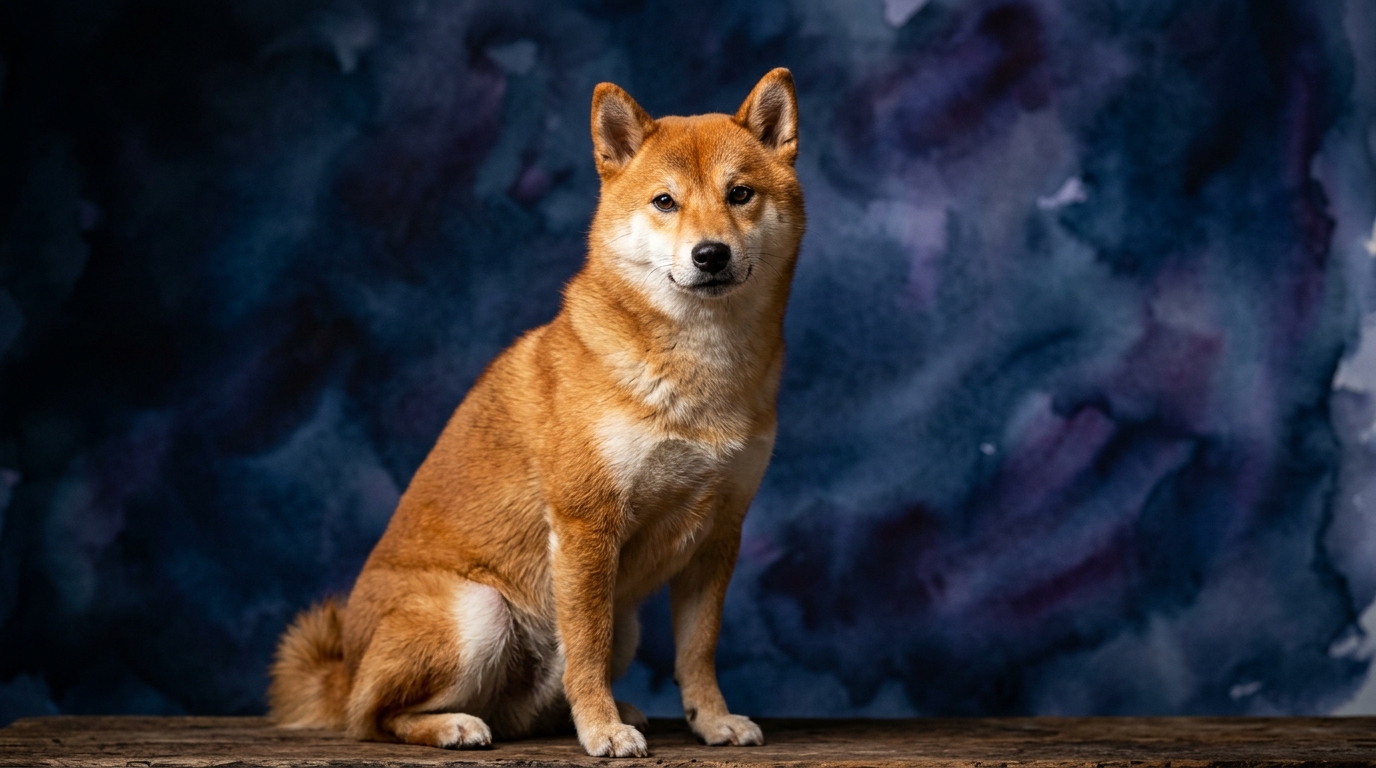
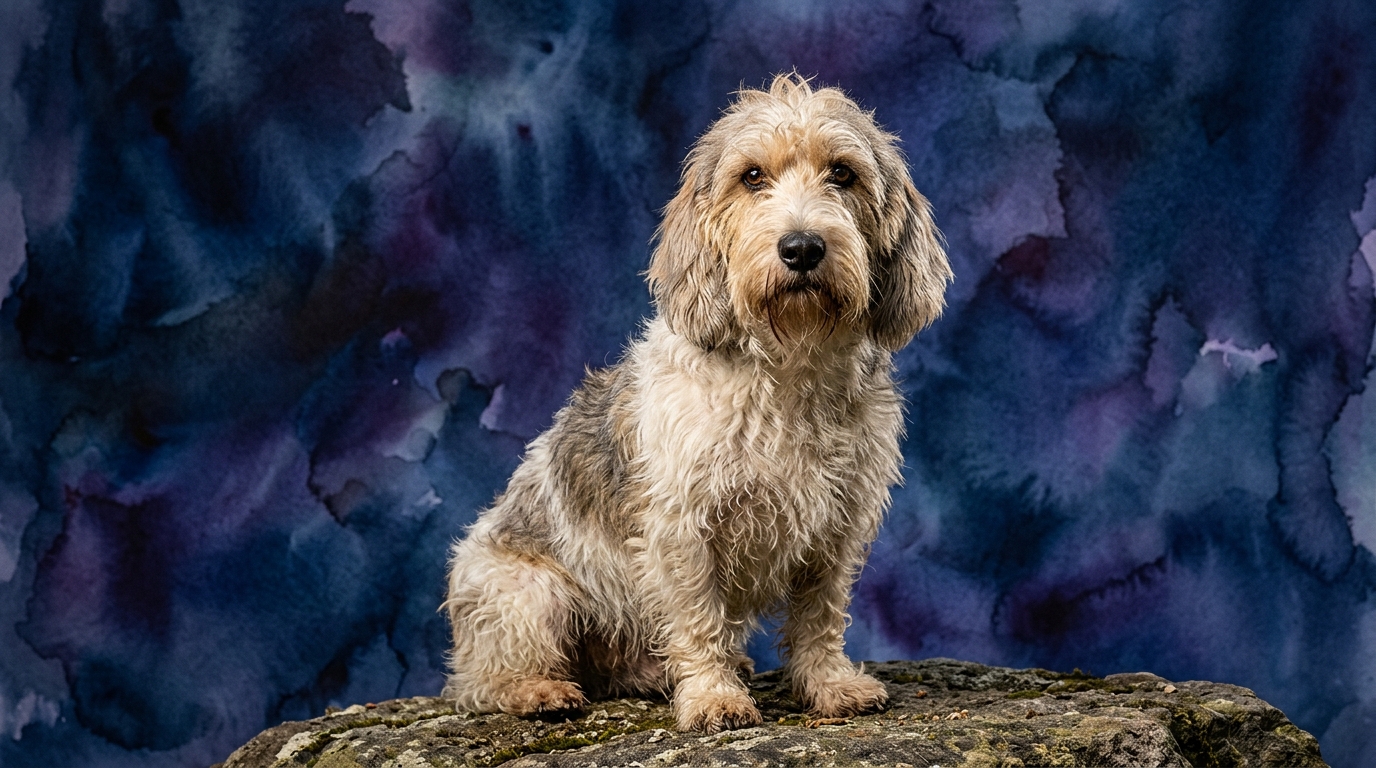
Side-by-Side Cognitive Profiles: Shiba Inu vs. PBGV
At The Cosmic Pet Pet IQ Lab, we evaluate canine intelligence across five key dimensions, revealing a nuanced picture for each breed. The Shiba Inu, a dog of the Non-Sporting Group, exhibits a problem-solving capacity of 4/5, indicating a strong ability to independently figure out challenging situations. Their training speed, however, registers at 2/5, reflecting a selective willingness to comply with commands. Social intelligence for the Shiba Inu stands at 3/5, suggesting they read human cues but often prioritize their own agenda, while their instinctive drive is a robust 5/5, a clear echo of their hunting heritage. Finally, their memory is impressive at 4/5, allowing them to retain experiences and learned behaviors effectively.
In contrast, the Petit Basset Griffon Vendéen, a member of the Hound Group, presents a different cognitive blueprint. Their problem-solving score is 3/5, demonstrating a capable but often more exploratory approach to challenges, frequently guided by scent. The PBGV's training speed is rated 3/5, indicating a more amenable, though sometimes distractible, disposition towards learning. Their social intelligence also scores 3/5, reflecting a friendly and communicative nature with their human companions. The instinctive drive for a PBGV is 3/5, primarily focused on scent tracking rather than high-prey pursuit, and their memory registers at 3/5, sufficient for routines but occasionally overshadowed by immediate sensory input.
Where the Shiba Inu Cognitively Excels
The Shiba Inu's cognitive strengths distinctly lie in its profound independent thought and sharp recall. With a problem-solving score of 4/5, the Shiba Inu demonstrates a superior ability to analyze situations and devise solutions autonomously. This manifests in their capacity to navigate complex environments, figure out how to open gates, or strategize to obtain a desired toy, often without direct human instruction. Their mental agility allows them to process information and act decisively on their own terms, making them adept at independent decision-making.
Additionally, the Shiba Inu's memory at 4/5 is a significant asset. This strong retention means they quickly learn routines, remember past interactions with people and other animals, and recall the consequences of their actions. This robust memory contributes to their understanding of household rules and boundaries, though their willingness to adhere to them remains a separate matter. This recall also fuels their high instinctive drive (5/5), allowing them to remember prime hunting spots or escape routes, reinforcing their self-reliant nature and contributing to their reputation for being resourceful and sometimes cunning.
Where the Petit Basset Griffon Vendéen Cognitively Excels
The Petit Basset Griffon Vendéen's cognitive profile shines in its approachability to training and its balanced instinctive drive. With a training speed of 3/5, the PBGV generally exhibits a greater willingness to engage with human-led instruction compared to the Shiba Inu. While still possessing a hound's independent spirit, their more gregarious and eager-to-please temperament means they often respond more readily to positive reinforcement and interactive training methods, making the learning process a more collaborative experience.
Furthermore, the PBGV's instinctive drive, rated at 3/5, offers a more manageable cognitive trait for many modern households. While they possess a strong drive to follow interesting scents, this intensity is typically less all-consuming than the Shiba Inu's powerful prey drive. This more balanced instinct means PBGVs can often transition more smoothly into a family companion role, requiring outlets for their nose but generally being less prone to the intense, single-minded pursuit that can characterize breeds with a 5/5 instinctive drive. Their social intelligence, also at 3/5, complements their training amenability, fostering a more overtly communicative and responsive interaction style.
Trainability: Shiba Inu vs. PBGV
When it comes to ease of training, the Petit Basset Griffon Vendéen generally presents a more straightforward path than the Shiba Inu. The PBGV's training speed of 3/5, combined with their naturally social (3/5) and often cheerful disposition, means they are typically more inclined to participate in training sessions. They respond well to engaging, reward-based methods and thrive on interaction with their owners, even if their keen nose can occasionally lead them astray during a command. Their motivation often stems from a desire to be part of the family's activities and to receive praise.
The Shiba Inu, with a training speed of 2/5, poses a greater challenge. Their high problem-solving (4/5) and strong independent streak mean they are not inherently motivated by a desire to please. Instead, they weigh commands against their own perceived benefits, often choosing to comply only if it aligns with their immediate interests or if the reward is exceptionally high. Owners must be exceptionally patient, consistent, and creative, making training a game the Shiba feels it can win or find personally rewarding, rather than a task to simply obey. Their strong memory (4/5) means they remember inconsistent training, making early foundations critical.
Matching Lifestyles: Active vs. Relaxed Owners
For owners seeking a companion that thrives on structured activity and appreciates independent thought, the Shiba Inu can be an excellent fit. They require consistent mental stimulation, often in the form of puzzle toys, training challenges that engage their problem-solving skills, and secure outdoor spaces to explore safely due to their strong instinctive drive. While they can be calm indoors, they are not content to be purely decorative; their sharp minds need engagement. Owners who understand and respect a dog's need for autonomy, even within a family structure, will find the Shiba a rewarding, if sometimes challenging, partner.
The Petit Basset Griffon Vendéen is better suited for active owners who enjoy outdoor adventures and appreciate a dog's zest for exploration. Their energetic nature and powerful scent drive demand regular, vigorous exercise, ideally including long walks, hikes, or opportunities for safe off-leash exploration in secure areas where they can indulge their nose. While they are social and enjoy family interaction, their need for physical and sensory engagement is paramount to their well-being. After sufficient exercise, they are generally happy to relax indoors, making them suitable for families who can provide both adventure and affection.
The Verdict: When to Choose Each Breed
Choosing between a Shiba Inu and a Petit Basset Griffon Vendéen ultimately depends on your lifestyle, training philosophy, and what you seek in a canine companion. Each breed offers a distinct set of cognitive attributes that will shape your shared life.
The Verdict
Choose a Shiba Inu if you are prepared for a dog with a powerful independent spirit, exceptional problem-solving skills, and a profound, though sometimes reserved, loyalty, and you are ready for consistent, patient training tailored to their unique motivations.
Opt for a Petit Basset Griffon Vendéen if you desire an enthusiastic, friendly companion who thrives on scent-driven adventures and family interaction, and you are prepared to manage a hound's independent nose with engaging, consistent training.
🧠 Find Your Pet's IQ Score
Our Pet IQ Lab assessment covers 25+ tests across 5 cognitive dimensions — personalized to your breed.
Take the Full IQ Test →Frequently Asked Questions
Are Shibas truly stubborn?
Their low training speed and high problem-solving suggest not stubbornness, but a strong independent streak. They process commands, then decide if it aligns with their interests, requiring owners to make training highly rewarding and consistent to encourage compliance.
Do PBGVs need a lot of exercise?
Yes, their hound heritage gives them significant energy and a need for mental stimulation through scent work. Daily walks, playtime, and opportunities to explore safely off-leash in secure areas are crucial for their physical and mental well-being.
Which breed is better with children?
Both can be good with children, but require proper socialization and supervision. PBGVs tend to be more overtly friendly and tolerant due to their social intelligence, while Shibas, with their reserved nature, may prefer older, respectful children who understand their boundaries.