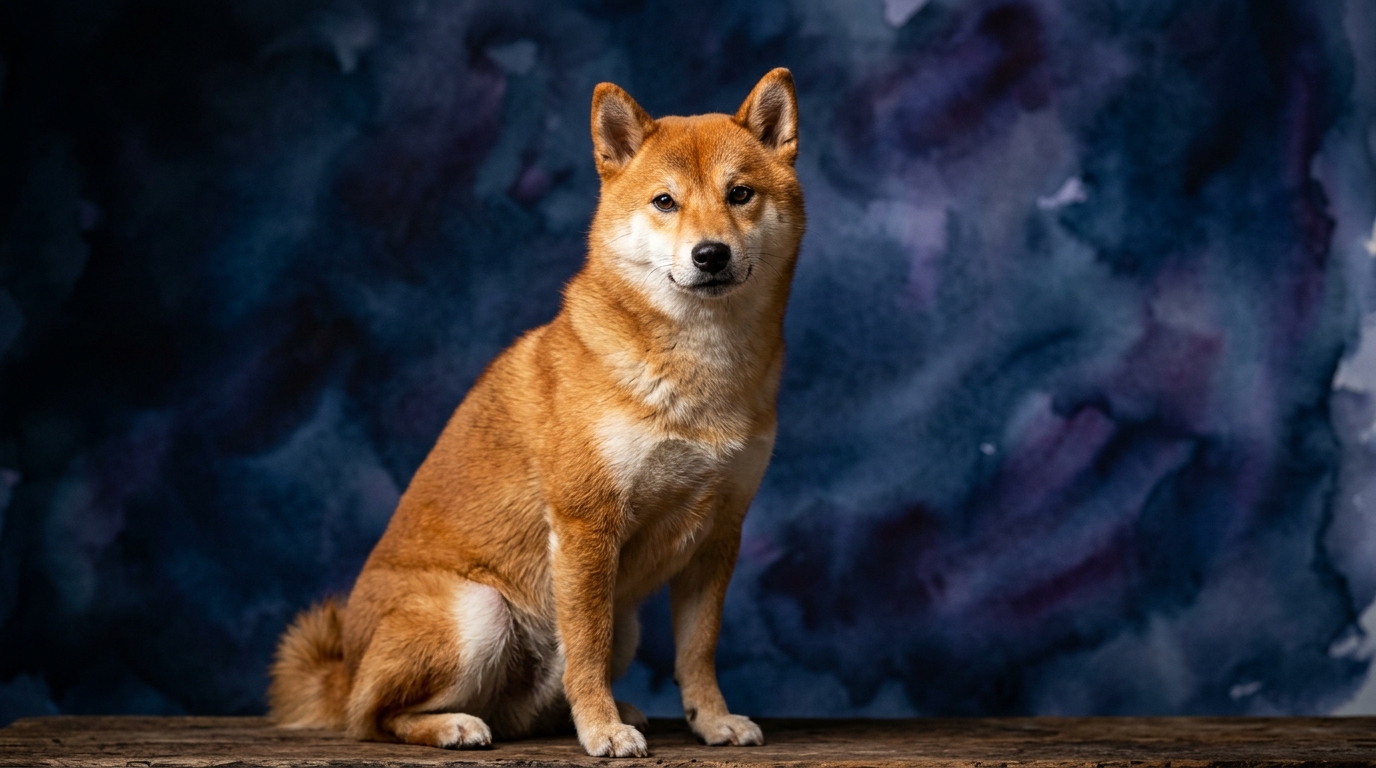
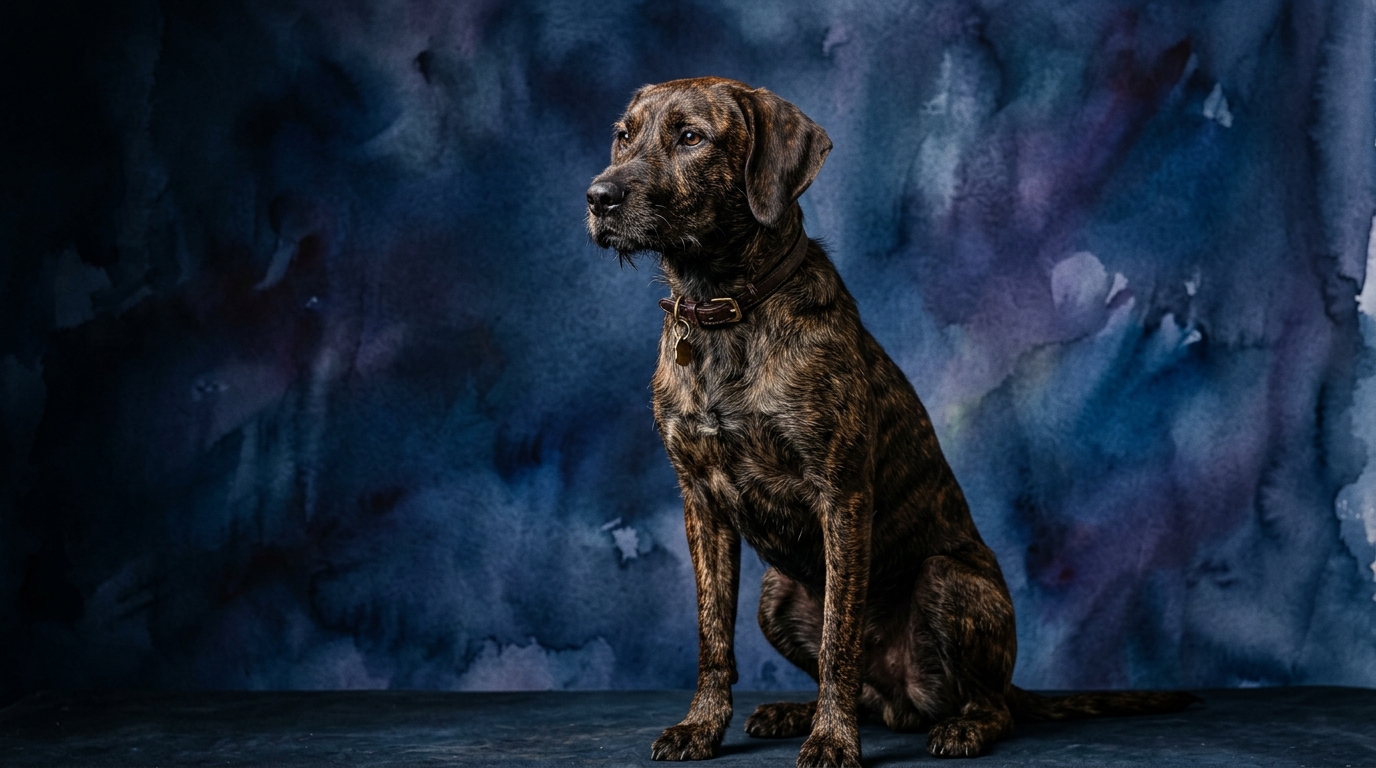
Side-by-Side Cognitive Profiles
The Shiba Inu, a Non-Sporting breed, presents a distinct cognitive profile according to The Cosmic Pet Pet IQ Lab. Its Problem Solving is rated 4/5, indicating a sharp, resourceful mind capable of navigating complex situations and devising independent solutions. Training Speed is 2/5, suggesting a challenging and often stubborn learning curve for traditional obedience. Social Intelligence stands at 3/5, meaning they understand social cues but frequently prioritize their own agenda. The Shiba’s Instinctive Drive is a powerful 5/5, reflecting a strong, inherent motivation rooted in its historical role as a hunting dog. Finally, its Memory is rated 4/5, allowing it to retain information and learned experiences effectively, including both desired behaviors and opportunities for mischief.
In contrast, the Plott Hound, a member of the Hound group, offers a different cognitive blueprint. Its Problem Solving score is 3/5, demonstrating a competent ability to tackle challenges, often leveraging its extraordinary sensory capabilities rather than independent ingenuity. The Plott's Training Speed is a more amenable 3/5, indicating a dog generally more receptive to instruction and cooperative learning, especially when motivated by its natural drives. Social Intelligence matches the Shiba at 3/5, suggesting a capacity for understanding social structures, fitting for a dog bred to work in a pack or closely with a handler. Its Instinctive Drive is 3/5, primarily focused on its scenting prowess and pursuit, a specialized drive. The Plott's Memory score is 3/5, sufficient for remembering commands and scent trails, though perhaps less for complex schemes.
Where the Shiba Inu Excels Cognitively
The Shiba Inu truly shines in its cognitive capacity for Problem Solving, scoring an impressive 4 out of 5. This breed possesses a remarkable ability to analyze situations and devise solutions, often with a flair for independence. Owners frequently report Shibas figuring out how to open gates or retrieve inaccessible items, demonstrating a deep understanding of cause and effect. This cognitive strength means a Shiba can assess its environment and adapt, often surprising its human companions with its ingenuity. Coupled with a strong Memory (4/5), the Shiba can recall past successful strategies, making it a formidable independent thinker, remembering the process for next time if it managed to open the treat jar once.
Furthermore, the Shiba's Instinctive Drive, rated at a powerful 5/5, represents a highly developed set of innate behaviors crucial for its original purpose. This isn't just about raw energy; it's about a hardwired motivation for tracking, flushing, and pursuing with intense focus. While this can manifest as a strong prey drive, it also indicates a dog with a deep connection to its primal instincts, capable of complex natural behaviors without extensive training. This drive, combined with its problem-solving abilities, means a Shiba is constantly engaging with its environment, seeking opportunities to fulfill these inherent urges.
Where the Plott Hound Excels Cognitively
While the Shiba excels in independent problem-solving, the Plott Hound demonstrates a distinct cognitive advantage in its Training Speed, scoring 3/5 compared to the Shiba's 2/5. This indicates a greater willingness and capacity for cooperative learning. Plott Hounds, bred for the demanding task of tracking and baying large game, thrive on working alongside their human partners. Their cognitive makeup leans towards understanding and responding to human direction, particularly when it aligns with their powerful scenting instincts. This means that while a Plott might not devise elaborate schemes like a Shiba, it is generally more receptive to learning commands and participating in structured activities, making training a more collaborative experience.
The Plott Hound's Instinctive Drive, at 3/5, while lower than the Shiba's, is also a cognitive strength in its own right due to its focused nature. This drive is highly specialized towards scent work, providing an unparalleled ability to concentrate on a trail with unwavering determination. This isn't a broad, independent hunting drive but a highly refined one that underpins their specific working intelligence. Their Problem Solving at 3/5, while not as high as the Shiba's, is often applied within the context of their scenting tasks, such as navigating complex terrain to follow a trail. This focused application of cognitive resources allows the Plott to perform its specialized tasks with remarkable precision and endurance.
Trainability: Shiba Inu vs. Plott Hound
When it comes to trainability, the Plott Hound generally presents an easier path than the Shiba Inu, a difference clearly reflected in their respective Training Speed scores (Plott 3/5, Shiba 2/5). The Plott Hound's cognitive structure is more geared towards collaboration; they were developed to work closely with hunters, following commands and cooperating on a common goal. Their scent-driven nature means they are often highly motivated by opportunities to use their nose, which can be leveraged effectively in training. While they can be strong-willed, their inherent desire to please their handler and their focused instinctive drive make them more responsive to consistent, positive reinforcement training methods.
The Shiba Inu, on the other hand, embodies an independent spirit that often translates into a challenging training experience. Their lower Training Speed score (2/5) combined with their high Problem Solving (4/5) and powerful Instinctive Drive (5/5) means they are perfectly capable of understanding what you want, but they will often weigh it against their own desires and independent agenda. They are not dogs that blindly follow commands; instead, they assess whether complying serves their own interests. This cognitive independence means training requires immense patience, creativity, and a deep understanding of canine motivation, often needing to convince the Shiba that the desired behavior is ultimately *their* idea or offers a superior reward.
Suited Owners: Active vs. Relaxed
Considering their cognitive profiles, both breeds have needs that lean towards active engagement, but in different ways. The Shiba Inu, with its 4/5 Problem Solving and formidable 5/5 Instinctive Drive, thrives with owners who can provide consistent mental stimulation and outlets for its natural urges. This means daily walks are not enough; Shibas require puzzle toys, scent games, agility, or structured 'work' to engage their problem-solving minds and satisfy their strong drive. They are well-suited for active owners who enjoy interactive play, challenging training, and can manage a dog with a strong independent streak and potential prey drive. A relaxed owner might find the Shiba's constant quest for mental engagement and occasional mischief overwhelming.
The Plott Hound, while possessing a 3/5 Instinctive Drive focused on scent, also requires a significant commitment to physical and mental activity. They are not content to be couch potatoes; their powerful noses and stamina demand regular opportunities to explore and follow scents. This makes them ideal for active owners who enjoy hiking, scent work, or participating in dog sports like tracking or barn hunt. Their more cooperative nature (3/5 Training Speed) means they can be great partners for active pursuits, but their energy levels and need for sensory engagement are high. A relaxed owner might struggle to provide the necessary outlets for a Plott's powerful nose and physical endurance, potentially resulting in a bored, restless companion.
The Verdict
Choose a Shiba Inu if you are an experienced, patient owner who appreciates an independent, resourceful canine companion with a sharp problem-solving mind and a strong, primal drive. You must be prepared for a dog that often thinks for itself, requires creative mental stimulation, and may challenge traditional training methods, but offers a unique, clever partnership.
Opt for a Plott Hound if you are an active individual or family who enjoys outdoor activities, appreciates a dog with a powerful scenting instinct, and is seeking a cooperative partner for adventures and structured training. You should be ready to engage with their focused drive and provide ample opportunities for their nose to work, fostering a strong, collaborative bond.
🧠 Find Your Pet's IQ Score
Our Pet IQ Lab assessment covers 25+ tests across 5 cognitive dimensions — personalized to your breed.
Take the Full IQ Test →Frequently Asked Questions
Is the Shiba Inu truly stubborn, or is it a matter of cognitive independence?
The Shiba Inu's perceived stubbornness is largely a manifestation of its high problem-solving ability and independent cognitive style. They assess situations and make choices based on their own perceived benefit rather than simply complying, which requires owners to be more creative in their training approaches.
How does the Plott Hound's 'Instinctive Drive' affect its daily life as a pet?
The Plott Hound's 3/5 Instinctive Drive is primarily focused on scenting, meaning they are deeply motivated by smells. As pets, this translates to a constant desire to follow their nose, requiring secure yards, leashed walks, and mental enrichment through scent games to satisfy this powerful, inherent cognitive trait.
Can a Shiba Inu and a Plott Hound live together peacefully given their different cognitive styles?
Yes, a Shiba Inu and a Plott Hound can coexist, but successful integration depends heavily on individual personalities, proper socialization, and consistent management from the owner. Their differing drives and communication styles mean owners must be attentive to their interactions and provide adequate individual outlets for each dog's cognitive needs.