Side-by-Side IQ Profile: Shiba Inu vs. Polish Lowland Sheepdog
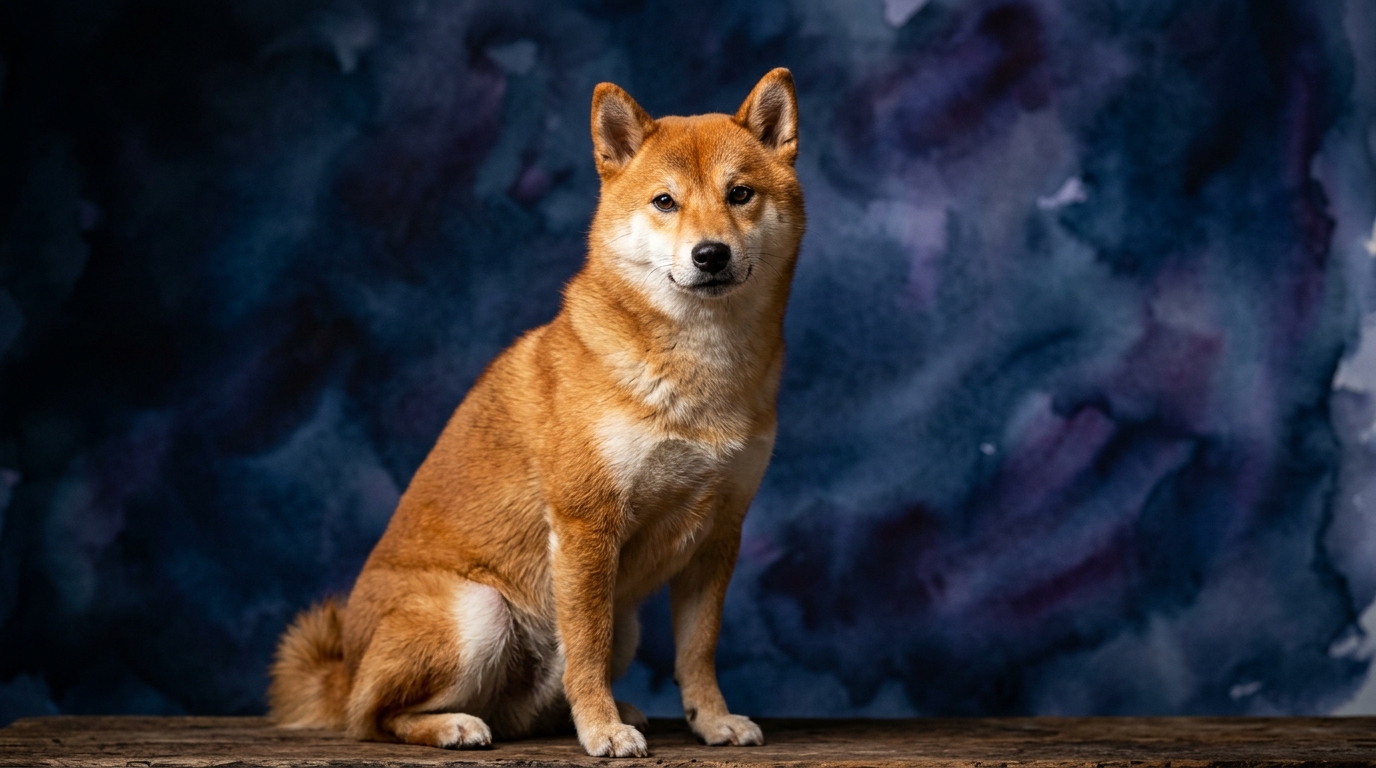
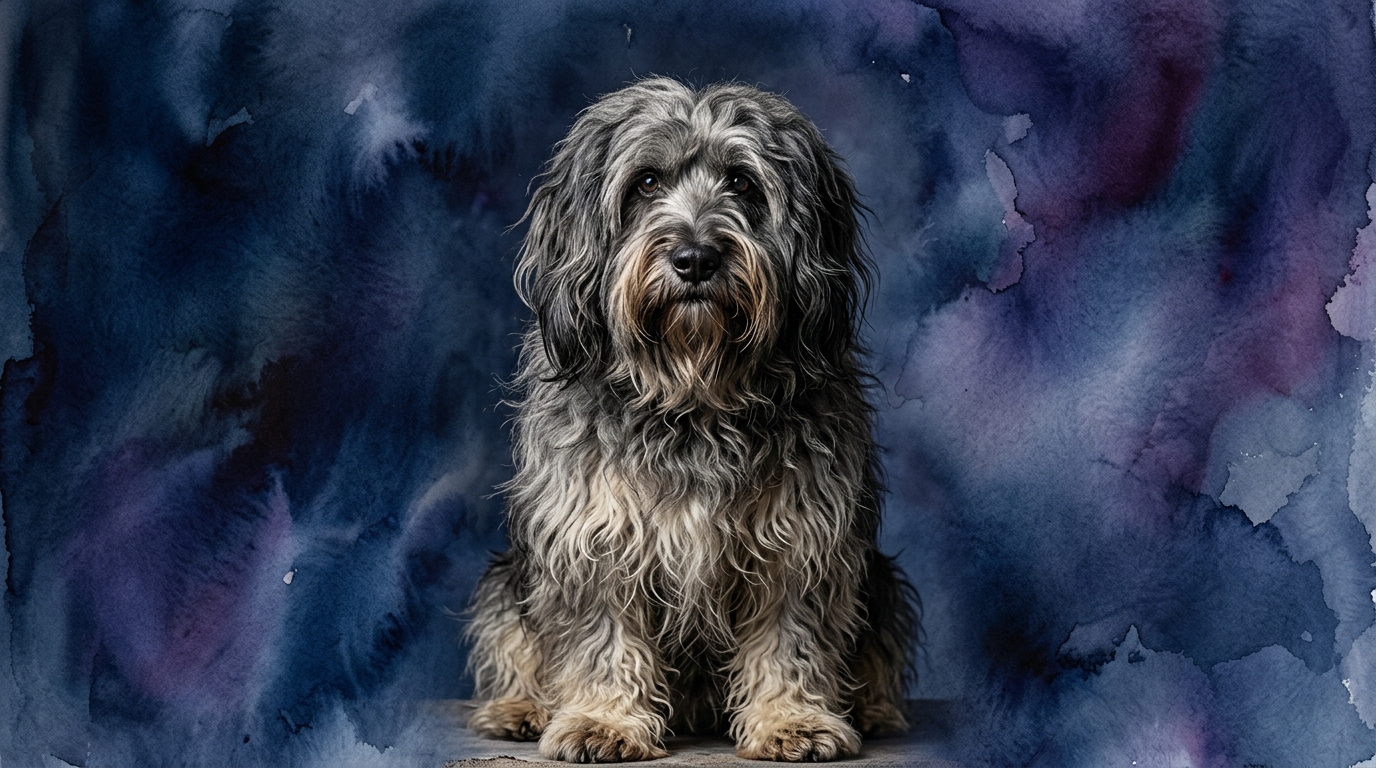
At The Cosmic Pet Pet IQ Lab, we evaluate canine cognition across five critical dimensions. The Shiba Inu, a breed from the Non-Sporting Group, and the Polish Lowland Sheepdog (PON), a member of the Herding Group, present notably different cognitive blueprints, each with unique advantages.
The Shiba Inu demonstrates a robust capacity for **Problem Solving**, scoring a solid 4 out of 5. This often translates into a dog that can figure out how to open cabinets, escape enclosures, or manipulate situations to their advantage, showcasing an independent and often cunning approach to navigating their environment. Their strong will is frequently backed by this cognitive agility, allowing them to devise creative solutions to obstacles, sometimes to the chagrin of their owners. In **Training Speed**, the Shiba Inu scores a 2 out of 5, indicating a slower acquisition of new commands and a need for consistent, engaging methods to maintain their focus. Their independent nature means they often weigh whether a command is worth their effort. Their **Social Intelligence** is rated at 3 out of 5, suggesting they understand and respond to social cues, but might not always prioritize human direction over their own agenda. They can read intentions but may choose not to comply if it conflicts with their desires. The Shiba Inu’s **Instinctive Drive** is remarkably strong, earning a 5 out of 5. This manifests as a powerful prey drive, a keen sense of self-preservation, and an inherent independence, reflecting their ancient hunting lineage. Finally, their **Memory** is strong at 4 out of 5, meaning they retain learned behaviors, experiences, and associations over long periods, both positive and negative.
The Polish Lowland Sheepdog, in contrast, scores a 3 out of 5 in **Problem Solving**. While capable of learning complex tasks and adapting to new situations, their approach is generally more methodical and less inclined towards independent, self-serving solutions compared to the Shiba. They are adept at learning routines and applying learned behaviors to solve problems, particularly those related to their herding instincts or owner-directed tasks, but might not spontaneously devise novel escape routes or intricate schemes with the same frequency. Their **Training Speed** is a balanced 3 out of 5, indicating a moderate pace for learning new commands. They are generally eager to please and responsive to positive reinforcement, making them amenable to structured training. In **Social Intelligence**, the PON also scores a 3 out of 5. They are observant of human emotions and intentions, often forming deep bonds with their family, and are generally more inclined to cooperate than the more aloof Shiba. The Polish Lowland Sheepdog’s **Instinctive Drive** is a moderate 3 out of 5. While possessing a natural herding instinct, it is typically manageable within a family setting and can be channeled through appropriate activities. This drive is less overtly independent than the Shiba’s. Their **Memory** is also a 3 out of 5, allowing them to recall training, routines, and experiences effectively, though perhaps not with the same depth of detail or duration as the Shiba.
Where the Shiba Inu Shines Cognitively
The Shiba Inu truly excels in independent problem-solving and possesses an exceptionally strong instinctive drive. Their 4/5 score in problem-solving means they are adept at navigating complex environments and devising creative solutions to challenges, often relying on their own wits rather than waiting for human direction. This manifests as a dog that can figure out latch mechanisms, plan escape routes from yards, or strategically acquire a desired object. This cognitive strength, combined with their 5/5 instinctive drive, means they are highly self-sufficient and possess a powerful internal motivation to pursue their own interests, whether it's tracking a scent or exploring new territories. Furthermore, their 4/5 memory ensures they remember these self-taught lessons and effective strategies for future use, making them formidable in their pursuit of independence.
Where the Polish Lowland Sheepdog Shines Cognitively
The Polish Lowland Sheepdog's cognitive strengths lie in its balanced approach to learning and its cooperative nature, making it a more consistent and predictable companion. While its problem-solving is a respectable 3/5, the PON's 3/5 training speed is where it truly offers an advantage for owners seeking a responsive learner. This moderate training speed, combined with a 3/5 social intelligence, means they are more readily guided by human instruction and more inclined to work alongside their handlers. Their instinctive drive, also a 3/5, is channelable and less prone to independent pursuits, allowing them to focus on tasks given by their owner. This balance across dimensions makes the PON a versatile learner, capable of excelling in various dog sports and obedience tasks when properly motivated, without the strong independent streak that can challenge some owners.
Which is Easier to Train and Why?
Between these two breeds, the Polish Lowland Sheepdog is generally easier to train. The PON's training speed of 3 out of 5, combined with its 3 out of 5 social intelligence and moderate instinctive drive, means it is more receptive to commands and more eager to please its human companions. They possess a natural biddability, a willingness to engage in cooperative tasks, which is a hallmark of herding breeds. This translates to a dog that typically learns new cues with fewer repetitions and is more likely to perform them reliably in various situations. Their herding background predisposes them to pay attention to their handler and work as a team, making them responsive to consistent, positive reinforcement training methods.
In contrast, the Shiba Inu's training speed of 2 out of 5, coupled with its exceptionally strong 5 out of 5 instinctive drive and independent problem-solving skills, presents a greater training challenge. Shibas often operate on their own agenda, weighing whether a command is personally beneficial before complying. Their strong prey drive and desire for independence mean they can be easily distracted and may choose to ignore commands if something more interesting captures their attention. Training a Shiba requires immense patience, creativity, and a deep understanding of their independent spirit; methods that are not engaging or rewarding enough will likely be met with stubborn refusal, reflecting their self-directed cognitive approach rather than a lack of understanding.
Which Suits Active Owners vs. Relaxed Owners?
For active owners seeking a canine partner for adventures and mental stimulation, both breeds require engagement, but in different ways. An active owner who enjoys challenging a dog's independent problem-solving and can appreciate a strong-willed companion might find the Shiba Inu rewarding. Their high instinctive drive and cognitive agility mean they thrive on varied experiences and mental puzzles, but this engagement needs to acknowledge their independent nature. They are excellent for owners who understand that 'active' means providing both physical outlets and engaging their sharp, often cunning, minds.
The Polish Lowland Sheepdog, with its moderate instinctive drive and balanced cognitive profile, suits active owners who prefer a more cooperative and biddable companion for activities. They enjoy dog sports like agility, obedience, and herding trials where they can work closely with their handler. While they need regular exercise and mental stimulation to prevent boredom, their energy is often more focused and directed, making them ideal for owners who want a dog that will enthusiastically participate in structured activities. For relaxed owners, neither breed is truly 'low maintenance' cognitively or physically. However, the PON's more balanced and biddable nature might be less overwhelming than the Shiba's intense independence and cunning, provided their exercise needs are still met with consistent walks and playtime rather than intense, structured work.
The Verdict: When to Choose Each Breed
The Verdict
Choose the Shiba Inu if you appreciate a dog with strong independent problem-solving skills, a powerful instinctive drive, and a sharp memory, and are prepared for the unique training challenges of a self-directed companion.
Opt for the Polish Lowland Sheepdog if you prefer a dog with a balanced cognitive profile, moderate training speed, and a more cooperative nature, suitable for active owners who enjoy structured activities and a biddable partner.
🧠 Find Your Pet's IQ Score
Our Pet IQ Lab assessment covers 25+ tests across 5 cognitive dimensions — personalized to your breed.
Take the Full IQ Test →Frequently Asked Questions
Do Shiba Inus respond well to traditional obedience training?
Shiba Inus can learn obedience commands, but their 2/5 training speed and strong independent streak mean they often require highly motivating, positive reinforcement techniques and significant patience. They may choose to comply only when they perceive a clear benefit, rather than out of a strong desire to please.
Are Polish Lowland Sheepdogs good at puzzle toys?
Yes, Polish Lowland Sheepdogs, with their 3/5 problem-solving score, generally enjoy and benefit from puzzle toys. These toys provide mental stimulation, which is important for a breed that thrives on engagement and purposeful activity, helping to satisfy their cognitive needs.
Which breed is more prone to escaping enclosures?
The Shiba Inu, with its 4/5 problem-solving ability and 5/5 instinctive drive for independence, is significantly more prone to figuring out and executing escapes from yards or crates. Their cognitive agility and strong self-preservation instincts make secure containment a critical consideration for Shiba owners.