Side-by-Side IQ Profile: Unpacking Cognitive Dimensions
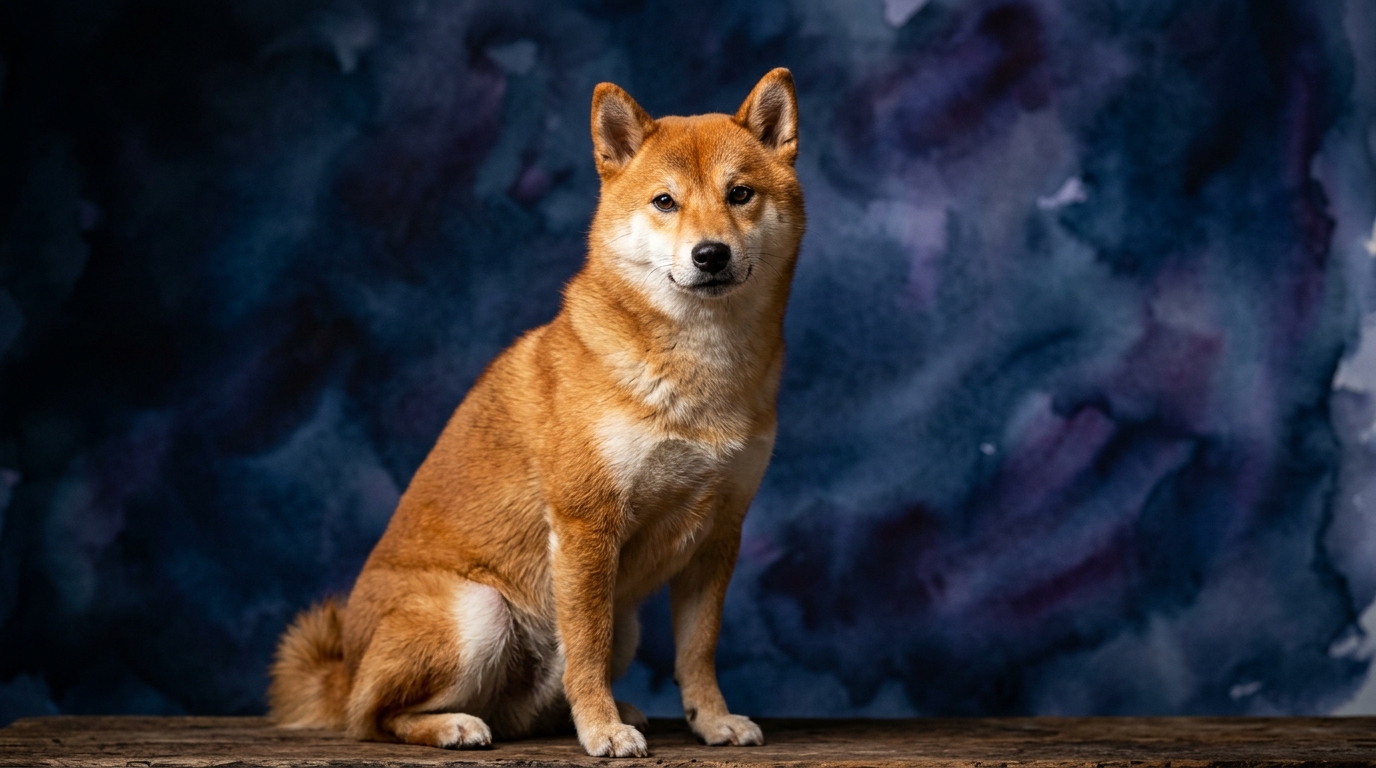
The Cosmic Pet Pet IQ Lab employs a five-dimensional framework to assess canine intelligence, offering a nuanced view of each breed's cognitive strengths. For the Shiba Inu, we observe a robust Problem Solving score of 4/5, indicating a capacity for independent thought and creative solutions to environmental challenges. Their Training Speed, however, registers at a more moderate 2/5, suggesting a deliberate approach to learning new commands, often tempered by their inherent independence. Social Intelligence sits at 3/5, reflecting a selective engagement with social cues, while their Instinctive Drive soars at 5/5, highlighting powerful innate motivations for hunting, exploring, and self-preservation. Finally, their Memory is rated 4/5, indicating a strong ability to recall experiences and learned associations over time.
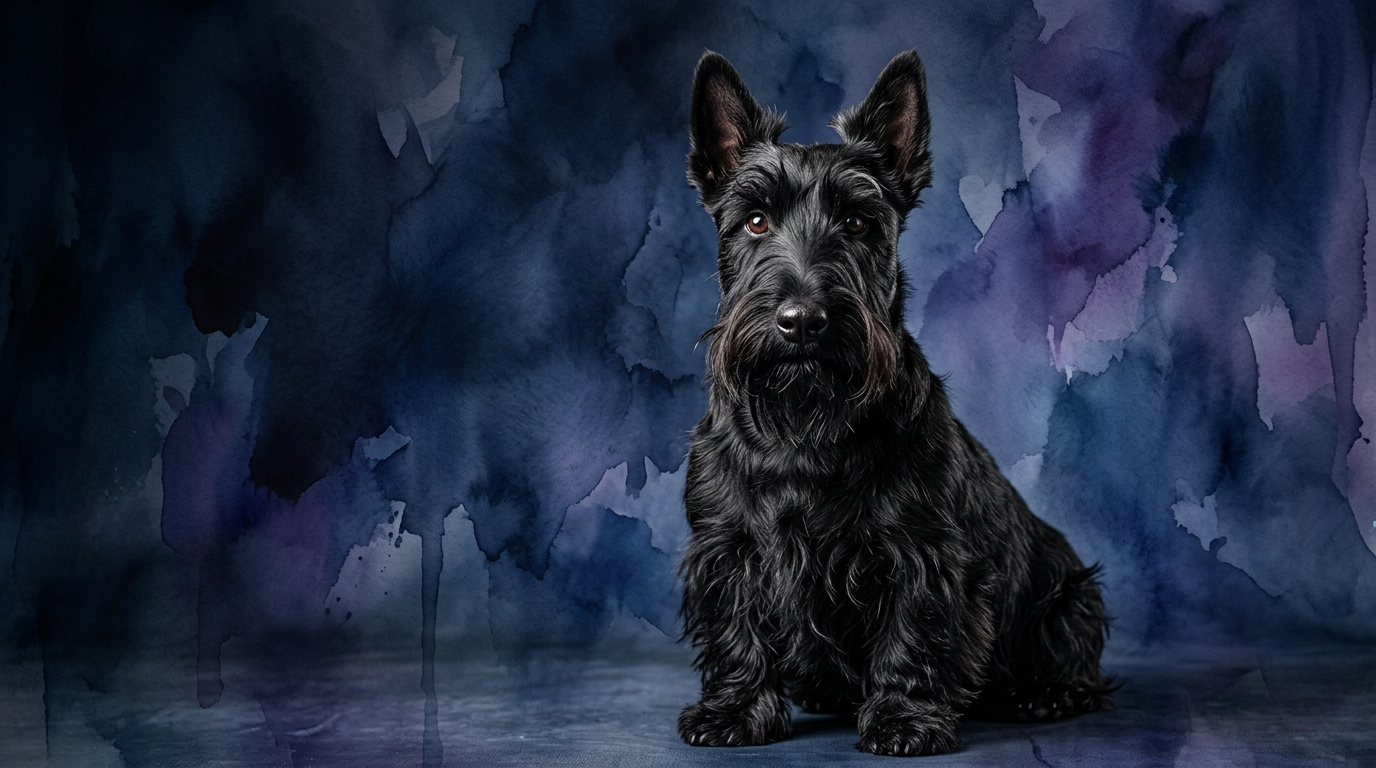
In contrast, the Scottish Terrier presents a more balanced profile across several dimensions. Their Problem Solving capability is rated 3/5, demonstrating practical intelligence, particularly in tasks related to their terrier heritage, though perhaps less inclined towards abstract, self-initiated problem-solving than the Shiba. Training Speed is 3/5, suggesting a moderate pace for acquiring new skills, coupled with a willingness to engage when properly motivated. Social Intelligence also scores 3/5, signifying a capacity for strong bonds and reading family cues, though they can be reserved with strangers. Their Instinctive Drive is 3/5, present but less intense than the Shiba's, typically manifesting in digging or chasing small critters. Their Memory is also 3/5, solid for routines and commands but perhaps not as enduring or detailed as the Shiba's. It's also noteworthy that the Scottish Terrier holds a Coren rank of #65, placing them within a specific category for working and obedience intelligence, a classification not applied to the Shiba Inu in this framework.
Where the Shiba Inu Excels Cognitively
The Shiba Inu’s cognitive strengths are particularly evident in their superior problem-solving abilities and remarkable instinctive drive. With a 4/5 in Problem Solving, these dogs often display a clever resourcefulness, finding inventive ways to achieve their desires, whether it's navigating complex environments or outmaneuvering perceived obstacles to reach a favorite toy. This isn't just about following instructions; it's about independent thought and strategic planning, making them adept at tasks requiring ingenuity rather than rote obedience. Owners frequently observe their Shibas devising unique solutions, sometimes to their own amusement and sometimes to their owners' exasperation, such as figuring out how to open cabinets or gates.
Furthermore, the Shiba’s 5/5 Instinctive Drive is a profound cognitive asset, deeply influencing their perception and interaction with the world. This powerful internal motivation is a constant engine for exploration, vigilance, and self-reliance. It means they are keenly attuned to environmental stimuli, possess a strong prey drive, and maintain a vigilant awareness of their surroundings. While this drive can present training challenges, it also fuels a formidable independent spirit and a deep engagement with their natural instincts, allowing them to excel in activities that tap into these inherent predispositions, such as scent work or free exploration in secure environments, where their keen senses and self-directed motivation are assets.
Where the Scottish Terrier Demonstrates Cognitive Advantages
The Scottish Terrier’s cognitive profile, while not featuring the extreme highs of the Shiba in certain areas, offers distinct advantages, particularly in their balanced approach to learning and their Coren ranking. Their Training Speed of 3/5, compared to the Shiba’s 2/5, indicates a more consistent and potentially more cooperative disposition towards structured learning. While still possessing the typical terrier tenacity, Scotties are generally more receptive to commands and more eager to work alongside their human companions, especially when tasks align with their natural inclinations for digging, tracking, or seeking. This moderate speed means they can absorb and retain training relatively efficiently, making them a more predictable partner in obedience or task-oriented activities.
Beyond individual scores, the Scottish Terrier’s Coren rank of #65 provides additional context for their cognitive strengths. This ranking places them in a category of dogs that typically understand a new command in 25 to 40 repetitions and obey the first command 50% of the time or better. This suggests a reliable capacity for working intelligence and obedience, a trait highly valued in many dog-owner relationships. While not at the top tier, it signifies a breed that is capable of learning a wide range of commands and performing tasks with reasonable consistency, provided the training is clear and engaging. This contrasts with the Shiba Inu, which is not Coren-ranked, suggesting a different cognitive framework not primarily driven by the same metrics of working obedience.
Training Dynamics: Shiba Inu vs. Scottish Terrier
When it comes to ease of training, the data suggests a clearer path with the Scottish Terrier. The Shiba Inu’s combination of high Problem Solving (4/5) and Instinctive Drive (5/5) coupled with a lower Training Speed (2/5) often translates into a dog that is exceptionally clever but also highly independent and self-motivated. They are not necessarily slow to learn, but rather, they often choose whether or not to comply based on their own assessment of the situation and perceived reward. This can manifest as a 'what's in it for me?' attitude or a tendency to outsmart the trainer, requiring immense patience, creativity, and consistency to maintain engagement and compliance. Their strong memory (4/5) means they also remember negative experiences or inconsistencies, making early, positive training critical.
The Scottish Terrier, with its 3/5 in Training Speed and more moderate Instinctive Drive (3/5), generally presents a more direct and less challenging training experience. While they possess the typical terrier stubbornness, they are often more amenable to structured lessons and respond well to consistent, positive reinforcement. They are motivated by tasks and tend to form strong bonds, which can translate into a greater willingness to please their primary caregiver. Their Problem Solving at 3/5 suggests they are practical learners, capable of understanding and executing commands without the same level of independent second-guessing often seen in Shibas. This makes them a more straightforward candidate for obedience training, agility, or specific roles where compliance and task completion are priorities.
Matching Breeds to Lifestyles: Active vs. Relaxed Owners
Choosing between a Shiba Inu and a Scottish Terrier often comes down to an owner’s lifestyle and expectations for a canine companion. The Shiba Inu, with its high instinctive drive and problem-solving capabilities, thrives with owners who are prepared for an active, engaged partnership. These dogs require significant mental stimulation and outlets for their natural drives; a relaxed owner who prefers minimal interaction might find a Shiba to be a challenging companion. They are best suited for individuals who appreciate an independent spirit, are willing to commit to creative and consistent training, and can provide ample opportunities for exploration, secure outdoor activity, and puzzle-solving. Owners should be ready for a dog that often thinks for itself and may not always prioritize human directives, requiring a proactive approach to management and enrichment.
The Scottish Terrier, in contrast, offers a balanced energy level and a more predictable temperament, making them suitable for a broader range of owners, including those who might describe themselves as relaxed but still committed to daily engagement. While they benefit from regular walks and mental challenges, their moderate instinctive drive and more amenable training speed mean they can adapt to a slightly less intense daily routine than a Shiba. They thrive with owners who appreciate a loyal, resilient companion, enjoy consistent but not overly complex training, and value a dog that is often content to relax indoors after a good walk or play session. They are an excellent fit for families or individuals seeking a steadfast, charming companion who enjoys both active outings and quiet companionship.
The Verdict
Choose the Shiba Inu if you are an experienced owner seeking an independent, clever companion who will challenge you with their ingenuity and strong self-will, and you are prepared for consistent, creative training and management of their high instinctive drives.
Opt for the Scottish Terrier if you desire a resilient, loyal, and moderately trainable companion who is a bit more predictable in their responses, and you appreciate a dog that balances spirited activity with a calm presence indoors.
🧠 Find Your Pet's IQ Score
Our Pet IQ Lab assessment covers 25+ tests across 5 cognitive dimensions — personalized to your breed.
Take the Full IQ Test →Frequently Asked Questions
Are Shiba Inus difficult to train?
Shiba Inus are not inherently difficult to train in terms of their learning capacity, but their strong independence and high instinctive drive (5/5) mean they often prioritize their own agenda. This requires trainers to be exceptionally patient, consistent, and creative in making training rewarding and engaging from the Shiba's perspective.
Do Scottish Terriers have a strong prey drive?
Scottish Terriers possess a moderate instinctive drive (3/5), which includes a prey drive typical of terrier breeds. While not as intense as a Shiba Inu's, they will still be interested in chasing small animals and may enjoy digging, requiring secure outdoor spaces and leash discipline.
Which breed is better for first-time dog owners?
For first-time dog owners, the Scottish Terrier generally presents a more manageable cognitive profile with its moderate training speed and more balanced drives. The Shiba Inu's pronounced independence and strong will often require an owner with prior experience in canine behavior and training.