Side-by-Side Cognitive Profiles
At The Cosmic Pet Pet IQ Lab, we evaluate canine cognition across five key dimensions, providing a granular view of how different breeds process information and engage with their environment. For the Shiba Inu and the Tibetan Terrier, both belonging to the Non-Sporting Group, these profiles illuminate distinct approaches to learning and interaction.
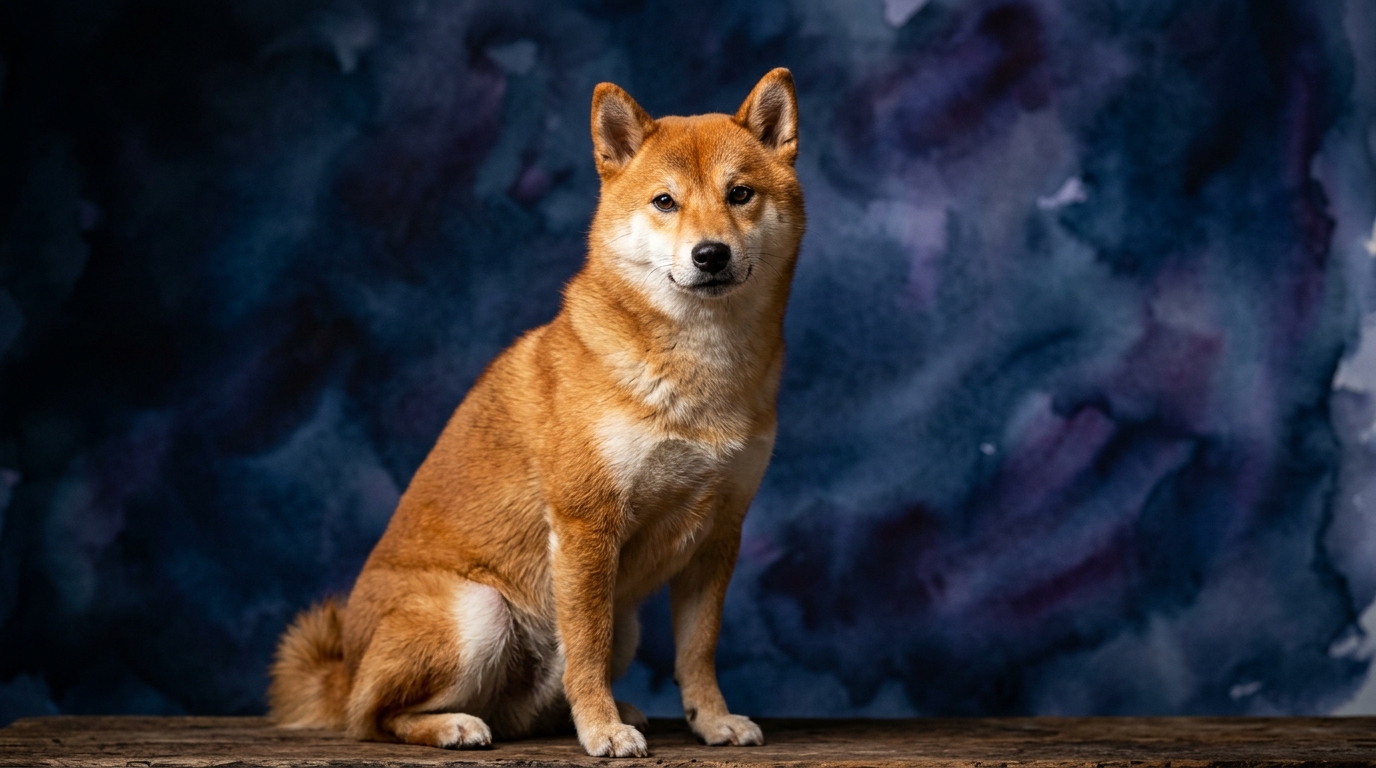
The Shiba Inu, a breed not ranked by Coren, presents a unique cognitive blueprint: their Problem Solving is rated at 4/5, indicating a strong capacity for independent thought and finding solutions, often through clever, self-motivated means. Their Training Speed is 2/5, suggesting that while they are capable of learning, their inherent willfulness can make the process require significant patience and creative motivation. Social Intelligence stands at 3/5, meaning they understand human cues but often choose to interact on their own terms, prioritizing observation over eager participation. A robust Instinctive Drive of 5/5 reflects their powerful prey drive and exploratory nature, stemming from their heritage as hunting dogs. Finally, their Memory is 4/5, allowing them to retain learned behaviors and routines over long periods, contributing to their cunning but also their selective obedience.
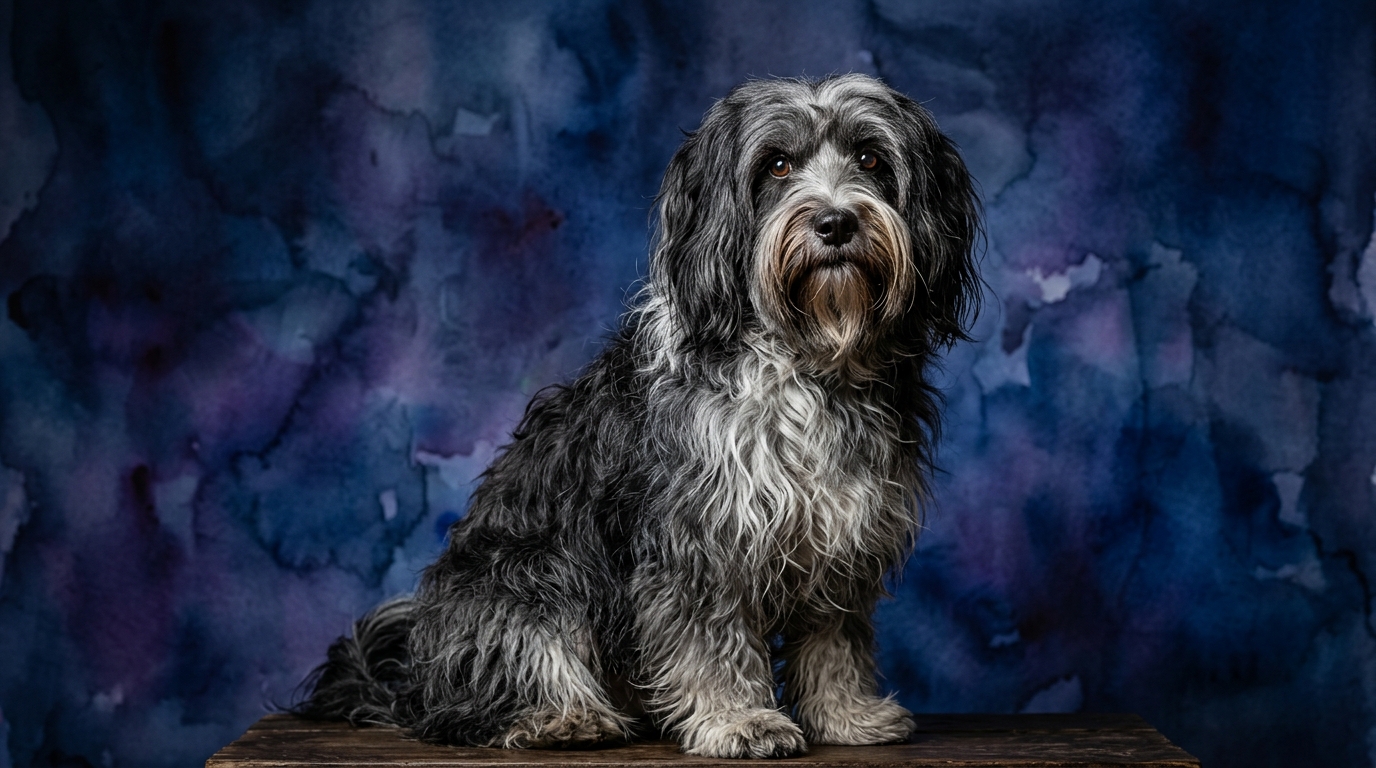
In contrast, the Tibetan Terrier, ranked #63 by Coren, offers a more balanced cognitive profile, often geared towards companionship. Their Problem Solving is 3/5, showing a solid ability to navigate new situations and learn from experience, frequently relying on observation and a desire to please. Training Speed is 3/5, indicating a moderate pace of learning where they are generally receptive and thrive on positive reinforcement and mental engagement. Social Intelligence is 3/5, similar to the Shiba, but often expressed through a greater sensitivity to their owner's mood and a desire to be involved in family activities. Their Instinctive Drive is 3/5, a moderate level that includes natural curiosity and a tendency to patrol, stemming from their watchdog heritage, but generally more manageable than the Shiba's. Memory is also 3/5, providing a reliable recall for commands, routines, and social interactions, fostering strong bonds and consistent behavior.
Where the Shiba Inu Excels Cognitively
The Shiba Inu’s cognitive strengths lie primarily in their independent problem-solving and powerful instinctive drives. With a 4/5 rating in Problem Solving, these dogs are adept at figuring things out for themselves, often devising clever strategies to achieve their goals, whether it's opening a child-proof cabinet or finding a way to sneak an extra treat. This isn't about rote learning; it's about adaptive intelligence and resourcefulness. Their 5/5 Instinctive Drive fuels this ingenuity, as their strong prey drive and exploratory nature constantly engage their minds in assessing their environment for opportunities, challenges, and potential 'prey.' This translates into a dog that is always thinking, always observing, and often one step ahead, making them masters of their own agenda. They excel in situations requiring self-reliance and a nuanced understanding of their surroundings, rather than strict adherence to human commands.
Where the Tibetan Terrier Shines Cognitively
The Tibetan Terrier's cognitive advantages are rooted in their balanced temperament and cooperative disposition, making them generally more amenable to human direction. While their individual IQ dimensions might not reach the Shiba's peak in specific areas like instinctive drive, their overall cognitive balance and willingness to engage with their human partners give them an edge in adaptability. Their 3/5 Training Speed, higher than the Shiba’s, suggests a greater readiness to learn and a more consistent response to training cues. This is bolstered by their moderate Instinctive Drive (3/5), which, while present, is less likely to override their desire to cooperate or to distract them from tasks. Their Coren rank of #63 further underscores their capacity for obedience and working intelligence, indicating a breed that generally understands and responds to commands with good reliability, thriving on interaction and positive reinforcement rather than purely independent action.
Training Dynamics: Shiba Inu vs. Tibetan Terrier
When it comes to training, the behavioral differences between these two breeds become particularly apparent. The Tibetan Terrier, with its 3/5 Training Speed, is generally considered more receptive and eager to learn. They respond well to positive reinforcement, thriving on praise, treats, and interactive play. Their Social Intelligence, while rated similarly to the Shiba, often manifests as a greater desire to please their owners and a sensitivity to human emotional cues, which aids in establishing a cooperative training relationship. They are less prone to 'selective deafness' and tend to engage willingly in learning new commands and tricks, making them a more straightforward training partner for many.
Conversely, the Shiba Inu's 2/5 Training Speed reflects their independent and often willful nature. While incredibly clever and capable of learning rapidly, they often require immense patience, creativity, and high-value motivation. A Shiba will learn a command quickly, but whether they choose to perform it depends entirely on their perceived benefit at that moment. Their strong Instinctive Drive means they can be easily distracted by environmental stimuli, and their independent Problem Solving often leads them to question the necessity of a command if it doesn't align with their current agenda. Owners often describe Shibas as having a cat-like independence, where compliance is earned, not given, and persistent, consistent training is crucial to managing their strong will and occasional 'Shiba scream' of protest.
Matching Breeds to Lifestyles: Active vs. Relaxed Owners
The distinct cognitive profiles of the Shiba Inu and Tibetan Terrier naturally align with different owner lifestyles. Owners seeking a genuinely active, mentally engaging, and sometimes challenging companion will find the Shiba Inu a compelling match. Their high Instinctive Drive and independent Problem Solving require an owner who appreciates a dog that thinks for itself and is prepared to channel that energy and cleverness through consistent training, puzzle toys, and varied activities. Shiba owners thrive on solving the puzzle of their dog's mind, enjoying the unique bond that comes from understanding and working with such a self-possessed personality. They are best suited for individuals who enjoy outdoor adventures, problem-solving with their pet, and are patient enough to navigate a dog with a strong independent streak.
For owners who prefer a more relaxed yet still engaging companion, the Tibetan Terrier is an excellent choice. Their balanced IQ profile, including a moderate Instinctive Drive and better Training Speed, means they are adaptable to various family settings and activity levels. They enjoy participating in family life, whether it's a brisk walk, a game of fetch in the yard, or cuddling on the couch. Their cooperative nature and desire for social interaction make them a relatively easy-going companion who is generally happy to follow their owner's lead. Tibetan Terriers suit individuals or families looking for a versatile dog that is receptive to training, enjoys moderate daily activity, and offers a steady, amiable presence without the constant mental gymnastics required by a highly independent breed.
The Verdict
Choose a Shiba Inu if you are an experienced owner seeking a clever, independent companion who will challenge your training skills and offers a unique, often self-directed, interaction style.
Opt for a Tibetan Terrier if you prefer a cooperative, adaptable dog who readily engages in training and family activities, offering a balanced and amiable presence for a less demanding lifestyle.
🧠 Find Your Pet's IQ Score
Our Pet IQ Lab assessment covers 25+ tests across 5 cognitive dimensions — personalized to your breed.
Take the Full IQ Test →Frequently Asked Questions
Is the Shiba Inu truly stubborn, or is it a misunderstanding of their intelligence?
The Shiba Inu's perceived 'stubbornness' is often a manifestation of their high Problem Solving and Instinctive Drive, coupled with a lower Training Speed. They are not unintelligent; rather, they are highly independent thinkers who will often prioritize their own agenda or perceived self-interest over human commands, requiring consistent, high-value motivation during training.
How does the Tibetan Terrier's Coren rank reflect its everyday behavior?
The Tibetan Terrier's Coren rank of #63 places it in the 'average working/obedience intelligence' category, meaning they typically understand new commands with 25-40 repetitions and obey them at least 50% of the time on the first try. This reflects their general receptiveness to training, their desire to cooperate, and their ability to perform tasks reliably, making them a more predictable and agreeable companion in daily life.
Are these breeds suitable for first-time dog owners?
The Tibetan Terrier, with its cooperative nature and moderate training speed, is generally a more suitable choice for first-time dog owners who are committed to consistent positive reinforcement. The Shiba Inu, due to its strong independence, high instinctive drives, and challenging training speed, is often better suited for experienced owners who understand and appreciate their unique, often strong-willed, personality.