Side-by-Side IQ Profile: Shiba Inu vs. Treeing Walker Coonhound
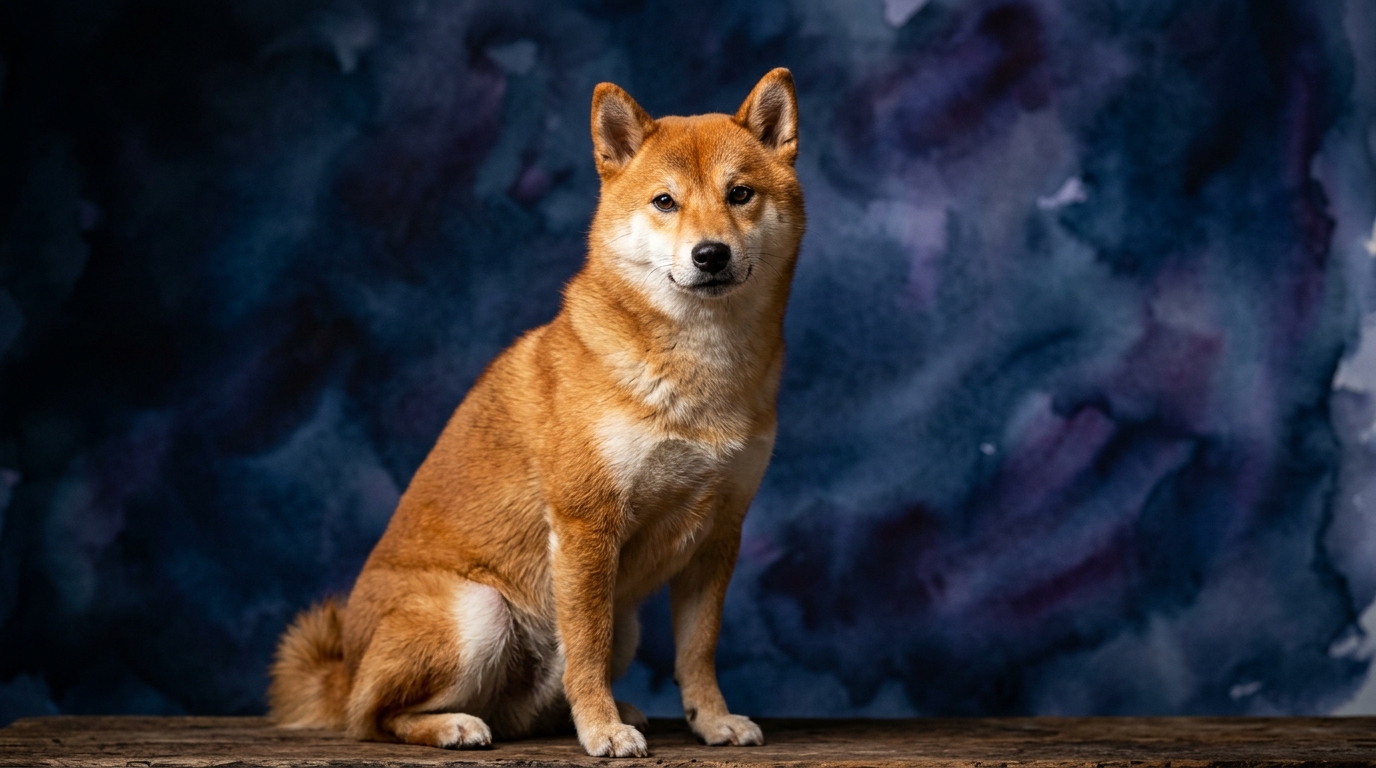
The Cosmic Pet Pet IQ Lab employs a unique five-dimensional framework to assess canine intelligence, offering a nuanced view beyond simplistic rankings. For the Shiba Inu, we observe a Problem Solving score of 4/5, reflecting their resourceful nature and knack for independently navigating their environment, often figuring out how to open gates. Their Training Speed is rated 2/5, not due to a lack of capacity, but a strong independent streak that often prioritizes their own agenda over human directives. Social Intelligence stands at 3/5; while they form deep bonds with their chosen family, they can be aloof with strangers and often prefer to observe rather than actively participate in social interactions. An impressive Instinctive Drive of 5/5 highlights their potent prey drive, territoriality, and self-preservation instincts. Finally, their Memory is strong at 4/5, enabling them to retain complex routines, learned associations, and the layout of their surroundings with considerable accuracy.
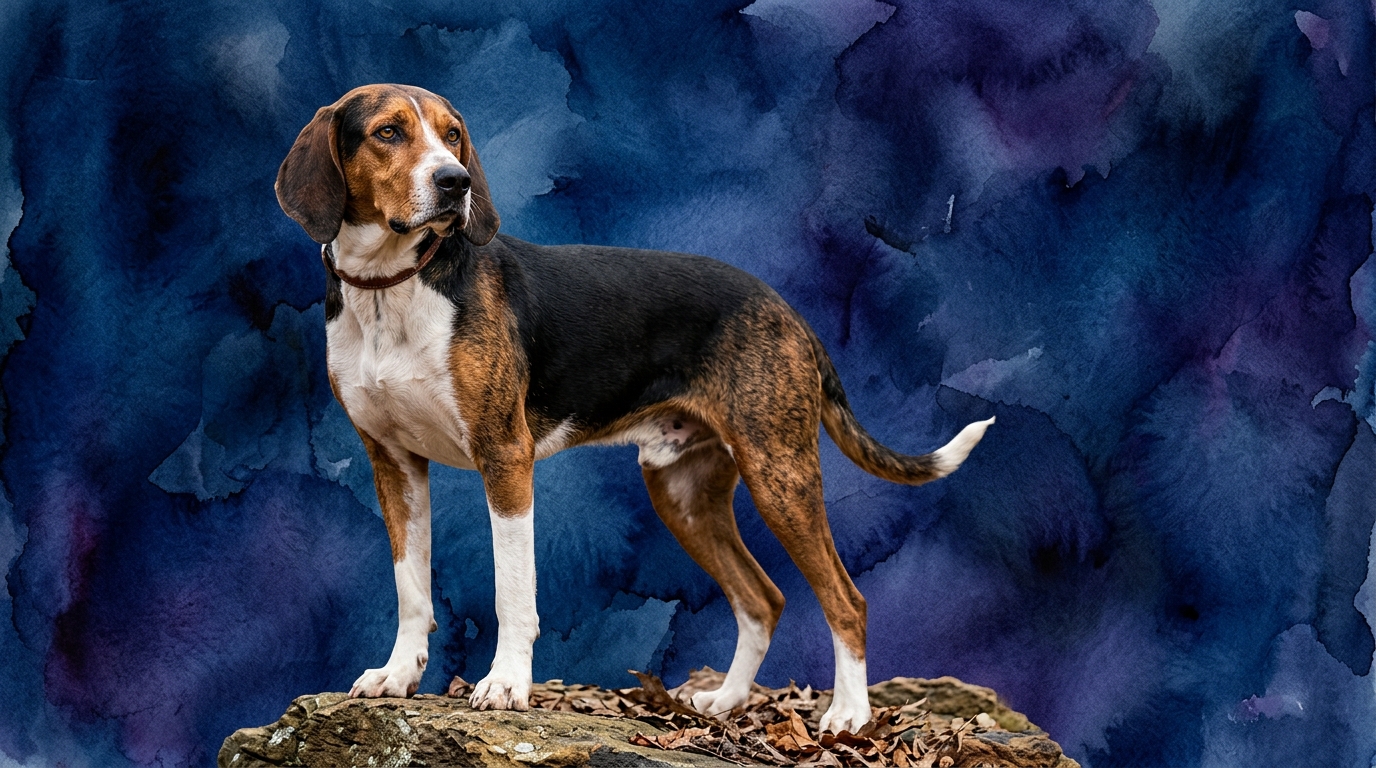
In contrast, the Treeing Walker Coonhound presents a different cognitive blueprint. Their Problem Solving ability scores 3/5, demonstrating practical intelligence primarily focused on their working domain, such as efficiently tracking game through varied terrain. Training Speed is a moderate 3/5; while generally eager to please, their intense scent drive can easily divert their attention. Social Intelligence also registers 3/5, manifesting as an affectionate, pack-oriented demeanor with family, though their boisterous nature can sometimes be misinterpreted. Their Instinctive Drive is rated 3/5, specialized for sustained scent trailing and treeing, rather than the generalized predatory drive seen in the Shiba. Memory for the Coonhound is 3/5, reliable for scent patterns and familiar environments, but perhaps less comprehensive in recalling abstract sequences compared to the Shiba Inu.
Where the Shiba Inu Wins Cognitively
The Shiba Inu clearly shines in areas demanding independent thought and creative solutions. Their 4/5 Problem Solving score outstrips the Coonhound's 3/5, evident in their often ingenious methods for gaining access to forbidden areas or unlatching a crate. This isn't just brute force; it's a calculated approach to overcoming obstacles. Their high 5/5 Instinctive Drive, encompassing a broad spectrum of survival behaviors from hunting to resource guarding, signifies a robust and versatile cognitive toolkit for self-sufficiency. This powerful drive fuels their intrinsic motivation and allows them to thrive in environments where independent decision-making is paramount. Furthermore, the Shiba Inu's superior 4/5 Memory allows them to quickly learn complex sequences and retain information over long periods, such as the precise timing of walks or the location of hidden toys, even if they selectively choose when to apply that knowledge. This acute recall supports their problem-solving by allowing them to draw on past experiences to navigate new challenges.
Where the Treeing Walker Coonhound Wins Cognitively
While the Shiba Inu excels in independent cunning, the Treeing Walker Coonhound demonstrates a different, equally valuable set of cognitive strengths, particularly in cooperative endeavors. Their 3/5 Training Speed, though moderate, represents a notable advantage over the Shiba's 2/5. This higher score reflects a greater willingness to engage with human instruction and a more direct motivation to comply, making them generally more amenable to structured learning. Their Social Intelligence, also 3/5, manifests as a strong desire for companionship and a keen understanding of pack dynamics, translating into a more biddable and responsive partner in joint activities. Perhaps the most striking cognitive win for the Coonhound lies in the specialization and endurance of their 3/5 Instinctive Drive. While rated lower overall than the Shiba's generalized drive, the Coonhound's hyper-focused scenting ability is a marvel of cognitive processing. It involves complex discrimination, pattern recognition, and sustained concentration over hours, demonstrating a profound capacity for specialized problem-solving within their olfactory world. This isn't just instinct; it's a sophisticated mental process for trailing.
Which is Easier to Train and Why
When considering ease of training, the Treeing Walker Coonhound generally presents a more straightforward path for the average owner. Their Training Speed of 3/5, coupled with a typically more cooperative and eager-to-please temperament, means they are often more receptive to learning new commands and routines. While their intense scent drive can be a significant distraction, a consistent trainer can channel this focus into productive activities, making them highly capable in scent work, obedience, and agility. Their desire to work alongside their human companions, a facet of their Social Intelligence, means they are often motivated by praise and partnership.
Conversely, training a Shiba Inu (Training Speed 2/5) requires a different approach entirely. Their independent spirit and strong self-interest mean that while they quickly grasp what is being asked of them, they often weigh whether complying is worth their effort. This 'selective deafness' is not a lack of understanding but a deliberate choice, making consistency, high-value rewards, and imaginative training methods absolutely crucial. Owners must be more persuasive and engaging, making training feel like a game for the Shiba. Their high Instinctive Drive and problem-solving skills mean they are often busy figuring out how to get what they want, rather than what you want, demanding an owner who is always one step ahead.
Which Suits Active Owners vs. Relaxed Owners
Neither the Shiba Inu nor the Treeing Walker Coonhound are ideal companions for truly relaxed, sedentary owners, but their activity needs diverge significantly. Active owners seeking a dog for sustained outdoor adventures, especially those involving long hikes or scent-based exploration, will find a devoted partner in the Treeing Walker Coonhound. Their breeding for endurance and tireless trailing means they require substantial daily physical exercise—not just a quick walk around the block, but opportunities to run, explore, and engage their powerful noses. Without this outlet, their pent-up energy can lead to vocalization and restless behaviors.
The Shiba Inu also requires an active approach from their owners, but their needs are often more centered on mental stimulation and securely contained physical activity. Their strong prey drive and independent nature mean off-leash exercise is often risky unless in a fully fenced, secure area. Owners must be prepared to engage their high Problem Solving and Memory with puzzle toys, varied training challenges, and opportunities for independent exploration in safe spaces. While they enjoy vigorous play, they are less about sustained endurance and more about bursts of activity followed by periods of watchful observation. For owners who prefer a dog that is less physically demanding but requires more creative mental engagement and consistent boundaries, the Shiba Inu might be a fit.
The Verdict
If you are an owner who values an independent, clever, and resourceful companion, prepared to engage in creative, patient training and manage a strong-willed personality, the Shiba Inu will reward you with a deeply loyal, albeit challenging, bond.
Conversely, if you are an active owner seeking a devoted, scent-driven partner for extensive outdoor adventures, willing to embrace their vocal tendencies and provide ample opportunities for physical and olfactory engagement, the Treeing Walker Coonhound will prove to be an unparalleled companion.
🧠 Find Your Pet's IQ Score
Our Pet IQ Lab assessment covers 25+ tests across 5 cognitive dimensions — personalized to your breed.
Take the Full IQ Test →Frequently Asked Questions
Are Shiba Inus difficult to train?
Yes, their strong independent streak and high self-interest mean they often weigh whether a command is worth their effort. Training requires immense patience, consistency, and highly motivating rewards to overcome their inherent stubbornness and convince them that cooperation benefits them.
Do Treeing Walker Coonhounds need a lot of exercise?
Absolutely, these dogs were bred for endurance and trailing game for hours, demanding significant physical exertion. Without substantial daily activity, ideally involving scent work or long, engaging walks, they can become restless, prone to vocalization, and may develop destructive behaviors.
Which breed is better with children?
The Treeing Walker Coonhound is generally more tolerant and good-natured with children, often displaying a patient and playful demeanor due to their pack mentality. Shiba Inus, due to their independent nature and preference for personal space, typically require more careful supervision and socialization when interacting with young children.