Side-by-Side IQ Profile: Shiba Inu vs. Welsh Terrier
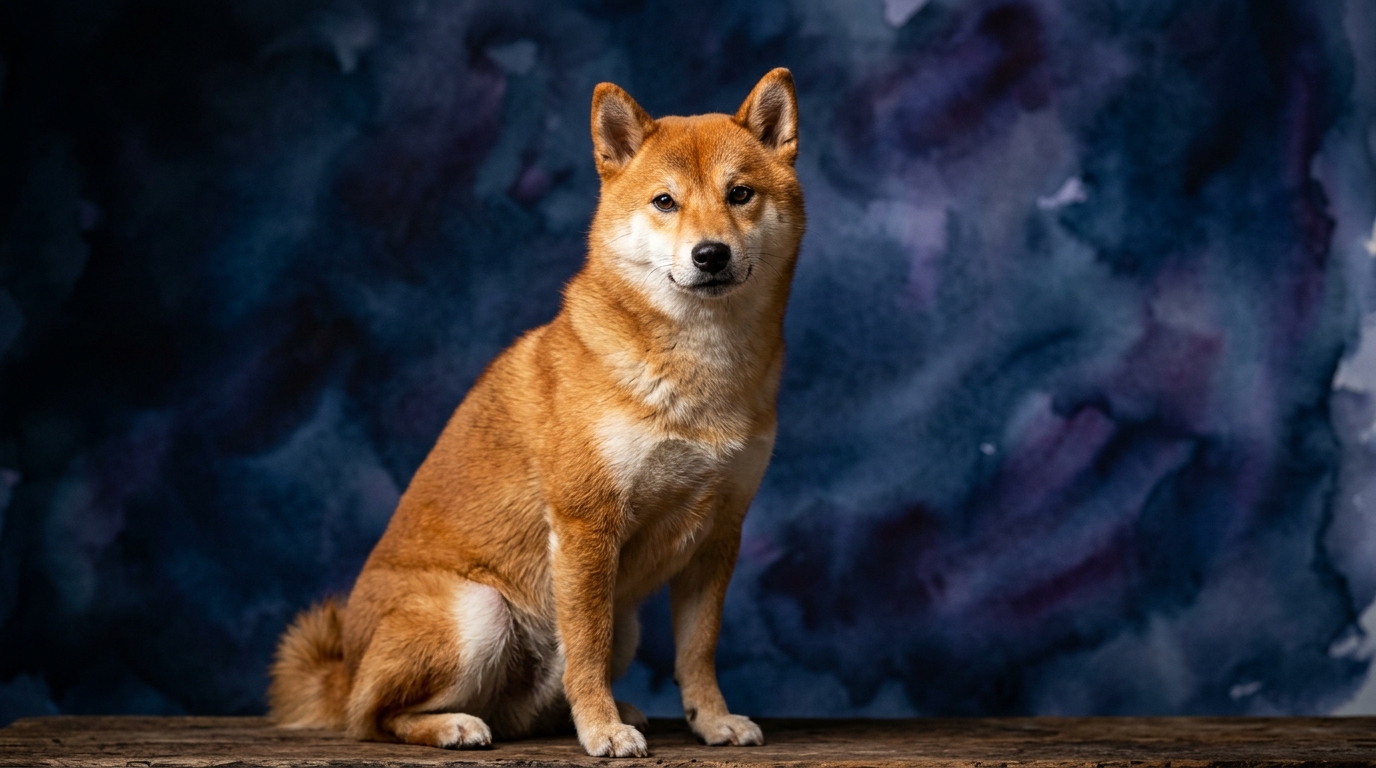
The Cosmic Pet Pet IQ Lab provides a detailed five-dimensional framework for understanding canine cognition, and applying it to the Shiba Inu and Welsh Terrier reveals their unique mental landscapes. For the Shiba Inu, a breed originating from Japan with a history as a hunting dog, their cognitive scores paint a picture of independence and deep-seated instinct. They score a notable 4/5 in Problem Solving, indicating a strong capacity for independent thought and figuring out complex situations on their own terms. Their Training Speed, however, is rated at 2/5, suggesting a more selective approach to learning and a potential for stubbornness in structured obedience. Social Intelligence for the Shiba Inu sits at 3/5, meaning they are capable of forming bonds and understanding social cues, but often prefer a more reserved interaction style. A standout trait is their Instinctive Drive, scoring a perfect 5/5, reflecting a powerful innate desire to hunt, chase, and pursue. Finally, their Memory is strong at 4/5, allowing them to retain experiences and learned behaviors effectively over time.
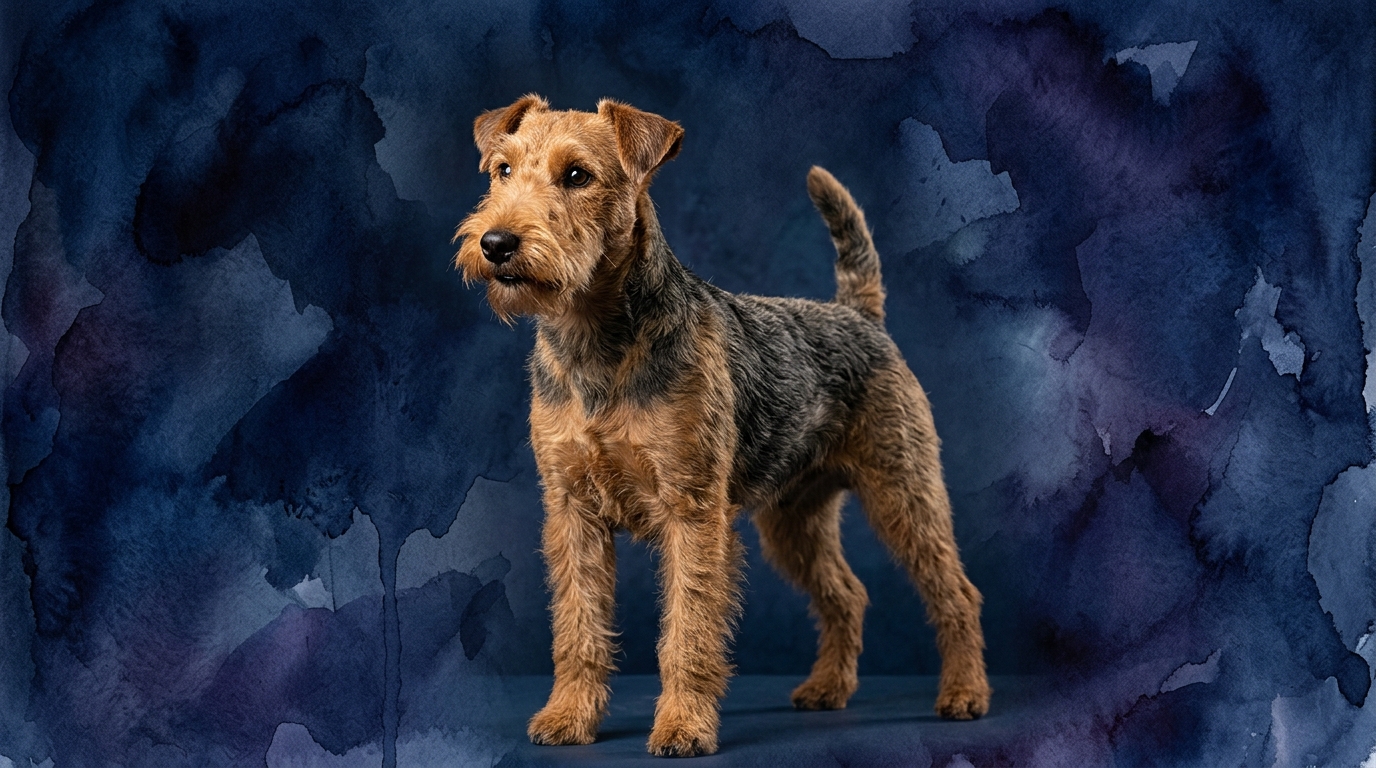
In contrast, the Welsh Terrier, a spirited working terrier from Wales, exhibits a different set of cognitive strengths. Their Problem Solving ability is rated at 3/5, showing competence in navigating challenges but perhaps with less of the Shiba's self-initiated ingenuity. The Welsh Terrier's Training Speed matches their Problem Solving at 3/5, indicating a moderate willingness and aptitude for structured learning, often driven by their desire for engagement. Their Social Intelligence is also 3/5, mirroring the Shiba's capacity for connection while retaining a degree of independence. The Instinctive Drive of the Welsh Terrier is 3/5, a significant score for a terrier breed, manifesting as a strong urge to dig, chase, and explore, though not as overwhelmingly dominant as the Shiba's. Their Memory is rated at 3/5, suggesting a solid ability to recall information and experiences, but perhaps with less long-term retention than the Shiba Inu.
Where the Shiba Inu Wins Cognitively
The Shiba Inu's cognitive strengths lie primarily in their remarkable autonomy and deeply ingrained natural aptitudes. With a Problem Solving score of 4/5, they demonstrate a superior ability to independently strategize and overcome obstacles, whether it's figuring out how to open a tricky gate or navigating a complex environment without direct human instruction. This score reflects a breed that doesn't always wait for guidance but rather assesses situations and devises its own solutions, often with surprising cleverness. Coupled with their outstanding Instinctive Drive of 5/5, Shibas possess an unparalleled internal motivation for specific tasks, historically hunting and tracking. This powerful drive translates into an intense focus when their instincts are engaged, making them incredibly persistent in pursuit of a goal that aligns with their innate programming. Furthermore, their Memory, rated at 4/5, means that once a Shiba learns something, whether a positive experience or a negative one, they are likely to remember it vividly and for a long duration, influencing their future behaviors and interactions. This robust memory complements their problem-solving, allowing them to build upon past successes or avoid past failures with precision.
Where the Welsh Terrier Wins Cognitively
The Welsh Terrier's primary cognitive advantage, when directly compared to the Shiba Inu, resides in their Training Speed, which stands at 3/5 compared to the Shiba's 2/5. While neither breed is a 'push-button' learner, the Welsh Terrier generally exhibits a more consistent and engaged approach to structured training sessions. Their terrier tenacity, coupled with a desire for interaction and mental stimulation, often makes them more receptive to learning commands and routines when presented with clear, consistent methods and positive reinforcement. This moderate score indicates that while they may not grasp new concepts instantaneously, they are typically willing participants in the learning process and can achieve proficiency with dedication. This slightly higher training speed suggests that a Welsh Terrier might be more amenable to a wider range of obedience or trick training, provided the handler makes the process engaging and taps into their innate zest for activity and partnership. Their Problem Solving, Social Intelligence, Instinctive Drive, and Memory are all rated at 3/5, signifying a balanced cognitive profile that supports their moderate training speed, making them capable learners without the deep independence that can sometimes challenge training efforts in the Shiba Inu.
Which is Easier to Train and Why
Based on their Cosmic Pet Pet IQ Lab scores, the Welsh Terrier (Training Speed 3/5) is generally easier to train than the Shiba Inu (Training Speed 2/5). The difference isn't about one being 'smarter' than the other, but rather about their inherent willingness to cooperate in structured learning environments. The Shiba Inu's exceptional Problem Solving (4/5) and powerful Instinctive Drive (5/5) often lead to a highly independent nature; they are adept at figuring things out for themselves and are strongly motivated by their own internal desires rather than always seeking human direction. This can manifest as selective hearing or a 'what's in it for me?' attitude during training, making consistency and high-value rewards absolutely critical to maintain their focus. Their memory (4/5) means they remember what they learn, but their independence can make the initial learning phase slower.
The Welsh Terrier, while possessing a notable Instinctive Drive of 3/5 typical of terriers, combines this with a slightly more amenable temperament for training. Their Training Speed of 3/5 suggests they are more likely to engage with an owner during lessons, finding satisfaction in the interaction and mental challenge. While they can still exhibit terrier stubbornness, their drive is often channelled into working alongside their human, making them more responsive to cues and less likely to devise their own 'alternative solutions' to commands. They thrive on consistency and positive reinforcement, and their balanced cognitive profile (3/5 across Problem Solving, Social Intelligence, Instinctive Drive, and Memory) makes them generally more predictable and cooperative in a training context compared to the Shiba's distinct self-sufficiency.
Which Suits Active Owners vs. Relaxed Owners
Neither the Shiba Inu nor the Welsh Terrier are ideal companions for truly relaxed, sedentary owners who prefer minimal engagement. Both breeds possess significant energy and a need for mental stimulation, but their specific requirements differ based on their cognitive profiles. The Shiba Inu, with its 5/5 Instinctive Drive and 4/5 Problem Solving, requires an owner who can consistently provide outlets for their innate desires and independent thought. They need regular, engaging exercise that allows them to explore and satisfy their strong prey drive, along with mental challenges that prevent boredom. An active owner for a Shiba is someone who appreciates a companion that is not overly clingy, respects their independent nature, and is prepared to provide consistent, stimulating activities that align with the Shiba's self-sufficient problem-solving capabilities. Their high memory also means they remember routines well, so consistent engagement is key.
The Welsh Terrier, with its balanced 3/5 scores across most cognitive dimensions, also thrives with an active owner, but perhaps one who prefers a more interactive and structured approach to activity. Their 3/5 Instinctive Drive demands regular physical exercise and opportunities for mental engagement to prevent destructive behaviors that can arise from boredom. They enjoy activities like agility, earthdog trials, or long walks and runs that allow them to use their terrier instincts in a controlled manner. An active owner for a Welsh Terrier is someone who enjoys directly engaging with their dog in play, training, and outdoor adventures, appreciating their spirited nature and moderate willingness to work alongside their human. While not as fiercely independent as the Shiba, they still require an owner who can provide consistent leadership and channel their energy productively.
The Verdict
Choose the Shiba Inu if you appreciate a highly independent, self-sufficient companion with a deep instinctive drive, and you are prepared for a dog that thinks for itself and requires consistent engagement to manage its unique cognitive approach.
Opt for the Welsh Terrier if you desire an energetic, spirited companion that is generally more amenable to structured training and direct interaction, thriving with an owner who enjoys active participation in their dog's mental and physical development.
🧠 Find Your Pet's IQ Score
Our Pet IQ Lab assessment covers 25+ tests across 5 cognitive dimensions — personalized to your breed.
Take the Full IQ Test →Frequently Asked Questions
Are Shiba Inus difficult to train?
Shiba Inus can be challenging to train due to their 2/5 Training Speed and strong independence. They learn, but often on their own terms, requiring consistent, positive reinforcement and a patient owner who understands their self-sufficient nature.
Do Welsh Terriers need a lot of exercise?
Yes, Welsh Terriers have a 3/5 Instinctive Drive and require regular exercise and mental stimulation to prevent boredom and channel their energy. Daily walks, playtime, and engaging activities are crucial for their well-being.
Which breed is better for first-time dog owners?
Neither breed is typically recommended for first-time owners without prior research and commitment to their specific needs. However, the Welsh Terrier's slightly higher Training Speed (3/5 vs. Shiba's 2/5) might make them marginally easier for a dedicated novice willing to invest in consistent training.