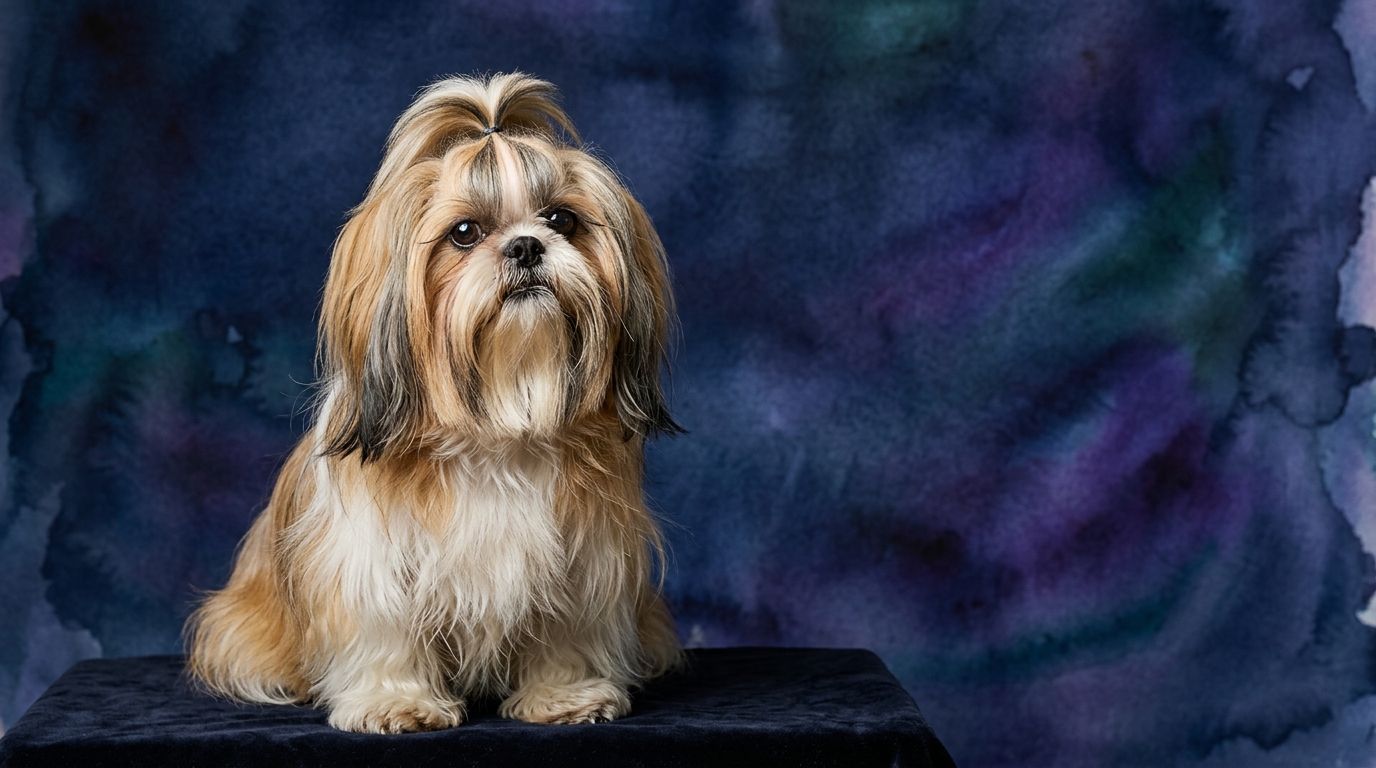
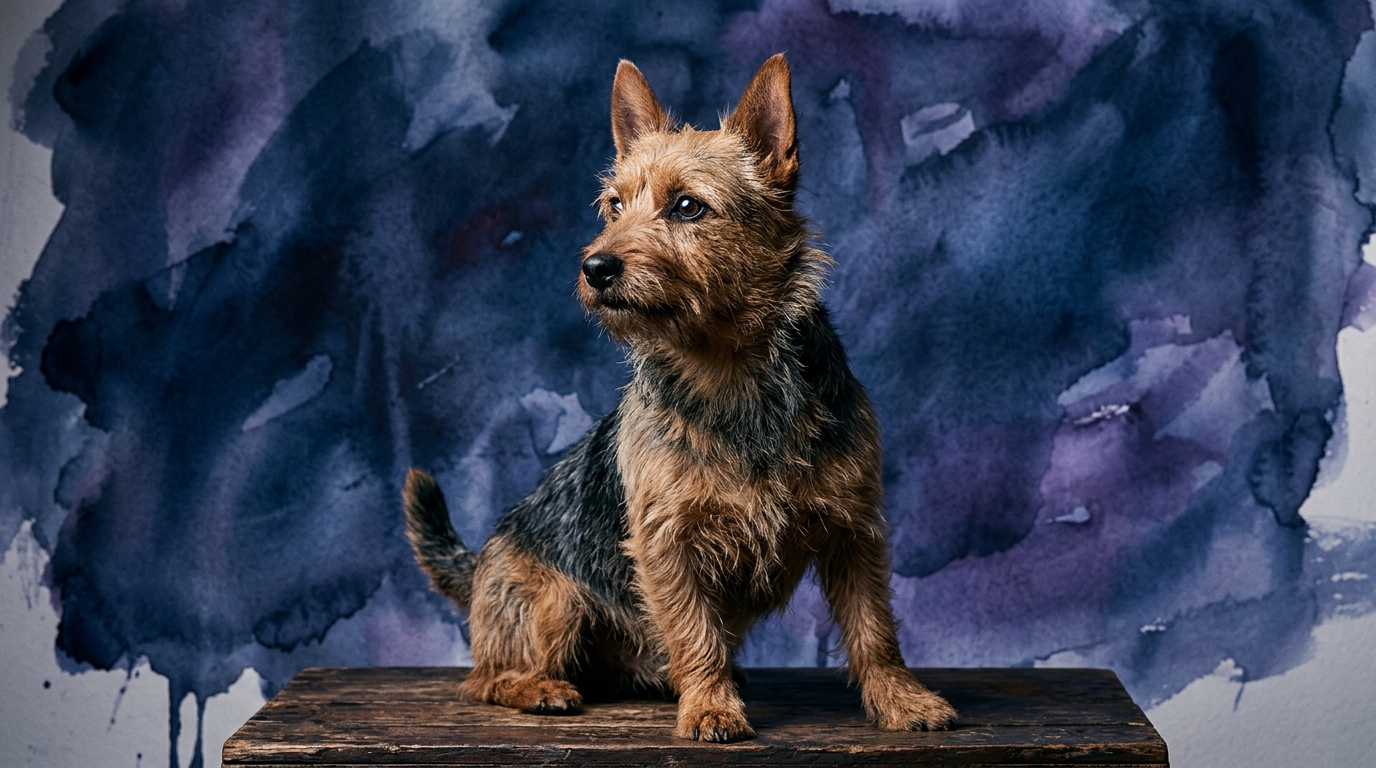
Side-by-Side Cognitive Profiles: Shih Tzu vs. Australian Terrier
The Cosmic Pet Pet IQ Lab employs five key dimensions to evaluate canine cognitive abilities, offering a granular view beyond general perceptions. Let's delve into how the Shih Tzu, a Toy group member ranked #70 by Coren for working intelligence, and the Australian Terrier, a spirited Terrier group dog without a specific Coren rank, measure up across these scales.
The Shih Tzu presents a unique cognitive blueprint. Their Problem Solving is rated 3/5, indicating a moderate capacity to navigate challenges, often applied to achieving comfort or interacting with their environment on their own terms. Training Speed scores 2/5, suggesting they require more patience and creative motivation to learn new commands. However, their Social Intelligence is an exceptional 5/5, making them incredibly attuned to human emotions and social cues. Instinctive Drive is low at 2/5, meaning they are less inclined towards independent hunting or working tasks, and Memory is a steady 3/5, allowing them to retain routines and established commands.
In contrast, the Australian Terrier showcases a more balanced cognitive profile across the board. Like the Shih Tzu, their Problem Solving is 3/5, reflecting a similar ability to figure things out, though often applied with a terrier's characteristic tenacity and curiosity. Their Training Speed is 3/5, indicating a greater receptiveness to learning and a quicker grasp of new behaviors. Social Intelligence is 3/5, meaning they enjoy human company but also possess an independent streak. Instinctive Drive, befitting a terrier, is 3/5, manifesting as a moderate desire for digging, chasing, and exploration. Their Memory also stands at 3/5, providing reliable recall for training and experiences.
Where the Shih Tzu’s Cognition Shines Brightest
The Shih Tzu’s most profound cognitive strength lies undeniably in their Social Intelligence, scoring a perfect 5/5. This isn't merely about liking people; it's about an exquisite sensitivity to human emotions, subtle body language, and the intricate dynamics of a household. They are masters of companionship, often anticipating their owner's moods and offering comfort without explicit prompting.
This high social acumen means Shih Tzus excel at forming deep, empathetic bonds. Their cognitive processing is heavily weighted towards understanding and engaging with their human family, making them adept at navigating complex social interactions within the home. They process human behavior with remarkable precision, often learning how to elicit desired responses from their owners, not through manipulation, but through an intuitive understanding of connection and affection. This makes them exceptional emotional support animals and devoted family members who thrive on shared presence.
The Australian Terrier’s Cognitive Edge
The Australian Terrier’s cognitive advantages stem from a well-rounded and moderately higher drive profile. While their Problem Solving matches the Shih Tzu at 3/5, their Training Speed of 3/5 provides a significant edge in practical application. This means they are generally quicker to pick up new commands and more eager to engage in structured learning, making them adaptable to various training scenarios and activities.
Furthermore, their Instinctive Drive, also at 3/5, coupled with their balanced cognitive scores, means they are more self-motivated to interact with and explore their environment. They possess a terrier's inherent curiosity and tenacity, allowing them to apply their problem-solving skills to real-world challenges like navigating new terrains or engaging with puzzle toys. This gives them a robust cognitive resilience, enabling them to thrive in dynamic settings and participate actively in family adventures, demonstrating a versatile and engaged approach to their surroundings.
Trainability: A Tale of Two Temperaments
When it comes to ease of training, the Australian Terrier generally holds an advantage over the Shih Tzu. With a Training Speed of 3/5, Australian Terriers typically demonstrate a more immediate willingness to learn and respond to commands. Their moderate instinctive drive means they are often motivated by tasks, challenges, and the opportunity to engage with their surroundings. They respond well to consistent, positive reinforcement and can often grasp new behaviors with fewer repetitions, making them a rewarding partner for obedience or trick training.
The Shih Tzu, with a Training Speed of 2/5, requires a more patient and nuanced approach. While they are certainly capable of learning, their primary motivation isn't always to perform tasks for the sake of it. Their high social intelligence means they might 'train' their humans more effectively to provide comfort or treats. Success with a Shih Tzu often hinges on making training a fun, social interaction rather than a strict lesson, leveraging their desire for connection and comfort. Owners should anticipate a longer learning curve and celebrate small victories, focusing on building a positive association with commands.
Matching Canine Cognition to Lifestyle: Active vs. Relaxed Owners
For owners seeking a relaxed, devoted companion, the Shih Tzu's cognitive profile aligns perfectly. Their low Instinctive Drive (2/5) means they are content with shorter walks and indoor activities, prioritizing proximity to their human companions. Their exceptional Social Intelligence (5/5) means they thrive on emotional connection and gentle interaction, making them ideal for individuals or families who value a calm, affectionate presence without the demand for extensive physical or mental exertion. They are masters of quiet companionship, perfectly suited for a cozy home life.
Conversely, the Australian Terrier is better suited for more active owners. Their balanced cognitive scores, particularly their 3/5 Instinctive Drive and Training Speed, indicate a need for regular engagement and mental stimulation. They enjoy exploring, participating in outdoor activities, and learning new things. Owners who appreciate a dog with a playful spirit, a curious mind, and the capacity to engage in varied activities – from walks to puzzle games – will find a fulfilling partnership with an Australian Terrier. They benefit from consistent training and opportunities to channel their natural terrier tenacity and problem-solving drive.
The Verdict
If your lifestyle prioritizes deep emotional connection and a calm, empathetic presence, the Shih Tzu’s exceptional social intelligence makes them an unparalleled companion.
For owners seeking a more versatile, moderately active dog who enjoys engaging with the world through learning and exploration, the Australian Terrier’s balanced cognitive profile offers a rewarding partnership.
🧠 Find Your Pet's IQ Score
Our Pet IQ Lab assessment covers 25+ tests across 5 cognitive dimensions — personalized to your breed.
Take the Full IQ Test →Frequently Asked Questions
Does a lower Coren rank mean a dog is less intelligent?
Not necessarily. Coren ranks primarily measure 'working and obedience intelligence,' focusing on how quickly a dog learns and obeys commands. A breed like the Shih Tzu, with high social intelligence, might not rank high on obedience but possesses deep cognitive strengths in forming bonds and understanding human emotions.
Are Shih Tzus stubborn during training?
Shih Tzus can appear stubborn due to their lower training speed (2/5) and independent nature, which prioritizes comfort and social interaction over rote obedience. They respond best to positive reinforcement, patience, and making training feel like a fun, social game rather than a strict chore.
Do Australian Terriers require a lot of mental stimulation?
Yes, with a 3/5 instinctive drive and problem-solving, Australian Terriers benefit significantly from mental stimulation. Activities like puzzle toys, scent work, or learning new tricks can channel their natural terrier curiosity and tenacity, preventing boredom and promoting a happier, more well-adjusted disposition.