
Side-by-Side IQ Profile: Unpacking Cognitive Dimensions
The Cosmic Pet Pet IQ Lab employs five key dimensions to evaluate canine intelligence, offering a nuanced view beyond simplistic rankings. For both the Shih Tzu and the Basset Hound, their Problem Solving aptitude sits at a moderate 3 out of 5. The Shih Tzu typically applies this skill to navigate its immediate domestic environment, often figuring out how to gain attention or access comfortable spots, while the Basset Hound's problem-solving is more often directed towards persistent investigation, particularly when a compelling scent is involved.
In Training Speed, the Basset Hound holds a slight advantage at 3 out of 5, indicating a steady learning pace, though their strong independent streak can sometimes slow progress. The Shih Tzu, with a 2 out of 5, generally requires more repetitions and consistent, high-value motivation to master new commands. Social Intelligence is where the Shih Tzu truly shines, scoring an exceptional 5 out of 5. They possess a remarkable ability to read human emotions and adapt to social dynamics, forming deep empathetic bonds. The Basset Hound, while friendly and good-natured, shows a moderate 3 out of 5 in this area, connecting well but without the same profound emotional attunement.
Their Instinctive Drive also differs; the Shih Tzu's 2 out of 5 reflects its primary role as a companion, with minimal urges for hunting or guarding. The Basset Hound's 3 out of 5 is heavily influenced by its powerful olfactory instincts, driving it to explore and track scents above all else. Finally, both breeds score a moderate 3 out of 5 for Memory, capable of retaining routines and learned behaviors, though the Basset's recall can be challenged by environmental distractions and the Shih Tzu's by a preference for comfort over compliance.
Where the Shih Tzu Wins Cognitively
The Shih Tzu's cognitive triumph lies in its exceptional Social Intelligence, scoring a perfect 5/5. This isn't just about being affectionate; it's a profound ability to interpret and respond to human emotions and subtle social cues. They often seem to 'know' when comfort is needed, offering empathetic presence. This keen social perception allows them to seamlessly integrate into family dynamics, quickly learning routines and adapting their behavior based on the mood of their human companions. Their relatively low Instinctive Drive (2/5) further enhances this win, as their attention is rarely diverted by external stimuli, keeping them focused on their human interactions. This makes them masters of companionship, adept at forming deep, reciprocal emotional bonds within the home.
Where the Basset Hound Wins Cognitively
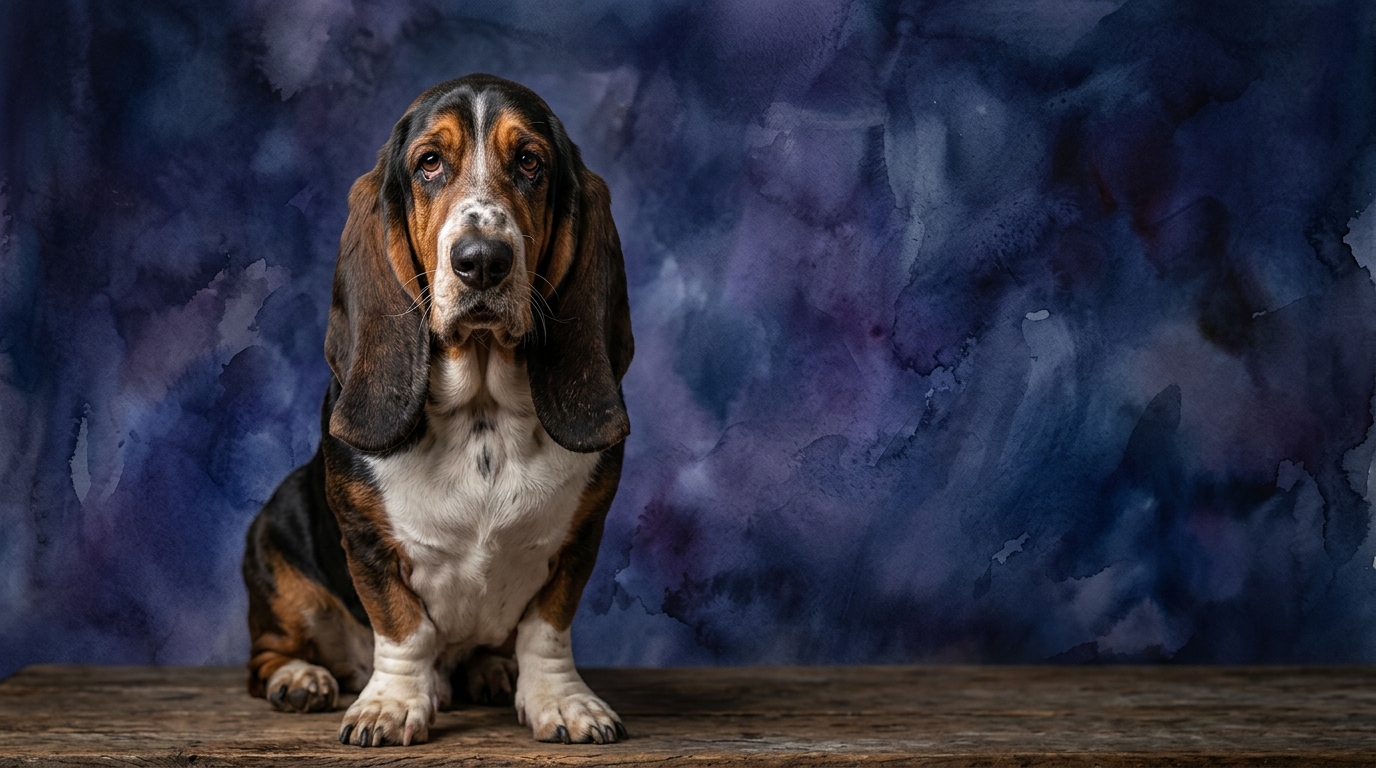
The Basset Hound's cognitive strengths are rooted in its Instinctive Drive (3/5) and a methodical approach to the world. Their unparalleled olfactory capabilities are a testament to their unique intelligence, shining when presented with scent-based challenges. This involves a sophisticated form of environmental problem-solving, where they persistently process and interpret complex scent information to achieve a goal. Their Problem Solving score of 3/5 manifests as a determined, resilient investigation, rather than rapid insight. When it comes to Training Speed (3/5), Bassets hold a slight edge over Shih Tzus. While they can appear stubborn, this often stems from their independent nature and the powerful pull of their scent world. With consistent, reward-based training aligned with their motivations, Bassets can learn effectively, demonstrating a focused mental application to tasks that capture their innate interest.
Which is Easier to Train, and Why?
Comparing ease of training, the Basset Hound's Training Speed (3/5) slightly outpaces the Shih Tzu (2/5), though both present distinct challenges. The Shih Tzu's training can be difficult due to their independent streak and preference for comfort, often requiring significant motivation and consistency to comply with commands not immediately beneficial to them. Their problem-solving might be directed more at getting their own way than mastering obedience. Basset Hounds, conversely, are often perceived as stubborn due to their powerful Instinctive Drive (3/5) and overwhelming sense of smell. They can learn commands steadily, but their focus can easily be hijacked by a fascinating scent trail, overriding learned obedience. Training a Basset often means managing environmental distractions and channeling their natural drives, whereas training a Shih Tzu involves convincing them that cooperation is more rewarding than independence, demanding immense patience.
Which Suits Active vs. Relaxed Owners?
An owner's lifestyle significantly dictates the ideal match between these two breeds. For relaxed owners seeking a devoted, low-key companion, the Shih Tzu is an excellent choice. Their low Instinctive Drive (2/5) means minimal physical exercise requirements; they thrive on indoor play and ample snuggle time, with their exceptional Social Intelligence making them perfect for those prioritizing companionship and emotional connection. Conversely, the Basset Hound suits moderately active owners prepared to engage with their dog's unique needs. While not built for speed, their strong Instinctive Drive (3/5) demands regular opportunities for scent work and exploration. An 'active' owner for a Basset provides purposeful outdoor adventures, allowing them to engage their powerful nose for vital mental stimulation. Without these outlets, a Basset can become restless. Therefore, the Shih Tzu fits a calm, companion-focused home, while the Basset Hound thrives with consistent outdoor engagement of its keen senses.
The Verdict
Choose the Shih Tzu if your primary desire is an emotionally attuned companion who thrives on close social interaction and requires minimal intense activity, making them ideal for a calmer indoor lifestyle.
Opt for the Basset Hound if you appreciate a dog with a strong, independent drive for exploration and are prepared to engage their powerful sense of smell through consistent outdoor activities and scent-based enrichment.
🧠 Find Your Pet's IQ Score
Our Pet IQ Lab assessment covers 25+ tests across 5 cognitive dimensions — personalized to your breed.
Take the Full IQ Test →Frequently Asked Questions
Are Shih Tzus easy to house train?
Shih Tzus can be challenging to house train due to their independent nature and smaller bladders, requiring consistent routines, frequent outdoor access, and patience. Their moderate memory helps them learn, but consistency is paramount.
Do Basset Hounds make good family pets?
Basset Hounds generally make good family pets due to their gentle and tolerant nature, scoring 3/5 in social intelligence. They are typically patient with children and can coexist peacefully with other animals, though supervision is always advised.
How much exercise does a Shih Tzu need compared to a Basset Hound?
A Shih Tzu needs minimal exercise, content with short walks and indoor play, reflecting its 2/5 instinctive drive. A Basset Hound requires moderate daily exercise, including purposeful walks that allow them to engage their powerful scent drive for mental and physical well-being.