Side-by-Side IQ Profile: Shih Tzu vs. Bullmastiff
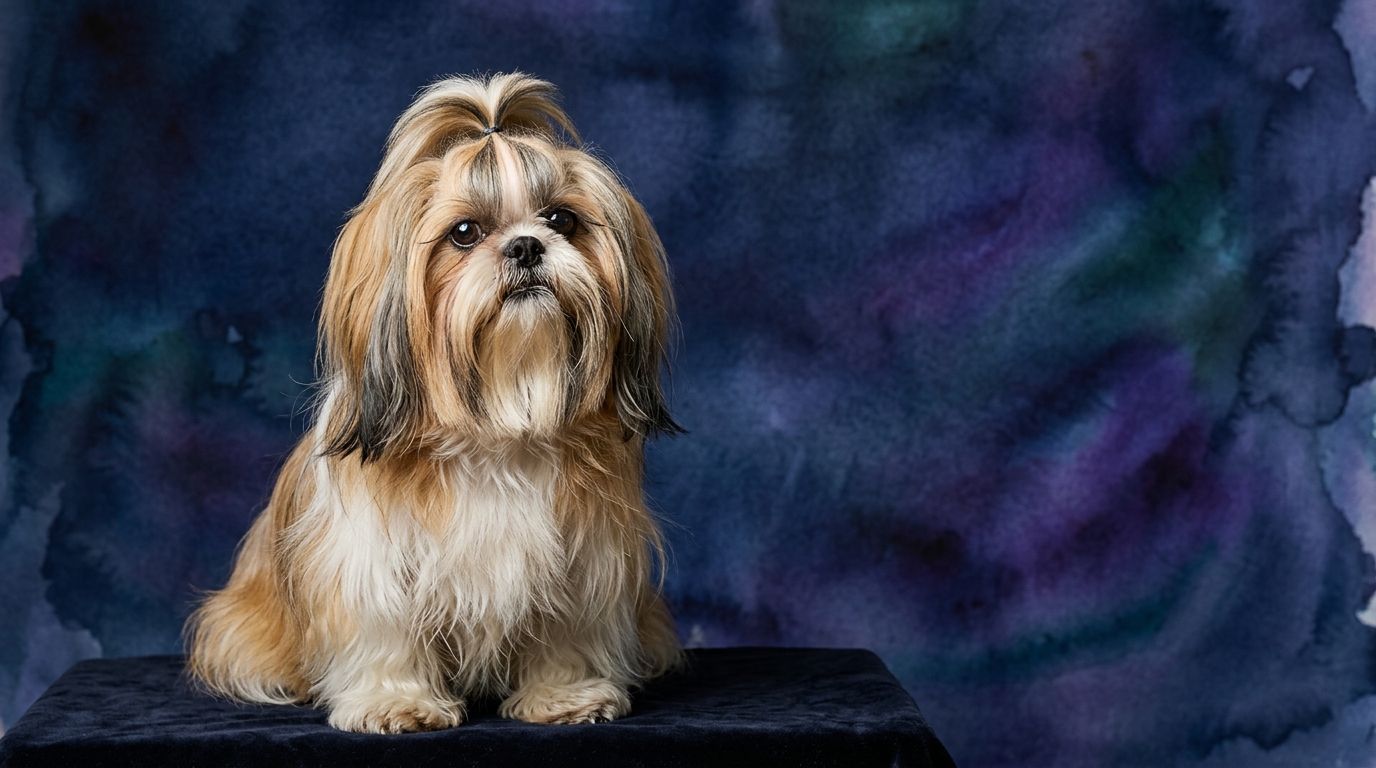
The Shih Tzu, a delightful member of the Toy group with a Coren rank of #70, presents a unique cognitive blueprint. Their problem-solving ability is rated at 3/5, indicating a moderate capacity for navigating novel challenges, often employing creative, albeit sometimes stubborn, approaches to achieve desired outcomes. When it comes to training speed, they score 2/5, suggesting they can be a bit leisurely in grasping new commands, requiring patience and consistent, positive reinforcement. Where the Shih Tzu truly shines is in social intelligence, earning a perfect 5/5; their exceptional acumen allows them to read human emotions with remarkable precision, fostering deep, intuitive bonds. Their instinctive drive is relatively low at 2/5, meaning innate urges like hunting or guarding are typically for amusement rather than strong predatory or protective impulses. Finally, their memory stands at 3/5, indicating a solid capacity for retaining learned behaviors and routines over time.
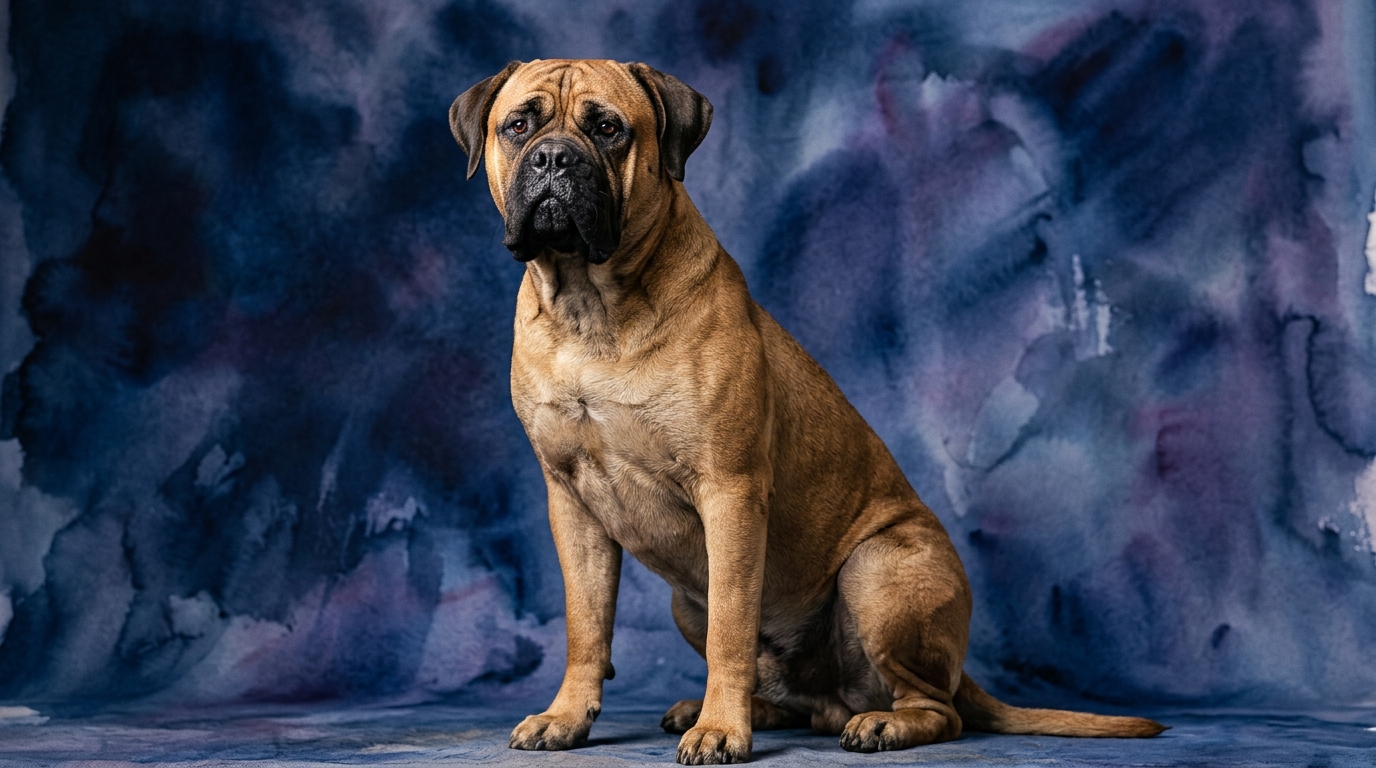
The Bullmastiff, a majestic Working breed with a Coren rank of #69, offers a contrasting yet equally intriguing cognitive profile. Their problem-solving ability matches the Shih Tzu at 3/5, displaying a practical, moderate capacity to assess and resolve problems, often relying on physical strength or learned strategies rather than complex abstract thought. Their training speed, however, is slightly higher at 3/5, demonstrating a respectable capacity for learning new commands and responding well to clear, consistent instruction. In social intelligence, the Bullmastiff scores 3/5; they understand pack dynamics and form strong bonds, but might not exhibit the same nuanced emotional sensitivity or adaptability to diverse social settings as their Toy counterpart. Their instinctive drive is moderately pronounced at 3/5, particularly in guarding and protection, reflecting their heritage. Like the Shih Tzu, their memory is rated at 3/5, meaning they reliably recall commands, routines, and experiences, contributing to their reputation as dependable working dogs.
Where the Shih Tzu Wins Cognitively
The Shih Tzu’s standout cognitive strength lies unequivocally in its social intelligence, scoring a perfect 5/5. This isn't merely about being friendly; it reflects a profound capacity to interpret human emotional states, understand subtle social cues, and adapt their behavior to maintain harmony within their human 'pack.' For instance, a Shih Tzu might instinctively offer comfort when its owner is distressed, or adjust its play intensity based on a child's mood, demonstrating a nuanced empathetic understanding. This high social IQ allows them to forge exceptionally deep, almost intuitive bonds with their families, making them highly attuned emotional companions. Their ability to read a room and respond appropriately often surprises owners, showcasing a sophisticated emotional processing ability that far surpasses many larger, more 'working-oriented' breeds.
Where the Bullmastiff Wins Cognitively
The Bullmastiff's cognitive advantages manifest primarily in its slightly higher training speed (3/5) and more pronounced instinctive drive (3/5) compared to the Shih Tzu. While their problem-solving and memory scores are identical, the Bullmastiff’s quicker uptake in training means they can acquire new commands and routines with greater efficiency, provided the motivation is there. This isn't just about repetition; it speaks to a practical engagement with tasks. Furthermore, their instinctive drive, rooted in their guardian heritage, gives them a natural inclination towards vigilance and protection. This translates into a focused awareness of their environment and a proactive, albeit measured, response to perceived threats, which can be channeled effectively in specific training contexts like property patrol or companion protection. Their cognitive strengths lean towards purposeful action and dependable execution.
Which is Easier to Train and Why
When assessing ease of training, the Bullmastiff generally holds an edge over the Shih Tzu. The Bullmastiff's training speed of 3/5, coupled with its moderate instinctive drive, means it often shows a greater willingness to engage in structured learning and can pick up new commands more readily. Their working heritage predisposes them to respond to clear leadership and purpose-driven tasks. For example, a Bullmastiff is typically more receptive to learning a 'stay' command for extended periods, understanding its utility and complying with a consistent handler.
In contrast, the Shih Tzu's training speed of 2/5 and a lower instinctive drive mean they might require more patience, creativity, and consistency. Their independent and sometimes stubborn nature can lead to slower progress, as they often weigh whether a command truly benefits them or aligns with their current desire. While they are certainly trainable, their process often involves more negotiation and finding the right motivational levers, such as high-value treats or engaging play, rather than a straightforward desire to please or perform a job. Their high social intelligence helps them understand what their human wants, but their willingness to act on it isn't always immediate.
Which Suits Active Owners vs. Relaxed Owners
For relaxed owners seeking a devoted, emotionally perceptive companion, the Shih Tzu is an exceptional match. Their moderate energy levels and strong social intelligence mean they thrive on companionship and gentle interaction rather than strenuous physical activity or complex mental tasks. A Shih Tzu is content with short walks, cuddle sessions, and being an integral part of family life, often intuitively understanding and responding to their owner's moods. Their primary need is close social connection and a comfortable environment where their social acumen can flourish.
Active owners, or those seeking a more purposeful canine partner, might find the Bullmastiff a better fit, albeit with specific considerations for their activity. While not hyperactive, Bullmastiffs benefit from regular, moderate exercise that engages both their bodies and minds, such as daily walks, structured play, or even basic obedience work that taps into their problem-solving and training speed. Their instinctive drive for vigilance means they appreciate having a 'job,' even if it's just patrolling the yard or being a watchful presence. Owners who can provide consistent training, socialisation, and moderate physical outlets will find the Bullmastiff to be a calm, dependable, and quietly protective companion.
The Verdict
Choose the Shih Tzu if your priority is an emotionally intuitive companion with unparalleled social intelligence, perfect for gentle, relaxed households seeking deep, responsive bonds.
Opt for the Bullmastiff if you desire a dependable, watchful companion who responds well to consistent training and offers a quiet, protective presence for a moderately active family.
🧠 Find Your Pet's IQ Score
Our Pet IQ Lab assessment covers 25+ tests across 5 cognitive dimensions — personalized to your breed.
Take the Full IQ Test →Frequently Asked Questions
Are Shih Tzus difficult to train because of their low training speed?
While Shih Tzus have a 2/5 training speed, indicating they might take longer to grasp new commands, they are not untrainable. Their high social intelligence means they understand human intent; owners just need patience, consistency, and highly motivating rewards to make training successful.
How does the Bullmastiff's instinctive drive manifest in daily life?
The Bullmastiff's 3/5 instinctive drive typically manifests as a natural watchfulness and protective instinct over their family and home. They are often calm but alert, observing their surroundings and potentially acting as a deterrent without being overly aggressive, preferring to assess situations first.
Do both breeds enjoy mental stimulation despite their similar problem-solving scores?
Yes, both breeds benefit from mental enrichment, even with their 3/5 problem-solving scores. For Shih Tzus, this might involve interactive toys that cater to their social nature, while Bullmastiffs might enjoy scent work or puzzle toys that align with their more practical, task-oriented approach.