
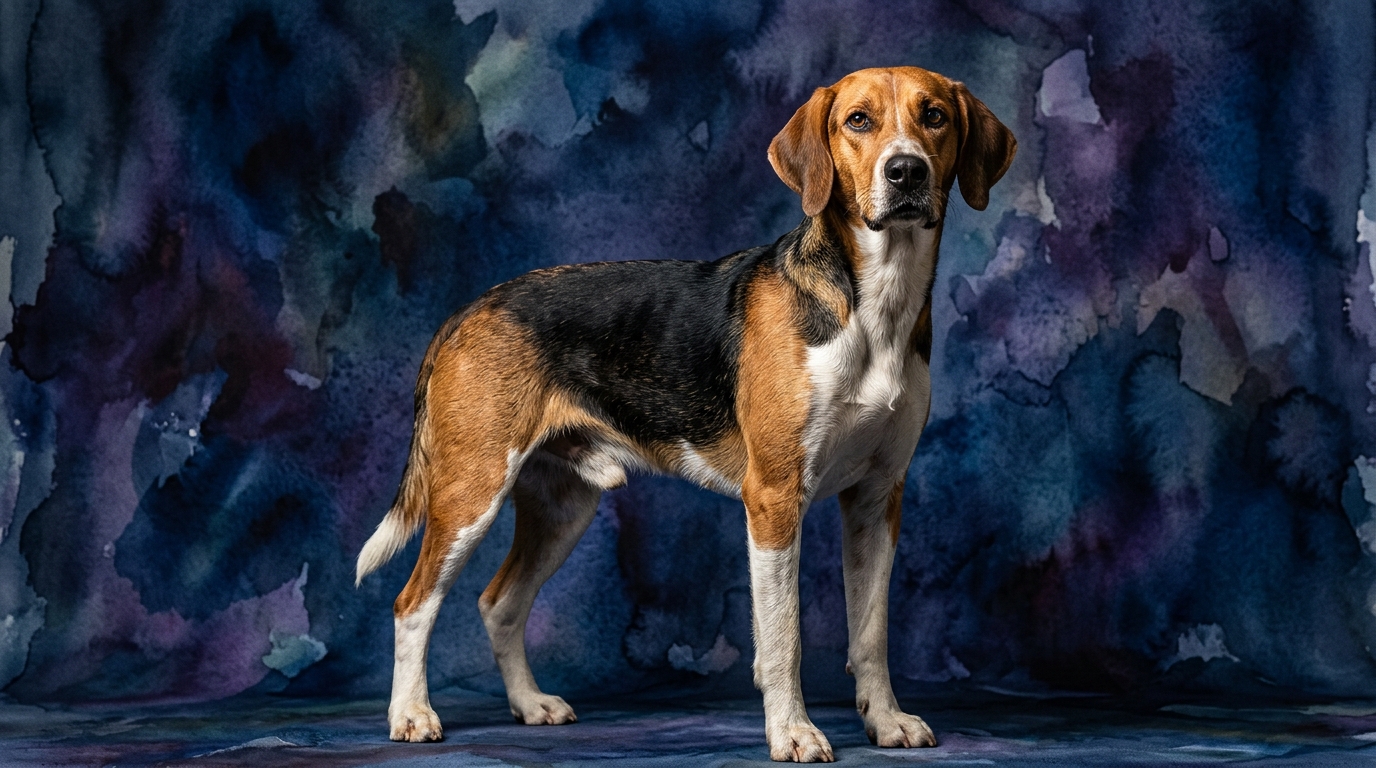
Side-by-Side Cognitive Profiles
The Cosmic Pet Pet IQ Lab employs a multi-dimensional approach to assess canine cognition, moving beyond simplistic notions of 'smart' to evaluate specific intellectual strengths. For the Shih Tzu, a Toy breed, and the English Foxhound, a member of the Hound group, their scores illuminate distinct cognitive architectures.
The **Shih Tzu**, ranked #70 by Coren, exhibits a Problem Solving score of 3/5, indicating an ability to navigate their immediate environment to achieve personal comfort or interaction, such as finding a sunny spot or signaling for attention. Their Training Speed is 2/5, suggesting that while capable of learning, their progress can be slower due to an independent streak and a preference for comfort over strict obedience. Where they truly shine is in Social Intelligence, scoring a perfect 5/5, making them exceptionally attuned to human emotions and social dynamics. Their Instinctive Drive is 2/5, reflecting a minimal inherent prey drive or guarding instinct, primarily seeking companionship. Memory is rated at 3/5, meaning they possess a good recall for routines, favored people, and experiences linked to emotional outcomes.
The **English Foxhound**, though not Coren-ranked, presents a different cognitive blueprint. Their Problem Solving is 3/5, often geared towards scent-based puzzles and navigating complex terrains, adept at following a trail and overcoming obstacles. Training Speed is 3/5, indicating a moderate capacity for learning commands, especially when aligned with their natural drives, though focus can be diverted by scents. Social Intelligence stands at 3/5; while capable of forming bonds, their interactions are often more straightforward, thriving in structured social environments. Their Instinctive Drive is 3/5, powered by a strong scenting instinct and a desire to pursue, focusing them on their nose. Memory is also 3/5, exhibiting strong recall for scent trails, familiar territories, and routines related to their hunting heritage.
Where the Shih Tzu Wins Cognitively
The Shih Tzu's most pronounced cognitive advantage lies in its exceptional Social Intelligence, scoring 5/5 compared to the Foxhound's 3/5. This disparity means the Shih Tzu is significantly more adept at discerning human emotions, interpreting subtle body language, and adapting its behavior to foster deep, reciprocal bonds. They use this keen understanding of social cues to communicate their needs and desires with remarkable effectiveness, often appearing uncannily intuitive to their owners, anticipating moods or offering comfort precisely when needed. This high emotional acuity translates into a profound capacity for companionship, making them masters of navigating the intricacies of human-dog relationships.
Where the English Foxhound Wins Cognitively
The English Foxhound's cognitive strengths are deeply rooted in its purpose-driven nature. While both breeds score 3/5 in Problem Solving, the Foxhound's intellect is intrinsically linked to its 3/5 Instinctive Drive. They excel at complex, real-world problems related to scent tracking, endurance, and navigating varied terrains to follow a trail. This isn't merely about finding a hidden treat; it involves sustained, focused intellectual effort tied to a primary purpose, requiring them to process vast amounts of olfactory information and make strategic decisions in dynamic environments. Their memory and problem-solving are optimized for sustained physical and mental exertion in the field, allowing them to recall intricate scent patterns and navigate complex routes for extended periods, a specific cognitive strength derived from their historical role.
Training Ease: A Tale of Two Motivations
When considering ease of training, the English Foxhound, with a Training Speed of 3/5, generally presents a slightly more straightforward path for formal obedience, especially when training is structured and taps into their innate drives. Their pack mentality can make them amenable to following a leader, and they respond well to consistency and positive reinforcement, particularly when it involves engaging their powerful nose or providing a sense of purpose. While their scent-driven nature can occasionally lead to distraction, an owner who understands their motivations can harness their focus effectively.
The Shih Tzu, scoring 2/5 in Training Speed, often proves more challenging for traditional obedience. Their high social intelligence, combined with an independent streak and a strong preference for personal comfort, means they might inadvertently 'train' their owners more effectively than the other way around, using endearing antics to get what they want. They require substantial patience, creative training methods, and a focus on making learning enjoyable and highly rewarding. They quickly grasp concepts that directly benefit them, like 'sit' for a treat, but may be less inclined towards abstract obedience without a clear, immediate payoff, requiring owners to be highly engaging and consistent.
Matching Canine Intellect with Lifestyle
The English Foxhound is an ideal match for active owners. Their robust build, strong instinctive drive (3/5), and need for sustained physical activity demand a lifestyle that includes extensive daily exercise, such as long runs, hikes, or structured scent work. They thrive in environments where they can explore, track, and expend their considerable energy, benefiting greatly from owners who can provide consistent outlets for their powerful nose and endurance. A relaxed or sedentary owner would likely find it challenging to meet a Foxhound's needs, potentially leading to boredom, restlessness, and undesirable behaviors.
Conversely, the Shih Tzu, with its lower instinctive drive (2/5) and smaller stature, is perfectly suited for more relaxed owners. While they enjoy play and short, leisurely walks, their primary needs revolve around companionship and comfort within the home. They are content with indoor activities, cuddling on the couch, and being a devoted lap dog. Their exercise requirements are easily met, making them an excellent choice for apartment dwellers, seniors, or individuals with a less active lifestyle who still desire a highly social and emotionally responsive canine companion. Their contentment in a domestic setting makes them a low-maintenance choice in terms of physical exertion.
The Verdict
When seeking a highly socially attuned companion that excels at close bonding, understands subtle emotional cues, and requires moderate physical activity, the Shih Tzu is an unparalleled choice, thriving on companionship and domestic comfort.
Opt for the English Foxhound if you are an active individual or family seeking a robust, scent-driven partner for extensive outdoor adventures, field activities, or structured training that engages their powerful nose and endurance.
🧠 Find Your Pet's IQ Score
Our Pet IQ Lab assessment covers 25+ tests across 5 cognitive dimensions — personalized to your breed.
Take the Full IQ Test →Frequently Asked Questions
Is a Shih Tzu good for apartment living?
Yes, the Shih Tzu's moderate exercise needs and strong desire for companionship make them well-suited for apartment living, provided they receive regular indoor play and short, daily walks.
Do English Foxhounds need a lot of exercise?
Absolutely. English Foxhounds have significant exercise requirements, needing several hours of vigorous activity daily, including long runs, walks, or structured scent work, to stay content and healthy.
Which breed is better with children?
Both breeds can be good with children, but the Shih Tzu's high social intelligence and smaller size often make them naturally more gentle and adaptable to family dynamics, though supervision is always advised. The Foxhound, while generally good-natured, might be too boisterous for very young children without proper training.