A Side-by-Side Look at Cognitive Profiles
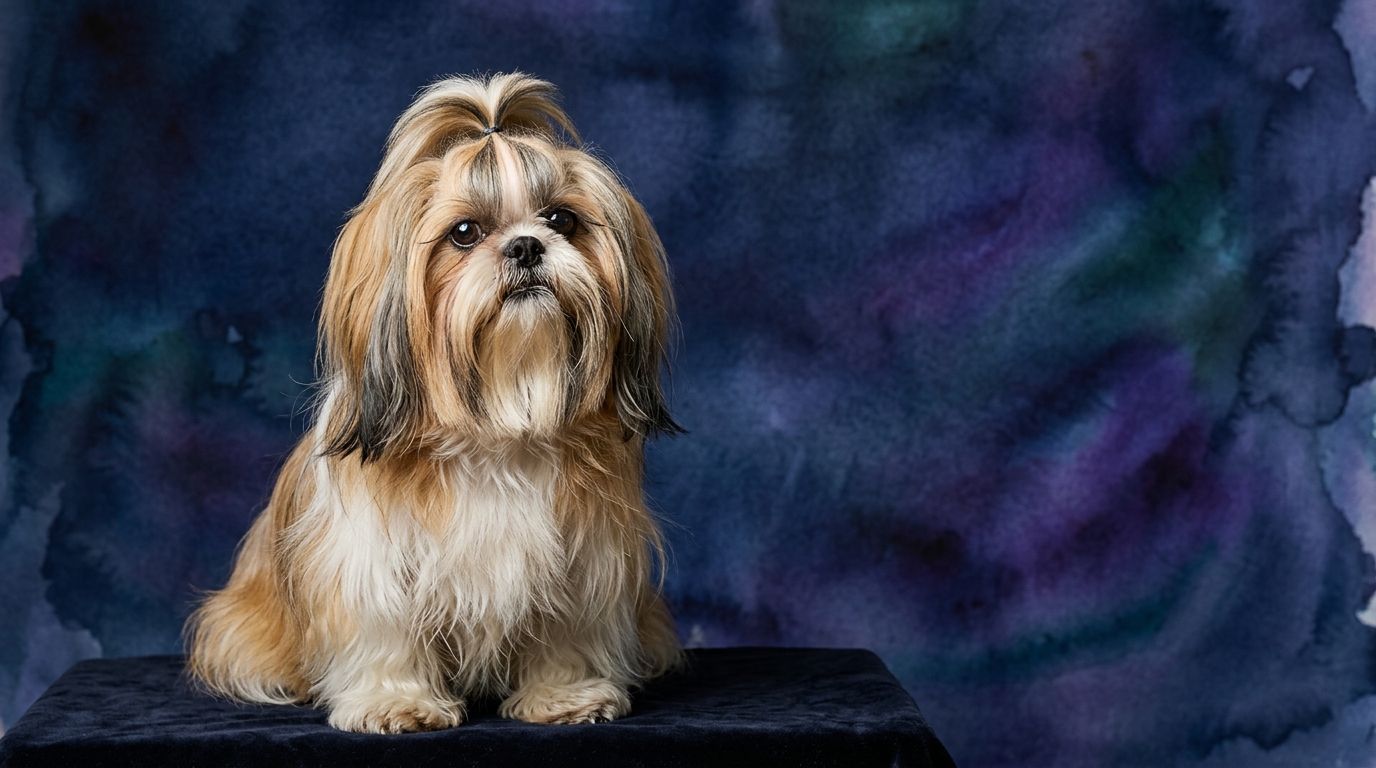
The Cosmic Pet Pet IQ Lab employs a five-dimensional framework to assess canine intelligence, offering a nuanced view beyond simple 'smartness.' For the Shih Tzu, a breed steeped in companionship, their profile includes a Problem Solving score of 3/5, indicating a moderate ability to navigate novel challenges. Their Training Speed is rated 2/5, suggesting they may require more repetition to master new commands. Where the Shih Tzu truly shines is in Social Intelligence, scoring a remarkable 5/5, reflecting their exceptional ability to read human cues and bond deeply. Their Instinctive Drive is 2/5, meaning they possess a lower inherent urge to perform specific tasks, and their Memory stands at 3/5, allowing for good retention of learned experiences.
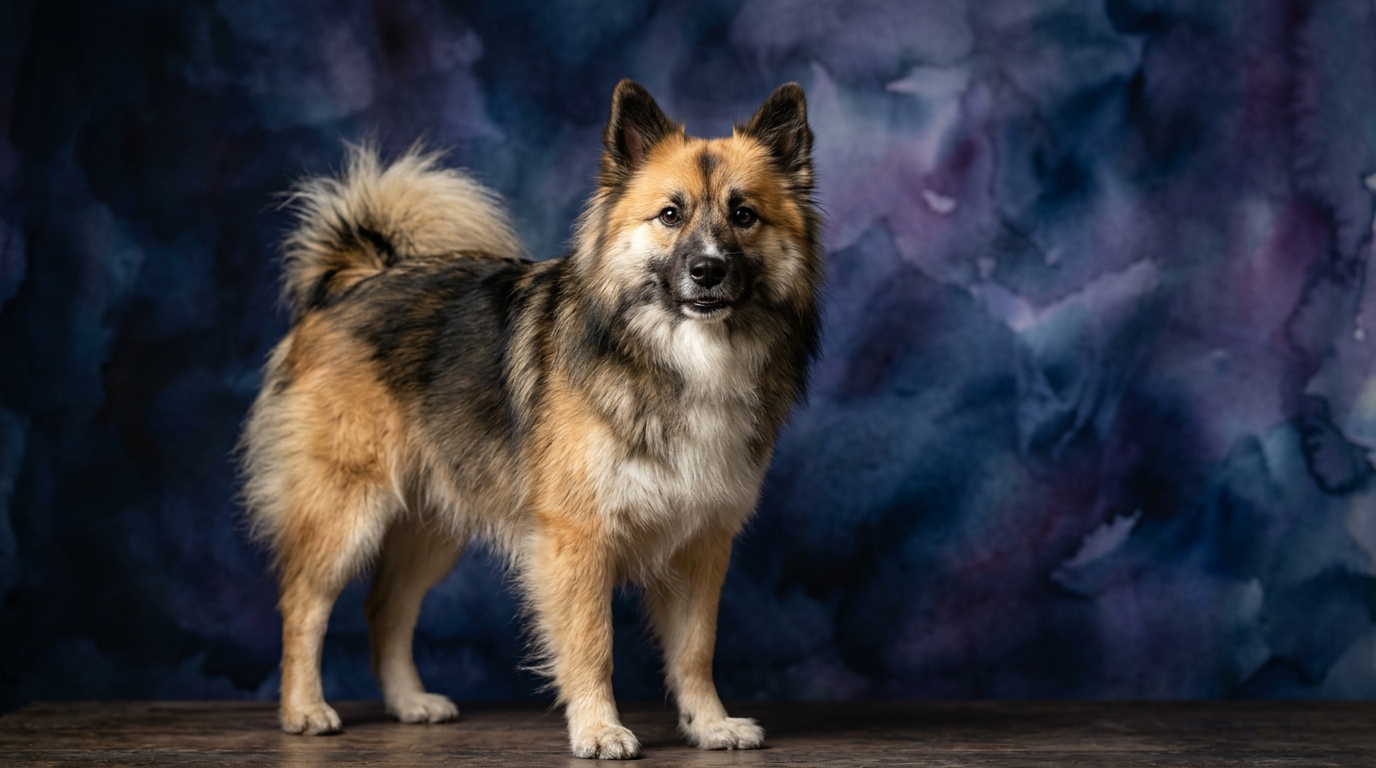
In contrast, the Icelandic Sheepdog, a breed developed for herding in challenging Nordic landscapes, presents a different cognitive blueprint. Their Problem Solving capability also rates 3/5, similar to the Shih Tzu, demonstrating an average capacity for independent thought in new situations. Their Training Speed, however, is a higher 3/5, indicating a quicker grasp of new instructions. Social Intelligence for the Icelandic Sheepdog is 3/5, showing a solid, functional connection with humans but perhaps not the same intense focus on human interaction as the Shih Tzu. Their Instinctive Drive is 3/5, reflecting their inherent herding tendencies and a desire for purpose-driven activity. Finally, their Memory also scores 3/5, providing a comparable capacity for recalling past lessons and experiences.
Where the Shih Tzu's Cognition Excels
The Shih Tzu's undisputed cognitive strength lies in their extraordinary Social Intelligence, rated at 5/5. This isn't merely about being friendly; it signifies a profound capacity to interpret human emotions, body language, and vocal tones with exceptional accuracy. A Shih Tzu can often anticipate their owner's moods or desires, offering comfort or companionship precisely when needed, a skill honed over centuries of living as cherished lapdogs.
This superior social intelligence translates into a remarkable adaptability within a family setting. They thrive on close human interaction, often becoming highly attuned to the dynamics of their household. While their Problem Solving and Memory are moderate, their ability to navigate complex social situations and maintain strong emotional connections with their human companions is their defining cognitive hallmark, making them masterful at integrating into human lives and providing emotional support.
The Icelandic Sheepdog's Cognitive Edge
The Icelandic Sheepdog demonstrates its cognitive advantages primarily in its Training Speed and Instinctive Drive, both rated 3/5. Their quicker Training Speed means they generally pick up new commands and routines with less repetition than a Shih Tzu, making initial obedience training potentially more straightforward. This efficiency stems from a history of working closely with shepherds, where quick comprehension and response were crucial for managing livestock in demanding environments.
Their Instinctive Drive, also at 3/5, reflects a strong internal motivation for purpose-driven activity. This isn't just about herding; it encompasses a general desire to engage in tasks and work alongside their human partners. This drive translates into a willingness to participate in activities like agility, obedience trials, or even complex trick training, often finding satisfaction in completing a job. While their Problem Solving and Memory scores are comparable to the Shih Tzu, their innate drive and faster learning rate for commands give them a distinct edge in task-oriented cognitive engagement.
Training Dynamics: Shih Tzu vs. Icelandic Sheepdog
When considering ease of training, the Icelandic Sheepdog generally presents a more receptive student, largely due to its Training Speed of 3/5 and Instinctive Drive of 3/5. They tend to grasp new commands more quickly and often possess an inherent desire to cooperate and engage in structured activities with their handler. Their herding background means they are accustomed to taking direction and working collaboratively, which can make foundational obedience training a more fluid process. They respond well to consistent, positive reinforcement, and their drive can be channeled into various constructive outlets.
The Shih Tzu, with a Training Speed of 2/5 and Instinctive Drive of 2/5, may require a more patient and creative approach. Their learning curve for commands is typically slower, necessitating more repetition and making training sessions shorter and more engaging to maintain focus. Their lower instinctive drive means they aren't inherently motivated by 'work' in the same way a herding dog might be; instead, motivation often needs to stem from their strong social bond and desire for human attention. Positive reinforcement, particularly praise and gentle affection, is paramount, as is ensuring training feels like a fun interaction rather than a chore. Consistency is key to building on their strong memory (3/5) to solidify learned behaviors over time.
Matching Breeds to Lifestyles: Active vs. Relaxed Owners
The Icelandic Sheepdog is an ideal companion for active owners who can provide ample mental and physical stimulation. Their background as working dogs means they thrive on purpose and activity. Owners who enjoy hiking, dog sports like agility or rally obedience, or even just long, engaging walks will find a willing and enthusiastic partner. Their moderate instinctive drive means they need outlets for their energy and cognitive engagement to prevent boredom and potential behavioral issues. A home where they are involved in daily activities and given tasks, however small, will see them flourish.
Conversely, the Shih Tzu is perfectly suited for more relaxed owners seeking a devoted companion whose primary joy comes from close human interaction. Their lower instinctive drive and moderate physical needs mean they are content with indoor living and shorter, leisurely strolls. They excel in environments where they can be a constant presence by their owner's side, whether lounging on a lap or following from room to room. Owners who prioritize affection, companionship, and a relatively calm home life will find the Shih Tzu's exceptional social intelligence and adaptability to be a perfect match, providing a steady source of comfort and quiet joy.
The Verdict
Choose the Shih Tzu if your priority is an exceptionally socially intelligent companion who thrives on close human connection and requires less structured activity, fitting seamlessly into a relaxed home environment.
Opt for the Icelandic Sheepdog if you're an active owner seeking a responsive partner for various activities, valuing a quicker training speed and an innate drive for engagement and purpose.
🧠 Find Your Pet's IQ Score
Our Pet IQ Lab assessment covers 25+ tests across 5 cognitive dimensions — personalized to your breed.
Take the Full IQ Test →Frequently Asked Questions
Does the Shih Tzu's lower training speed mean they are difficult to train?
Not necessarily difficult, but they may require more patience and consistency. Their strong social bond can be leveraged as a powerful motivator, making training a fun, positive interaction centered around praise and affection rather than strict commands.
Can an Icelandic Sheepdog adapt to apartment living?
An Icelandic Sheepdog can adapt to apartment living if their owners are committed to providing sufficient daily exercise and mental stimulation. Regular walks, playtime, and engaging training sessions are crucial to satisfy their moderate energy levels and instinctive drives, preventing boredom in smaller spaces.
How does social intelligence differ between these two breeds?
The Shih Tzu's 5/5 social intelligence indicates an exceptional ability to read and respond to human emotions and cues, fostering deep intuitive bonds. The Icelandic Sheepdog's 3/5 social intelligence signifies a good, functional connection, but their focus may be more on working collaboratively rather than purely emotional attunement.