
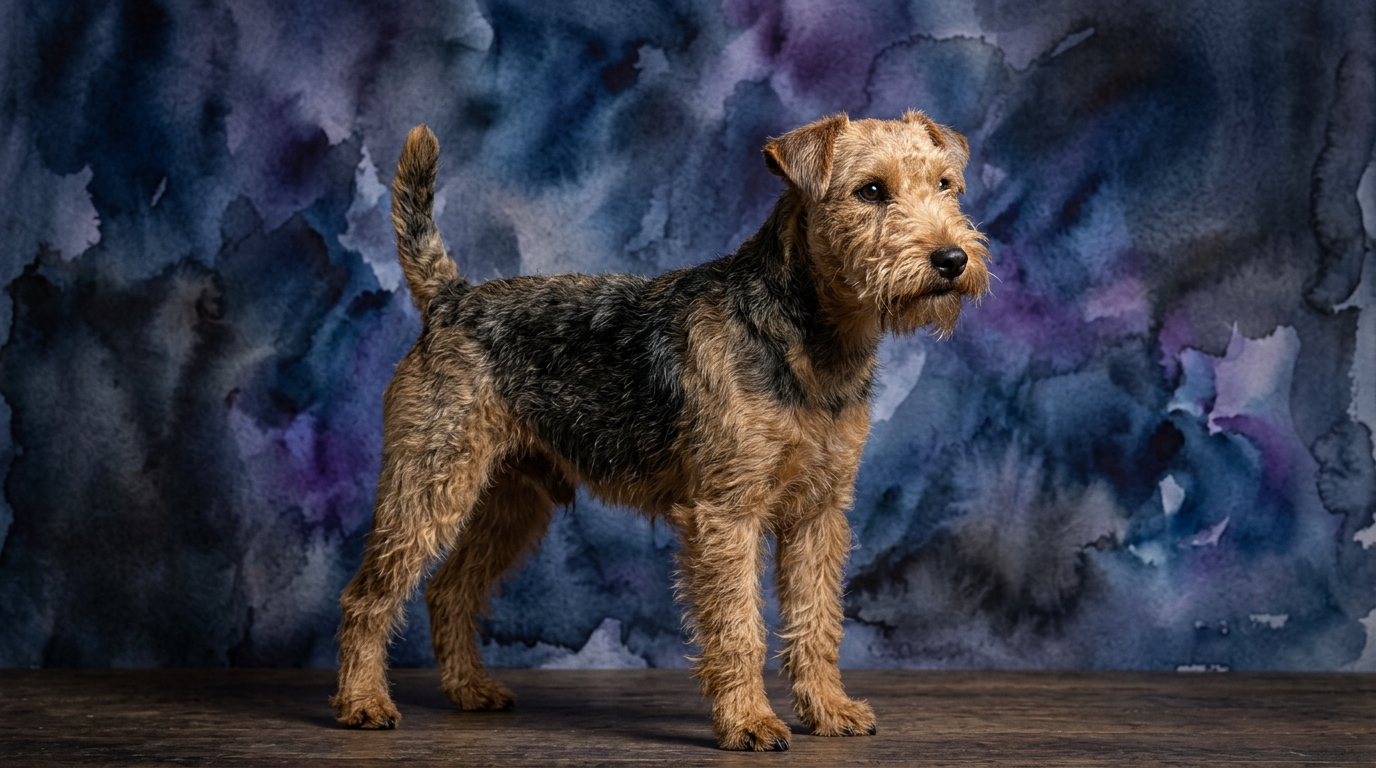
Side-by-Side Cognitive Profiles: Shih Tzu vs. Lakeland Terrier
**Shih Tzu Profile (Toy Group, Coren Rank #70):** The Shih Tzu, a breed historically cherished for companionship, displays a specific set of cognitive strengths. Their Problem Solving is rated at 3/5, indicating a moderate ability to navigate novel situations, often in ways that secure comfort or attention rather than complex logical deductions. Training Speed stands at 2/5; while capable of learning, their independent streak and occasional stubbornness necessitate patience and consistent, positive reinforcement. Where they truly excel is in Social Intelligence, earning a perfect 5/5, demonstrating an exceptional aptitude for reading human emotions, understanding social cues, and adapting behavior to maintain harmony and affection within their family. Instinctive Drive is low at 2/5, meaning they are not typically driven by strong predatory instincts or a need to work, with impulses centered more on social interaction and comfort. Their Memory is moderate at 3/5, allowing them to retain learned behaviors and recognize familiar people and places effectively.
**Lakeland Terrier Profile (Terrier Group, Not Coren-Ranked):** The Lakeland Terrier, originating from England's Lake District as a working dog, presents a more balanced cognitive profile across several dimensions. Their Problem Solving is also 3/5, similar to the Shih Tzu, but their approach is often more hands-on and driven by curiosity or the pursuit of a perceived 'prey' (toy, scent) rather than social manipulation. Training Speed is slightly higher at 3/5; their terrier tenacity means they can grasp concepts efficiently, but their independent nature still requires a firm, consistent, and engaging approach. Social Intelligence is rated at 3/5, indicating they are affectionate and form strong bonds with their families but might not possess the same nuanced understanding of human emotional states as the Shih Tzu, with their social interactions being more direct. Reflecting their heritage, Instinctive Drive is 3/5, manifesting as a keen interest in exploring, digging, and chasing small animals, traits essential for their original purpose. Their Memory is moderate at 3/5, allowing them to recall training and experiences, though their independent spirit might sometimes make them appear selective in their recall when a more interesting scent or chase presents itself.
Where the Shih Tzu Shines Cognitively
The Shih Tzu's cognitive strength undeniably lies in its unparalleled social intelligence (5/5). Unlike many breeds whose problem-solving or training speed might outrank them, the Shih Tzu excels at understanding and navigating the intricate world of human emotions and family dynamics. This breed can often anticipate a mood, offer comfort, or strategically position themselves for affection with remarkable accuracy, making them exceptional emotional support animals. Their problem-solving, though moderate, is often channeled into social contexts, like figuring out how to get a favorite human's attention or secure a prime spot on the sofa, demonstrating a distinct social-centric form of cognitive application.
Where the Lakeland Terrier Excels Cognitively
The Lakeland Terrier demonstrates a balanced cognitive profile, with its training speed (3/5) and instinctive drive (3/5) slightly outperforming the Shih Tzu in those specific areas. While their problem-solving is rated similarly, the Lakeland's approach is typically more driven by an innate curiosity and a desire to explore or pursue. Their moderate instinctive drive means they are more predisposed to engaging with their environment through scent and physical exploration, a cognitive strength rooted in their working heritage. This manifests as an eagerness to learn tasks that involve activity and engagement, and a persistent drive to investigate new stimuli, making them adept at certain types of interactive play or sport.
Ease of Training: A Dive into Behavioral Differences
When considering ease of training, the Lakeland Terrier (Training Speed 3/5) generally presents a slightly more straightforward path than the Shih Tzu (Training Speed 2/5), though both require consistent effort. The Lakeland's moderate training speed is often coupled with a terrier's characteristic determination; once they understand a command, they are usually keen to perform it, especially if it involves action or a reward. However, their moderate instinctive drive can sometimes lead to distractions, particularly if a compelling scent or movement captures their attention. In contrast, the Shih Tzu's slower training speed is often a reflection of their independent, sometimes stubborn nature. They are not inherently driven to please through obedience in the same way a working breed might be. Their social intelligence means they respond well to positive reinforcement and praise, but they may weigh the "cost" of performing a command against the perceived benefit, sometimes choosing comfort over compliance. Successful training for a Shih Tzu hinges on making the process consistently fun, rewarding, and relevant to their desire for companionship.
Matching Breeds to Lifestyles: Active vs. Relaxed Owners
For owners seeking a relaxed, devoted companion, the Shih Tzu is often the more suitable choice. Their lower instinctive drive (2/5) and profound social intelligence (5/5) mean they thrive on close human interaction and are content with moderate daily activity, such as short walks or indoor play. They are masters of companionship, perfectly suited for individuals or families who value a dog that integrates seamlessly into a calm home environment, providing emotional comfort and constant affection. Their moderate memory and problem-solving skills align well with a lifestyle where complex tasks are not a daily expectation, but rather quiet presence and social engagement are prioritized.
Conversely, the Lakeland Terrier is better suited for more active owners who appreciate a dog with a moderate instinctive drive (3/5) and an inquisitive nature. While not hyperactive, Lakelands enjoy regular exercise, mental stimulation, and opportunities to explore. Their moderate problem-solving and training speed make them amenable to engaging in activities like agility, structured walks, or even earthdog trials, which tap into their natural terrier instincts. Owners who enjoy outdoor adventures, consistent training, and can provide outlets for a dog's natural curiosity will find the Lakeland Terrier a rewarding and engaging companion. Their balanced social intelligence means they form strong bonds but appreciate their independence too.
The Verdict
If your lifestyle prioritizes an emotionally attuned, affectionate companion who excels at social interaction and thrives in a calm, indoor setting, the Shih Tzu's exceptional social intelligence and lower activity needs make them an ideal choice.
If you are an active owner seeking an inquisitive, moderately driven companion who enjoys engaging in activities, exploring their environment, and benefits from consistent, stimulating training, the Lakeland Terrier offers a balanced cognitive profile for an engaging partnership.
🧠 Find Your Pet's IQ Score
Our Pet IQ Lab assessment covers 25+ tests across 5 cognitive dimensions — personalized to your breed.
Take the Full IQ Test →Frequently Asked Questions
Does the Shih Tzu's low instinctive drive mean they are lazy?
Not necessarily lazy, but rather less driven by impulses like hunting or extensive physical work. Their energy is channeled more into social interaction and comfort-seeking, making them content with moderate activity and plenty of cuddle time.
How does the Lakeland Terrier's 'not Coren-ranked' status affect understanding its intelligence?
The Coren ranking primarily assesses obedience and working intelligence. A 'not Coren-ranked' status simply means they weren't part of that specific study or didn't fit its criteria, not that they lack intelligence, just that their cognitive strengths might lie outside those parameters, as reflected in our IQ Lab dimensions.
Can a Shih Tzu participate in dog sports despite its lower training speed?
Absolutely! While their training speed is lower, a Shih Tzu's high social intelligence and desire for interaction mean they can excel in sports like obedience, rally, or even agility, especially when training is made fun, positive, and reinforces their bond with their owner.