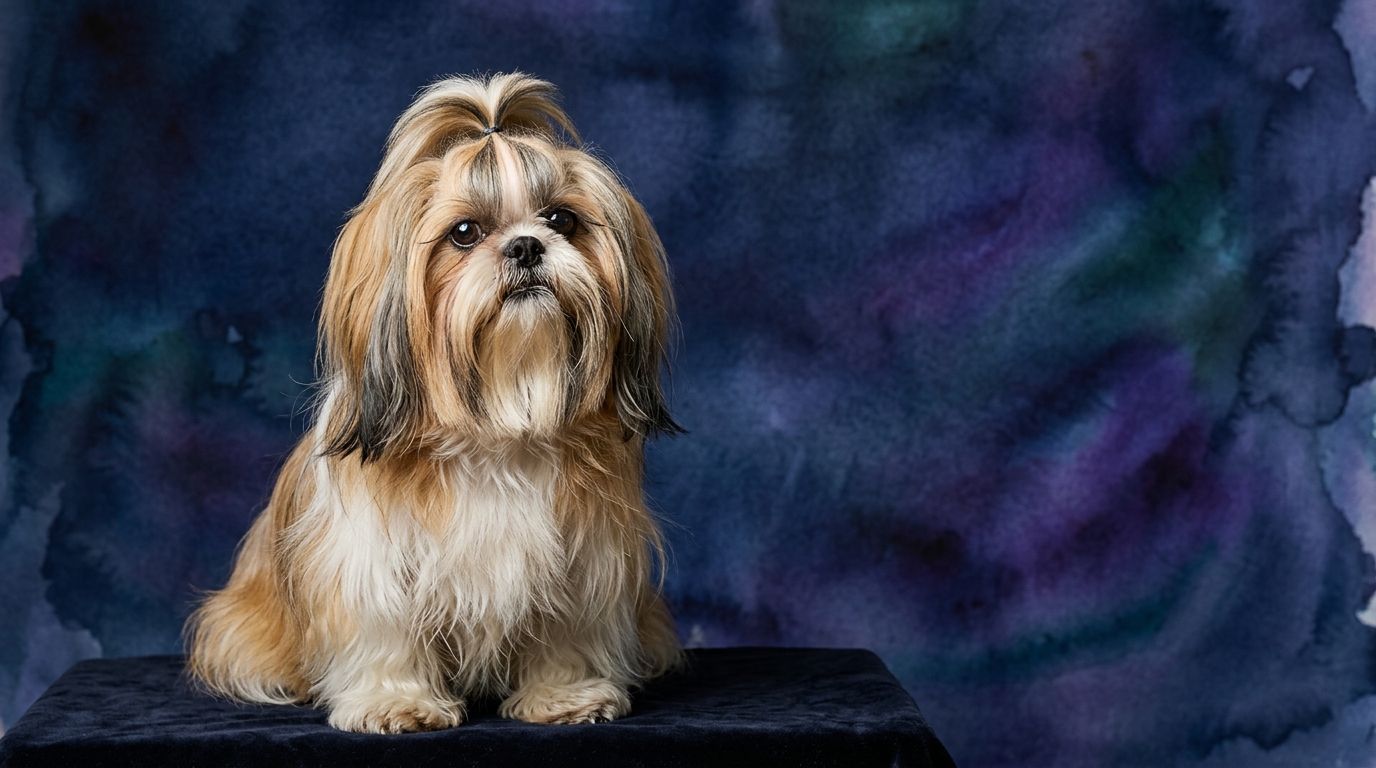
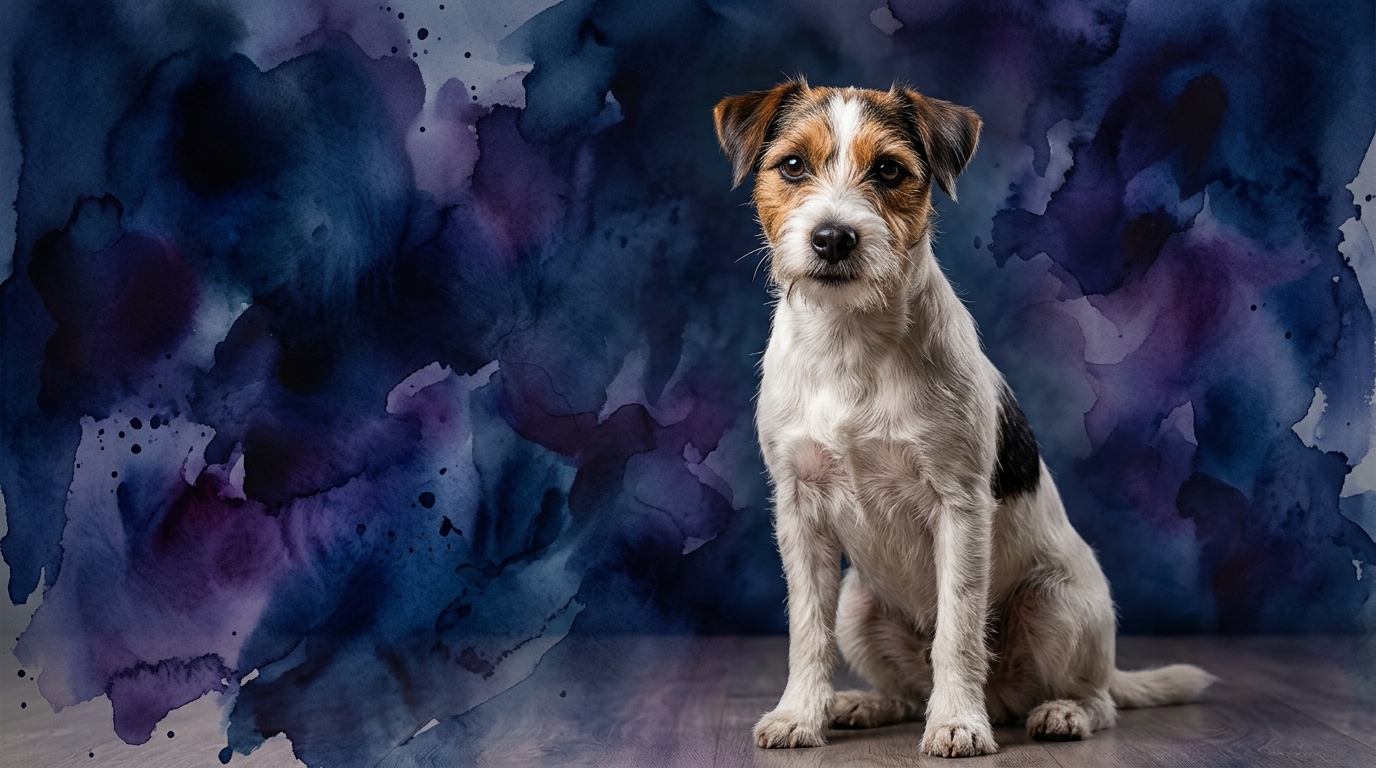
Side-by-Side IQ Profile: Shih Tzu vs. Parson Russell Terrier
At The Cosmic Pet Pet IQ Lab, we analyze canine intelligence across five key dimensions. The Shih Tzu, a Toy breed, is Coren-ranked at #70, indicating its position primarily in obedience and working intelligence. The Parson Russell Terrier, a Terrier breed, is not Coren-ranked, which underscores the importance of our more nuanced, multi-dimensional assessment.
The Shih Tzu's cognitive breakdown reveals: Problem Solving 3/5, Training Speed 2/5, Social Intelligence 5/5, Instinctive Drive 2/5, and Memory 3/5. This profile suggests a dog whose cognitive strengths are deeply rooted in interpersonal connection and understanding. While they possess a moderate capacity for figuring out novel situations, they often approach challenges with a blend of charm and persistence, sometimes preferring to enlist human assistance rather than tackle complex tasks independently. Their lower training speed indicates that learning new commands typically requires more repetitions and a patient approach, as their motivation is significantly driven by social connection rather than an innate desire to perform tasks quickly. However, their exceptional social intelligence is their hallmark, allowing them to read human emotions and cues with striking accuracy, fostering profound empathetic bonds. Their instinctive drive for traditional working dog activities is low, aligning with their history as devoted companions, and they demonstrate a moderate memory for routines and learned behaviors.
In contrast, the Parson Russell Terrier's IQ scores are: Problem Solving 3/5, Training Speed 3/5, Social Intelligence 3/5, Instinctive Drive 3/5, and Memory 3/5. This breed also demonstrates a moderate ability to solve problems, often characterized by a clever, independent, and tenacious approach. They are generally quicker to pick up new commands and routines than the Shih Tzu, with their moderate training speed reflecting an eagerness to engage in stimulating activities. Their social intelligence is balanced; while they form strong bonds and understand human cues, they often interpret them through the lens of their independent, task-oriented nature. As a terrier, their instinctive drive is more pronounced, encompassing a robust prey drive, a desire to explore, dig, and an independent spirit that motivates them to pursue their own 'work.' Like the Shih Tzu, they possess a moderate memory, capable of retaining a wide array of commands, tricks, and past experiences.
Where the Shih Tzu Wins Cognitively
The Shih Tzu’s most significant cognitive strength lies in its exceptional Social Intelligence, rated a remarkable 5 out of 5. This breed possesses an innate, profound ability to tune into human emotions and intentions, often anticipating their owner's moods or desires with striking accuracy. This isn't just about being affectionate; it's a sophisticated capacity for emotional attunement, allowing them to forge incredibly deep, empathetic bonds. They are masters of non-verbal communication, using subtle shifts in gaze, body posture, or soft vocalizations to convey their feelings and solicit interaction, making them highly responsive to the nuances of human companionship. This cognitive advantage makes them unparalleled as emotional support animals and deeply intuitive family members, thriving on reciprocal, heartfelt interaction.
Where the Parson Russell Terrier Wins Cognitively
The Parson Russell Terrier demonstrates a cognitive edge in both Training Speed (3/5) and Instinctive Drive (3/5) when compared directly to the Shih Tzu. Their quicker training speed means they generally grasp new commands with fewer repetitions, often displaying an eagerness to learn when the task is engaging and mentally stimulating. This responsiveness stems partly from their more pronounced instinctive drive, which provides a natural motivation for exploration, problem-solving, and pursuing tasks. While not always directly translatable to obedience, this drive makes them more inclined to engage with structured activities that appeal to their innate terrier spirit, leading to faster acquisition of skills when properly channeled. Their moderate instinctive drive means they are more predisposed to independent work and active engagement, which translates into a more eager participant in training scenarios that leverage their natural inclinations.
Which is Easier to Train and Why
When considering ease of training, the Parson Russell Terrier generally holds an advantage due to its higher Training Speed and Instinctive Drive. Their terrier nature often means they respond well to task-oriented training, thriving on challenges and the satisfaction of a 'job well done,' even if that job is just learning a new trick. They appreciate consistency and clear direction, and their moderate drive makes them generally eager to comply for rewards and engagement. This isn't to say a Shih Tzu can't be trained, but their lower Training Speed (2/5) suggests they may require more patience, repetition, and creative motivation. The Shih Tzu's training is often more successful when framed as a cooperative social interaction rather than a strict command-and-response exercise, leveraging their high Social Intelligence to build trust and willingness rather than relying purely on rote memorization. They might appear more independent or 'selective' in their listening, but often they are simply prioritizing social connection over immediate task compliance, requiring a different approach to motivation.
Which Suits Active Owners vs. Relaxed Owners
The cognitive profiles of these breeds clearly delineate their suitability for different owner lifestyles. The Parson Russell Terrier, with its moderate instinctive drive and quicker training speed, thrives with active owners who enjoy engaging in structured activities, outdoor adventures, and mental challenges. They are well-suited for dog sports like agility, earthdog trials, or extended hikes, requiring consistent mental and physical stimulation to prevent boredom and channel their innate curiosity and drive. Their independent problem-solving skills mean they appreciate being given tasks to figure out. Conversely, the Shih Tzu, with its exceptional social intelligence and lower instinctive drive, is an ideal match for more relaxed owners seeking a devoted companion. Their cognitive strengths lie in companionship and emotional connection, making them perfectly content with gentle strolls, cuddles on the couch, and being an integral part of daily household life. They flourish in environments where their social needs are met through consistent interaction and affection, rather than demanding strenuous physical activity or complex mental work.
The Verdict
Opt for a Shih Tzu if you seek a highly empathetic, emotionally attuned companion who thrives on close human interaction and a relaxed home environment, valuing affection over intense activity.
Select a Parson Russell Terrier if you are an active owner looking for an engaging, spirited dog eager to learn and participate in varied activities, offering both companionship and a lively challenge.
🧠 Find Your Pet's IQ Score
Our Pet IQ Lab assessment covers 25+ tests across 5 cognitive dimensions — personalized to your breed.
Take the Full IQ Test →Frequently Asked Questions
Are Shih Tzus difficult to house train?
Shih Tzus can sometimes take longer to house train due to their moderate training speed and a tendency to prioritize social interaction over immediate compliance. Consistent routines, positive reinforcement, and patience are key to success, leveraging their desire to please their beloved people.
Do Parson Russell Terriers need a lot of mental stimulation?
Yes, Parson Russell Terriers benefit significantly from mental stimulation. Their instinctive drive and problem-solving abilities mean they need outlets for their energy and curiosity, such as puzzle toys, training sessions, or engaging games, to keep them content and prevent boredom-related behaviors.
Can a Shih Tzu participate in dog sports like agility?
While not typically excelling in high-speed, intense dog sports due to their lower instinctive drive and moderate problem-solving, Shih Tzus can certainly enjoy and participate in lower-impact activities or trick training. Their high social intelligence makes them eager to engage in anything that strengthens their bond with their owner.