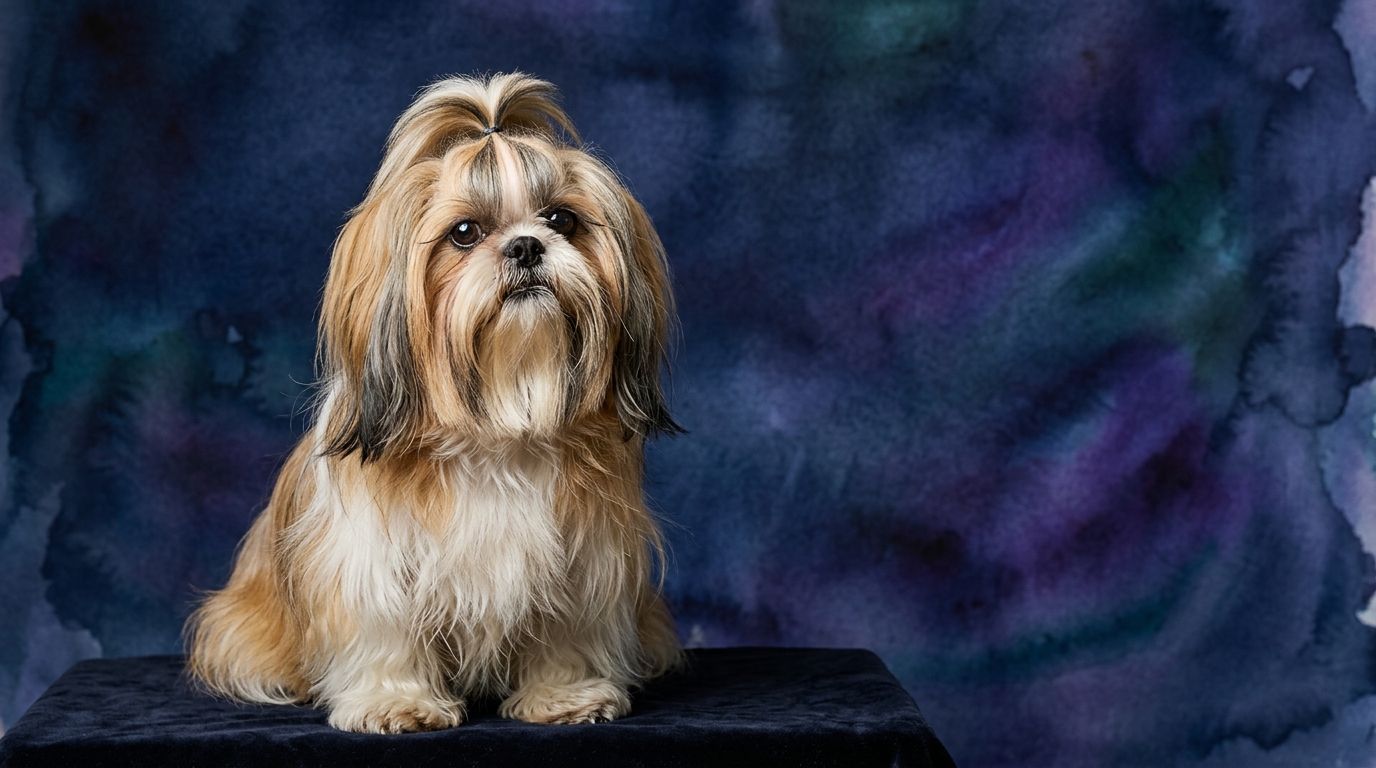
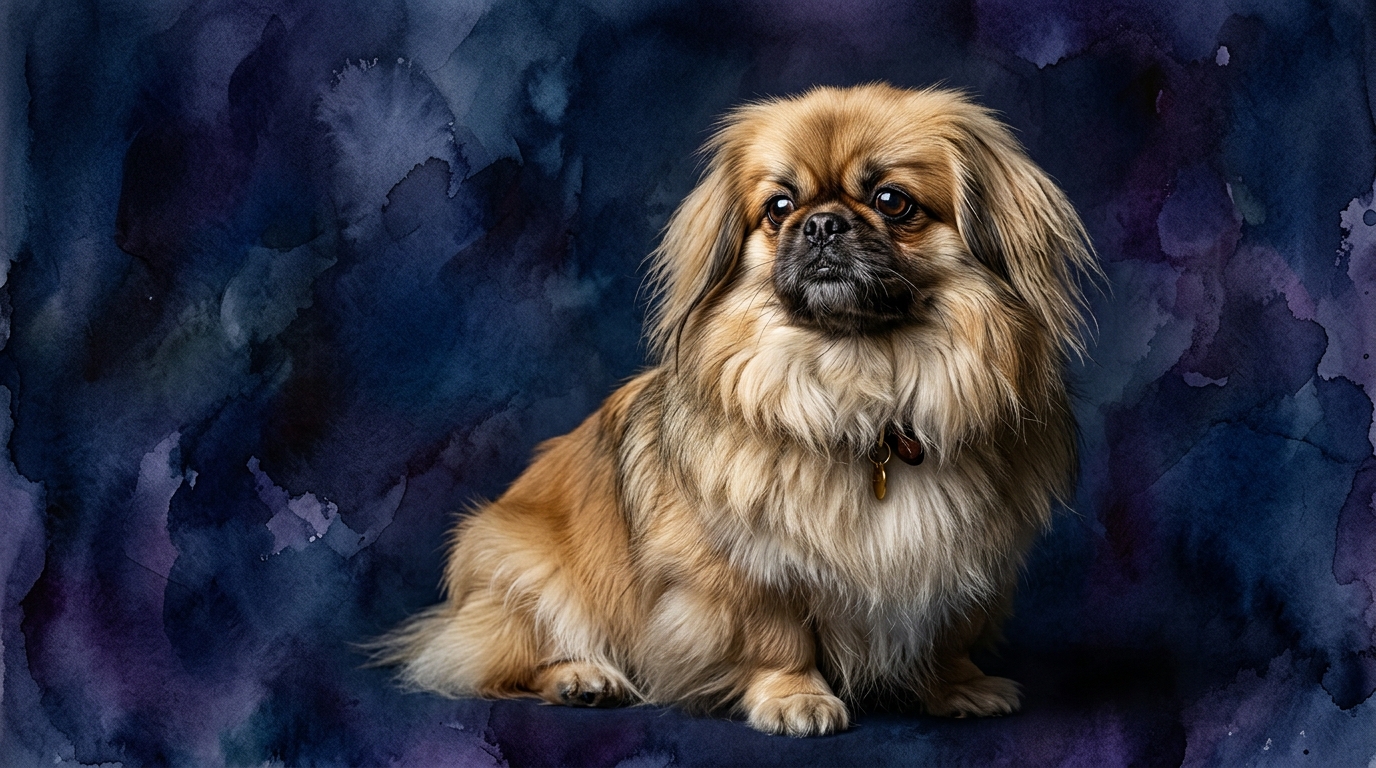
Side-by-Side Cognitive Profiles
Pekingese (Coren rank #77) and Shih Tzu (Coren rank #70) both belong to the toy group, yet their cognitive blueprints reveal fascinating distinctions. We assess their intelligence across five key dimensions.
For Problem Solving, both breeds register a 3 out of 5. This indicates a moderate capacity for independent thought and navigating novel situations or puzzles. They can figure out basic environmental challenges, like opening a simple gate or finding a hidden treat, but complex multi-step tasks might require significant guidance. Their approach to problem-solving is generally practical rather than abstract.
In Training Speed, the Shih Tzu scores a 2 out of 5, while the Pekingese edges ahead with a 3 out of 5. This dimension measures how quickly a breed grasps and consistently performs new commands. A 2/5 suggests the Shih Tzu may require more repetition and patience, often needing a clear incentive or strong bond to motivate learning. The Pekingese's 3/5 indicates a slightly quicker uptake and retention of instructions, though neither is considered a rapid learner by wider canine standards.
Social Intelligence is where the Shih Tzu truly shines, achieving a perfect 5 out of 5. This metric reflects a breed's ability to interpret human cues, form deep bonds, and adapt their behavior based on social context. A 5/5 means the Shih Tzu is exceptionally attuned to their human companions' emotions and intentions, often seeking interaction and offering comfort. The Pekingese, by contrast, scores a 3 out of 5 in social intelligence. This suggests they are aware of their human family but tend to be more independent and less outwardly demonstrative of their social understanding, preferring to engage on their own terms.
Instinctive Drive shows the Shih Tzu at 2 out of 5 and the Pekingese at 3 out of 5. Instinctive drive encompasses a dog's inherent motivation for activities like hunting, herding, or guarding, as well as general curiosity and exploration. The Shih Tzu's lower score indicates a relatively low internal drive for independent activity, making them content with lounging and close companionship. The Pekingese's moderate score suggests a slightly stronger inclination towards exploring their surroundings or engaging in self-directed play, though still not a high-energy breed.
Finally, both breeds share a Memory score of 3 out of 5. This indicates a moderate ability to recall past events, learned commands, and associations. They will remember their training and routines, but perhaps not with the same precision or longevity as breeds with higher memory scores, potentially requiring occasional refreshers for less frequently used commands.
Where the Shih Tzu Excels Cognitively
The Shih Tzu's undeniable cognitive strength lies in their exceptional Social Intelligence, scoring a 5 out of 5. This isn't just about being affectionate; it's a profound ability to read and respond to human emotions and intentions with remarkable accuracy. A Shih Tzu can often sense when their owner is upset or joyful, offering comfort or joining in the celebration without explicit prompting. This high social acumen makes them incredibly empathetic companions, capable of forming deep, intuitive bonds. Their understanding of social dynamics means they excel in environments where close human interaction and emotional reciprocity are valued above all else, making them masters of companionship.
Where the Pekingese Holds a Cognitive Edge
The Pekingese demonstrates a subtle but significant cognitive advantage in both Training Speed and Instinctive Drive, both scoring 3 out of 5 compared to the Shih Tzu’s 2/5. This slightly higher training speed suggests the Pekingese can process and retain new commands with marginally greater efficiency, potentially requiring fewer repetitions to achieve proficiency in basic obedience. Their moderate instinctive drive means they possess a bit more internal motivation for exploration or self-directed play, indicating a slightly more independent and perhaps more curious nature. This isn't about being 'smarter' overall, but rather a different cognitive emphasis that allows them to engage with structured learning and their environment with a touch more intrinsic motivation than their Shih Tzu counterparts.
Training Dynamics: Shih Tzu vs. Pekingese
When it comes to trainability, the Pekingese, with its Training Speed of 3/5, generally presents a slightly more receptive student than the Shih Tzu, which scores 2/5. The Pekingese's moderate instinctive drive also contributes to this, as they might have a slightly stronger internal motivation to engage in activities, including learning. For the Shih Tzu, training often requires more patience, shorter sessions, and a heavy reliance on positive reinforcement and leveraging their strong social bond. Their lower training speed means they may take longer to generalize commands to new environments. The Pekingese, while not a lightning-fast learner, might show a bit more willingness to try new things and a quicker grasp of the desired action, making the initial stages of obedience training potentially smoother. However, both breeds benefit immensely from consistent, positive, and reward-based methods, transforming training into a bonding experience rather than a chore.
Matching Breeds to Owner Lifestyles
For owners seeking a deeply connected and emotionally responsive companion, the Shih Tzu is an ideal match, particularly for relaxed lifestyles. Their exceptional social intelligence and lower instinctive drive (2/5) mean they thrive on close human interaction and are perfectly content with a more sedentary routine, enjoying cuddles and quiet companionship. They don't demand constant activity or mental stimulation, making them excellent partners for those who prefer a tranquil home environment. The Pekingese, with its moderate instinctive drive (3/5) and more independent social intelligence (3/5), suits owners who appreciate a dog with a bit more self-directed spirit. While still a toy breed, they might enjoy short, leisurely walks and a bit more exploration. They are affectionate but on their own terms, making them suitable for owners who enjoy a dog that offers companionship without being overly demanding of constant attention, fitting well into a relaxed but perhaps slightly more varied daily routine.
The Verdict
Opt for a Shih Tzu if your primary desire is an exceptionally empathetic, devoted companion who thrives on close human connection and requires minimal independent activity, ideal for a tranquil home life.
Select a Pekingese if you prefer a slightly more independent companion with a touch more intrinsic curiosity and a slightly quicker aptitude for basic training, while still enjoying a calm and affectionate presence.
🧠 Find Your Pet's IQ Score
Our Pet IQ Lab assessment covers 25+ tests across 5 cognitive dimensions — personalized to your breed.
Take the Full IQ Test →Frequently Asked Questions
Are Shih Tzus or Pekingese better at learning tricks?
Based on their training speed scores, the Pekingese (3/5) might pick up new tricks slightly faster than the Shih Tzu (2/5). Both can learn tricks with patience and positive reinforcement, but the Pekingese may show a marginally quicker grasp of the desired actions.
Which breed is more independent, the Shih Tzu or Pekingese?
The Pekingese tends to be more independent, reflected in its 3/5 social intelligence and 3/5 instinctive drive, compared to the Shih Tzu's 5/5 social intelligence and 2/5 instinctive drive. The Pekingese is content to entertain itself more often, while the Shih Tzu thrives on constant human interaction.
Do Shih Tzus and Pekingese get along well with other pets?
The Shih Tzu's high social intelligence (5/5) often makes them adaptable and friendly with other pets, provided they are properly socialized. The Pekingese's more independent nature (3/5 social intelligence) means they might tolerate other pets but may not actively seek interaction as readily, preferring their own space.