Side-by-Side IQ Profile
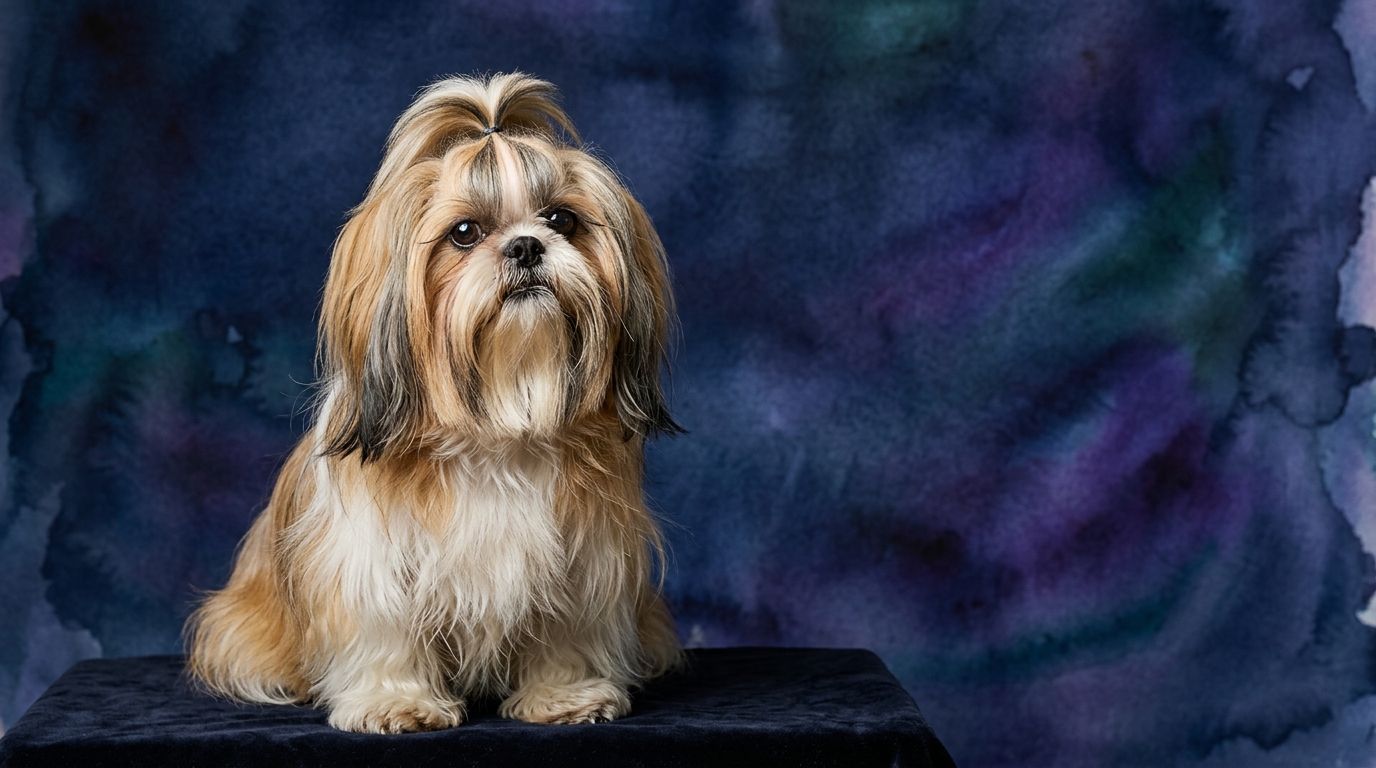
Shih Tzu: Originating as lap companions, the Shih Tzu exhibits a nuanced cognitive profile. Their Problem Solving score of 3/5 suggests a moderate capacity for independent thought and navigating novel situations, capable of figuring out puzzles but not always driven to do so without incentive. Training Speed at 2/5 indicates they may require more repetition and patience during training sessions, perhaps due to a lower inherent drive for task-oriented learning. Where they truly shine is Social Intelligence at 5/5, demonstrating an exceptional ability to read human emotions, understand social cues, and adapt seamlessly to household dynamics, fostering deep interpersonal bonds. Their Instinctive Drive is 2/5, reflecting a low inclination for traditional working tasks like herding or hunting, aligning with their companion role. Finally, a Memory score of 3/5 implies a solid capacity to retain learned information and experiences over time.
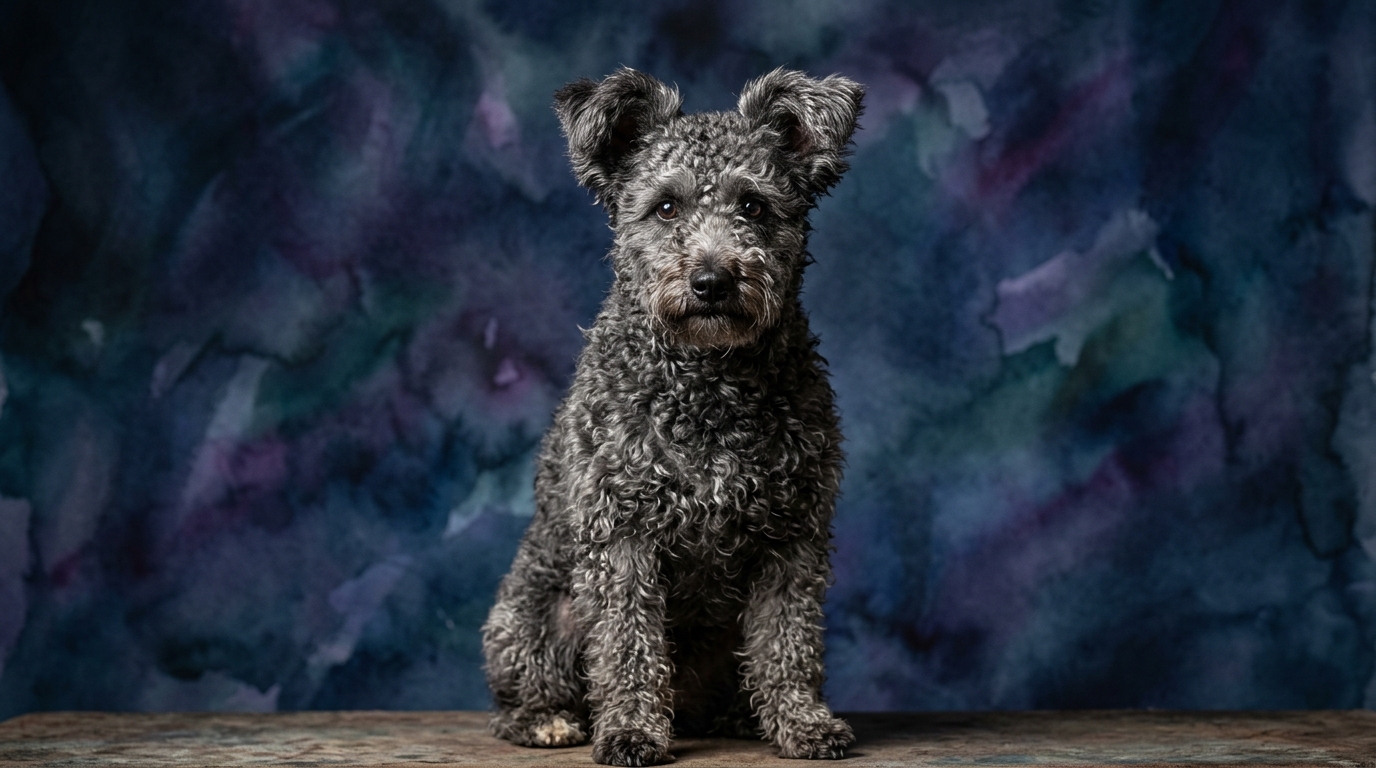
Pumi: Hailing from Hungary as a versatile herding dog, the Pumi presents a more balanced, all-around cognitive blueprint. Their Problem Solving also scores 3/5, suggesting a similar moderate ability to tackle challenges and adapt to new scenarios. Crucially, their Training Speed is 3/5, indicating a quicker grasp of new commands and routines compared to the Shih Tzu, likely a trait honed by their working heritage. Social Intelligence at 3/5 means they are capable of forming connections and understanding human signals, though perhaps not with the same immediate, intuitive depth as the Shih Tzu. A Instinctive Drive of 3/5 is reflective of their herding background, showing a moderate impulse for activity, chasing, and engaging with their environment, which translates into a need for engagement. Their Memory also stands at 3/5, providing a dependable recall of learned behaviors and past events.
Where Shih Tzu Wins Cognitively
The Shih Tzu's cognitive strength overwhelmingly lies in their unparalleled social intelligence, scoring a perfect 5/5. This means they possess an exceptional ability to discern human moods, interpret subtle body language, and respond empathetically to their family members. They are masters at adapting their behavior to fit the emotional tone of a room, often anticipating needs for comfort or companionship without explicit commands. This advanced social cognition enables them to form incredibly profound and intuitive bonds, making them highly attuned to the nuances of human interaction and remarkably perceptive companions within the home environment.
Where Pumi Wins Cognitively
The Pumi demonstrates a cognitive advantage in its balanced and adaptable profile, particularly in areas related to learning and engagement. Their training speed of 3/5, higher than the Shih Tzu's, suggests a more direct and efficient learning process for commands and routines. This, combined with a moderate instinctive drive of 3/5, means they possess a natural inclination for activity and purposeful engagement, making them more receptive to structured training and mental tasks. This balanced cognitive toolkit allows the Pumi to excel in environments that require consistent learning, problem-solving application, and a willingness to participate actively in various activities beyond simple companionship.
Which is Easier to Train and Why
Based on their cognitive profiles, the Pumi generally proves easier to train than the Shih Tzu. The Pumi's training speed of 3/5 suggests they pick up new commands and routines with moderate efficiency, requiring fewer repetitions to solidify behaviors. Their instinctive drive of 3/5 also contributes to trainability, providing an inherent motivation to engage in tasks and follow directions, especially when these activities tap into their herding instincts, like agility or trick training. In contrast, the Shih Tzu's training speed of 2/5 indicates a more deliberate learning pace. While their high social intelligence (5/5) means they are eager to please their beloved humans, their lower instinctive drive (2/5) might mean they lack the intrinsic motivation for repetitive or complex training drills, often needing more creative incentives and patience to maintain focus and enthusiasm. Therefore, an owner seeking a dog that quickly grasps a wide range of commands and enjoys structured learning would likely find the Pumi more straightforward to teach.
Which Suits Active Owners vs Relaxed Owners
For active owners seeking a canine partner for various pursuits, the Pumi is the more fitting choice. Their moderate instinctive drive (3/5) and quicker training speed (3/5) mean they thrive on regular physical activity and mental challenges, enjoying activities like hiking, agility, or even dog sports that tap into their herding heritage. They appreciate having a 'job' and benefit from consistent engagement that stimulates both their body and mind. Conversely, relaxed owners who prioritize companionship and a calmer home environment will find the Shih Tzu a perfect match. Their lower instinctive drive (2/5) means they are content with moderate daily exercise and prefer to spend their time close to their human family. Their exceptional social intelligence (5/5) allows them to seamlessly integrate into a relaxed household, offering intuitive comfort and affection without demanding constant strenuous activity or complex mental tasks.
The Verdict
Choose a Shih Tzu if your priority is an exceptionally socially attuned, intuitive companion content with a relaxed lifestyle and moderate mental engagement.
Opt for a Pumi if you desire a balanced, trainable partner eager for moderate activity and consistent mental challenges, capable of participating in a variety of canine sports.
🧠 Find Your Pet's IQ Score
Our Pet IQ Lab assessment covers 25+ tests across 5 cognitive dimensions — personalized to your breed.
Take the Full IQ Test →Frequently Asked Questions
Are Shih Tzus difficult to train?
Shih Tzus are not inherently difficult, but their training speed of 2/5 means they learn at a slower pace and may require more patience and positive reinforcement. Their high social intelligence, however, makes them eager to please people they bond with, which can be leveraged in training.
Do Pumi dogs need a lot of mental stimulation?
Yes, Pumi dogs benefit significantly from consistent mental stimulation due to their herding background and moderate instinctive drive. They enjoy learning new commands, engaging in puzzle toys, and participating in activities that challenge their problem-solving abilities.
Which breed is better for a first-time dog owner?
The choice depends on the owner's lifestyle. A first-time owner seeking a relatively low-maintenance companion for a relaxed home might find the Shih Tzu's social nature appealing. A first-time owner prepared for consistent training and moderate activity, and who appreciates a dog with a balanced drive, could succeed with a Pumi.