Side-by-Side Cognitive Profiles
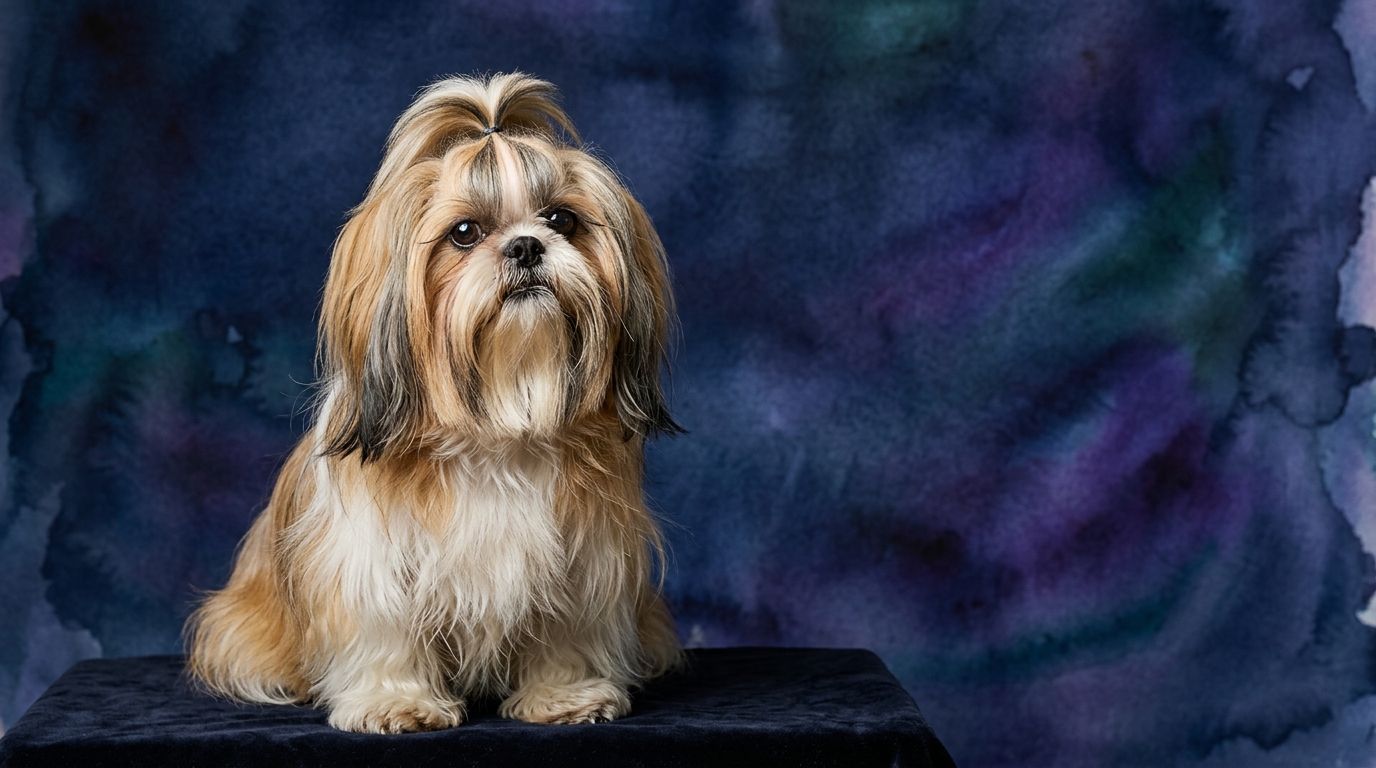
The Shih Tzu, a Toy breed, is Coren-ranked at #70, indicating a moderate working and obedience intelligence. Its Cosmic Pet IQ Lab profile shows a problem-solving ability of 3/5, suggesting a moderate capacity to navigate new challenges, often relying on learned cues or human assistance. Training speed is rated 2/5, meaning they typically require more repetition to master new commands. Where the Shih Tzu truly shines is its social intelligence, scoring an exceptional 5/5, reflecting a profound understanding of human emotions and social dynamics. Its instinctive drive is low at 2/5, indicating minimal inherent urges for traditional canine 'work,' while memory sits at a solid 3/5, allowing for good recall of routines and experiences.
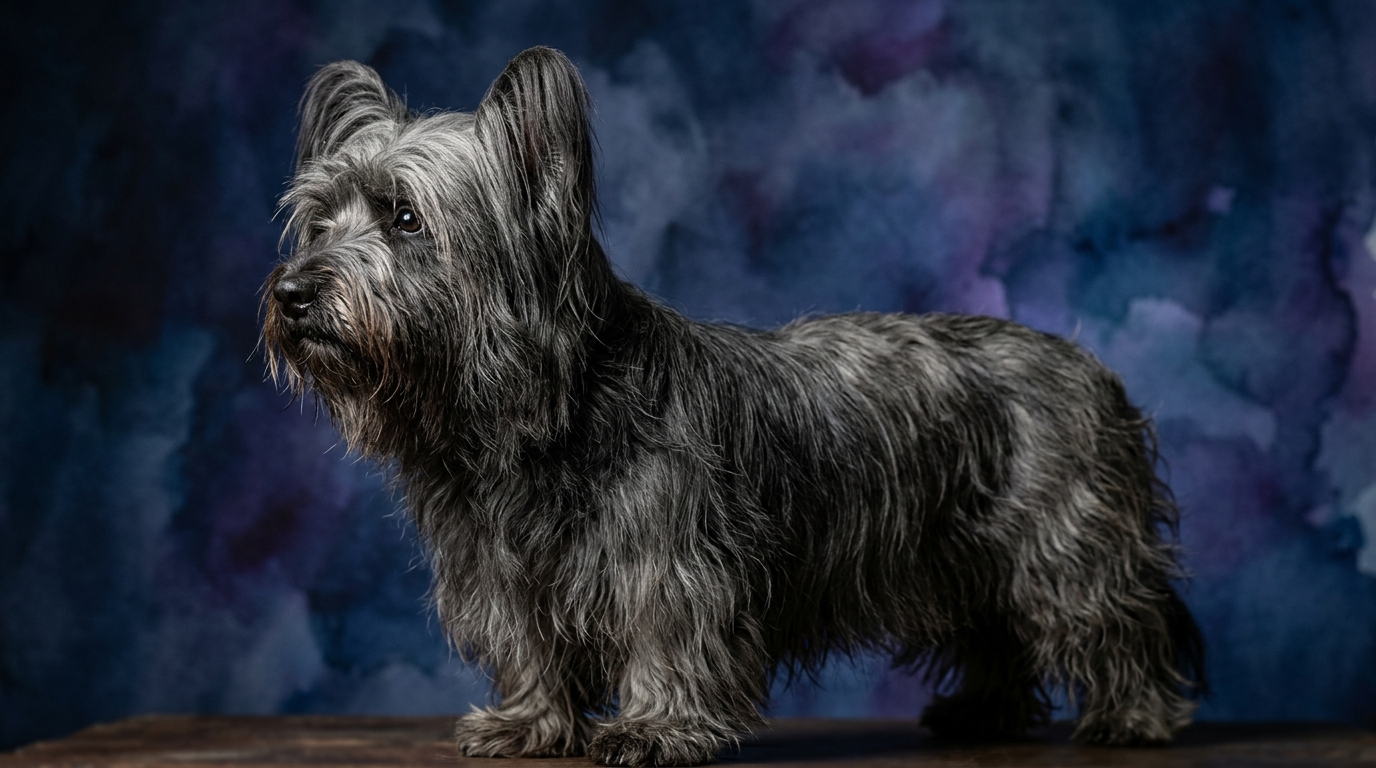
In contrast, the Skye Terrier, a Terrier breed, does not hold a specific Coren rank but presents a distinct cognitive makeup. Its problem-solving ability is also 3/5, but this is often applied with a terrier's characteristic independence to achieve self-determined goals. The Skye Terrier's training speed is 3/5, suggesting an average pace for learning new tasks, though consistency is key. Social intelligence for the Skye is 3/5, indicating a capacity for strong bonds but a less universally effusive nature than the Shih Tzu. Its instinctive drive is 3/5, a reflection of its heritage for hunting small prey, manifesting as curiosity and determination. Memory for the Skye Terrier is also 3/5, allowing them to retain learned behaviors and environmental layouts effectively.
Where the Shih Tzu Excels Cognitively
The Shih Tzu's most prominent cognitive strength lies in its extraordinary social intelligence, rated at 5/5. This isn't merely about being affectionate; it represents a sophisticated ability to interpret human emotional states, body language, and subtle vocal cues. A Shih Tzu can often anticipate an owner's mood or needs, offering comfort or seeking interaction with remarkable precision. This deep understanding of social dynamics allows them to integrate seamlessly into family life, becoming highly attuned emotional companions who navigate complex household relationships with an innate grace.
Furthermore, their low instinctive drive (2/5) presents a cognitive advantage within a domestic context. Unlike breeds with strong prey drives or territorial instincts, Shih Tzus process the world primarily through the lens of human interaction and comfort. This reduces the mental bandwidth spent on independent exploration, hunting, or guarding, allowing their cognitive resources to be largely dedicated to social bonding and maintaining harmonious coexistence. Their decision-making is less influenced by primal urges, making them naturally inclined towards a relaxed, companion-focused existence.
Where the Skye Terrier Shows Its Cognitive Strengths
The Skye Terrier's problem-solving ability, while numerically matching the Shih Tzu at 3/5, is applied with a distinctive terrier tenacity and independence. A Skye is more likely to engage its cognitive faculties to figure out how to access a forbidden treat, outsmart a puzzle toy, or navigate a complex scent trail on its own initiative. This self-directed cognitive effort is a hallmark of the breed, reflecting a capacity for independent thought and strategic planning that isn't always reliant on human guidance or approval, making them adept at navigating their environment on their own terms.
Their moderate instinctive drive (3/5) and average training speed (3/5) combine to create a dog with a robust capacity for understanding and executing tasks that align with their inherent purpose. Skye Terriers process commands and situations with an underlying drive to *do* something, rather than simply *be* with their human, as often seen in the Shih Tzu. This active cognitive engagement, coupled with a moderate social intelligence, allows them to navigate the world with a blend of independence and responsiveness, making them capable of engaging in more structured activities and learning tasks that appeal to their natural curiosity and determination.
Trainability: Patience vs. Persistence
When considering ease of training, the Shih Tzu’s journey often involves patience due to their 2/5 training speed. They may require more repetitions and a slower pace to fully grasp a new command or concept. However, their exceptional social intelligence (5/5) means they are deeply motivated by human approval and positive interaction. Training for a Shih Tzu is most effective when it feels like a cooperative, affectionate exchange, rather than a rigid instruction, leveraging their desire for connection and willingness to please their beloved human companions.
The Skye Terrier, with its 3/5 training speed, can learn at an average pace, but their moderate social intelligence (3/5) and stronger instinctive drive (3/5) introduce a different dynamic. They are capable learners but possess a distinct independence and a 'what's in it for me?' attitude characteristic of many terriers. Training a Skye requires consistent leadership, clear boundaries, and making tasks mentally stimulating or rewarding in a way that appeals to their self-interest. They are less driven by the sheer desire to please and more by achieving a goal, which can manifest as selective hearing if the reward isn't compelling enough.
Matching Breeds to Lifestyles: Active vs. Relaxed Owners
For relaxed owners seeking a devoted lap companion, the Shih Tzu is an ideal match. Their low instinctive drive (2/5) means they are generally content with a calm household routine, short strolls, and extensive periods of cuddles. Their cognitive focus is primarily on social interaction, making them thrive in environments where they receive ample human attention and comfortable living. They are not built for strenuous activity, preferring the quiet comfort of their human's presence and the emotional warmth of close companionship.
The Skye Terrier, with its moderate instinctive drive (3/5) and problem-solving capacity, generally suits owners who appreciate a dog with a bit more independent spirit and a need for mental engagement. While not requiring extreme athleticism, they benefit from structured walks, opportunities for safe exploration, and puzzle toys that challenge their cognitive skills. Owners who enjoy consistent training and can provide clear boundaries for a dog with a self-assured personality will find the Skye Terrier a rewarding, albeit sometimes challenging, companion that offers a blend of loyalty and spirited independence.
The Verdict
Choose a Shih Tzu if you prioritize an exceptionally socially intelligent companion who thrives on human connection and requires minimal independent mental stimulation, offering unparalleled emotional attunement.
Opt for a Skye Terrier if you appreciate a dog with a more independent spirit, a moderate drive for exploration, and are prepared to engage their cognitive abilities through consistent training and structured activities.
🧠 Find Your Pet's IQ Score
Our Pet IQ Lab assessment covers 25+ tests across 5 cognitive dimensions — personalized to your breed.
Take the Full IQ Test →Frequently Asked Questions
Are Shih Tzus difficult to train?
Shih Tzus have a training speed of 2/5, meaning they require more patience and repetition to learn new commands. However, their high social intelligence (5/5) means they are eager to please their owners, making positive reinforcement very effective once they grasp the concept.
Do Skye Terriers need a lot of exercise?
Skye Terriers have a moderate instinctive drive (3/5), so they require more than just short walks. Daily structured exercise, like longer leash walks or engaging playtime, is beneficial for their physical and mental well-being, helping to channel their natural terrier curiosity.
Which breed is better with children?
The Shih Tzu's high social intelligence (5/5) often makes them tolerant and adaptable to gentle children, thriving on family interaction. Skye Terriers, with their more independent nature and moderate social intelligence (3/5), may prefer older, respectful children who understand how to interact appropriately with a terrier's self-possessed personality.