Side-by-Side Cognitive Profiles: Shih Tzu vs. Standard Schnauzer
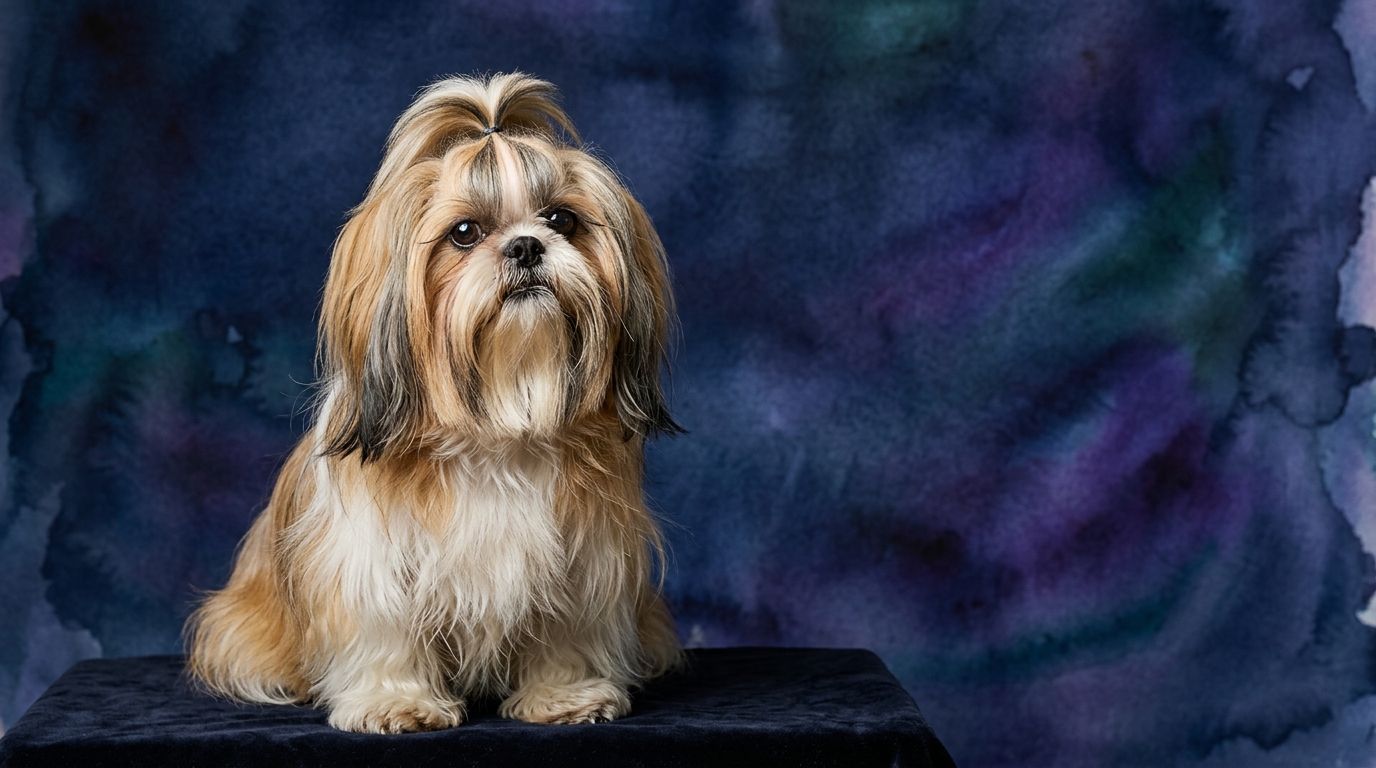
At The Cosmic Pet Pet IQ Lab, we evaluate canine intelligence across five key dimensions, offering a nuanced look at what makes each breed unique. The Shih Tzu, a delightful Toy breed with a Coren rank of #70, exhibits a cognitive profile tailored for companionship and domestic harmony. Their problem-solving ability scores a 3/5, indicating they are adept at navigating their immediate environment and figuring out how to get attention or access desired comforts, often through social cues rather than complex logical sequences. Training speed for the Shih Tzu is rated 2/5; while they can learn, it might require more repetitions and consistent, positive motivation due to their independent nature and preference for comfort over strict obedience. Where they truly shine is social intelligence, earning a perfect 5/5. They are exceptionally attuned to human emotions, body language, and family dynamics, using this insight to form strong bonds and elicit desired responses from their people. Their instinctive drive is a modest 2/5, reflecting a diminished ancestral inclination for hunting or guarding, with their primary drive being companionship. Finally, their memory stands at 3/5, meaning they recall routines, people, and pleasant experiences well, contributing to their strong emotional connections.
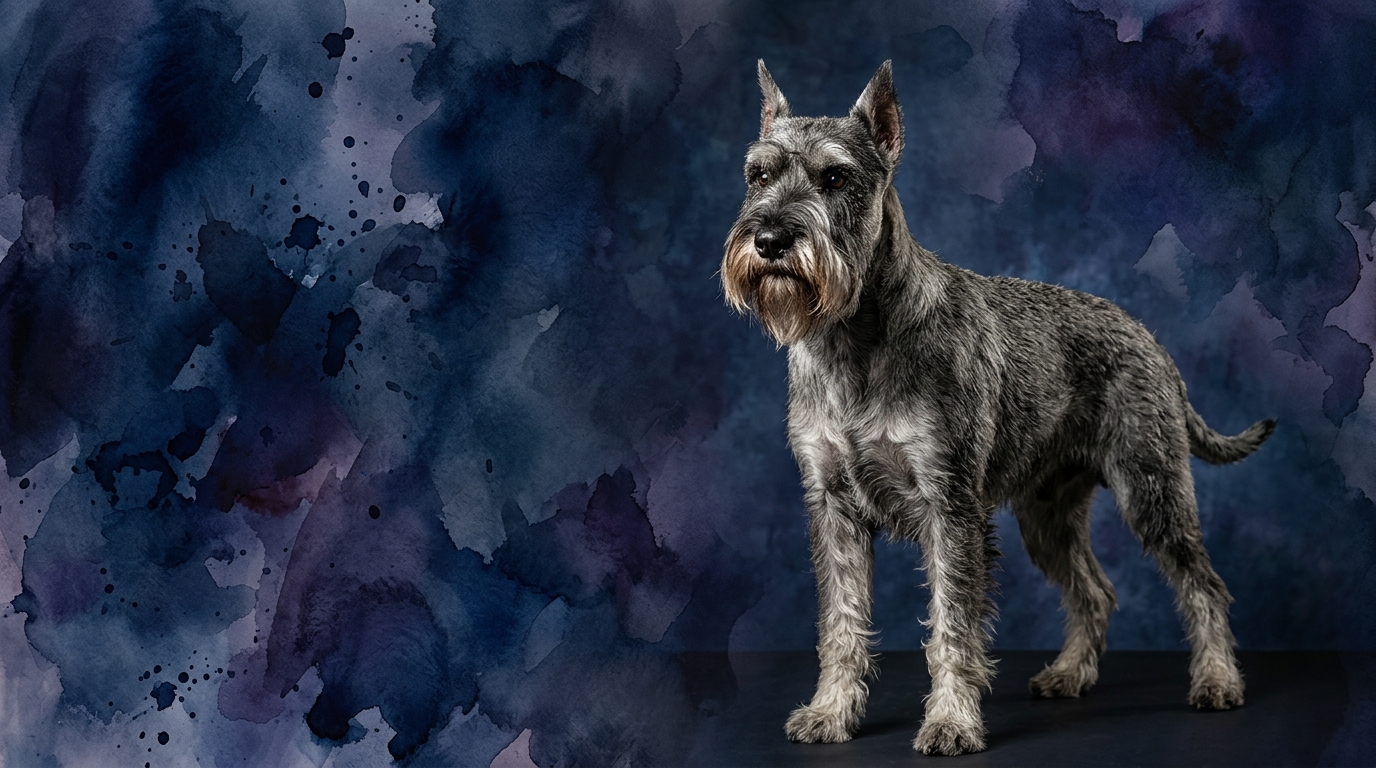
In contrast, the Standard Schnauzer, a robust Working breed with a significantly higher Coren rank of #22, presents a cognitive makeup geared for purpose and active engagement. Their problem-solving ability scores a strong 4/5, demonstrating a robust capacity for figuring out novel situations, overcoming obstacles, and strategizing to achieve goals, often linked to their historical roles requiring independent thought. Training speed for the Standard Schnauzer is also high at 4/5; they are quick to grasp new commands and sequences, showing eagerness to learn and respond to clear direction due to their focus and desire to work alongside their handler. Their social intelligence is 3/5; while loyal and forming strong bonds, their acumen is more functional than empathetic, understanding hierarchy and commands but perhaps not as nuanced in reading subtle emotional shifts as the Shih Tzu. Their instinctive drive is rated 3/5, retaining significant elements from their working heritage, including a protective instinct, a prey drive, and a desire for purpose that can be channeled into tasks. Their memory is an excellent 4/5, signifying a strong ability to retain commands, routines, and experiences, aiding in their training retention and capacity to learn complex sequences over time.
Where the Shih Tzu Wins Cognitively
The Shih Tzu's unparalleled cognitive strength lies in its profound social intelligence, scoring a perfect 5/5. This isn't merely about being affectionate; it's a sophisticated understanding of human emotions, routines, and desires that allows them to navigate their domestic world with remarkable effectiveness. A Shih Tzu can seemingly 'read the room,' discerning precisely when a gentle nudge or a plaintive gaze will yield a lap cuddle or a favored treat. Their problem-solving, while not geared towards complex tasks like fetching specific tools, is highly effective within a social context, enabling them to figure out which human cue or behavior will achieve their desired outcome – be it attention, comfort, or a prime spot on the sofa. This breed thrives by seamlessly integrating into the family unit, often becoming the emotional barometer of the household, a role they instinctively master through their acute observational skills and memory for social interactions. Their success in a companion role is a direct result of this exceptional cognitive ability to connect and influence their human counterparts.
Where the Standard Schnauzer Wins Cognitively
The Standard Schnauzer showcases its cognitive prowess through superior problem-solving capabilities (4/5), rapid training acquisition (4/5), and a robust memory (4/5). Their history as versatile farm dogs, guarding livestock and property, instilled a need for independent thought and the ability to adapt to varied situations. This translates into a dog that can quickly assess environmental challenges, learn intricate command sequences, and retain them over long periods. For instance, a Standard Schnauzer is more likely to methodically figure out how to open a complex crate latch, retrieve a specific item from a cluttered room, or master a multi-stage agility course than a Shih Tzu. Their instinctive drive (3/5), while not at the highest level, provides a solid foundation for engaging in purposeful activities, making them eager participants in structured learning and tasks that require sequential thinking and a degree of self-initiation. Their cognitive strengths allow them to excel in roles requiring active engagement and intelligent decision-making.
Training Dynamics: Which is Easier and Why?
Based on The Cosmic Pet Pet IQ Lab data, the Standard Schnauzer is generally easier to train, earning a 4/5 in training speed compared to the Shih Tzu's 2/5. The Schnauzer's historical role demanded a dog that could learn complex commands and execute them reliably, leading to a natural eagerness to engage in structured learning. They possess a higher focus during training sessions and a strong memory for sequences, allowing them to grasp new concepts with fewer repetitions and retain them consistently. For example, a Schnauzer is more likely to reliably perform a 'stay' command for extended periods in distracting environments after consistent practice.
Conversely, the Shih Tzu, while certainly trainable, often requires more patience and creative motivation. Their independent nature and preference for comfort over strict obedience mean they might understand a command but choose not to perform it unless sufficiently incentivized, perhaps with a favorite treat or a desired cuddle. A Shih Tzu might 'forget' a command if it doesn't immediately yield a positive outcome or if something more interesting captures their attention. Training a Shih Tzu often involves leveraging their high social intelligence to make learning a positive, bonding experience, rather than relying solely on rote repetition. Consistency and making training feel like a fun interaction are key to success with this charming companion.
Matching Breeds to Lifestyles: Active vs. Relaxed Owners
For owners with an active lifestyle and a desire for a canine partner in various pursuits, the Standard Schnauzer is the clear choice. Their 3/5 instinctive drive and 4/5 problem-solving make them thrive with regular physical exercise, mental challenges like puzzle toys, and structured activities such as obedience, agility, or even scent work. They need a purpose and enjoy being an active participant in family adventures, demonstrating robust stamina for long walks, hikes, and playful engagement. A Schnauzer will appreciate a daily routine that includes both physical exertion and opportunities to use their quick mind, like learning new tricks or participating in dog sports. They are best suited for households that can provide consistent stimulation to prevent boredom and channel their inherent drives constructively.
In contrast, the Shih Tzu is perfectly suited for more relaxed owners who prioritize companionship and comfort. Their moderate exercise needs and exceptional social intelligence mean they are content with shorter strolls and ample lap time, finding their greatest joy in being close to their human companions. While they enjoy play, it's often more about interactive games that involve their people than strenuous, independent activity. Their high social intelligence makes them ideal for apartment living or less physically demanding households, where their primary role is that of a devoted, emotionally attuned companion. They flourish in environments where their human family is frequently present and available for cuddles and gentle interaction.
The Verdict
Choose the Shih Tzu if your priority is a deeply emotionally intelligent companion who excels at forming strong bonds and thrives in a relaxed, comfort-oriented environment. Their social acumen is unparalleled for those seeking a highly attuned furry family member.
Opt for the Standard Schnauzer if you're an active owner seeking a highly trainable, problem-solving partner who enjoys structured activities and a purposeful role in your daily life. Their cognitive strengths make them excellent companions for those who love engaging in mental and physical challenges.
🧠 Find Your Pet's IQ Score
Our Pet IQ Lab assessment covers 25+ tests across 5 cognitive dimensions — personalized to your breed.
Take the Full IQ Test →Frequently Asked Questions
Are Shih Tzus difficult to train?
Shih Tzus are not inherently difficult, but their training speed is lower (2/5) due to an independent streak and preference for comfort. They require consistent, positive reinforcement and patience, often responding best when training feels like a game or a bonding experience rather than a chore.
Do Standard Schnauzers require a lot of mental stimulation?
Yes, Standard Schnauzers thrive on mental stimulation, scoring 4/5 in problem-solving and 4/5 in memory. Their working heritage means they enjoy learning new commands, solving puzzles, and participating in activities that challenge their intellect, which helps prevent boredom and potential mischief.
Which breed is better with children?
The Shih Tzu's high social intelligence (5/5) often makes them naturally gentle and attuned to family dynamics, typically doing well with respectful children. Standard Schnauzers (3/5 social intelligence) can be good with children too, but their stronger instinctive drive requires early socialization and supervision to ensure appropriate and respectful interactions.