Side-by-Side IQ Profile
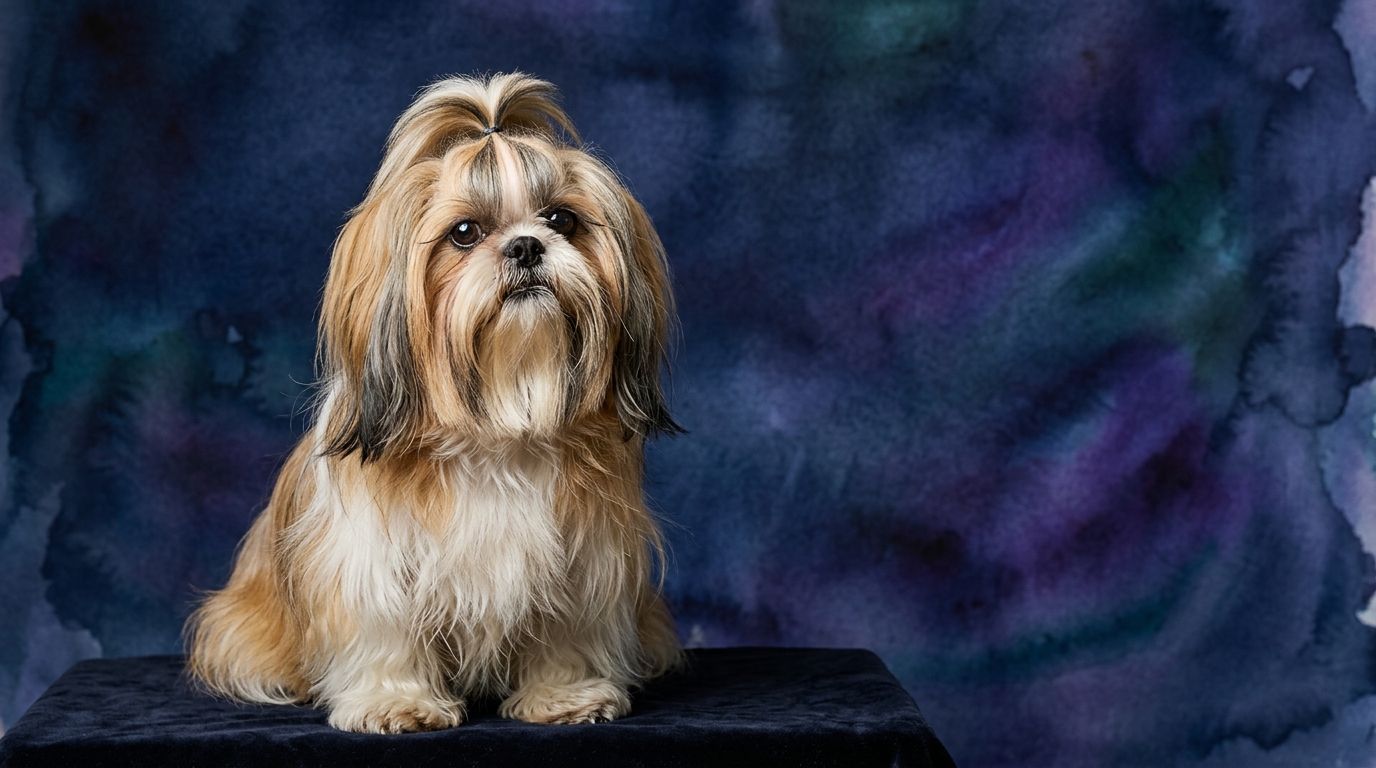
The Cosmic Pet Pet IQ Lab employs a five-dimensional framework to assess canine intelligence, offering a nuanced view beyond simplistic rankings. For the Shih Tzu, a member of the Toy group, its profile reflects centuries of selective breeding for companionship. Its problem-solving ability sits at a moderate 3/5, indicating a capacity to navigate household puzzles or figure out how to get attention. Training speed is rated 2/5, suggesting that while trainable, they may require more repetition and patience to master new commands. Where the Shih Tzu truly shines is in social intelligence, scoring an exceptional 5/5, demonstrating a profound understanding of human emotions and social cues. Its instinctive drive is a modest 2/5, reflecting a low inclination for traditional working tasks, and its memory is a balanced 3/5, sufficient for retaining routines and learned behaviors.
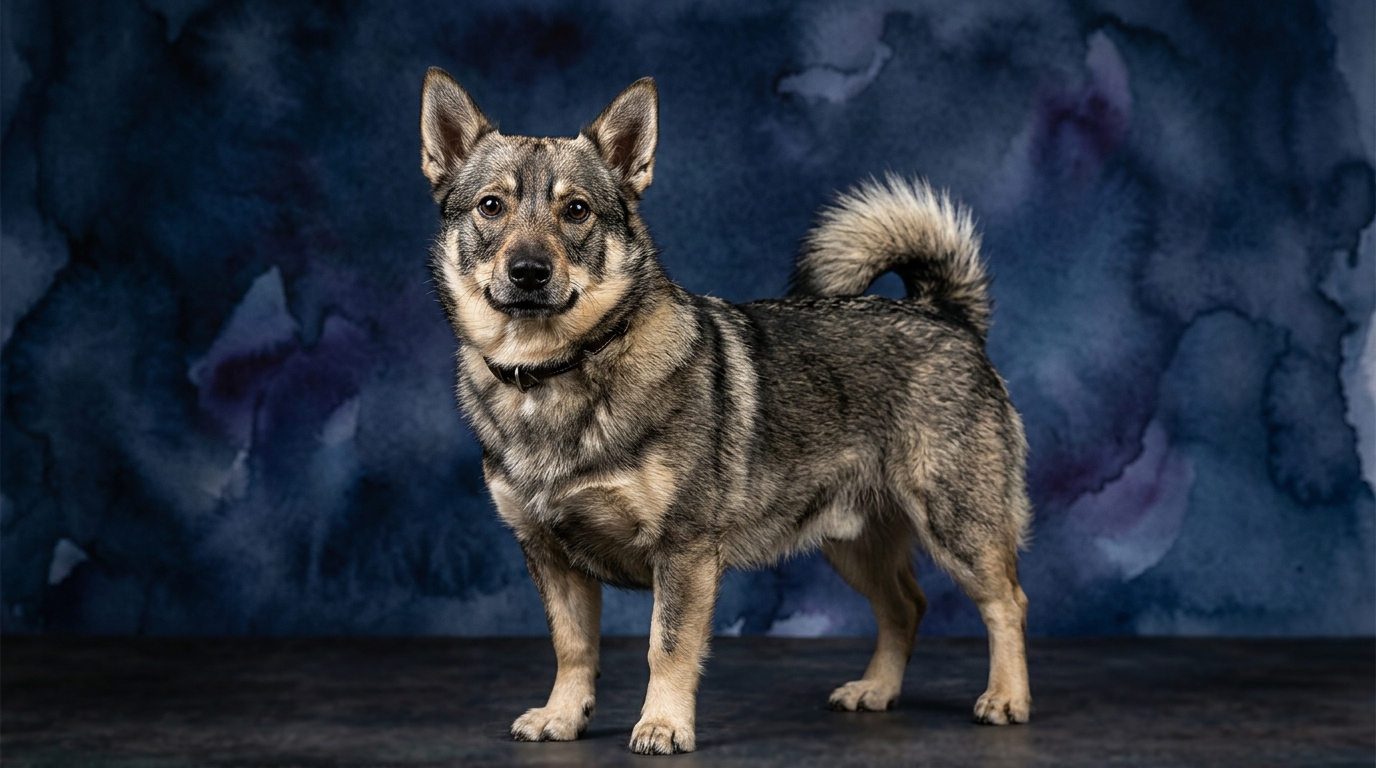
In contrast, the Swedish Vallhund, a robust Herding breed, presents a profile of consistent, practical abilities, though it lacks a Coren ranking, perhaps due to its lesser-known status globally. This breed scores a uniform 3/5 across all five dimensions. Its problem-solving ability at 3/5 suggests a practical mind, capable of figuring out solutions in real-world scenarios, essential for its herding duties. A training speed of 3/5 indicates a good aptitude for learning and retaining commands, making them generally receptive to instruction. Their social intelligence, also 3/5, points to a solid connection with their human companions, though perhaps less intensely focused on emotional nuances than the Shih Tzu. An instinctive drive of 3/5 highlights a natural inclination towards activity and purpose, stemming from their working heritage. Finally, a memory score of 3/5 means they are capable of remembering learned tasks, routes, and established routines effectively.
Where Shih Tzu Wins Cognitively
The Shih Tzu's undisputed cognitive strength lies in its extraordinary social intelligence, boasting a perfect 5/5 in this dimension. This isn't merely about being friendly; it signifies a deep, innate capacity to read and respond to human emotions and social dynamics. A Shih Tzu can often sense a change in its owner's mood, offering comfort or seeking interaction precisely when needed, creating an incredibly strong emotional bond. They excel at understanding subtle human cues, whether it’s the tone of voice, body language, or even unspoken expectations within the home. This acuity allows them to navigate complex family environments with grace, adapting their behavior to different individuals and situations. While their problem-solving (3/5) might not be geared towards complex physical puzzles, they are adept at "people problems," learning how to gain attention, solicit affection, or even subtly manipulate situations to their advantage, all through the lens of social interaction. This profound attunement to human companionship is the cornerstone of their cognitive prowess, making them unparalleled emotional support animals and devoted family members.
Where Swedish Vallhund Wins Cognitively
The Swedish Vallhund's cognitive advantages emerge from its balanced and practical intelligence, particularly its higher training speed and instinctive drive. With a training speed of 3/5 compared to the Shih Tzu’s 2/5, Vallhunds generally pick up new commands and routines more readily. Their working heritage means they are often more eager to engage in structured learning and find satisfaction in performing tasks accurately. This translates into a dog that can progress more swiftly through obedience classes or learn complex sequences for dog sports like agility or rally. Furthermore, their instinctive drive, rated at 3/5 (compared to the Shih Tzu's 2/5), provides a robust internal motivation for engagement. This drive, rooted in their herding background, fuels their desire to be active, explore, and participate in purposeful activities. While it needs appropriate channeling, this drive makes them highly responsive to training that leverages their natural inclinations. Their consistent 3/5 in problem-solving and memory also means they possess a reliable, adaptable mind capable of retaining a wide range of information and applying it to various situations, making them excellent partners for active pursuits that require both physical and mental agility.
Which is Easier to Train and Why
Comparing ease of training between these two breeds reveals distinct approaches shaped by their core cognitive strengths. The Swedish Vallhund is generally considered easier to train in terms of traditional obedience and task learning, primarily due to its higher training speed (3/5) and instinctive drive (3/5). Vallhunds often possess a natural inclination to work collaboratively with their handler, finding satisfaction in clear directions and purposeful activities. Their herding background instills a responsiveness to commands and a desire to engage in structured tasks, making them quick learners in disciplines like obedience, agility, or even trick training. They thrive on having a "job" and often view training as an enjoyable partnership, which contributes significantly to their trainability.
The Shih Tzu, on the other hand, with its training speed of 2/5, presents a different training dynamic. While certainly capable of learning, they may require more patience, consistency, and highly motivating rewards. Their lower instinctive drive means they aren't inherently driven by the desire to perform tasks for their own sake. Instead, their training success often hinges on leveraging their exceptional social intelligence (5/5). They are highly attuned to their owner's emotions and desire for connection, making positive reinforcement, praise, and affectionate interaction incredibly powerful motivators. However, their charming nature can sometimes be a double-edged sword; they might try to "charm" their way out of strict training sessions or display selective hearing if they perceive a task as uninteresting. Therefore, while a Vallhund might excel at learning complex commands quickly, a Shih Tzu might require a more relationship-focused training approach, turning every session into an opportunity for bonding and positive interaction.
Which Suits Active Owners vs Relaxed Owners
The choice between a Shih Tzu and a Swedish Vallhund also hinges significantly on an owner's lifestyle and activity level. For relaxed owners seeking a devoted companion who thrives in a cozy home environment, the Shih Tzu is an ideal match. Their low instinctive drive (2/5) means they have modest requirements for physical exercise and mental stimulation. While they enjoy walks and playtime, their true contentment comes from close proximity and emotional interaction with their human family. Their outstanding social intelligence (5/5) allows them to seamlessly integrate into a relaxed household, offering comfort and companionship without demanding constant engagement or rigorous activity. They are content to be lap dogs, observing household activities, and providing a steady, affectionate presence, making them perfect for apartment living or individuals with a less active lifestyle.
Conversely, the Swedish Vallhund is best suited for active owners who are prepared to provide consistent mental and physical engagement. Their herding heritage and balanced cognitive profile, including a 3/5 instinctive drive, mean they possess significant energy and a need for purpose. These dogs are not content to simply lounge; they thrive on activities that challenge their minds and bodies. Owners should be prepared for regular, vigorous exercise, such as long walks, runs, hiking, or structured dog sports like agility, obedience, or even actual herding trials. Without adequate outlets for their energy and intelligence, Vallhunds can become bored or channel their drive into undesirable behaviors, such as excessive barking or attempts to "herd" family members. They flourish with owners who enjoy an active lifestyle and are willing to invest time in training and engaging their dog's inherent capabilities.
The Verdict
For those seeking an emotionally attuned companion who thrives on close interaction and prefers a more relaxed pace, the Shih Tzu’s exceptional social intelligence makes them an ideal choice. They excel at enriching the home environment with their affectionate presence.
Opt for the Swedish Vallhund if you're an active individual or family ready to engage a balanced, task-oriented mind, providing consistent training and outlets for their herding instincts and energy. They thrive when given purpose and clear direction.
🧠 Find Your Pet's IQ Score
Our Pet IQ Lab assessment covers 25+ tests across 5 cognitive dimensions — personalized to your breed.
Take the Full IQ Test →Frequently Asked Questions
Are Shih Tzus difficult to train?
While their training speed is rated 2/5, Shih Tzus are certainly trainable. Their strong social intelligence means they respond well to positive reinforcement and desire to please their owners, but require consistent, patient methods.
Do Swedish Vallhunds need a lot of exercise?
Yes, Swedish Vallhunds, with their herding background and 3/5 instinctive drive, require significant daily physical and mental stimulation. Engaging them in activities like agility, obedience, or long walks helps channel their energy constructively.
How do these breeds typically interact with children or other pets?
Shih Tzus, with their 5/5 social intelligence, often adapt well to respectful children and other pets, seeking companionship. Swedish Vallhunds (3/5 social intelligence) can be good family dogs but may exhibit herding behaviors towards children or smaller animals, requiring early socialization and training to manage.