
Side-by-Side Cognitive Profiles: Shih Tzu vs. Westie
Our Cosmic Pet Pet IQ Lab provides a unique lens through which to view breed-specific intelligence, moving beyond simple notions of 'smart' to explore distinct cognitive strengths. For the Shih Tzu, a Toy breed, its Coren rank of #70 suggests a moderate aptitude for working and obedience tasks, placing them in a category that often requires more repetition during formal training. Their Problem Solving is rated at 3/5, indicating an ability to handle moderately complex challenges, such as finding a hidden treat, but they are not typically master strategists. Training Speed is 2/5, meaning they may take longer to grasp and consistently execute new commands, often prioritizing social interaction over task completion. However, their Social Intelligence shines at a perfect 5/5, making them exceptionally attuned to human emotions and social cues. Instinctive Drive sits at 2/5, reflecting a low intrinsic motivation for hunting or independent 'work', favoring companionship instead. Their Memory is rated 3/5, allowing them to retain routines and familiar commands reasonably well.
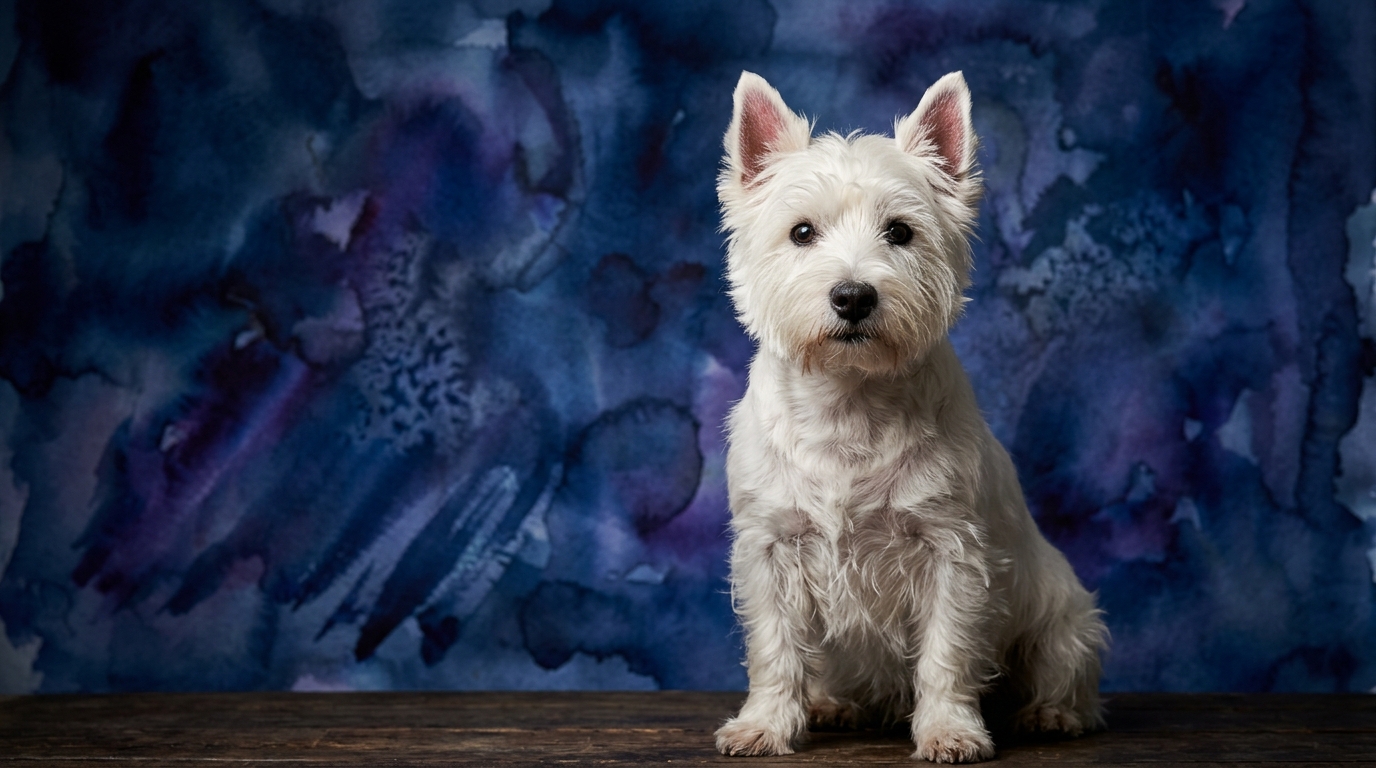
The West Highland White Terrier, a member of the Terrier group, presents a different cognitive landscape. With a Coren rank of #47, they demonstrate a higher general aptitude for working and obedience compared to the Shih Tzu. Their Problem Solving is also 3/5, suggesting a similar capacity for cognitive challenges, but often applied with more tenacity and independent thought. Training Speed is 3/5, indicating they generally learn new commands at a moderate pace, often quicker than the Shih Tzu, especially when engaged. Social Intelligence for the Westie is 3/5; while they are affectionate, they possess a more independent nature and may not be as overtly sensitive to human emotional nuances as the Shih Tzu. Their Instinctive Drive is 3/5, a reflection of their heritage as keen hunters, giving them a moderate motivation for exploration, digging, and task-oriented engagement. Crucially, their Memory stands at 4/5, signifying a strong ability to recall learned information, routes, and experiences over time, contributing to their independent problem-solving.
Where the Shih Tzu Cognitively Excels
The Shih Tzu's unparalleled strength lies in its Social Intelligence, rated a perfect 5/5. This isn't merely about being friendly; it signifies an exceptional capacity to read and respond to human emotions, subtle body language, and social cues. A Shih Tzu can often sense a shift in an owner's mood, offering comfort or seeking interaction precisely when needed, demonstrating a profound empathetic connection. This makes them outstanding emotional support animals and companions, capable of forming deep, intuitive bonds that transcend simple obedience. Their cognitive wiring is geared towards understanding and harmonizing with their human family, making them masters of social interaction within a domestic setting. This acute social awareness allows them to navigate complex household dynamics with grace, often mediating tensions through their comforting presence. While they may not be the quickest to learn a complex agility course, their ability to connect on an emotional plane is a sophisticated cognitive skill that few breeds match.
Where the West Highland White Terrier Cognitively Shines
The West Highland White Terrier showcases its cognitive prowess across several dimensions, particularly in areas related to independent action and task retention. Their higher Coren rank of #47, compared to the Shih Tzu's #70, immediately suggests a greater aptitude for learning and executing complex commands and tasks. This is further supported by their superior Training Speed of 3/5 and, most notably, their Memory score of 4/5. A Westie is more likely to not only pick up new commands more readily but also retain them with greater consistency over time, requiring less frequent refreshers. This robust memory serves their independent nature well, allowing them to remember intricate routes or problem-solving strategies. Furthermore, their Instinctive Drive of 3/5, rooted in their terrier heritage, means they possess an inherent motivation for exploration and 'work'. This drive, combined with their problem-solving ability, makes them persistent in pursuing goals, whether it's unearthing a toy or figuring out a puzzle. Their cognitive strengths lean towards a more active, task-oriented engagement with their environment, making them adept at learning and applying skills in a practical context.
Training Dynamics: Which Breed is Easier and Why?
When it comes to ease of training, the West Highland White Terrier generally holds an advantage due to its cognitive profile. Their Training Speed of 3/5 suggests they grasp new concepts more quickly than the Shih Tzu's 2/5. This means a Westie typically requires fewer repetitions to learn a command and is more likely to offer enthusiastic participation in training sessions, especially if they are engaging and reward-based. Bolstering this is their Memory score of 4/5, which ensures that once a Westie learns something, they are more likely to retain it consistently, leading to more reliable recall and execution of commands over time. Their Instinctive Drive of 3/5 can also be channeled effectively into training, as they often enjoy the challenge and mental stimulation of learning tasks. This inherent motivation means they are often eager to 'work' for rewards, be it treats, praise, or a favorite toy.
Conversely, the Shih Tzu's Training Speed of 2/5 means that owners must approach training with significant patience and consistency. While they are certainly capable of learning, they may take longer to internalize commands and might not always prioritize task completion over seeking affection or comfort. Their lower Instinctive Drive (2/5) means they are less intrinsically motivated by 'work' or independent tasks; their primary motivation often stems from social connection. This isn't to say a Shih Tzu cannot be trained to a high standard, but it typically requires shorter, more frequent sessions and a strong emphasis on positive reinforcement tied to their desire for social approval. Owners might find that a Shih Tzu's occasional disinterest or what appears as 'stubbornness' is simply a reflection of their cognitive priorities, which lean heavily towards social interaction rather than task-oriented obedience.
Matching Cognitive Profiles to Owner Lifestyles
Understanding these cognitive differences is key to matching a dog with an owner's lifestyle. The Shih Tzu, with its exceptional Social Intelligence (5/5) and low Instinctive Drive (2/5), is an ideal companion for relaxed owners who seek a profound emotional connection and a low-key activity level. They thrive in environments where companionship is paramount, content with leisurely strolls, indoor play, and ample lap time. Their cognitive makeup makes them highly responsive to human presence and emotions, making them superb companions for individuals or families who prioritize comfort and quiet interaction over strenuous activities or complex training regimens. They are perfectly suited to apartment living or homes where their primary role is that of a loving, empathetic presence, ready to offer comfort and receive affection. Their low drive for independent tasks means they are less likely to seek out mischief or require constant mental stimulation beyond social interaction.
In contrast, the West Highland White Terrier, with its moderate Instinctive Drive (3/5) and stronger Memory (4/5), is better suited for more active owners who appreciate a spirited, independent companion. Westies thrive when given opportunities to engage their minds and bodies, whether through structured play, regular walks, or even participating in dog sports like earthdog trials or agility. Their cognitive profile suggests they need outlets for their natural curiosity and desire to 'work', making them excellent choices for owners who enjoy outdoor adventures and are prepared to channel their terrier tenacity into productive activities. While they are affectionate, their independence means they appreciate challenges and mental stimulation, rather than being solely content with passive companionship. An owner who can provide consistent training and varied activities will find a Westie to be an engaging and rewarding partner, capable of learning and retaining a wide array of skills.
The Verdict
Choose a Shih Tzu if you prioritize an exceptionally empathetic, emotionally attuned companion content with a relaxed lifestyle and deep social connection.
Opt for a West Highland White Terrier if you desire a spirited, independent partner eager for engaging activities and are prepared to channel their terrier tenacity into structured training and play.
🧠 Find Your Pet's IQ Score
Our Pet IQ Lab assessment covers 25+ tests across 5 cognitive dimensions — personalized to your breed.
Take the Full IQ Test →Frequently Asked Questions
Are Shih Tzus difficult to train?
Shih Tzus are not inherently difficult, but their Training Speed of 2/5 means they require more patience and consistency than some other breeds. They respond best to positive reinforcement and shorter, engaging sessions, often motivated by social rewards rather than task completion.
Do West Highland White Terriers need a lot of exercise?
Westies have a moderate Instinctive Drive (3/5) and benefit from regular exercise and mental stimulation. They thrive on daily walks, playtime, and activities that engage their problem-solving abilities, preventing boredom and channeling their natural terrier energy constructively.
Which breed is more prone to barking?
West Highland White Terriers, with their terrier heritage and moderate Instinctive Drive, can be more prone to barking, especially if they perceive threats or are not adequately stimulated. Shih Tzus are generally less vocal but may bark to alert or seek attention.