Side-by-Side IQ Profile: Husky vs. Cairn
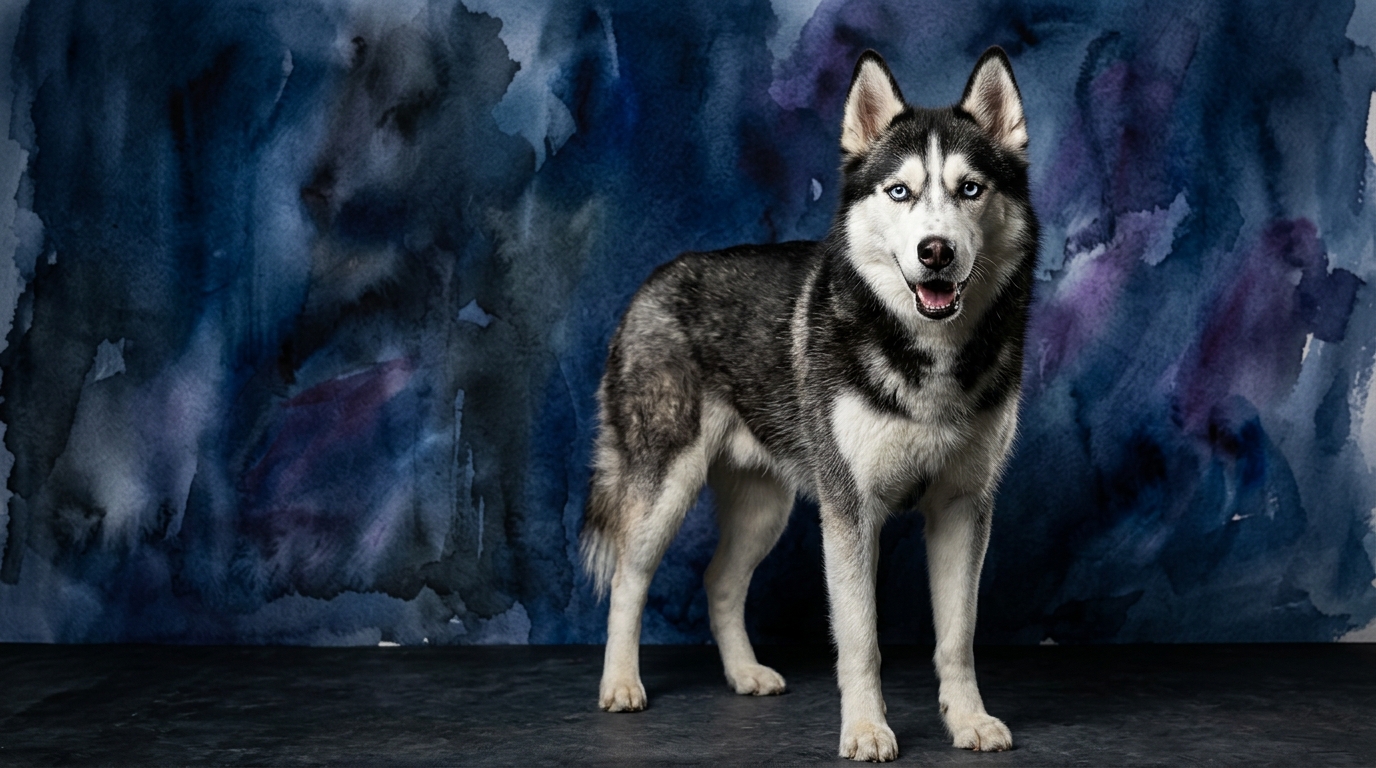
The Siberian Husky, a Working breed (Coren rank #45), presents a cognitive profile built for endurance and self-reliance. Their Problem Solving is a strong 4/5, demonstrating independent thought, while Training Speed is a deliberate 2/5, requiring patience. Social Intelligence sits at an average 3/5, with a powerful Instinctive Drive of 5/5, reflecting deep genetic leanings for activities like pulling and exploring. Memory is a solid 4/5 for retaining experiences.
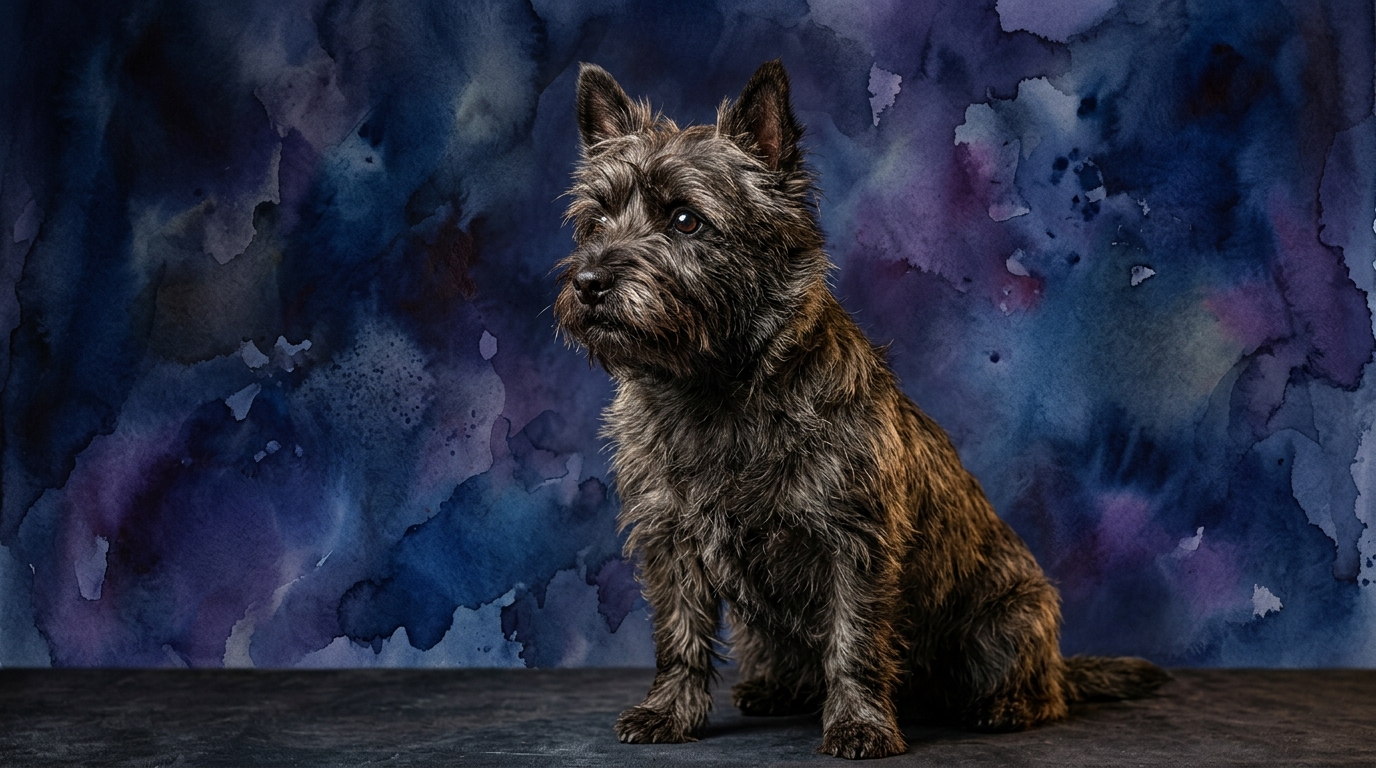
The Cairn Terrier, a lively Terrier (Coren rank #35), offers a distinct yet capable cognitive makeup. They match the Husky's Problem Solving at 4/5, often applied to clever environmental solutions, but significantly lead in Training Speed with 4/5, showing rapid command acquisition. Social Intelligence is also 3/5. The Cairn's Instinctive Drive, at 3/5, is influential but less overwhelming, typically manifesting as terrier traits like digging. Like the Husky, their Memory is 4/5, allowing effective recall of lessons.
Where the Siberian Husky Wins Cognitively
The Siberian Husky truly excels in cognitive domains demanding sustained, independent effort and a powerful internal compass. Their exceptional Instinctive Drive, rated a perfect 5/5, is a profound cognitive asset, enabling them to pursue tasks with unparalleled focus and stamina, particularly in environments where human guidance might be intermittent or challenging. This drive, combined with a 4/5 Problem Solving ability, allows them to make independent decisions and find solutions on the fly, whether navigating a complex sledding trail or strategizing how to bypass an obstacle in their path. Their robust Memory (4/5) ensures they retain intricate details about routes, experiences, and learned adaptations, which is crucial for breeds engaged in repetitive, physically demanding work. This blend of strong drive, independent problem-solving, and reliable memory makes them masters of self-directed tasks and enduring challenges, often showcasing a shrewdness born from necessity and a deep connection to their ancestral roles.
Where the Cairn Terrier Wins Cognitively
In contrast, the Cairn Terrier shines in cognitive areas emphasizing quick assimilation of information and agile application of their intellect in more focused settings. Their superior Training Speed, marked at 4/5, is a clear cognitive advantage, allowing them to grasp new commands and routines with impressive alacrity compared to the Husky. This trait makes them highly receptive to structured learning and amenable to diverse training methodologies. Their Problem Solving ability, also 4/5, is often demonstrated in ingenious ways to achieve desired outcomes within their immediate environment, such as figuring out how to access a forbidden treat or outsmarting a puzzle toy. This problem-solving is typically applied with a rapid, decisive wit rather than the Husky's sustained, methodical approach. The Cairn's higher Coren rank of #35, compared to the Husky's #45, further underscores their relative ease in learning and executing obedience tasks, reflecting a cognitive makeup that prioritizes responsiveness and adaptability in human-directed activities.
Training Dynamics: Which is Easier and Why
When considering ease of training, the Cairn Terrier undeniably holds an advantage over the Siberian Husky. The Cairn's Training Speed score of 4/5 directly translates to a quicker learning curve; they are generally more inclined to engage with training exercises and respond to cues with fewer repetitions. Their Instinctive Drive of 3/5, while present, is more manageable, meaning their inherent urges (like digging or chasing) are less likely to completely overshadow their desire to cooperate with their human. This allows them to focus more readily on the task at hand and form associations between commands and actions efficiently.
Conversely, the Siberian Husky, with a Training Speed of 2/5 and a potent Instinctive Drive of 5/5, presents a more significant training challenge. Their independence is a hallmark of their cognitive style; they often evaluate whether a command aligns with their own motivations before complying. Their strong drive to explore, run, or follow scents can easily distract them from structured lessons, requiring owners to employ exceptional patience, creativity, and high-value rewards to maintain their engagement. Training a Husky often feels more like negotiation than simple instruction, demanding a deep understanding of their unique motivations and a consistent, compelling approach.
Owner Lifestyle Match: Active vs. Moderately Active
The choice between a Siberian Husky and a Cairn Terrier based on owner lifestyle boils down to the intensity and nature of engagement an owner can provide. The Siberian Husky is unequivocally suited for highly active owners who thrive on outdoor adventures and possess the dedication to channel a formidable cognitive drive. Their 5/5 Instinctive Drive mandates extensive physical exertion, such as long runs, hikes, or even participating in dog sports like canicross or skijoring. Their 4/5 Problem Solving and Memory also benefit from complex mental challenges, making them ideal partners for owners who can offer consistent, varied, and mentally stimulating activities that tap into their innate abilities. A more relaxed owner would likely find themselves overwhelmed by the Husky's boundless energy and independent spirit, potentially leading to destructive behaviors stemming from boredom.
The Cairn Terrier, on the other hand, is a better fit for moderately active owners. While they are certainly not couch potatoes, their 3/5 Instinctive Drive is more adaptable to varied routines. They enjoy spirited walks, engaging play sessions, and mental stimulation through puzzle toys or learning new tricks, benefiting from their 4/5 Training Speed. Their needs are more easily met within a typical active household, making them suitable for owners who enjoy daily interaction and moderate exercise but may not be seeking an extreme adventure companion. They require consistent mental engagement to prevent their problem-solving skills from being applied to undesirable activities like excessive digging.
The Verdict
Choose a Siberian Husky if you are an active, adventurous owner seeking an independent partner for demanding outdoor pursuits and are prepared to engage consistently with their powerful instinctive drives.
Opt for a Cairn Terrier if you desire a spirited, quick-witted companion eager to learn, who thrives on interactive games and consistent mental stimulation alongside moderate physical activity.
🧠 Find Your Pet's IQ Score
Our Pet IQ Lab assessment covers 25+ tests across 5 cognitive dimensions — personalized to your breed.
Take the Full IQ Test →Frequently Asked Questions
Are Siberian Huskies difficult to live with due to their independence?
Siberian Huskies possess a strong independent streak and high instinctive drive, making them less inclined to blindly follow commands. While not 'difficult,' they require an owner who understands their need for mental and physical exertion, consistent training, and ample engagement to prevent boredom-driven behaviors.
Do Cairn Terriers need a lot of mental stimulation?
Yes, Cairn Terriers, with their problem-solving ability and moderate instinctive drive, thrive on mental challenges. They enjoy puzzle toys, learning new tricks, and engaging in activities that allow them to use their natural curiosity and quick wit, which helps prevent destructive behaviors.
How do their social intelligence scores compare?
Both the Siberian Husky and the Cairn Terrier share a similar social intelligence score of 3/5. This indicates they possess an average capacity to understand and respond to human social cues, making them generally adaptable companions, though neither is exceptionally attuned to subtle emotional shifts compared to breeds known for higher social cognition.